OICR appoints Dr. Steven Gallinger as Head, Clinical Translation

Gallinger brings more than three decades of clinical and interdisciplinary research experience to OICR leadership

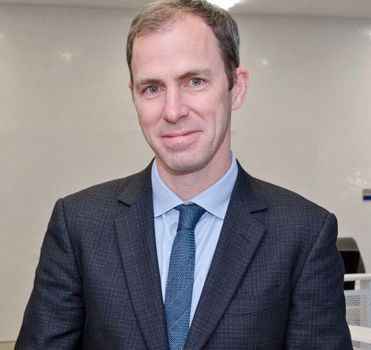
Dr. Steven Gallinger has joined OICR’s executive leadership team as Head, Clinical Translation. In this role, he will lead one of OICR’s three key priority areas, Clinical Translation, which focuses on advancing Ontario cancer discoveries through early clinical validation, partnering with industry and the health system for downstream development and implementation.

Gallinger has more than three decades of experience as a surgical oncologist specializing in hepato-pancreatico-biliary surgeries. He is internationally recognized for establishing one of the largest population-based colon cancer registries, and he is well-known for his pancreatic cancer research, through which he has made significant contributions to large-scale genomics studies like the International Cancer Genome Consortium. Gallinger is passionate about building large biospecimens and data repositories to enable research discoveries.

In conjunction with Gallinger’s appointment, OICR is also proud to announce Dr. Glenn Bauman will continue as a Clinical Lead for Clinical Translation. Bauman, who has led several OICR research initiatives and clinical trials over the last 10 years, is a Radiation Oncologist at the London Health Sciences Centre who focuses on genitourinary and central nervous system tumours.

“The entire OICR executive is thrilled to have Dr. Gallinger join our leadership team,” says Dr. Laszlo Radvanyi, President and Scientific Director, OICR. “Steven’s deep experience as both a clinician and researcher will help OICR strengthen our bridge between the lab and the clinic. The continued contributions of Dr. Bauman will further accelerate our efforts to get novel solutions to patients in Ontario and around the world.”

“Translating research findings to improve clinical care is complex,” says Dr. Christine Williams, Deputy Director, OICR. “Success depends on the engagement of many partners, including the health system, health regulators and in some cases the private sector, as well as scientists, clinicians and especially patients and their families. Drs. Gallinger and Bauman are leaders in forging these partnerships and translating research into practice. We’re proud to welcome Dr. Gallinger to OICR’s executive team and delighted that OICR will continue to benefit from Dr. Bauman’s scientific leadership.”

Among his many career accomplishments, Gallinger and the multidisciplinary team at Princess Margaret has been the driving force behind the COMPASS clinical trial, which has led to seminal discoveries that are paving the way for new personalized pancreatic cancer therapies. As Head of Clinical Translation, Gallinger will continue co-leading the pancreatic cancer PanCuRx Translational Research Initiative and build upon PanCuRx’s translational achievements.

“This is an exciting time at OICR,” says Gallinger. “We’re looking to build on our existing networks and research successes. As we embark upon our new Strategic Plan, I think we can reach out and support research across more cancer centres so that we can work together to benefit patients sooner, while keeping Ontario at the forefront of precision cancer medicine.”

As part of her Deputy Director role, Williams will continue to oversee the Clinical Translation networks of the Clinical Translation portfolio, including the Canadian Cancer Clinical Trials Network, the Ontario Cancer Research Ethics Board and the Ontario Health Study.

OICR-affiliated researchers awarded $6.6 million in funding from CIHR

The funding will support projects ranging from drug discovery to cancer stem cells

Seven OICR-affiliated researchers have been awarded $6.6 million in funding from the Canadian Institutes for Health Research (CIHR) through its Project Grants program, which is designed to capture ideas with the greatest potential to advance health and research. The funded projects will help support key OICR research in drug discovery, pancreatic cancer, immunotherapy, genomics and circulating tumour DNA, and cancer stem cells.

Dr. Rima Al-Awar
Head, Therapeutic Innovation and Drug Discovery, OICR
The Discovery and Optimization of NUAK Inhibitors: A Novel Approach to Target Hippo Pathway Driven Cancers

Dr. Kieran Campbell
OICR Affiliate, Scientist & Principal Investigator, Lunenfeld-Tanenbaum Research Institute, Mount Sinai Hospital
Characterizing immune evasion in pancreatic adenocarcinoma: an integrative computational and experimental approach to understanding aberrant antigen presentation

Dr. Naoto Hirano
OICR Clinician Scientist, Senior Scientist, Princess Margaret Cancer Centre
Development of TCR-engineered T cells against novel NY-ESO-1 epitopes for the treatment of triple negative breast cancer

Dr. Hartland Jackson
OICR Investigator, Investigator, Lunenfeld-Tanenbaum Research Institute, Sinai Health
Targeting chemotherapy resistant multi-cellular environments in pancreatic cancer

Dr. Courtney Jones
OICR Investigator, Senior Scientist, Princess Margaret Cancer Centre
Characterization and Targeting of SIRT3 in Acute Myeloid Leukemia Stem Cells

Dr. Faiyaz Notta
OICR Associate, Co-Lead, OICR PanCuRx Translational Research Initiative, Scientist, Princess Margaret Cancer Centre
Impact of copy number imbalances in mutant KRAS on pancreatic cancer chemoresistance and metastases

Dr. Trevor Pugh
Senior Investigator and Director, Genomics, OICR
Understanding inevitable relapse of multiple myeloma following highly-effective anti-BCMA treatment

OICR research team awarded $2.4 million to facilitate precision medicine for early-stage breast cancer

Partnership between Thermo-Fisher Scientific and OICR Diagnostic Development, led by Dr. John Bartlett, awarded support from Genome Canada’s Genomic Applications Partnership Program

The Honourable François-Philippe Champagne, Minister of Innovation, Science and Industry, has announced $8.6 million in federal support through Ontario Genomics via Genome Canada’s Genomic Applications Partnership Program (GAPP) to five applied genomics research projects that will improve the well-being of Canadians. As one of the five recipients, OICR’s Diagnostic Development program will receive $2.4 million to develop an epigenomic profiling tool to better understand the progression of breast cancer.

Working with Thermo Fisher Scientific, OICR’s Drs. John Bartlett, Jane Bayani, Melanie Spears and collaborators will investigate the effects of differences in ethnicity on breast cancer treatment and survivorship. Their ultimate goal is to make the delivery of targeted breast cancer treatment more equitable for Black and Asian women.

From left to right: Melanie Spears, John Bartlett, Dan Dion, Jeff Smith, Elaine Wong-Ho, Seth Sadis and Jane Bayani.

“Moving forward we want to understand how the complex relationship between biology and ethnicity can accelerate the delivery of the best treatments to patients, treating everyone as an individual based on the biology of their disease,” says Dr. John Bartlett, Director, Diagnostic Development, OICR.

Breast cancer, which was once considered a homogeneous disease, is now understood to be a variety of different types of cancer that require different types of treatment. Understanding the DNA changes that lead to breast cancer and the downstream effects of DNA changes on the cellular machinery – such as the epigenomics of the disease – helps us match the best treatment for each patient. Through this project, Bartlett, Bayani, Spears and collaborators will develop and validate new and improved tests to subtype and predict the severity of breast cancers. They will focus on comparing results between cancers in Black and Asian minority ethnic groups and other ethnic groups.

“We’re thrilled to continue working with Thermo Fisher to examine the role of ethnicity and develop new tools in the diagnosis of breast cancer,” says Dr. Melanie Spears, Principal Research Scientist, Diagnostic Development.

Genome Canada’s GAPP funds translational research and development projects that address real-world challenges and opportunities identified by industry, government, not-for-profits, and other receptors of genomics knowledge and technology. These targeted investments support outcome-oriented partnerships across sectors to generate Canadian-led solutions.

“This grant will give us the opportunity to bring additional precision medicine tests for breast cancer patients and examine the impact ethnicity has in the biology of these cancers,” says Bayani, co-lead investigator and Principal Research Scientist at OICR. “We’re excited to work with our industry partner and collaborators in moving personalize medicine forward,” says Dr. Jane Bayani, Principal Research Scientist, Diagnostic Development.

“Investing in genomics research with a line of sight to application is critical for the health and well-being of Canadians,” said Dr. Rob Annan, President and CEO of Genome Canada.  “Genome Canada is proud to work with the Government of Canada to fuel demand-driven genomics research and innovation collaborations among academic, industry, health-care and other partners to shape a better, healthier future for Canadians.”

Learn more about this project: Development of an Epigenomic Profiling Tool to Facilitate Precision Medicine in Early Breast Cancer.

New national research platform to accelerate the development of new cell therapies for cancer

The Canadian Cancer Trials Group (CCTG), based in Kingston, Ont., will lead a new initiative called ExCELLirate Canada that will develop and optimize distributed point-of-care manufacturing that will improve efficiency, quality, and capacity to test innovative “made in Canada” cell therapies. Canada’s Minister of Innovation, Science and Industry, François-Philippe Champagne, today announced $5.1 million in funding through the Canadian Foundation for Innovation to launch the platform.

ExCELLirate Canada will help researchers bring new therapies to market and ultimately provide better outcomes for Canadians with cancer. Many patients do not survive the month required to produce CAR T- cells using the current system. Through ExCELLirate Canada, Canadians will have rapid access to innovative cell therapies. OICR is a partner in the initiative along with other leading research organizations across Ontario and Canada.

“ExCELLirate will allow Canada to shift our efforts in cell therapy into high gear and be at the forefront of this game-changing technology while providing patients more access to this cutting-edge therapy,” says Dr. Laszlo Radvanyi, President and Scientific Director of OICR. “I congratulate our friends at CCTG and the ExCELLirate team on the funding announced today. We at OICR are so proud to be part of this important work.”

Read the announcement from the Canadian Cancer Clinical Trials Group

OICR-supported collaboration discovers new method to stunt the growth of brain cancers

Inhibiting a key enzyme could help stop the growth of glioblastoma

Fewer than 10 per cent of people diagnosed with glioblastoma will survive beyond five years. Despite advances in understanding this deadly brain cancer, therapy options for this disease are severely limited. In a study recently published in Nature Communications, researchers have discovered that inhibiting a key enzyme, PRMT5, can suppress the growth of glioblastoma cells. Their findings demonstrate a novel approach to treating the disease, paving the way for a new class of therapeutics.

Dr. Peter Dirks, co-leader of OICR’s Brain Cancer Translational Research Initiative.

A multidisciplinary team with expertise in cancer stem cells, protein structures, small molecule development and multi-omic analyses enabled this discovery. The group, was co-led by Dr. Peter Dirks, Senior Scientist and Neurosurgeon at the Hospital for Sick Children (SickKids) and co-leader of OICR’s Brain Cancer Translational Research Initiative along with researchers at the Princess Margaret Cancer Centre, the Structural Genomics Consortium (SGC) and the University of Toronto. Many of the researchers involved in the study are also part of the Stand Up To Cancer (SU2C) Canada Cancer Stem Cell Dream Team, which receives support from OICR.

Through the study, they showed that inhibiting PRMT5 affected a large network of proteins that are important in cell division and growth, triggering cell senescence, and stopping the unrelenting division of cancer cells.

While PRMT5 inhibition has been previously suggested as a way to target brain and other cancers, no one has tested this strategy in a large cohort of patient tumour-derived cells that have stem cell characteristics, cells that are at the roots of glioblastoma growth.

They found that specific molecules – precursors to actual therapeutic drugs – inhibited the same enzyme, PRMT5, stopping the growth of a large portion of these patient-derived cancer stem cells. Many current drugs do not eliminate cancer stem cells, which may be why many cancers regrow after treatment.

“We used a different strategy to stop cancer cells from proliferating and seeding new tumours,” says co-senior author, Dr. Cheryl Arrowsmith, Senior Scientist at the Princess Margaret Cancer Centre who leads the University of Toronto site of the SGC. “By inhibiting one protein, PRMT5, we were able to affect a cascade of proteins involved in cell division and growth. The traditional way of stopping cell division has been to block one protein. This gives us a new premise for future development of novel, more precise therapies.”

“This strategy also has the opportunity to overcome the genetic variability seen in these tumours,” says co-senior author, Dirks, who also leads the SU2C Canada Dream Team. “By targeting processes involved in every patient tumour, which are also essential for the tumour stem cell survival, we side-step the challenges of individual patient tumour variability to finding potentially more broadly applicable therapies.”

The researchers also examined the molecular features of the patient-derived glioblastoma cells by comparing those that responded well to those that did not respond as well. They found a different molecular signature for the tumour cells that responded. In the future, this could lead to specific tumour biomarkers, which could help in identifying those patients who will respond best to this new class of drugs.

The research group will continue testing PRMT5 inhibitors to develop new therapies for people with glioblastoma.

“Right now, we have too few medicines to choose from to make precision medicine a reality for many patients,” says Arrowsmith. “We need basic research to better understand the mechanism of action of drugs, particularly in the context of patient samples. This is what will help us develop the right drugs to give to the right patients to treat their specific tumours.”

The research group also included OICR-affiliated scientists and staff researchers, Drs. Trevor Pugh, Mathieu Lupien, Benjamin Haibe-Kains, and Ahmed Aman.

Adapted from a SickKids news release.

OICR’s Dr. John Bartlett named one of the top-cited authors in the Journal of Clinical Oncology

Dr. John Bartlett

The Journal of Clinical Oncology (JCO), one of the most prestigious journals in cancer research, recently added Dr. John Bartlett to its list of most-cited authors following an analysis by the analytics firm Clarivate. A clinical practice guideline update by Bartlett and his coauthors was the third most-cited article JCO published in 2018. The guideline, on HER2 testing in breast cancer, has been cited an outstanding 276 times. Bartlett is Director of OICR’s Diagnostic Development Program, which is working to develop new tools to guide precision medicine for cancer.

Standards redefined: What lab accreditation means to OICR Genomics

OICR Genomics believes high-quality cancer research starts with high-quality data. Since inception, their labs have been committed to quality, and now accreditation is within reach

Standards are all around us – making our lives safer and easier in many ways. In both research and medicine, laboratory standards help evaluate a lab’s quality, reliability and efficiency. Research lab standards help scientists generate reliable data leading to reproducible discoveries, but in medicine, lab standards help clinicians make more accurate diagnoses and treatment decisions. These different applications call for different standards and sometimes different schools of thought.

Since inception, OICR Genomics has been building a bridge between research and medicine, developing new standards for innovative genomics technologies while refining lab procedures so they can serve as the trusted genomics services provider for Ontario’s cancer community. Today, OICR Genomics is proud to provide high-quality services for cancer researchers, clinicians, and the patients they serve.

The journey to accreditation

Achieving and maintaining accreditation is an exceptionally rigorous process that requires steadfast diligence and meticulous lab management over a sustained period of time. Since 2018, OICR Genomics has been developing and improving processes and procedures to achieve accreditation by the Institute for Quality Management in Healthcare (IQMH) and the College of American Pathologists (CAP), two well-recognized leaders in lab accreditation.

There are three key elements that make accreditation possible:

Dedicated people. Every member of OICR Genomics is important to the accreditation process. Accreditation requirements include effective documentation and training protocols, a strong track record of good lab practices, continuous sharing and monitoring of technical results, appropriate validation and uncertainty correction methods, an extensive array of standard operating procedures, and more. Successful accreditation requires the collective effort of all lab staff – from students to senior researchers.

“I’m proud of our team’s commitment to the community,” says Dr. Carolyn Ptak, Program Manager and Quality Assurance Lead of OICR Genomics. “We have a great group that is flexible, innovative and committed to quality.

Balanced priorities. Given the complex and rapidly evolving field of cancer genomics, many laboratories face challenges associated with compliance. New tools and innovations call for new standards. OICR Genomics continuously strives to balance innovation, performance, efficiency and safety under the leadership of Dr. Trevor Pugh.

“As research continues to evolve, OICR Genomics will continue to as well,” says Dr. Trevor Pugh, Senior Investigator and Director of the Joint Genomics Program at OICR and the Princess Margaret Cancer Centre. “We’re excited by the current advancements in genomics and we look forward to continuous improvement in the years to come.”

Stable support. Over the last fifteen years, OICR has mobilized the community to transform cancer care through collaborative networks, transformative initiatives and more. Many collaborators have recognized the value of working with OICR Genomics and it is with their consistent support that the foundations leading to accreditation were laid.

“We are thankful for all the talented scientists who have worked with us throughout the years on innumerable genomic sequencing projects,” says Dr. Paul Krzyzanowski, Director of the Genome Research Platform,  “Our  newly accredited services will be available to clinical, academic, and industrial research clients and we’re excited to be able to support a whole new scale and scope of projects.

For the community

Genomics has become a central discipline of cancer research. It has unlocked new opportunities to predict cancer earlier and match patients with the most effective medicines for their disease. In parallel, advances in research methods and sequencing technologies have expanded the affordability and accessibility of genetic sequencing. Reading human DNA and RNA is no longer a multi-year, multi-million-dollar initiative, it can be done in hours or days at a fraction of that cost. These opportunities, however, can only be realized through the translation of research and innovation. For OICR Genomics, translation is at the centre of their mission – and rigorous lab standards help accelerate translation.

Within the cancer community, OICR Genomics’ lab standards can mean different things to different people:

  • For the researcher, high lab standards and accredited lab services help you generate high-quality, reliable data in an efficient way. This means you can have more trust in your results and more reproducible discoveries.
  • For the patient, high lab standards can help ensure that the community is effectively gaining knowledge from your donated biological samples. Accreditation of your local genomics research lab can also help your care teams apply the most recent discoveries to your treatment planning.
  • For the province, these internationally recognized standards will help research teams use resources efficiently and effectively, maximizing the impact of finite resources, while attracting high-profile genomic studies to Ontario.

“Accreditation allows us to explore transformative new approaches to achieve health benefits,” says Dr. Laszlo Radvanyi, President and Scientific Director of OICR. “Ultimately, accredited lab protocols help our lab infrastructure serve as bridge between research and improved health.”

For more information on OICR Genomics’ services please visit the genomics services page or contact OICR Genomics.

Imagining the next 20 years and planning for the next five

How OICR is using strategic foresight to prepare for the future and inform its 2021-2026 Strategic Plan

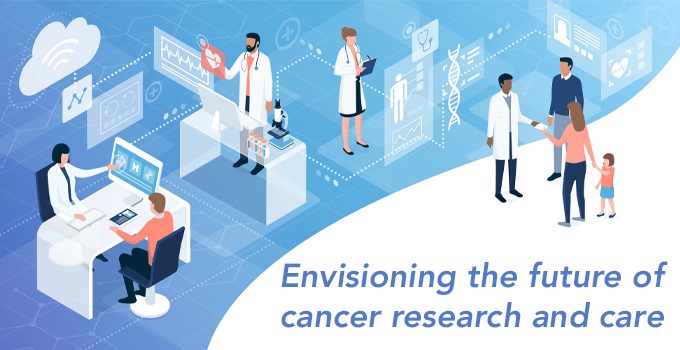
OICR focuses on translating cancer research discoveries and transforming cancer care. Achieving this mission, however, is dependent on a myriad of factors beyond scientific research and development. Social, political, technological, economic and environmental factors all may play a role in driving the future of cancer research and care in Ontario and beyond.

As part of the process to develop its 2021-2026 Strategic Plan, OICR partnered with Dr. Peter Bishop, Professor Emeritus at the University of Houston, professional futurist and President of Strategic Foresight and Development, to investigate the possible futures of cancer research and care in Ontario and around the world. OICR plans to launch the 2021-2026 Strategic Plan in April 2021.

Read the full report in Foresight.

With the help of leaders from research institutes, hospitals and the public sector across Ontario, 20 key drivers were identified that may significantly affect the future of cancer, including an aging population, innovations in quantum computing and the growing focus on holistic health. The group then designed and evaluated potential future scenarios and derived four main insights that were used to inform OICR’s 2021-2026 Strategic Plan:

Data dilemmas
While health-related datasets continue to grow and new sources of data emerge, standards around data gathering, monitoring, integration, sharing and implementation remain unclear. These parameters affect how the cancer community implements precision medicine for people living with cancer. Through its 2021-2026 Strategic Plan, OICR’s computational biology and informatics research programs will continue to develop essential data tools and apply responsible data sharing standards, while strengthening Ontario’s global leadership in health data integration and federation through initiatives such as the Global Alliance for Genomics and Health, the International Cancer Genomics Consortium Accelerating Research in Genomic Oncology, Canada’s Digital Health and Discovery Platform, and the Ontario Data Integration Network.

Powerful patients
Integrating the perspectives of patients into research is becoming increasingly important to ensure that research ultimately leads to patient benefit. Over the next few decades, patients will increasingly have access to more information and misinformation, challenging the research and health communities to ensure patients receive the information they need to make informed decisions. To address these challenges, OICR will foster and grow meaningful partnerships with patients and caregivers to integrate patient values into OICR priorities. OICR is currently developing a Patient Family Advisory Council, which will advise on OICR’s patient partnership initiatives.

Funding fragility
As the cost and urgency of cancer drug development continue to increase, alternative funding for research and translation may become necessary. This challenge has become more apparent as the world looks to recover from the socio-economic impacts of the coronavirus pandemic. OICR will continue to strengthen partnerships within the cancer ecosystem over the next five years, to attract further investment in cancer research and innovation to Ontario. OICR will also build health services research expertise into critical research programs to evaluate the costs and benefits of emerging interventions to support the path between discovery and patient care.

Teetering trust
Trust between stakeholders in the cancer system – including patients, families, researchers and clinicians – is critical to progress in cancer research. Trust is imperative to data gathering, sharing and processing, and these data are necessary to make cancer detection and treatment more precise. Through the 2021-2026 Strategic Plan, OICR aims to work together with partners to ensure we remain and become an even more trusted custodian of patient data and scientific information to support high quality translational research, bridging the lab to the clinic.

“Our mission is based on translating cancer research discoveries to transform cancer care,” says Dr. Rebecca Tamarchak, Senior Director of Strategic Planning and Governance. “Integrating foresight into our strategic planning process is our way to proactively anticipate the future in order to develop a nimbler strategy.”

The strategic foresight workshop, which was hosted in late 2018, kicked off OICR’s multi-phase strategic planning process. The process, led by Tamarchak and OICR’s President and Scientific Director, Dr. Laszlo Radvanyi, has incorporated insights from extensive consultations with OICR staff, collaborators and the community.

“This strategic foresight study has reinforced the importance of enduring partnerships across the cancer research community and we look forward to strengthening those relationships over the next five years to maximize our impact on cancer patients and the Ontario economy,” says Tamarchak. “We’re excited to bring the 2021-2026 Strategic Plan into action.”

What we learned at the recent OICR-JLABS cell therapy symposium

OICR and Johnson & Johnson Innovation – JLABS @ Toronto launch the OICR-JLABS Cancer Symposium Series, featuring leaders, innovators and trail blazers in cell therapy

On January 28, OICR and JLABS @ Toronto hosted the inaugural symposium of their Cancer Symposium Series, focused on horizons and controversies in cell therapy for cancer treatment. Invited speakers from around the world took a deep dive into the promise of gene therapy and the key challenges that they’re working to overcome.

The event was hosted by the Regional Head of JLABS Canada, Allan Miranda, and OICR’s President and Scientific Director, Dr. Laszlo Radvanyi. Guest speakers included Dr. James Yang from the National Cancer Institute, Dr. Emily Titus, Vice President at Notch Therapeutics, and Dr. Michael Maguire, CEO of Avectas.

Event recap

  • Dr. Yang reviewed the notable advancements made in Adoptive T cell Therapy (ACT) for certain cancers, like melanomas. Despite these advancements, he emphasized the importance of further research since most of the common cancers that kill people have yet to be addressed using immunotherapy. His presentation outlined some key scientific and biological challenges in developing effective ACT for epithelial cancers, highlighting that epithelial cancers, which represent the vast majority of cancer cases, have a lower mutational burden relative to melanomas, often have a limited number of tumour-infiltrating lymphocytes, and are difficult to mimic in experimental models.
  • Dr. Titus presented Notch Therapeutics’ platform for generating T cells and other immune cells from stem cell lines. The team at Notch, which has expanded from Toronto to Vancouver and Seattle, is leveraging their platform to build a pipeline of sophisticated T cell therapeutic products.
  • Dr. Maguire shared Avectas’ automated GMP engineering platform, SOLUPORE, which is built to enable the ex-vivo manufacture of gene modified cell therapy products. He emphasized the importance for improved complex engineering solutions to address solid tumours.

The event highlighted the potential of cancer cell therapy and the technologies that will advance the field of cell therapy in the future. The event recording can be accessed here.

If you would like OICR event invitations and news delivered directly to your inbox, please subscribe here.

OICR-led research well represented in Nature Communications’ editor’s selections

The high-impact, open-source journal Nature Communications has published an editor’s selection of interesting, recently published studies that “significantly move forward the rapid evolving field of cancer research”. OICR is prominently featured with eight of the 41 studies selected having an OICR senior researcher as an author. Many of the highlighted findings stem from the Pan-Cancer Analysis of Whole Genomes project, an unprecedented global collaboration led in part by OICR that generated the most comprehensive map of cancer genomes charted to date.