How an optimization algorithm can help Ontario detect opportunities for better cancer care

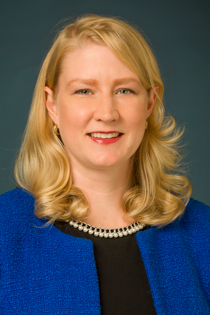
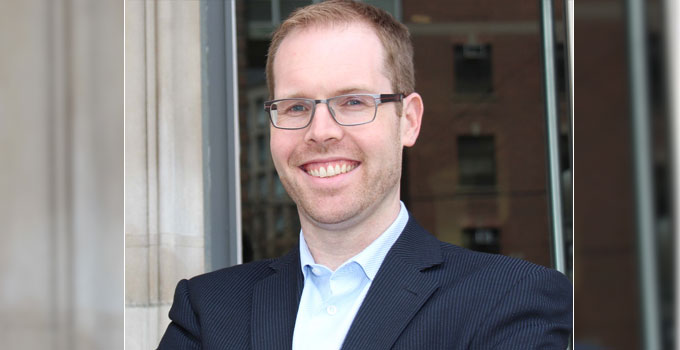
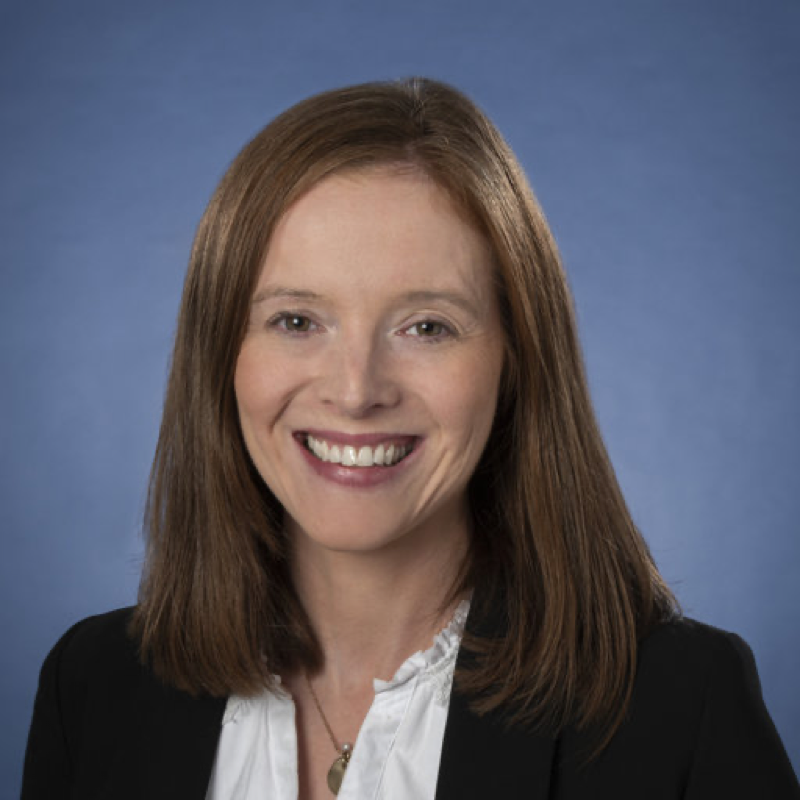
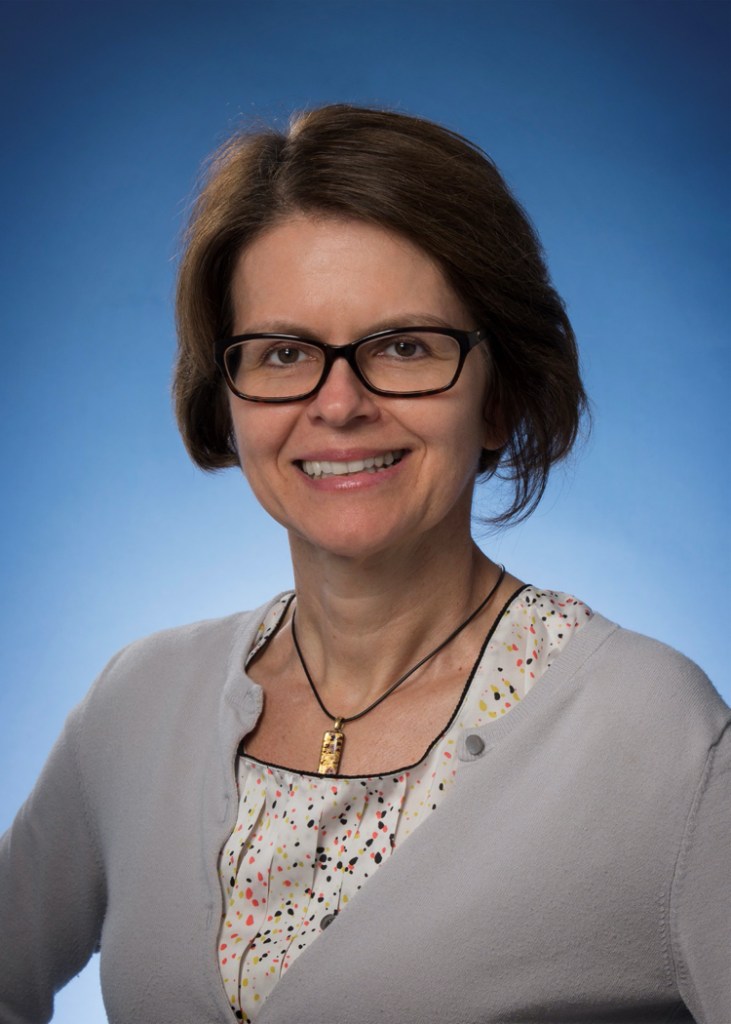
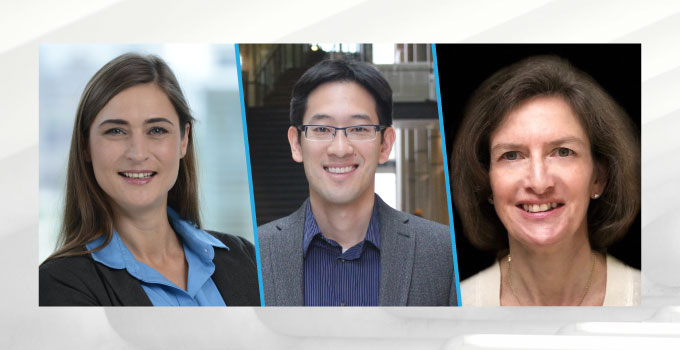
Drs. Katharina Forster, Timothy Chan and Claire Holloway.

Research team develops a Google maps-like algorithm to pinpoint when cancer patients may diverge from the standard course of treatment

Every cancer patient’s experience is unique but there are standard sequences of steps that help patients and their care teams navigate through screening, diagnosis, treatment and monitoring. These steps are published in pathway maps but are these maps followed in practice? Researchers supported by OICR’s Health Services Research Network, led by Drs. Timothy Chan and Claire Holloway, are working to answer that question.

Chan and collaborators at Ontario Health have developed new methods to measure the difference between a standard clinical pathway map and the actual care that a patient receives in practice. They leveraged real-world health data from Ontario patients to develop these methods, which could potentially be used to identify targets for quality-improvement initiatives.

“Pathway maps help optimize patient survival, healthcare costs and wait times at a population level,” says Holloway, co-principal investigator of the project and Provincial Clinical Lead of Disease Pathway Management (DPM) at Ontario Health.

“We have now derived a way to measure the alignment between actual care and the care described in a pathway map, analogous to measuring how a driver’s route differs from the Google Maps-suggested route,” says Chan, co-principal investigator of the project, Professor at the University of Toronto and Canada Research Chair in Novel Optimization and Analytics in Health.

To address this challenge, the team based their algorithm on an inverse optimization framework, a type of framework used to solve problems across a variety of disciplines, including telecommunications routing, medical radiation therapy planning, and investment portfolio management.

The research team first applied their methods to stage III colon cancer patient data and is now applying their methods to breast cancer care. The ultimate goal would be to use these methods across different cancer sites and potentially different diseases to help promote and implement best practices along the care continuum in Ontario’s healthcare system.

“We’re proud to apply our framework at a large scale to help provide meaningful quantitative measures of system efficiency and variation,” says Chan. “It’s exciting to see that these methods could allow Ontario Health to monitor and evaluate complex practice patterns at a population level.”

“Variations between a patient’s experience and the standard clinical pathway map isn’t necessarily a bad thing but it may prompt us to investigate further,” says Dr. Katharina Forster, Team Lead of DPM at Ontario Health. “We can look into why, when and where the variation is occurring.  In this way these new methods and tools are allowing us to generate hypotheses about the causes of variation so we can better understand our care practices, make data-driven decisions and ultimately improve our cancer care system.”

“Ultimately, we’re looking to measure, monitor and improve our system across the province,” says Holloway. “Our rich data in Ontario and our capabilities in machine learning are outstanding. Thanks to OICR, we can bring these disciplines together to make a positive impact on our health system.”

The Health Services Research Network is co-funded by OICR and Cancer Care Ontario, now part of Ontario Health.

Study finds that every month delay in cancer treatment can raise risk of death by around 10 per cent

Research led by Dr. Timothy Hanna suggests that minimizing delays to treatment could improve cancer survival rates

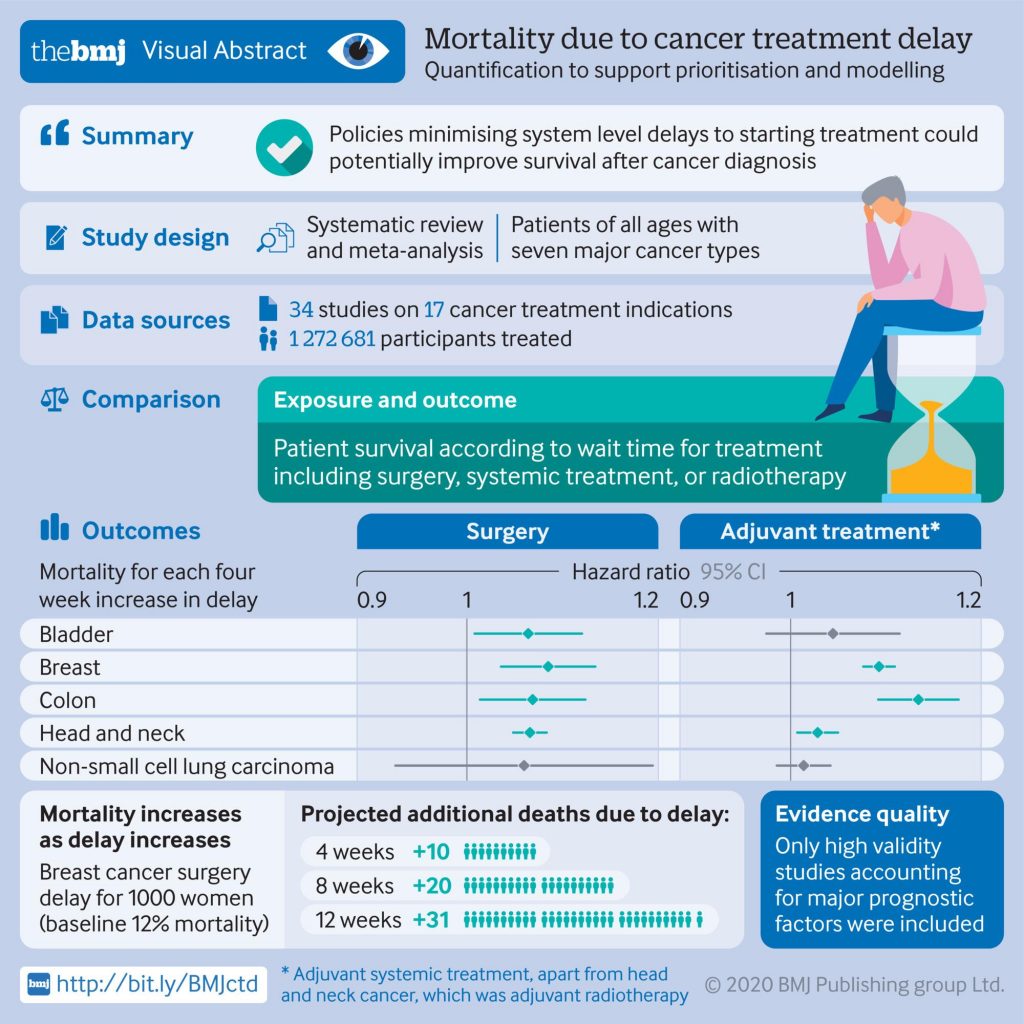
Many countries have needed to defer cancer surgeries, radiotherapy and other treatments through the COVID-19 pandemic, which has brought the impact of treatment delays into sharp focus. In a study published today in The BMJ, Dr. Timothy Hanna and collaborators report that people whose cancer treatment is delayed by even four weeks have in many cases a six to 13 per cent higher risk of dying – a risk that keeps rising the longer their treatment does not begin.

“We know that delay matters and now we understand how much it matters,” says Hanna, Radiation Oncologist at the Cancer Centre of Southeastern Ontario, Faculty of Queen’s Cancer Research Institute, OICR Clinician Scientists and lead of the study. “With these data, we can now quantify the impact of treatment delays – including those that we’re experiencing now throughout the COVID-19 pandemic.”

The research group reviewed and analyzed relevant studies from around the world that were published over the last two decades. They found that there was a significant impact on a person’s risk of death if their treatment was delayed, whether the treatment was surgical, chemotherapy or radiotherapy. They observed this impact across all seven types of cancer analyzed – breast, bladder, colon, rectum, lung, cervix and head and neck cancers.

For example, with cancer surgery, they saw a six to eight per cent increase in the risk of death for every four-week treatment delay, meaning that a three-month delay could increase the risk of death by about 25 per cent. The impact was even greater for specific treatments – such as bowel cancer chemotherapy – where a three-month delay could cause a 44 per cent increase in risk of death.

“As we move towards the second COVID-19 wave in many countries, the results emphasize the need to prioritize cancer services including surgery, drug treatments and radiotherapy as even a four-week delay can significantly increase the risk of cancer death,” says Dr. Ajay Aggarwal, co-lead of the study from King’s College London and the London School of Hygiene and Tropical Medicine.

Hanna hopes this study will help inform cancer treatment backlog management and prioritization. His prior work on prioritizing treatment during COVID-19, published in Nature Reviews Clinical Oncology, has been incorporated into health system planning and management in Ontario and around the world.

“The impact of cancer treatment delays will persist long after the threat of this pandemic subsides,” says Hanna. “As a clinician, a patient, an administrator or a decision-maker in our cancer care system, these results should encourage us all to put resources and efforts in place to minimize system level delays in cancer treatment.”

Trove of patient-reported data offers path to improve cancer symptom management

OICR-supported research study investigates the symptoms experienced by patients undergoing lung cancer treatment using a decade’s worth of data

In 2010, the Edmonton Symptom Assessment System (ESAS) was rolled out in all cancer centres in Ontario to improve cancer symptom management. ESAS allows patients to self-report on the severity of nine common cancer-associated symptoms throughout their treatment, enabling their care team to better monitor symptoms in real time. The data from the initiative was collected in a central repository over the past decade and now Drs. Natalie Coburn and Alexander Louie, among other researchers, are tapping into the data to study how lung cancer patients feel and how their symptoms are managed.

Dr. Natalie Coburn.

“This initiative represents a shift towards greater focus on symptoms of cancer and patient quality of life,” says co-lead investigator Dr. Natalie Coburn, Senior Scientist in Evaluative Clinical Sciences and Surgical Oncologist at Sunnybrook’s Odette Cancer Centre. “We believe that improving symptom management through cancer care is important, not only for supporting the patients themselves, but also for building a more efficient and effective healthcare system.”

Through their preliminary analyses, they’ve discovered key insights that may help guide their future research into lung cancer symptom management. They observed that symptoms often improve over the course of treatment but worsen late in disease progression. Early results also debunk the common misconception that nausea is a universal and pervasive side effect of chemotherapy treatments. The thought of having severe nausea can cause stress for a lot of patients, but knowing it may not be as severe as they think can be a big deciding factor when clinicians discuss their choices of care. They found that tiredness and fatigue are often much more common than nausea, but symptoms are generally not as severe as patients expect.

Dr. Alexander Louie.

“With this real-world dataset, we can focus in on exactly when patients are feeling worse and find new ways to help patients feel better throughout treatment,” says co-lead Dr. Alexander Louie, Scientist in Evaluative Clinical Sciences and Radiation Oncologist at Sunnybrook’s Odette Cancer Centre. “Our research is helping discover new areas of improvement so that ultimately, we can develop and implement interventions to better support symptom management.”

The research team is now in the process of meeting with patient groups and collaborators to establish priorities for future analyses.

“We have a strong, multi-disciplinary team working on this initiative including clinicians, analysts and patients who each bring their own expertise to the table,” says Victoria Delibasic, a lead Research Coordinator of the team. “We’re proud that this research is empowering the community to help people with cancer thanks to the real-world data from those who have lived through similar experiences.”

OICR Senior Investigator Dr. Trevor Pugh named one of Canada’s Top 40 Under 40

Trevor Pugh
Dr. Trevor Pugh.

Dr. Trevor Pugh, OICR Senior Investigator, OICR Director of Genomics and Senior Scientist, Princess Margaret Cancer Centre has been named a Recipient of Canada’s Top 40 Under 40 for 2020.

The annual award was founded by Caldwell and recognizes 40 exceptional Canadian leaders who are visionaries, creative problem-solvers, inspire others, give back to the community and are under the age of 40.

Pugh and his fellow awardees were selected from over 900 nominees by an independent advisory board, comprising more than 25 business leaders from across Canada. Honourees were chosen on four key criteria: vision and innovation, leadership, impact and influence, and social responsibility.

When told that he had won, Dr. Pugh was elated.

“I could not believe it,” he said. “I’m tremendously excited. I really look forward to connecting with the Top 40 Under 40 community. It is very gratifying to see genome science and translational science – which has a direct impact on patient care – be recognized as an important field along with business luminaries.”

Pugh is a world-leading cancer genomics researcher and molecular geneticist whose mission is to use comprehensive genomic profiling and molecular technologies to guide the treatment of patients.

After receiving a PhD in medical genetics from the University of British Columbia, he did further postdoctoral work at Harvard Medical School, Broad Institute of Harvard and Massachusetts Institute of Technology (MIT), as well as the Dana-Farber Cancer Institute.

He leads a multidisciplinary lab with 24 staff and trainees, and oversees 55 research staff at one of the largest genomics facilities in Canada at OICR and the Princess Margaret Cancer Centre. He is also an Associate Professor in the Department of Medical Biophysics at the University of Toronto.

Pugh is listed on the 2019 Highly Cited Researchers List by Clarivate Analytics. This list recognizes researchers whose published work has ranked in the top 1 per cent by citations of other researchers the world over.

He has also developed novel genomics technologies, including a new method which assesses and monitors if immune cells have been activated to fight cancer cells. 

“I congratulate Trevor on being named to the prestigious Canada’s Top 40 Under 40. Through his cutting-edge research and leadership, Trevor is creating a future in which genomics are a routine part of cancer detection and precision treatment,” says Dr. Laszlo Radvanyi, President and Scientific Director, OICR. “Through his work at OICR I have seen firsthand Trevor’s outstanding commitment to his field, the collaborative and transparent spirit in his work, and his heartfelt desire to improve the lives of those with cancer.”

As a clinical molecular geneticist, genome scientist, and computational biologist, Pugh’s goal is to bring cutting-edge genomic technologies into routine use in cancer clinics – especially vital as the latest cancer treatments are increasingly based on genetic information.


Known widely for his leadership of numerous cancer genome research projects, Pugh’s expertise in clinical genomics has been foundational to the launch of the national Terry Fox Marathon of Hope Cancer Centres Network, which has become the nation-wide focal point to accelerate precision medicine for cancer. The Network will unite top-tier researchers and clinicians to test cutting-edge technologies in the clinic, share data and results for each cancer patient in Canada and provide access to any clinical trial – no matter where patients live.

This will give us a true and accurate representation of cancer as it occurs in populations across Canada, says Pugh, and will help us get answers to questions such as:

“How often does this genetic change occur in the population? What treatments did cancer patients get that worked best for specific or rare molecular cancer subtypes?

“We have no way of knowing or asking for that information now.”

Pugh’s research is also focused on detecting cancer as early as possible – even before it is diagnosed.

While screening tests exist for some cancers – such as mammography, colonoscopy and prostate specific antigen – most cancers do not have a non-invasive, early screening option.

“That is worrisome for people, especially those at high-risk for less frequent but lethal cancers,” says Pugh. “We want to change that using annual blood tests. The vision is early cancer screening for everybody, for every cancer type.”

With OICR’s support, Pugh and co-lead Dr. Raymond Kim of the Princess Margaret Cancer Centre are leading CHARM, a study that will test the blood samples of people without cancer to look for early traces of the disease. Data from this study will help scientists track how blood and immune systems change as people develop cancer, and how different environments and stressors affect the cancer risk.

“If we want to increase the speed at which patients can benefit from new treatments, we have to promote cross-training between everyone in healthcare: clinicians, scientists, computer whizzes, lab technologists, patients,” says Pugh. “We urge everyone to step outside their comfort zones, work together on a science project, learn a new skill and to collaborate!”

Adapted from an original post by the University Health Network.

Advancing academic cancer clinical trials: Presenting 3CTN’s 2019-2020 Annual Report

This year, more than 5,700 people with cancer received innovative treatments or interventions through participating in clinical trials supported by the Canadian Cancer Clinical Trials Network (3CTN). Today, 3CTN has published their 2019-2020 Annual Report, highlighting their progress made towards enhancing the impact of academic cancer clinical trials across Canada. The report marks the midpoint of their strategic plan for 2018-2022.

Highlights of the report include feature articles on:

  • How 3CTN has boosted recruitment for their supported trials by nearly 130 per cent, surpassing all expectations and targets;
  • New Network initiatives such as improving trial options for children and people outside of urban areas;
  • The tools and technologies that are streamlining and standardizing clinical trial management;
  • The patient representatives who play a key role in the success of the Network.

Read the report.

OICR team awarded $300,000 to expand cancer research software tools for more researchers, new disease applications and greater impact

OICR’s Genome Informatics team receives federal funding from Canada’s National Research and Education Network to expand Overture, an open-source software suite for big data genomic research

Software tools are key to turning big data into discoveries in science and medicine. Reusing existing software accelerates the pace of discovery and can maximize the impact of public funding for research but only if the software is accessible and useable.

Today, Canada’s National Research and Education Network, CANARIE, announced their support of 12 teams across Canada as they adapt their existing research platforms for re-use by other research teams. With this funding, the OICR Genome Informatics team will evolve the accessibility and functionality of Overture, their software suite for big data genomic research.

“Our team has a longstanding commitment to the community,” says Dr. Christina Yung, Director of Genome Informatics. “We want to maximize the impact with the resources we have, which means focusing on key challenges and making our tools the most useful for the research community. This funding will allow us to do just that.”

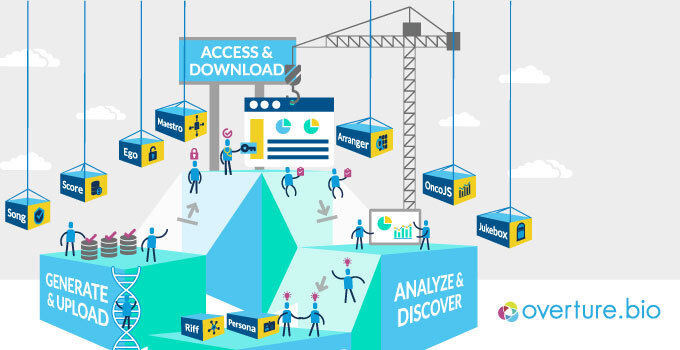
Overture is a software suite of customizable and extendable tools for big data genomic research. One of Overture’s key products allows research teams to store and distribute genomic datasets while providing an authentication and authorization system for secure and safe data sharing. Overture also provides user-friendly portals for browsing and querying data, which was developed as part of the International Cancer Genome Consortium (ICGC) and the European-Canadian Cancer Network (EUCANCan).

CANARIE’s support will allow OICR’s team to simplify Overture installation and configuration, provide additional authentication functionality and improve the customizability of the data portal.

“With this support, we will add new features to increase adoption by new research teams,” says Yung. “The hope is to enable research teams from across Canada and around the world to re-use the software that we developed and accelerate their own discoveries. We’re grateful for how the community has contributed to our research through sharing open-source software and we’re proud to give back.”

“The ability to connect, share data and work collaboratively with researchers from across Canada and the world is a priority for our government,” said the Honourable Navdeep Bains, Minister of Innovation, Science and Industry Default Title →. “Today’s funding will help accelerate Canadian discoveries by making it easier for our researchers to find, access, and reuse data with collaborators across the country and around the world.”

Q&A with Morgan Taschuk, OICR’s new Director of Genome Sequence Informatics

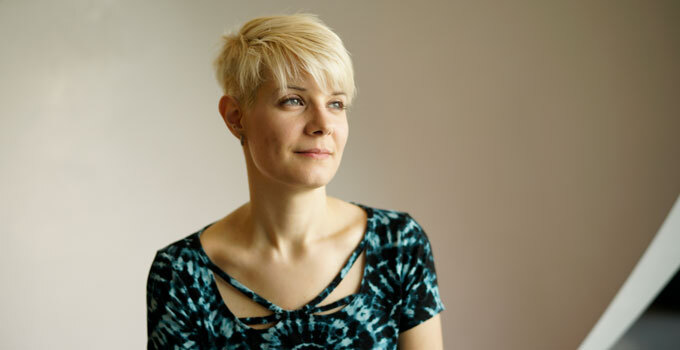
Morgan Taschuk, OICR’s Director of Genome Sequence Informatics (JP Moczulski/CP Images).

Morgan Taschuk reflects on a decade of supporting critical cancer research and on her new role as OICR’s Director of Genome Sequence Informatics

Cancer genomics research depends on infrastructure and analysis tools that collect, process, analyze and annotate vast quantities of valuable sequencing data. Behind these systems at OICR is a team of individuals dedicated to enabling cancer research discoveries. OICR is proud to announce that Morgan Taschuk will now lead this essential team as Director of Genome Sequence Informatics (GSI).

Here, she reflects on her new role and her outlook on the next few years.

Your behind-the-scenes work is essential to the cancer research we do at OICR. How would you describe your work?

Our team makes sequencing data analysis and management easier for researchers and clinicians in several different ways. We create and maintain the infrastructure and computational tools that researchers need to process, analyze and annotate sequencing data, so they can spend their time working on other challenging research questions.

GSI also offers expert bioinformatics support services directly to researchers to collaborate on challenging research projects. In addition, OICR Genomics is pursuing clinical accreditation this year and so we have a team of clinical genome interpreters who can issue reports on a patient’s unique genome. There’s a lot going on!

How has your work evolved since you’ve been at OICR?

I began at OICR nearly a decade ago, when most of our bioinformatics work was custom for every project, and our sequencing instruments produced a fraction of the data of instruments today. Any kind of automation was quite limited and the amount of analysis we could scale up was limited by the number of people we could hire. Back then, the biggest projects were analyzing human whole genomes for research and participating in international consortia.

In the last nine years, I’ve seen us scale up our sequencing and analysis capabilities, expand a fantastic team of highly educated experts from computer science through data analysts to clinical genome interpreters, and reinforce our reputation of excellence in bioinformatics and computational biology. We’re doing everything we were doing a decade ago plus much more. We sequence single cells, cell free and circulating tumour DNA, analyze immune profiles, participate in international consortia like ICGC-ARGO, contribute to SARS-CoV-2 projects, and will soon produce clinically accredited genome reports, all while still sequencing whole genomes for research.

Today, our team oversees around two petabytes of data, and runs about 3,000 workflows and about 1.8 terabytes of analysis, per day. Genome Sequence Informatics is a team of about 20 people, including bioinformaticians, software developers and engineers, currently supporting 155 research projects – and their resulting research discoveries – each year.

As the Director of Genome Sequence Informatics, what are you most looking forward to?

This new role allows me to focus on the bigger picture rather than on technical challenges. I see this as an opportunity to unify efforts across teams, departments, and across the institution. For example, if one team that we support is doing a task differently than another, I can help bring them together to work towards a common solution for everyone so we can learn from each other, maintain more consistent quality control, and make the best use of the resources and funds we have. I’m looking forward to more productive interactions with the phenomenal teams at OICR and with other organizations around the country and world.

What are your top priorities over the next couple of years?

My goal over the next few years is to share what we’ve created with the community while growing our network. We’ll continue to create solutions to fulfill the evolving needs of researchers and clinicians. We’ll continue to publish our code so other bioinformaticians can confirm what we’ve done and start their own analysis pipelines. We’ll publish protocols and guidelines that we’ve created for our clinically accredited analysis as well as our core assays. And we’ll share our challenges and solutions with the community so we can build on our collective expertise. In addition, we’ll reach out to other teams and organizations to collaborate and learn from them. The bioinformatics, software development, and clinical genomics communities have vast knowledge that we want to take advantage of, improve and share.

The next couple of years for GSI are going to be about collaborative, open science so the scientific and clinical communities can all benefit from the progress made by Genome Sequence Informatics and OICR as a whole.

Clinical study simplifies precision medicine for pancreatic cancer patients

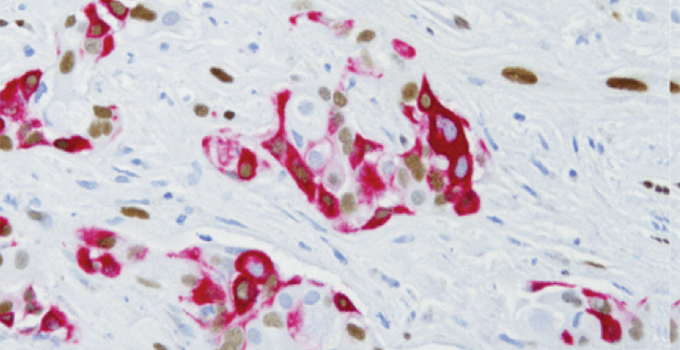
Liver biopsy image from a patient with metastatic pancreatic ductal adenocarcinoma. Dual immunohistochemistry reveals expression of GATA6 (brown) or CK5 (magenta) in distinct cells within the same neoplastic glands. (Credit: Clinical Cancer Research)

OICR-supported researchers discover new way to match advanced pancreatic cancer patients with the most appropriate treatment for their disease

Over the next 10 years, it is expected that pancreatic ductal adenocarcinoma (PDAC) will become the second leading cause of cancer-related deaths in North America. Precision medicine for PDAC is dependent on understanding which cancers will respond to treatment and which will not, but progress in this space has been limited by challenges including the complexity and severity of the disease. With more than 10 years of clinical and genomic data from the COMPASS trial, OICR-supported researchers have recently discovered a new, simplified way to match patients with the most appropriate treatment for their disease by measuring the expression of two genes, GATA6 and Keratin 5. Their discovery was recently published in Clinical Cancer Research.

Dr. Grainne O’Kane

“Even with current chemotherapies, patients diagnosed with PDAC have a median survival of one year,” says first author Dr. Grainne O’Kane, Medical Oncologist at the Princess Margaret Cancer Centre. “This work is dedicated to extending the lives of these individuals.”

The study group discovered that by measuring the expression of GATA6 and Keratin 5 in a patient’s tumour sample, they can differentiate subtypes of advanced pancreatic cancer. The different subtypes of the disease tend to respond to treatments differently, so clinicians and patients could potentially use this information to help guide treatment selection.

More specifically, the group showed cancers with low GATA6 expression and high Keratin 5 expression tend to be resistant to mFFX, one of the usual chemotherapy regimens. The study highlights the need for new, effective treatments for these patients.

Dr. Sandra Fischer

“To discover these specific genes, we used sophisticated sequencing and in-depth analyses, but what we’ve found is that this classification can be done using simpler, widespread pathology techniques,” says senior author Dr. Sandra Fischer, Staff Pathologist at University Health Network. “This is promising because these discoveries can be easily applied in the clinic, and translated into patient care.”

The article was selected by Clinical Cancer Research to be highlighted on the front cover of the September 2020 issue and featured as one of the Issue Highlights.

Through the COMPASS trial, the researchers plan to further evaluate and validate this classification technique.

“I’m proud to be part of this team,” says Fischer. “Every step we take is a stride forward towards more precision and effective treatment for patients with this devastating disease.”

In December 2015, PanCuRx launched a clinical trial called Comprehensive Molecular Characterization of Advanced Ductal Pancreas Adenocarcinoma for Better Treatment Selection: A Prospective Study (COMPASS). The trial is designed to show that the sequencing of pancreatic tumours can be performed in a clinical setting and results delivered within a clinically-relevant timeframe to help guide treatment for individual patients. Read more on the latest COMPASS findings.

Q&A with new OICR Investigator Dr. Anastasia Tikhonova on tackling cancer cell cross-talk and adapting in a rapidly evolving field

OICR welcomes Dr. Anastasia Tikhonova to Toronto as an OICR Investigator and Scientist at the Princess Margaret Cancer Centre

The pandemic has compelled many people to adapt, and researchers are no exception. For Dr. Anastasia Tikhonova, adapting has always been an essential part of her career.

Tikhonova recently joined the OICR community as an OICR Investigator working at the Princess Margaret Cancer Centre. Her research focuses on hematological malignancies – or blood cancers – and how the environment around these cells can regulate their growth or help them resist standard treatments. Her research in this area will support the development of new cancer therapies that can ultimately help patients live longer and healthier lives.

Here, she describes her research program and why this community is a great place for her.

What is your research all about?

AT: Cancer cells do not exist in isolation. They are surrounded – and influenced – by their healthy neighbouring cells. For a long time, we didn’t fully understand the interactions between a cancer cell and its surrounding environment and how this dialogue impacts tumour growth. The last five years have significantly advanced imaging and genomic technologies that allow us to precisely decode the cross-talk between diseased cells and their environment – or their niche.

This is what my research is all about. My team uses single-cell transcriptomics, high-resolution imaging, and functional genomics to understand the connection between the complex elements in the bone marrow and cancer. Our goal is to untangle these connections and devise new strategies to target the interaction between leukemic cells and their environment, with the goal of eliminating blood cancers.

What got you interested in this space?

AT: I was fascinated by biology as a child. I remember learning about evolution in my first biology class in the fifth grade – I have been hooked ever since! I love being in the lab. I am exhilarated by seeing results for the first time and being able to connect the dots between different experiments. When I recognize a gap in my understanding, I feel compelled to learn more. This is how I became interested in the stem cell niche and leukemic microenvironment. As a Postdoctoral Fellow, I was fortunate to have had the opportunity to work in a top hematopoietic lab where I started to scratch the surface of understanding the niche’s molecular architecture, but many questions remain. Continuing this line of inquiry, I look forward to translating my findings into innovative therapies here in Ontario.

Why did you choose to come to Ontario?

AT: Princess Margaret is one of the top cancer research centres in the world. During my recruitment I had an amazing experience interacting with the faculty and trainees here. They were highly engaged and asked great questions, indicating a rich intellectual environment. Since most of my ideas come to me when I am working with others, this is the ideal place for my young lab to grow intellectually. Plus, the people here are genuinely supportive. My move was delayed due to COVID, but everyone here has been exceptionally helpful.

How has COVID impacted your work?

AT: An important trait to have as a scientific researcher is agility or the ability to quickly adapt to changing environments. Furthermore, COVID made me realize that nothing can shake my enthusiasm for starting a research group.

As a result of pandemic, I think people have become more open to collaboration. In some ways, online communication has leveled the playing field, bringing geographically distant researchers into the same space as colleagues accustomed to side-by-side interactions.

I also think COVID has brought science into public view. For the first time in my life, I hear immunology terms on the morning news. I’m excited by the prospect of biomedical research being a common discussion topic.

Does your work apply to other diseases?

AT: Yes, it does. I have a specific focus in a rare form of leukemia, called T-ALL. My research applies to other cancers as well. Insights from one disease can often guide our understanding of other malignancies.

Notably, my research in the regenerative medicine space of the bone marrow niche has the potential to impact thousands of patients treated every year with bone marrow transplantation. Additionally, if we can better understand how to regenerate the bone marrow microenvironment, we could bring a whole new treatment paradigm to patients with a wide spectrum of benign and malignant diseases. At the end of the day, this is what it’s all about.

Learn more about Dr. Anastasia Tikhonova.

Scientists discover mechanism of bone loss caused by acute lymphocytic leukemia, identify targeted therapy for children

Two young girls play in a pile of autumn leaves.

OICR-supported research team discovers new pathway through which leukemia cells damage bone and a treatment that may protect children with leukemia from these effects

Due to remarkable progress in the treatment of pediatric leukemias with multi-drug chemotherapy, upwards of 85 per cent of children with the disease survive. One consequence of this success, is that more than a third of these patients suffer from in-bone fractures and pain during leukemia and for years following their treatment. In a recent study, Ontario researchers at the Hospital for Sick Children (SickKids) have discovered a process by which leukemia cells damage bone and discover that a targeted therapy may be able to prevent this damage.

In their study, published in Science Translational Medicine, the research group discovered that the bone degradation in leukemia patients is triggered by a protein called RANKL on the surface of the leukemic cells interacting with receptors called RANK on the surface of bone-degrading cells. The group showed that a drug, which is similar to one that is currently in clinical trials for other cancers, could specifically block this RANKL-RANK interaction and prevent further bone damage.

“A pan-Canadian study demonstrated that 15 per cent of children display bone fractures at the time they are diagnosed with acute lymphocytic leukemia, or ALL,” says lead author Dr. Jayne Danska, Senior Scientist in the Genetics & Genome Biology program at SickKids and Associate Chief, Faculty Development and Diversity at the SickKids Research Institute. “In addition, standard ALL chemotherapy protocols include corticosteroids which further damage the bone. Survivors of childhood ALL experience fractures and pain, and some cases are so severe that they require a hip replacement in their teenage years. We have discovered one mechanism that contributes to ALL-associated bone damage and a potential way to prevent it.”

To make these discoveries, first author of the study, Dr. Sujeetha Rajakumar, a postdoctoral fellow at SickKids, transplanted ALL cells from patient donors into experimental mouse models to examine the effect of leukemia cells on bone and how to disrupt the RANKL-RANK interaction. This so-called xenotransplantation method was pioneered by Dr. John Dick at the University Health Network’s Princess Margaret Cancer Centre.

Using these animal models, Danska’s group showed that treatment of the ALL-transplanted mice with a protein therapeutic that blocks the RANKL-RANK interaction prevented bone damage despite high number of leukemia cells in the bone compartments.

“There are clinical trials underway to test whether RANKL-RANK antagonists can prevent bone degradation in adults with metastatic prostate and breast cancers,” says Danska, who is also a Professor in the University of Toronto’s Faculty of Medicine. “The data we report in the human ALL transplant model is encouraging because the availability of clinical data with this class of drug can accelerate application of our discoveries to clinical trials in youth with ALL.”

“Children with leukemia sustain unbelievably rigorous and lengthy chemotherapy treatments,” says Danska. “We’re eager to bring our discoveries into clinical trials that may help minimize these painful and life-altering late effects of this disease.”

Danska and study collaborators Drs. Cynthia Guidos and Johann Hitzler of SickKids, and Drs. Mark Minden and John Dick of the Princess Margaret Cancer Centre are members of OICR’s Acute Leukemia Translational Research Initiative (TRI), which partially funded the study.

Read more about the Acute Leukemia TRI or more about OICR’s latest leukemia research news.