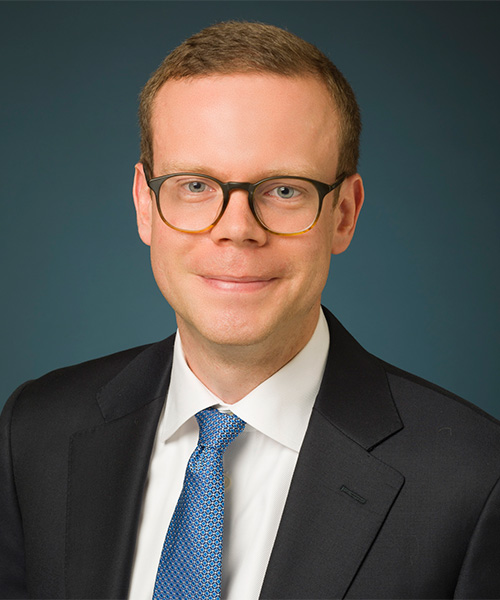
How cancer research can put patients first

OICR Investigator Dr. Bishal Gyawali and his Common Sense Oncology movement want to make cancer research and care more patient-centric

What matters most in cancer research?

For OICR Investigator Dr. Bishal Gyawali, the answer is simple: whatever matters most to patients.

“As researchers, we need to be asking if what we are investigating is what patients care most about,” says Gyawali, a Medical Oncologist and Professor at Queen’s University. “If it isn’t, we may need to rethink our priorities.”

In his research, Gyawali looks at cancer clinical trials themselves — the questions they ask, what they measure, and how they are reported. He also researches cancer policy, health economics and health equity. Though his studies are diverse, his overarching focus is ensuring patients and their needs are prioritized.

That’s why he co-founded Common Sense Oncology, a group of cancer researchers, clinicians, policymakers and patients advocating for a more patient-centric approach to cancer research and care.

The group recently held its fourth annual meeting this spring, and we took the chance to ask Gyawali about Common Sense Oncology and the latest from his own research.


What is Common Sense Oncology and how did it come about?

Common Sense Oncology is a movement of like-minded people who have noticed that cancer research and care don’t always address what matters most to patients. It started with myself and Dr. Christopher Booth at Queen’s University in Kingston. Our first meeting was in 2023 and included about 25 people from all over the world. Three years later, we have grown into an internationally recognized voice with high-profile publications and collaborations around the world.


How are clinical trials losing sight of what matters to patients?

Cancer patients want to live longer and live better, so their priorities are most often survival and quality of life. But a lot of clinical trials will focus on other outcomes when they evaluate a new cancer treatment. Trials will be considered a huge success if that treatment shrinks a tumour by a small percentage, without considering the impact on survival or the side effects patients may experience. Results also focus mostly on whether it was statistically significant rather than by how much patients’ lives improved. That’s not very patient-centric.

How do you describe the focus of your research?

My work involves a lot of different threads, but they are all in service of ensuring equitable access to cancer treatments that actually help patient. There’s an education component — I mentor young researchers and recently published a paper on how to critically appraise clinical trial reports that people have told me is helpful in understanding what trial results mean for cancer patients. Studying clinical trials themselves is another big part of my work, highlighting strengths and limitations in certain trials with an eye on patient priorities. I’m also focused on issues around access to cancer care like financial toxicity, for example, which we recently found is associated with poorer survival and quality of life. Most recently, I published in Nature Medicine about how toxicity reporting in cancer clinical trials can be misleading, and suggested ways to make it more balanced and objective.

What is one major shift you would like to see in cancer research?

I would like to see more trials focused on de-escalation, to explore whether patients could see the same results with lower doses of medications than the current standard of care. I recently published a paper on a different approach to de-escalation trials I believe could help more of these studies get traction. There is a lot of evidence that we are over-treating patients and it’s causing unnecessary side effects. If we can show that, for example, half the dose of a very expensive drug gets the same outcome, that could mean a better experience for patients and major downstream savings for the health system.

What can researchers to do make sure their studies are more patient-centric?

If the study is a phase 3 randomized control trial, they can follow the checklist my Common Sense Oncology colleagues and I published in the Lancet Oncology. It has guidance how to design trials, measure outcomes and report results in ways that are meaningful to patients.

More generally, researchers can start by asking themselves: what am I actually measuring, what does it actually mean for patients, and is it something that is ultimately important for their lives? Or better yet, ask patients those questions.
Ask a Cancer Researcher: Can we vaccinate against cancer?

Watch our latest “Ask a Cancer Researcher” video with Dr. Raymond Kim to find out how vaccines are being developed to prevent cancers in individuals living with Lynch syndrome, who are at a much greater risk of developing cancer.

New funding to bring cutting-edge cancer clinical trials closer to home for Canadians

The Canadian Cancer Clinical Trials Network, its member cancer centres, and partners continue their work to eliminate barriers to clinical trial access for Canadians with cancer

Content from the Canadian Cancer Clinical Trials Network

June 3, 2026 (Toronto) – The Canadian Cancer Clinical Trials Network (3CTN) today announced funding for six new projects that aim to overcome barriers that can make trial participation difficult and sometimes unfeasible for those living outside of major urban centres. Through applied use of the established Canadian Remote Access Framework for Clinical Trials (CRAFT), 3CTN funding is enabling these project teams to implement solutions that address challenges related to time, cost and local access to research opportunities.

Clinical trials play a vital role in the cancer care system, especially for patients who have exhausted standard treatment options. The CRAFT decentralized clinical trial model addresses the challenges faced by those living far from an active cancer centre trial site by using a hub‑and‑spoke “trial cluster” approach. In this model, the existing trial site provides central oversight and support for a local community health centre, enabling it to function as a satellite location that allows local patients to participate in more activities closer to home.

CRAFT was developed with support from the Canadian Partnership Against Cancer and through a collaboration of patient partners, clinical researchers, trial sponsors, healthcare institutions, research ethicists, and Health Canada representatives, all united by a shared commitment to advancing equity in accessing optimal cancer care options made available through clinical trial participation. Applied use of the CRAFT decentralized trial model creates more equitable access to clinical trials for all eligible patients in Canada by overcoming known regulatory, ethical, legal and logistical barriers.

Today’s newly announced projects are no exception, with some advancing the direct implementation of CRAFT while others are establishing enabling mechanisms to support its future deployment, such as the coordination of routine bloodwork and other tests to be done locally instead of necessitating travel to a trial site.

“My 9-year-old daughter was treated for acute myeloid leukemia at BC Children’s Hospital, and our family understands firsthand the importance of access to clinical trials. This funding will support applied use of an electronic consent process that patients and caregivers can participate in from home,” says Maura Cosgrave of BC.

“We are excited to support these teams that are poised to make a tangible difference for those with cancer in their respective regions,” says Dr. Janet Dancey, Scientific Director of 3CTN. “Where you live should not determine the cancer care you can access, and that includes clinical trials. Through CRAFT we are continuing to prove that while geographic and other barriers exist, they can be overcome through collaboration and ingenuity.”

“Expanding access to clinical trials is critical for improving cancer outcomes and advancing the Canadian Strategy for Cancer Control,” says Dr. Craig Earle, CEO of the Canadian Partnership Against Cancer. “By enabling participation closer to home, the CRAFT initiative helps address long-standing barriers and supports more equitable, inclusive research that reflects the diversity of people affected by cancer.” 

“CRAFT projects are making a real impact by opening the door to clinical trial participation to more Canadians with cancer and strengthening clinical cancer research in our country,” says Dr. Christine Williams, Acting President of the Ontario Institute for Cancer Research, which hosts the 3CTN Secretariat. “Eliminating barriers to trial participation will make cancer research more equitable and I laud and congratulate these research teams on their efforts to do so.”

About the Canadian Cancer Clinical Trials Network

3CTN is a pan-Canadian initiative to improve patient access to trials and the efficiency and quality of clinical trials activities in Canada. It provides support and coordination for a network of teams at cancer treatment centres and hospitals, enabling sites to improve their capacity and capability to conduct trials, while also increasing access to trials for patients.

Massive international clinical trial aims to answer a pivotal question in breast cancer screening

TMIST, co-led by Canadian researchers, is working to determine whether a newer form of breast imaging can better detect aggressive breast cancers.

The Tomosynthesis Mammographic Imaging Screening Trial (TMIST) is one of the largest breast cancer screening studies ever conducted, enrolling approximately 108,000 women across North America alone, including those participating at sites in London, Ottawa and Toronto. The randomized trial compares standard digital mammography with digital breast tomosynthesis, a three-dimensional (3D) imaging technology, to assess whether it can better identify the cancers most likely to become dangerous or lethal.

Dr. Martin Yaffe, a senior scientist at Sunnybrook Research Institute and Co-Director of the OICR Imaging Program, is a leader of TMIST and helped develop the technology being evaluated. “The real question is whether this technology can help us find aggressive cancers earlier, before they become more dangerous and when they can be treated more effectively.”

Digital breast tomosynthesis represents an evolution of traditional mammography, which has long been the global standard for screening. While standard mammography produces a two-dimensional image, tomosynthesis takes multiple low-dose X-ray images from different angles and reconstructs them into thin slices, creating a 3D view of the breast.

“Because tomosynthesis is three-dimensional, it gives us a better ability to distinguish a cancer from the surrounding tissue,” explains Yaffe. “Overlapping normal breast tissue can sometimes obscure tumours on standard mammograms, particularly in women with denser breasts. By separating the breast into layers, tomosynthesis helps radiologists see structures more clearly and we expect this trial to demonstrate the benefits of that for patients.”

Researchers are particularly interested in two potential benefits: detecting cancers that might otherwise be missed and reducing unnecessary follow-up imaging caused by what Yaffe calls “false alarms” – findings that initially look suspicious but are ultimately benign.

Although tomosynthesis is already in use in many centres, especially for post-screening diagnostic imaging, its use in routine screening remains limited in part because of the need for robust evidence of its benefit in this use. “We feel the jury is still out, and that’s what TMIST is all about,” says Yaffe “This randomized trial is allowing us to really home in on the question: does this technology make a difference?”

Canadian researchers and clinicians have played a central role in the development and execution of the trial and even conducted a lead-in study before the main TMIST trial began. This trial, supported by the Canadian Breast Cancer Foundation, included approximately 350 participants who fall outside of the age range for TMIST and gleaned early insights into tomosynthesis’ superiority to standard digital mammography in screening. Despite the limitations of this smaller study, Yaffe is encouraged by its results.

“This study suggests that there is indeed a benefit to using tomosynthesis over standard mammography in breast cancer screening and gives us further confidence that TMIST will show that tomosynthesis is a better modality,” he says. “Beyond its findings, the study also helped place Canada as a key contributor to TMIST and we’re proud of the role we’ve played so far.”

The numbers show that Yaffe is correct – Sunnybrook Health Sciences Centre in Toronto was the second-highest recruiting TMIST site worldwide, and four of the top six recruiting sites were in the country. “Canada punched way above its weight in this study,” he notes.

As TMIST progresses, its findings are expected to guide decisions about the future of breast cancer screening, informing whether tomosynthesis should become the new standard and how it can be integrated effectively into clinical practice.

For now, the study represents a critical step in ensuring that advances in breast imaging technology result in meaningful improvements for patients.

“As scientists we will allow the results to speak for themselves, but I am excited by the potential of the trial to be a tipping point in how we screen for breast cancer here at home and globally,” says Yaffe. “Catching more cancers earlier, particularly the aggressive ones, will mean more lives will be extended or saved and that treatments can be deployed when most effective and at a stage where less intense intervention is needed. These are wins for patients and families, our healthcare systems and for us as researchers as well.”

Newly funded projects to develop more effective drugs with fewer side effects for hard-to-treat cancers

OICR funding is leveraging Ontario’s drug discovery expertise to answer the call for improved treatment options

April 9, 2026 (Toronto) – Better cancer care depends on better treatment options. That’s why the Ontario Institute for Cancer Research (OICR) is supporting four Ontario-based research teams working to develop the next generation of cancer therapies that are designed to be more effective at destroying tumours, have reduced side effects, and make cancer less likely to return. These projects take aim at breast and ovarian cancers, a hard-to-treat form of leukemia, the most aggressive form of the most common childhood brain cancer and a ‘master regulator’ protein that plays a role in many different cancers.

OICR is giving these research teams a boost through its Cancer Therapeutics Innovation Pipeline (CTIP) program, by providing them collectively with $3.1 million over two years to help advance promising drug discovery research in Ontario.

“Side effects and drug resistance are some of the most serious problems that a person with cancer can face during their treatment,” said Dr. Lincoln Stein, Acting Scientific Director, OICR. “These CTIP grants are an important part of our efforts to make a tangible difference for patients in these areas by investing in these projects and their enormous potential.”

“Patients need faster access to new, cutting-edge therapies that offer better options and outcomes. Too many patients still face limited or ineffective treatments, or must endure severe side effects that seriously impact their quality of life,” said Terry Hawrysh, CTIP patient partner. “OICR funded CTIP grants play a valuable role in identifying solutions that could address these challenges through innovative discovery and eventual clinical use, and bring much needed hope to the cancer patient community.”

“Ontario-made research is saving and transforming lives,” said Nolan Quinn, Minister of Colleges, Universities, Research Excellence and Security. “Our government is proud to support the Ontario Institute for Cancer Research and applaud their Cancer Therapeutics Innovation Pipeline that ensures Ontario’s world-class researchers can keep developing live-saving cancer treatments that protect our loved ones.”

The new studies announced today bolster the growing portfolio of initiatives supported through OICR’s Therapeutic Innovation research theme. In addition to supporting therapeutics research through CTIP, OICR hosts one of Canada’s largest drug discovery programs and collaborates with institutions across the province to help bring transformative cancer therapies to patients faster.

Applications to CTIP undergo rigorous review by an expert panel from academia and industry, who also provide scientific and strategic guidance to awarded teams. Research groups funded through CTIP pursue innovative therapeutic approaches inspired by new insights into cancer biology. Through this they are delivering new ways to prevent the spread of cancer, minimize side effects for patients and overcome resistance to current treatments.

The awarded projects in this CTIP funding round are:

Inhibiting oncogenic transcription factor-cofactor interaction

Dr. David Andrews, Sunnybrook Research Institute

This project aims to drug a powerful cancer-driving “master regulator” protein that is linked to poor patient outcomes and currently has no approved targeted therapies. By breaking its interaction with a stabilizing partner protein—an approach inspired by recent successes targeting previously “undruggable” proteins—the team has shown they can trigger rapid destruction of the cancer driver and selectively kill cancer cells. The team plans to expand and optimize its compound screening to develop a first-in-class therapy for patients whose tumours depend on this protein, opening a new treatment strategy for cancers that currently lack effective options.

Targeting breast and ovarian cancer: New “frankenprotein” drugs against old diseases

Dr. Jumi Shin, University of Toronto (Mississauga)

This project is developing a new class of drugs that can enter cancer cells and disrupt a major cancer network that is active in more than 70 per cent of tumours and that has resisted conventional drug approaches. These protein-based drugs are called “frankenproteins” by the research team because they are ‘stitched’ together from modules of different proteins. Early versions of these drugs slowed tumour growth in aggressive triple-negative breast cancer models, and improved versions appear even more potent and well tolerated. If successful, these next-generation protein therapies could offer safer and more effective treatments for hard-to-treat breast and ovarian cancers, particularly for patients who have limited options or resistance-prone disease.

From surface profiling to precision therapy in leukemia

Dr. Anastasia Tikhonova, University Health Network

This research seeks to create the first targeted therapies for T-cell acute lymphoblastic leukemia (T-ALL), an aggressive blood cancer with poor outcomes when chemotherapy fails. By identifying a surface marker found on leukemia cells but largely absent from healthy immune cells, the team aims to design antibody drugs or engineered immune cells that selectively attack cancer while sparing normal T-cells. If successful, this precision approach could deliver more effective and less toxic treatments for children and adults with relapsed or treatment-resistant T-ALL.

A therapeutic strategy targeting lipid metabolism: The discovery of novel BBB-penetrable inhibitors for treatment of medulloblastoma

Dr. Sheila Singh, McMaster University

This project targets a metabolic vulnerability in Group 3 medulloblastoma, the most aggressive form of the most common malignant childhood brain tumour, by blocking an enzyme essential for tumour fat production but not for normal neural stem cells. The team will develop the first orally available inhibitors of this enzyme capable of penetrating the blood-brain barrier, overcoming a major challenge in treating brain cancers. This strategy has the potential to improve survival, reduce reliance on toxic radiation and chemotherapy, and offer new hope to children whose disease is resistant to current treatments.

OICR-funded team working to make chemotherapy safer for those with colorectal cancer

When treating colorectal, pancreatic and other cancers, oncologists often turn to a couple of commonly used chemotherapies, and while these medicines are an effective treatment, they also carry a risk of very negative side effects and in rare cases, death.

Sometimes, inherited genetic variation within a gene called DPYD can affect how someone’s body metabolizes a class of chemotherapy medications called fluoropyrimidines such as capecitabine and 5-fluorouracil (5-FU), and side effects they experience. In Ontario, patients are screened for genetic variants that can identify some of those at risk of experiencing these toxicities so that their doses can be modified. However, not every patient who goes on to develop severe side effects is identified by the current panel of seven variants tested for in the province.

Dr. Richard Kim, an OICR-funded researcher based in London, Ontario, is working to solve this problem by discovering new or rare genetic variants that may be present in our patients, which could further inform the use of 5‑FU and capecitabine.

Dr. Richard Kim

“Ontario is a leading jurisdiction in terms of the testing we carry out before administering these drugs, but these tests only cover seven genetic variants in DPYD.” explains Kim, who is Wolfe Medical Research Chair in Pharmacogenomics and Professor and Chair, Division of Clinical Pharmacology at Western University. “These limitations mean that other DPYD variants, particularly rare ones, may be missed. Fortunately, with next generation sequencing and other technological advances we have been able to identify more variants that could be used to guide chemotherapy dosing and further personalize care.”

Kim’s research to examine the deeper genetic landscape to understand the role of rare or previously unstudied DPYD variants is multi‑layered and ambitious in scope. Funding provided by an OICR Pre-Clinical Acceleration Team Award and access to OICR’s cutting-edge technology and expertise are helping to drive this research forward.

One stream of the project, which includes next‑generation sequencing performed by OICR’s Genomics program, is providing detailed insight into the diversity of DPYD variants found across patients receiving chemotherapy.

A recent study in this stream used whole-exome sequencing on samples from 334 patients treated with 5-FU whose clinical testing did not flag any relevant variants and examined their association with severe side effects. Through this they found four rare DPYD variants linked to severe, often early toxicity. This suggests that expanding genetic screening beyond the standard DPYD panel could improve patient safety and personalization of chemotherapy dosing.

Another part of the work focuses on functional laboratory studies, where specific rare variants are tested in controlled cell-based systems to determine whether they meaningfully affect the activity of the DPD enzyme, which plays a key role in chemotherapy metabolization. This is paired with observational analysis of the level of drugs within a patient using advanced mass spectrometry, helping the team better understand how genetics, biology and treatment interact in practice.

“We want to ensure that as testing becomes more sophisticated, it also becomes more useful for the clinicians who depend on it,” Kim explains. “That’s why the quality of the research matters so much, especially when it comes to rare variants. In some cases, these could be benign and we could risk under-dosing patients. We want to provide strong scientific evidence that clinicians can use with confidence to personalize care.”

Ontario’s DPYD testing program already adds important value for patients today, and the research underway is helping shape what tomorrow’s standard of care could look like. Kim, who also serves on the Ontario Health – Cancer Care Ontario DPYD Expert Panel, notes that the province has shown that it is open to testing for additional DPYD variants as scientific knowledge, technology and the needs of our healthcare system evolve.

“At first, Ontario tested for four, well-characterized variants, but this was eventually expanded to seven to include variants that are more clinically relevant to those with non-European ancestry,” explains Kim. “This is a great example of how research‑driven, patient‑centred healthcare allows us to truly deliver personalized medicine for our patients.”

Q&A: Glenn Bauman on precision imaging, clinical translation, and cancer research in Ontario

Dr. Glenn Bauman recently completed his time acting as an advisor within OICR’s Clinical Translation program. In this Q and A he chats about his longtime involvement with OICR, the Institute’s critical support of his practice-changing prostate cancer research and what’s new in cancer research in London, Ontario.

Bauman is Vice Dean, Clinical Academic Affairs at the Schulich School of Medicine and Dentistry at Western University an Associate Scientist at the London Health Sciences Centre Research Institute and is the Director of the Centre for Translational Cancer Research.

What is your current clinical and research focus?
I’m a radiation oncologist, and my primary area of practice is genitourinary cancer, particularly prostate cancer. Until recently, I also treated patients with brain tumours, and I continue to care for children with cancer, mainly those with solid tumours. From a research perspective, much of my work has focused on high-precision targeted radiation—technologies that allow radiation to be delivered very accurately. Over the past 10 to 15 years, my focus has increasingly shifted toward imaging, because while we have sophisticated tools to deliver radiation, their effectiveness depends on knowing exactly where to aim. Advanced imaging is critical for that.

How did you become focused on imaging?
Around 2008, we received a large CIHR team grant to study multimodality imaging for prostate cancer. The goal was to localize cancer within the prostate gland itself, which could help us understand how aggressive a patient’s disease was. That information could then be used to better target procedures, whether biopsies, radiation, or surgery.

What was unique about the imaging platform your team developed?
The team grant allowed us to build a platform that combined imaging done before surgery with digitized pathology afterward. This meant we could directly correlate imaging findings with the actual distribution and grade of cancer in the prostate. It gave us a reference standard to evaluate which imaging approaches were most predictive and how they could be used most effectively. We started with standard clinical tools like ultrasound and MRI, but the platform was designed to incorporate new imaging techniques as they emerged.

How did OICR become part of this work?
As new imaging modalities became available, we began to look closely at PSMA PET scanning. This is where the Ontario Institute for Cancer Research (OICR) entered the picture. At the time, OICR was running its Smarter Imaging Program, which focused on developing new imaging approaches for prostate cancer. Because we already had the infrastructure in place, we could take projects from Smarter Imaging and validate them efficiently, assessing feasibility and clinical value. We evaluated several approaches, including sodium MRI, hyperpolarized carbon MRI and PSMA PET clearly emerged as the most promising.

How did PSMA PET move from research into routine clinical care?
One of the advantages of PSMA PET is it provides whole body imaging for prostate cancer and its usefulness for evaluating men with suspected recurrence was emerging from studies in other jurisdictions like Germany and Australia. We advanced PSMA imaging into a prospective study (PICS) focused on biochemical recurrence after radiation therapy for prostate cancer. As awareness of usefulness of PSMA PET grew, I was invited to help lead a prospective registry through Ontario Health. That enabled PSMA PET imaging to be scaled across the province and deployed to thousands of patients.

As this new PSMA PET imaging has been approved by Health Canada and Ontario Health, it is now used as a standard of care test routinely for men with prostate cancer. What’s unique is that this technology was developed through OICR, advanced through the research pipeline, and then successfully transitioned into the healthcare system. That it’s now a standard-of-care test available outside of research studies is very satisfying to me and something I look at as a capstone of my career.

How have you seen OICR evolve over the years?
My connection with OICR actually began when I received my first major research grant from its predecessor organization, the Ontario Cancer Research Network (OCRN). OCRN was great for cancer research in the province because it provided a lot of different opportunities for researchers to get involved. OICR in its early days had to focus on building its institutional footprint and programs, but now that it is a mature and established organization I think we are seeing it carry out its role of leading and enabling cancer research across the province with increased vigour. There is a very focused effort to engage with partners across Ontario, and I think that will continue to pay dividends.

Can you tell us about your work in the Clinical Translation Program?
Translation depends on strong clinical linkages, which can be challenging for research institutes such as OICR that are not embedded in a hospital. To address this, OICR recruited medical leaders who straddle both clinical care and research. In this role I saw myself as providing a clinical reality check—advising on feasibility, engaging clinicians, and offering feedback on projects. I also had a foot in camps that might not normally be represented in traditional cancer drug trials – imaging and radiation therapy.

I was also happy to be involved with Clinical Translation (CT) initiatives such as the Window of Opportunity clinical trials network, which have broadened collaboration and made opportunities for translation more accessible. Another positive development was CT’s shift towards biomarker-focused research, which aligns well with the strength of OICR’s core research programs in these areas. It has also been great to see OICR increase their focus on biomarkers for imaging, precision radiation, and precision surgery, not just genomics or drugs.

What’s happening in cancer research in London, Ontario?
In London, we are fortunate to have a growing critical mass of cancer researchers spread out across the research institutes of our two major hospitals here and at Western University. However, we recognized the need for connection across institutional boundaries, which led to the creation of the Centre for Translational Cancer Research, a network that brings the community together through events, workshops and lectures.

The cancer research community in London is well known for our strength in imaging, but we are also doing exciting things in other areas such as Dr. Saman Maleki’s work on the microbiome as a modulator of cancer therapy, and the theranostics research and clinical care of Dr. Ting Lee, Dr. David Laidley and Dr. Lilian Hannah and others focused on imaging and treatment with radiopharmaceuticals integrated with other therapies. Another important part of our infrastructure is the Verspeeten Genome Centre led by Dr. Beckham Sudakovic, which is enabling cutting-edge, genomics-based research and care.

Great things are happening here, and I am excited to see what’s next as we continue to contribute to cancer research in Ontario and worldwide.

Partnership to support Indigenous researchers, ensure that cancer research reflects the needs of Indigenous groups and that it results in better care

Canadian Indigenous Nurses Association and the Ontario Institute for Cancer Research partner to increase Indigenous inclusion in cancer research to improve cancer outcomes

June 9, 2025, TORONTO – The Canadian Indigenous Nurses Association (CINA) and the Ontario Institute for Cancer Research (OICR) today announced a new partnership to include Indigenous priorities in cancer research, build capacity for research with and within First Nations, Inuit, and Métis (FNIM) communities, and increase research participation to ultimately reduce the burden of cancers within these populations.

The organizations agree on the need to identify the unique cancer-related priorities of FNIM populations by supporting the training and advancement of Indigenous individuals working in cancer research and addressing cancer research questions relevant to FNIM communities. Through these actions CINA and OICR will enable understanding and application of Indigenous-specific contexts to conducting cancer research.

As the longest-standing national Indigenous healthcare provider organization in Canada, CINA is well positioned to support and conduct research with FNIM communities, organizations, and researchers. As the province’s cancer research institute, OICR seeks to include Indigenous communities in its research activities so that its work is reflective of Ontario’s diversity and is done in a manner that acknowledges and respects the cultural values of FNIM populations.

Examples of proposed activities include creating and supporting specialized training and education opportunities, CINA advising OICR on matters related to Indigenous cancer research and establishing an open dialogue to ensure that the priorities of FNIM communities are reflected in cancer research.

“This is truly an exciting time to address the network of cancer research needed for Indigenous people. At CINA, the opportunity to work with our partners, especially the dedicated team at OICR, is a true indication of the impacts of partnerships and building the content focussed on Indigenous Cancer,” says Lea Bill, President of CINA and Dr. Angeline Letendre, Vice President. “The window of opportunity to engage Indigenous healthcare provider organizations is a unique design that will demonstrate the Indigenous indicators in collaboration with mainstream stakeholders.”

“We are thrilled to be partnering with CINA to advance cancer research with and within First Nations, Inuit, and Métis communities,” says Dr. Christine Williams, Acting President of OICR. “Through this connection we will be able to work collaboratively to reduce the toll of cancer in Indigenous communities and help ensure that Indigenous cancer researchers are at the forefront of those efforts.”

“Our province is producing ground-breaking cancer research discoveries that save lives every day,” says Nolan Quinn, Minister of Colleges, Universities, Research Excellence and Security. “This partnership between the Canadian Indigenous Nurses Association and the Ontario Institute for Cancer Research will advance Indigenous-specific cancer research so that First Nations, Inuit, and Métis communities can continue to live healthy and happy lives.”

About the Canadian Indigenous Nurses Association (CINA)

The Canadian Indigenous Nurses Association is the longest standing National Indigenous Healthcare Provider Organization in Canada (established 1975). CINA’s Mission is to work with communities, health professionals and government institutions on Indigenous Health Nursing issues and practices within the Canadian Health system that address particular interest and concern in Indigenous communities with a view to benefiting Indigenous peoples of Canada by improving their health and well-being, physically, mentally, socially, and spiritually. 

About the Ontario Institute for Cancer Research (OICR)

OICR is funded by the Government of Ontario. As the province’s cancer research institute, we take on the biggest challenges in cancer research and deliver real-world solutions to find cancer earlier and treat it more effectively. We are committed to helping people living with cancer, as well as future generations, live longer and healthier lives. For more information visit http://www.oicr.on.ca.

The views expressed are those of OICR and do not necessarily reflect the views of the Province of Ontario.

First-in-class nanoparticle to find and treat cancer reaching patients through new clinical trial

Health Canada has approved a clinical trial for new technology developed by Toronto-based researchers that offers new, less-invasive ways to manage cancer.

Nanoparticles are very useful vehicles for delivering drugs and imaging agents to tumours, and a type of lipid nanoparticle developed by Dr. Gang Zheng and his team, called porphysomes, takes this versatility to the next level.

Porphysomes are unique in their ability to absorb high amounts of light. They can be used in imaging tumours and guiding surgery as well as ‘photo-dynamic’ therapies that use light to destroy cancerous cells. They also offer another advantage in that they accumulate in cancerous cells but not healthy ones, thereby improving accuracy and minimizing damage to surrounding tissue. After spending many years of testing and improving this technology, Zheng is about to see it graduate from the lab to the clinic through a clinical trial that was recently approved by Health Canada.

“We are thrilled to be taking this big step into the clinic and are very excited about the potential of porphysomes to make a meaningful difference for people with cancer,” says Zheng, who is a Senior Scientist at the University Health Network’s Princess Margaret Cancer Centre (PM). “The intrinsic multifunctionality of this technology and its selective infiltration of tumours make it a promising platform for imaging and treatment across many types of cancer.”

Phase 1A of the clinical trial is expected to begin in June 2025 and will be overseen by Dr. Stéphanie Lheureux, a clinician-scientist at PM. It will evaluate the safety of porphysomes in patients with metastatic ovarian cancer and will allow researchers to see where the nanoparticles accumulate and how they interact with the body.

To do so, they will be ‘radiolabeled’ with Cu-64, a radioactive form of copper. This work will be done at the University of Toronto’s Centre for Pharmaceutical Oncology GMP facility run by Dr. Raymond Reilly. Zheng is grateful for that collaboration and the OICR support that helped make it happen.

“OICR’s support was of paramount importance to the production of porphysome-Cu-64 from initial development to the eventual first in-person dose,” says Zheng. “By enabling our partnership with Dr. Reilly, we were able to develop a radiolabeling protocol that met Health Canada’s very strict requirements. Without this the trial would not have been able to move forward.”

If the results of this first stage are positive, the research team will move to begin Phase 1B of the trial which will also examine safety, but across several different cancer types. Zheng and his team are happy to see porphysome-Cu-64 reach this critical stage, which has provided further inspiration for what could be next.

“The versatility of porphysomes means that there are almost an endless number of possibilities when it comes to their use in cancer. We can load them with various drugs and radioisotopes, and we have even seen an immune response to porphysomes and photodynamic therapy in some preclinical research,” explains Zheng. “Launching this clinical trial is momentous in part because it is key to unlocking these possibilities and unleashing the full potential of this technology.”

Dr. Gang Zheng’s research is supported in part by an OICR Clinical Acceleration Team Award (co-PIs Dr. Amit Oza, Dr. Jonathan Irish and Dr. Marcus Bernardini). His work is also supported by the Terry Fox Research Institute and the Princess Margaret Cancer Foundation.

Study of genome sequencing for biliary tract cancer reveals current state of precision oncology in Canada

A collaboration between OICR, University Health Network and the Marathon of Hope Cancer Centres Network can help inform the next evolution of cancer care in this country.

By studying the care trajectory of Canadian patients with biliary tract cancers, a group of OICR researchers and collaborators have shown how precision oncology has the potential to transform cancer care, while also highlighting the challenges patients face to accessing it.

Their study, published recently in Current Oncology, followed 55 patients from across Canada who had their biliary tract tumours tested using whole-genome and transcriptome sequencing (WGTS) and had results analyzed by an expert panel called a ‘molecular tumour board’.

WGTS is a powerful test that can reveal tiny variations in tumour cells that contribute to cancer growing and spreading. In many cases, these variations can be targeted by a specific medicine that gives the patient the best chance against cancer.

Tailoring treatment to each tumour’s unique biology is referred to as ‘precision oncology’, and it’s often considered the next evolution of cancer care. But not all tumour variations can be targeted with an existing medicine, and access to ‘targeted therapies’ is inconsistent across health systems.

Of the 55 patients followed in this study, 43 were identified as candidates for a targeted therapy. The authors say this is a promising result, showing that a large proportion of biliary tract cancer patients are ready to benefit from precision oncology.

Dr. Felix Beaudry

“Our study shows not only that sequencing-informed precision medicine is feasible in Canadian hospitals, but that, at least for biliary tract cancer, the potential clinical impact is important,” says Dr. Felix Beaudry, Scientific Associate at OICR, Postdoctoral Research Fellow at the Princess Margaret Cancer Centre (University Health Network), and the study’s first author.

Despite this potential, Beaudry and colleagues found that multiple challenges remain to implementing precision oncology across Canada’s health systems. Only eight of the 55 patients followed by the study ultimately received a targeted therapy. This was in part because of the time required for WGTS testing and analysis — it can take several weeks to test, analyze and deliver clinically relevant results, and patients with fast-moving cancers simply can’t wait that long to start their first-line treatment.

The other major challenge was around access. None of the targeted therapies received by patients in the study were covered by public health insurance in Canada, with most being funded privately or available only through compassionate access programs. Many targeted therapies are new and have not yet been approved for public reimbursement, highlighting the need for policy changes to make these potentially life-saving medicines more widely accessible.

Dr. Robert Grant

“While our work highlights the immense potential for targeted therapies in biliary tract cancers and in the fight against cancer more generally, it also demonstrates a need for new approaches so that all Canadians can access these treatments,” says Dr. Robert Grant, a Medical Oncologist at Princess Margaret, Co-Lead of the PanCuRx program at OICR, and the study’s senior author.

Another key takeaway from the study was the value of molecular tumour boards. These multidisciplinary groups meet to analyze the results of genomic testing and can help make complex decisions about a patient’s eligibility for targeted therapy more effectively than automated systems. In this study, a molecular tumour board recommended 43 patients in the study for targeted therapy, while an automated analysis identified only 28.

“About one in four cases would not have had precision therapy recommendations if it weren’t for the discovery focus of the tumour board,” Beaudry says.

This study resulted from an ongoing collaboration between OICR’s PanCuRx program and the The LeGresley Biliary Registry at University Health Network funded by the Legresley Family Foundation through the Princess Margaret Cancer Foundation and the Marathon of Hope Cancer Center Network. Samples were processed through OICR’s Tissue Portal and Genomics lab.

With world-leading expertise in pancreatic and biliary cancers and a Genomics program that is making WGTS and analysis more efficient, Beaudry says OICR is uniquely positioned to help realize the potential highlighted in this paper.

“The insight we gained from this study will place OICR in an important position for the next decade in precision medicine,” Beaudry says.