University students step up to flatten the COVID curve

Former OICR intern leads the development of a COVID-tracking site used by more than 400,000 people in Canada to date

Flatten is quickly becoming a go-to source of information about how COVID-19 is spreading across Canada.

In less than a month, more than 400,000 people have submitted data on their symptoms, travel history, age and medical conditions, making Flatten the country’s leading crowdsourced COVID data repository.

Behind the project is a team of first- and second-year university students who are determined to help.

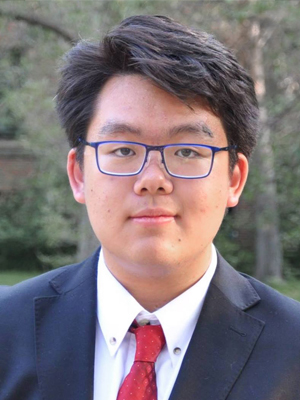
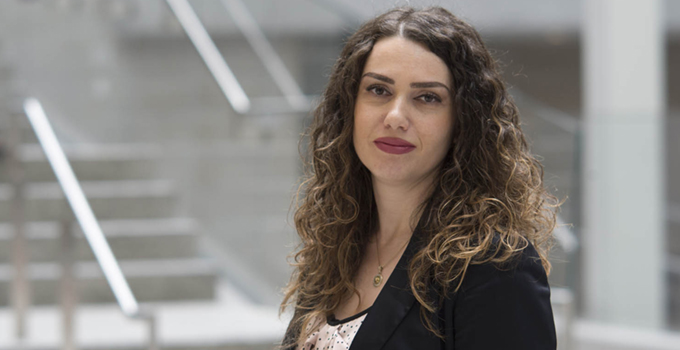
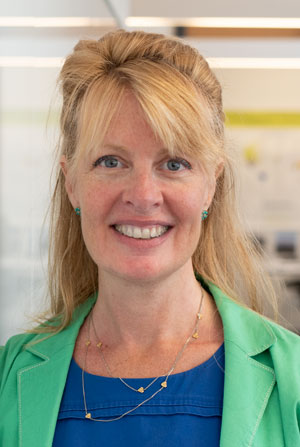
Yifei Zhang, Vice President of Flatten.

“We just wanted to put our technical skills to good use during this time,” says Vice President of Flatten, Yifei Zhang, in a University of Waterloo story. “It’s been great working together with everybody trying to build a platform that will be useful for Canadians across the country.”

As a web-based, data-gathering platform, Flatten provides a real-time heat map of self-reported confirmed and potential COVID-19 cases across the country. The platform helps increase awareness and flatten the curve of COVID-19 cases.

Over the last four weeks, Flatten has rapidly evolved from an idea into an incorporated non-profit organization, with support from advisors such as Dr. Geoffrey Hinton and sponsors such as Google Cloud, the Vector Institute and CIFAR.

The team behind Flatten has established collaborations with health authorities across Canada, such as in Montreal, and plans to work with other municipal governments and provinces..

“We work with leading advisors and collaborators to make sure we’re surveying the right questions and providing the right information for Canadians today to help flatten the curve,” says Zhang.

Zhang, who is completing his second year as a software engineering student at the University of Waterloo and leads Flatten’s website development, attributes his website development knowledge to his internship with OICR’s WebDev team.

“My time at OICR reinforced my interest in working in health and biology, giving me the motivation and drive to pursue this initiative,” says Zhang. “At OICR, I gained experience working with a high volume of data using robust techniques and I was able to bring that knowledge into developing Flatten.ca. A lot of the fundamentals we used to build this site came from best practices that I learned from my term at OICR.”

Learn more at flatten.ca.

Measure up: Taking strides to automate cancer pathology practices

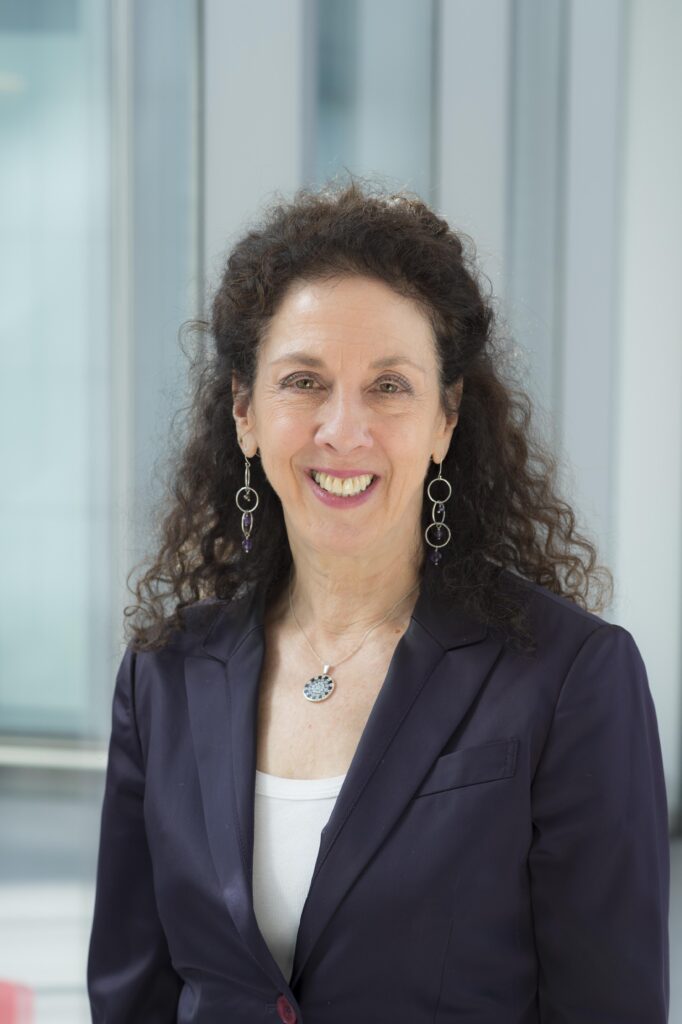
Dr. Tamara Jamaspishvili

OICR-supported researchers quantify common prostate cancer outcome predictor

Advances in cancer research have opened the door to new tests to better assess tumours and help recommend the most appropriate course of treatment for a patient. Research pathologists play a critical role in turning scientific knowledge into tests that can be used in an everyday clinical setting.  

“Scientists are constantly advancing our understanding of cancer, but that understanding cannot help patients unless it’s applied in practice,” says Dr. Tamara Jamaspishvili, Research Pathologist at Queen’s Cancer Research Institute. “Our role as research pathologists is to bridge that gap, and transform discoveries into more accurate diagnoses and prognoses for patients that could be implemented and actionable in practice.” Jamaspishvili’s work is supported by the Ontario Molecular Pathology Research Network, an OICR-funded province-wide network that conducts high-quality cancer research focussed on clinical impact.

An example of the challenge of clinical translation is found in PTEN testing. PTEN is a cancer-preventing gene that – when absent in a cell – may lead to uncontrolled tumour growth. Research has shown that the loss of PTEN within a prostate tumour could help predict the severity of a man’s prostate cancer, but PTEN is not routinely tested.

“Simply put, some cells in a tumour sample may have PTEN loss and some cells don’t, but nobody has clearly quantified how the ratio of cells with or without PTEN contribute to a patient’s health,” says Jamaspishvili.

Jamaspishvili teamed up with collaborators to address the subjectivity of PTEN testing. Her collaborators include Drs. David Berman, Palak Patel, Robert Siemens, Paul Peng, and Yi Niu from Queen’s Cancer Research Institute, Drs. Fred Saad and Anne-Marie Mes-Masson from the University of Montreal, Dr. Tamara Lotan from Johns Hopkins University, and Dr. Jeremy Squire and colleagues at the  University of São Paulo.

Their study, recently published in the Journal of the National Cancer Institute, proposes a new quantitative approach to assess PTEN. They clarify how pathologists can predict the severity of a patient’s prostate cancer based on the number of cells with PTEN loss. These findings can help standardize PTEN testing, but their approach can also be applied to other pathology tests that are still highly subjective.

“Quantifying qualitative tests helps us move towards automated pathology techniques,” says Jamaspishvili. “This is the future of pathology.”

Jamaspishvili is now working to automate PTEN digital pathology analysis in collaboration with Dr. Stephanie Harmon and colleagues in Dr. Baris Turkbey’s lab as part of the National Cancer Institute’s Molecular Imaging Program.

“Now, we can apply machine learning image analysis tools to analyze PTEN loss and make better predictions for the benefit of patients. We look forward to using artificial intelligence in digital pathology to help fill the gaps between research and clinical practice.”

Read more about OMPRN.

Teaming up to decode DNA damage repair

Ovarian and pancreatic cancer researchers join forces to debunk which treatments work for which patients

Ovarian and pancreatic cancer are some of the most challenging cancers to treat but their common characteristics have pointed to new treatments for certain subsets of patients. Drs. Stephanie Lheureux and Grainne O’Kane have teamed up to find out which patients can benefit from these new therapies.

Over the next year, with the support of an OICR Translational Research Initiative (TRI) Collaboration Award, Lheureux and O’Kane will be taking a deeper look into patient tumour samples that have a specific DNA damage repair deficiency, called homologous recombination deficiency (HRD). These tumours are thought to be sensitive – meaning, they can be eliminated – with a certain class of drugs called PARP inhibitors, but it is difficult to predict in the clinic whether a patients tumour has HRD or not. Further, it is difficult to determine whether a patient will benefit from using PARP inhibitors.

Lheureux, who is a medical oncologist specializing in ovarian cancers, and O’Kane, who is a medical oncologist specializing in pancreatic cancers, have set out to perform whole-genome analyses on patients with HRD to find a better way to identify which patients may respond to PARP inhibitors. Both researchers are excited to tap into each other’s expertise.

“Dr. Lheureux cares for many patients facing these challenges,” says O’Kane. “She has deep clinical expertise in this area.”

“Dr. O’Kane and her closest collaborators have excellent expertise in whole genome sequencing and bioinformatics,” says Lheureux. “We’re eager to work together.”

Their analyses may help them understand the biological mechanisms driving HRD and how HRD tumours become resistant to treatment. Their findings may also extend beyond ovarian and pancreatic cancers.

“We want to define the biological response to PARP inhibitors and the mechanism of resistance so that we can help these patients make the best treatment decisions for their specific disease,” says O’Kane.

“We’re motivated to redefine HRD and understand it on a deeper level to help us overcome resistance to treatment and extend the lives of those with these cancers,” says Lheureux.

Lheureux and O’Kane’s collaboration is supported by OICR’s TRI Collaboration Award, a pilot funding stream to support the training of young investigators and encourage collaboration amongst OICR’s TRI teams.

Learn more about OICR’s Pancreatic Cancer TRI, Ovarian Cancer TRI or read about the latest TRI News.

Image credit: Background vector created by pikisuperstar – www.freepik.com

The donations behind the discoveries: The Ontarians who made the Pan-Cancer Project possible

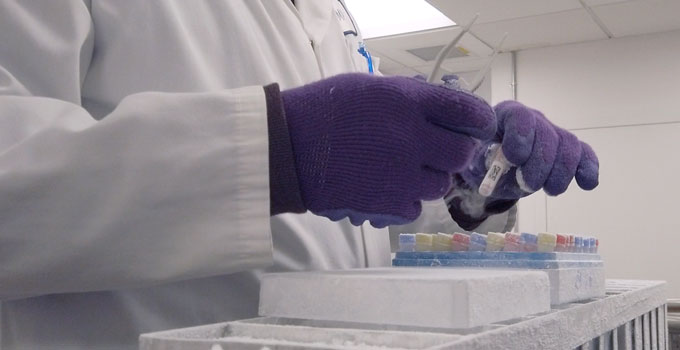
A technician at an Ontario Tumour Bank site at Kingston General Hospital works with frozen specimens.

The Pan-Cancer project made international headlines this month, but not without the contributions of thousands of individuals and the teams that preserve their specimens

In an unprecedented, decade-long study of whole cancer genomes, OICR researchers and collaborators have improved our fundamental understanding of the disease, indicating new directions for developing diagnostics and treatments. The Project was powered by 2,800 people with cancer who donated their biologic specimens to research. These contributions were facilitated and protected by groups such as the Ontario Tumour Bank (OTB).

From the operating room to the freezer

Many advances in cancer research, like those made by the Pan-Cancer Project, rely on hundreds – and sometimes thousands – of biospecimens. A patient’s donated blood, tumour and surrounding tissue may hold clues to future innovations in cancer diagnostics and therapies. But without biobanks – the repositories that collect and care for biological samples – the clues within these donations may never be discovered.

“Good science is built on good data and good omics data can only be drawn from well-preserved tissues,” says Monique Albert. “The advancements made by the Pan-Cancer Project would not have been possible without the diligent work of biobanking teams.”

Albert is the Director of OTB – a provincial bioresource operating in partnership with four state-of-the-art hospitals and cancer centres across Ontario. OTB plays a quiet but crucial role between the patient and the researcher, providing the fundamental biologic resources that research is built on.

Lowering the temperature and raising the bar

Day-to-day, biobanking teams – like OTB – work to implement the highest standards of preservation. From the operating room to the freezer and back to the lab, these teams tirelessly strive to maintain the quality of patient samples to inform cancer discoveries. OTB has held and raised leading biobanking standards for over 15 years.

“When The Cancer Genome Atlas started, biobanks around the world promised thousands of samples, but only a fraction of these samples were adequate for research,” says Albert, referring to Libraries of Flesh: The Sorry State of Human Tissue Storage. “This served as a wake-up call for the sector to unite, share best practices and set higher standards together.”

At the launch of The Cancer Genome Atlas (TCGA) in the early 2000s, OTB was up to – and in many ways exceeded – existing biobanking standards. This was thanks to the foresight of Dr. Brent Zanke and Sugy Kodeeswaran, who recognized the importance of stringent biobanking practices nearly a decade before biobanking became popularized.

As the only Canadian repository that was able to contribute to TCGA, OTB allowed hundreds of people from Ontario to contribute to this international initiative and to subsequent studies like the Pan-Cancer Project.

Since its inception, OTB has collected more than 185,000 samples donated by more than 21,000 individuals from across Ontario, enabling these donations to have a greater impact today and for years to come.

“Each sample represents a trace of an individual’s life, and we’re honoured to care for these valuable donations to science,” says Albert. “When they’re preserved properly, they become a lasting resource with infinite value. We’re proud that the donations from Ontario patients are paving the way for better and more targeted cancer treatment.”

OTB plays a critical role in leading the development of Canadian biobanking standards through the Canadian Tissue Repository Network (CTRNet), and biobanking standards around the world through the International Society for Biological and Environmental Repositories (ISBER).

Read more about OTB’s research resources and how OTB is collaborating to improve biobanking around the world by visiting their website at ontariotumourbank.ca.

Tackling brain cancer from all angles

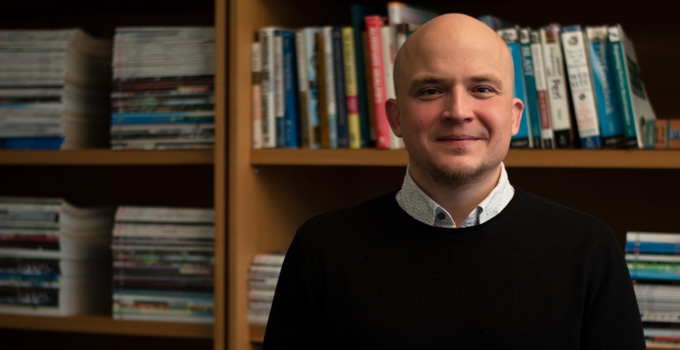
Dr. Jüri Reimand

The Terry Fox Research Institute (TFRI) announced today that Dr. Jüri Reimand, OICR Investigator, has been granted the Terry Fox New Investigator Award to support his research into the evolution of glioblastoma, a deadly brain cancer that often recurs after treatment, with no long-term cure.

“This is a terrible disease with a dismal prognosis. It is usually fatal within a year or two after diagnosis and current therapies mostly fail to halt its recurrence and progress,” says Reimand. “We are taking a data-driven approach to see if we can change the tide on this disease by mapping the evolutionary history of each tumor and identifying genes and pathways that could be targeted through new or existing drugs.”

Backed by TFRI support, Reimand and collaborators are creating a robust multi-omics dataset derived from samples of glioblastoma tumours, including those that have returned after initial treatment. The dataset will incorporate many types of layered data from each sample including whole genome sequencing data, RNA sequencing data and proteomic data.

Reimand, who has expertise in integrating complex datasets, will develop machine learning strategies to identify new potential targets for treatment. The tools and methodologies will be designed to be applicable to other cancer types and will be made freely available for the research community to use.

“We hope that our expertise in computational biology can help shed new light on glioblastoma recurrence by analyzing tens of thousands of genes, proteins and RNAs in complex interaction networks, and ultimately provide a small number of high-confidence targets for further experimental work and therapy development,” said Reimand.

This research is enabled in large part by Reimand’s partnership with Dr. Sheila Singh, a clinician-scientist at McMaster University in Hamilton.

“We are routinely generating large amounts of complementary data utilizing different platforms that are difficult to compare,” says Dr. Singh. “This is why we are so excited to collaborate with Dr. Reimand to decipher GBM recurrence, as he brings invaluable expertise in computational biology, bioinformatics and machine learning. Dr. Reimand’s multi-omics integrative analysis will deliver our PPG with target genes, pathways and drug interactions that will help us to identify new therapies and understand the complex mechanisms of GBM recurrence.”

Read more about Dr. Jüri Reimand’s work.

This post has been adapted from the original announcement made by TFRI.

New clues to cancer in the genome’s other 99 per cent

OICR leads more than 1,300 researchers from around the world in an unprecedented investigation into the dark matter of the human cancer genome.


Adapted from a story in OICR’s 2018-2019 Annual Report.


Three billion letters of code make up our complete genetic blueprint, yet everything we know about cancer to date comes from only one per cent of those letters.

What about the other 99 per cent? Could those regions be holding clues to new cancer solutions and cures? What could we find if we looked into this dark matter? Dr. Lincoln Stein wanted to find out – and he wasn’t alone.

In the fall of 2015, more than 1,300 investigators from the International Cancer Genome Consortium (ICGC) expressed interest in exploring these uncharted regions. Four years and hundreds of terabytes of data analysis later, they’ve found ways to map the evolutionary history of cancer, identified traces of the disease long before it is diagnosed, and elevated the world’s standards for genomics data sharing and research.

A collective goal, a collaborative feat

Jennifer Jennings

“When this project was first announced, we were delighted by the overwhelming interest,” says Jennifer Jennings, Senior Project Manager of the ICGC. She says that was when the scientific leadership of ICGC realized that a concerted effort was needed to address common computational and logistical challenges, leverage the strengths of collaborators and develop shared infrastructure to achieve the ultimate goals of this research.

They named this project PCAWG, the Pan-Cancer Analysis of Whole Genomes Project, also known as the Pan-Cancer Project , which would soon become the largest ever pan-cancer analysis of whole genomes and one of the largest coordinated cancer research endeavors to date.

Stein and a small group of scientific leaders took on the challenge of synchronizing research groups with similar research goals, strategically rearranging expertise and coordinating collaboration on an international scale.

“Organizing and bringing these researchers together was the greatest challenge,” says Stein, who is the Head of Adaptive Oncology at OICR. “Working with others may be slower at first and the benefits aren’t always evident, but the rigour of the resulting science and the progress made is greater than what any of us could do on our own.”

Turning data into discoveries

Dr.Lincoln Stein

PCAWG researchers went on to investigate more than 2,600 cancer whole genomes from ICGC patient donors across more than 20 primary disease sites such as the pancreas and the brain. They created the computational tools and established the necessary infrastructure to process and analyze more than 800 terabytes of genomic data in a standardized, accurate and timely fashion.

Powered by these tools, they were able to order the progression of genetic changes that lead to certain types of cancer and showed that these events may occur decades before diagnosis.

“For exceptional cases like in certain ovarian cancers, we were able to see these early events happening 10 to 20 years before the patient has any symptoms,” says Stein. “This opens up a much larger window of opportunity for earlier detection and treatment than we thought possible.”

Understanding the order of genetic changes that lead to cancer – or the probability that one will occur after another – may allow researchers to outsmart how a tumour evolves. This knowledge could help devise new strategies to treat these changes as they occur or prevent them from occurring in the first place, Stein says.

PCAWG researchers have also discovered common patterns in the distribution of genetic mutations that may point to new causes of cancer. Similar to the common genetic signatures associated with smoking and ultraviolet radiation, these patterns may point to unknown environmental or behavioural causes that, once fully understood, could be used to change course and help prevent cancer.

“The biological insights discovered through PCAWG have tremendously advanced our understanding of cancer genomics and we’re approaching a place where we know all the molecular pathways involved with cancer,” says Stein. “We’ve discovered the causes of two thirds of cancers that were previously unexplained — but this is just the beginning.”

Setting new standards for the future

Last July, PCAWG data were officially made available for the scientific community to use as a resource for future cancer research. The key PCAWG findings were recently published in a collection of more than 20 scholarly papers in Nature and its affiliated journals. An expected 40 additional papers relying on PCAWG data will be published within the next year alone.

PCAWG methodologies are now the world’s gold standard for whole genome data processing and analysis. They will continue to be used for years to come as more patient samples are collected and sequenced around the world. All related computational tools, including the data exploration and discovery tools, have been made publicly available.

“We made both the genomic data, and the computational pipelines to analyze it, free to use for the global cancer research community,” says Stein. “Now, others can analyze these data – or new data – at the same level as we have in the pursuit of new cancer research discoveries.”


Related links

AI algorithm classifies cancer types better than experts

Gurnit Atwal and Wei Jiao

Pan-Cancer Project researchers develop deep learning system that can determine where a cancer originates with better accuracy than human experts

If doctors know where a patient’s cancer started, they can better treat the disease. Unfortunately, this is not always possible, but AI could play a role in solving that.

In a study published today in Nature Communications, a Toronto-based researcher group developed a deep learning system that can accurately classify cancers and identify where they originated based on patterns in their DNA. The system could potentially help clinicians differentiate difficult-to-classify tumours and help recommend the most appropriate treatment option for their patients.

“We reasoned that there was something within the cancer’s DNA that could help us classify these tumours,” says Dr. Quaid Morris, OICR Senior Investigator and co-lead author of the study1. “But I didn’t expect our system to work at well as it does – in some cases, far better than pathologists.”

The team

The initiative began with the dataset: 2,600 whole genomes across 38 tumour types from the Pan-Cancer Analysis of Whole Genomes Project, also known as the Pan-Cancer Project or PCAWG.

Dr. Lincoln Stein, Head, Adaptive Oncology at OICR and member of the Pan-Cancer Project Steering Committee, and his team began to work with these data to identify patterns in a cancer’s genetic material that could help classify these tumours. To them, this was a perfect problem for AI.

When we started to collaborate, We realized we had something amazing.
– Wei Jiao

“Deep learning models excel when they’re trained on large amounts of data,” says Wei Jiao, Research Associate in the Stein Lab and co-first author of the study. “We had an incredibly large dataset to work with, the most comprehensive dataset of whole cancer genomes to date, but we also needed the machine learning expertise.”

The Stein Lab posted their progress on bioRxiv, an open-access repository for biology publications that have not yet been peer-reviewed, which in turn sparked the collaboration between his team and the Morris Lab – a group with deep machine learning expertise.

The system

The development of their deep learning system was not simple. They mined through terabytes of data looking for patterns in the type of mutations, the source of mutations and where mutations occurred in the genome, among other factors.

To their surprise, they found that patterns in driver mutations – the changes in DNA that are thought to ‘drive’ the development of cancer – were not useful in determining where the tumour originated. Instead, they found that patterns in the distribution of mutations and the type of mutation within a patient’s sample could better classify the patient’s disease.

“We knew that we could distinguish between two different types of healthy cells by looking at how the DNA within the cell types are packaged,” says Stein, who is a co-lead author of the study. “We were surprised and gratified that we could do the same using cancer cells.”

“We saw that the tightly-packaged sections – also known as the closed chromatin – would have many more mutations than the loosely wound sections,” says Gurnit Atwal, PhD Candidate in the Morris Lab and co-first author of the study. “It was like the normal cell was casting a shadow on the cancer cell, and we just had to read the shadows.”

To achieve the highest accuracy, the research group developed a deep learning neural network-based system, a type of system that is loosely modeled after the human brain and commonly used to recognize patterns in images, audio and text. Their system achieved an accuracy of 91 per cent – roughly double the accuracy that trained pathologists can achieve using traditional methods when presented with a primary tumour and no clinical information.

Further, they tested their model on an additional 2,000 tumours from patients in the Netherlands who donated their cancer genomic data to the Hartwig Medical Foundation and the system still performed with a remarkably high level of accuracy.

 “As more cancer genomes are sequenced, we can gain the ability to classify rarer cancers,” says Atwal. “Where we are now is great, but there is more work to be done.”

The potential

This study presents a deep learning system that could potentially improve how cancers are classified, enhancing the accuracy of current diagnostic tests and the treatment decisions they inform.

For some patients, this system could tell them where their cancer began, giving them valuable information about which course of treatment to choose. The system also could serve as a tool to help doctors identify whether a tumour in a patient who has been treated for cancer in the past is an entirely new tumour or a recurring tumour that has spread.

“A treatment plan for a cancer that originated in the throat may be very different than one for that originated in the breast, and the treatment for a cancer that has returned is different than for one that has metastasized,” says Atwal. “One day, our tool could help give doctors the power to distinguish these classes of tumours, giving patients valuable information that wouldn’t have been available otherwise.”

The authors of the study suggest that their system could start helping patients soon. They plan to further refine their system for patients with rare cancers before moving towards clinical studies. 

“The potential impact of the system we’ve developed is encouraging,” says Morris. “We look forward to turning this system into a tool that can help clinicians and future cancer patients tackle this disease.”


1Morris is also a Canada CIFAR AI Chair, Faculty Member at the Vector Institute, and Professor at the University of Toronto’s Donnelly Centre for Cellular and Biomolecular Research.


Related links

Whole-genome analysis generates new insights into viruses involved in cancer

Dr. Ivan Borozan

OICR researchers scan more than 2,600 whole cancer genomes for traces of known and potentially unknown cancer-causing viruses, identifying new ways that these pathogens may eventually lead to the disease

It is estimated that viruses cause nearly 10 per cent of all cancers. These cancer-causing viruses – also known as oncoviruses – can make changes to normal cells that may eventually lead to the disease. As researchers better understand how oncoviruses cause cancer, they can develop new therapies and vaccines to prevent them from doing so.

In the most extensive exploration of cancer genomes to date, OICR researchers and collaborators discovered new insights into the mechanisms behind the seven known oncoviruses, and provided strong evidence that there are no other human cancer-causing viruses in existence.

Their study was published today in Nature Genetics, alongside more than 20 related publications from the Pan-Cancer Analysis of Whole Genomes Project, also known as the Pan-Cancer Project or PCAWG. The research group analyzed whole genome data from more than 2,600 patient tumours representing 35 different tumour types.

“The Pan-Cancer Project is one of the largest cancer genome projects to date,” says Dr. Ivan Borozan, Scientific Associate at OICR and leading co-author of the study. “This project allowed us to search for viruses in the most comprehensive collection of cancer genomes using the latest and most advanced techniques. To analyze this extensive dataset, we first had to develop computational tools and analysis pipelines that can efficiently process large-scale sequencing data and – at the same time – extract accurate information about minute amounts of the viral genome present in each individual sample. The results generated using these tools were then integrated to decipher molecular mechanisms that lead to the development of cancer.”

Our research points towards a future where these cancers can be treated more effectively, and potentially prevented in the first place.
– Dr. Ivan Borozan

The group discovered that an individual’s immune system, while trying to protect itself from a certain strain of the well-known human papillomavirus (HPV), may cause damage to normal DNA that lead to the development of bladder, head, neck and cervical cancers.

The study also found that the hepatitis B virus (HBV), which is linked to some liver cancers, causes damage in normal cells by integrating into human DNA close to TERT, a well-understood cancer-driving gene.

Spinoffs of this research initiative have led to important discoveries about the Epstein-Barr Virus (EBV) and how it can promote the development of stomach cancer.

“These findings can help us develop new vaccines or therapies that target these mechanisms,” says Borozan. “Our research points towards a future where these cancers can be treated more effectively, and potentially prevented in the first place.”

As new sequencing research initiatives emerge, the research group’s computational tools and pipelines – which are available for the research community to use – will help further explain the mechanisms behind this complex disease.


Related links

Finding the roots of cancer, ‘It’s a needle in a haystack’

Dr. Shimin Shuai

OICR’s Dr. Shimin Shuai and Pan-Cancer Project collaborators identify new cancer-causing mutations in the non-coding region of the cancer genome

Cancer begins with a ‘driver’ mutation – a DNA abnormality that may cause mutations to accumulate and give rise to the disease. These mutations are key targets for cancer therapies but most research to date has focused on the driver mutations within a small portion of the genome – the one per cent of our DNA that codes for proteins.

Now, researchers from the Pan-Cancer Project have explored the other 99 per cent.

In their paper, published today in Nature, the research team detailed a new set of potential driver mutations within the vast non-coding regions of the human genome. These driver mutations could point to new therapeutic approaches or new ways to personalize cancer treatment decisions in the future. The group’s analysis confirms previously reported drivers and raises doubts about others.

It’s amazing that we can use computational tools and algorithms to find important clues that direct us towards a future where precision medicine is a reality.
– Dr. Shimin Shuai

“We looked into the whole genomes of nearly 2,600 patients and some samples had tens of thousands of mutations,” says Dr. Shimin Shuai, leader of OICR’s contribution to the Pan-Cancer Project driver working group. “Driver mutations are really rare in the non-coding regions of the genome so we needed to design computational tools to find a needle in a haystack.”

A key tool behind these discoveries was a computational algorithm called DriverPower, developed by Shuai under the supervision of Dr. Lincoln Stein, Head of Adaptive Oncology at OICR. DriverPower, as described in a complementary publication in Nature Communications, can help differentiate driver mutations from other ‘passenger’ mutations across whole genomes.

“We now have a remarkably powerful computational tool for future driver discovery,” says Shuai, who is the first author of the Nature Communications publication. “It’s amazing that we can use computational tools and algorithms to find important clues that direct us towards a future where precision medicine is a reality.”

DriverPower identified nearly 100 potential driver mutations which will be evaluated in future studies. As more whole genome sequencing data are collected in the future, DriverPower will continue to be used for driver discovery.

“The findings we have shared with the world today are the culmination of an unparalleled, decade-long collaboration that explored the entire cancer genome,” says Stein. “With the knowledge we have gained about the origins and evolution of tumours, we can develop new tools and therapies to detect cancer earlier, develop more targeted therapies and treat patients more successfully.”

This work was part of the Pan-cancer Analysis of Whole Genomes Project (known as the Pan-Cancer Project or PCAWG), which was led in part by OICR.


Related links

Backgrounder: Pan-Cancer Project


Supplementary information about the news release: Unprecedented exploration generates most comprehensive map of cancer genomes charted to date 


Overview of the Pan-Cancer Project

The ICGC/TCGA Pan-Cancer Analysis of Whole Genomes (PCAWG), known as the Pan-Cancer Project, is an international collaboration to identify common patterns of mutation in more than 2,600 whole cancer genomes from the International Cancer Genome Consortium (ICGC) and The Cancer Genome Atlas (TCGA). It builds upon the previous work of those initiatives, which predominantly concentrated on the regions of the genome that code for proteins.

Researchers aim to understand the genomic changes in many forms of cancer worldwide, with a view to enabling further research into causes, prevention, diagnosis and treatment of cancers.

The Pan-Cancer Project has explored the nature and consequences of DNA variations in cancer, across the entire genome, from both protein-coding genes and from areas of DNA that do not code for proteins. The Pan-Cancer Project is the most comprehensive analysis of the non-coding regions of cancer genomes performed to date.

DNA changes can be inherited (germline) or appear during a person’s life (somatic), and the Pan-Cancer Project is investigating both types of these variations in DNA of cancer cells, looking at areas involved in regulating genes, sites for non-coding RNA and large-scale structural rearrangements in the genome.

Why was the ICGC/TCGA Pan-Cancer Project needed?

This is the largest, most comprehensive analysis of cancer genomes to date.  To understand the complex changes in the genome, a huge amount of data was needed. This was only achieved through working collaboratively and sharing data. The project analysed almost every cancer genome throughout the world that was publically available at the start of the project.

What is the main finding from the Pan-Cancer Project?

The main point is that the cancer genome is finite and knowable, but enormously complicated. By combining sequencing of the whole cancer genome with a suite of analysis tools, it is possible to highlight and describe every genetic change found in a cancer. These include all the processes that have generated those mutations, the biochemical pathways in the cells that are affected by these genetic changes, the kinds of cells that were originally transformed from normal to cancerous, and even the order of key events during a cancer’s life history.

How will this help cancer research?

The Pan-Cancer researchers have provided comprehensive insights into many aspects of cancer genomes. Previous work had documented some of these features in some tumour types, but here, on the same, large international cohort of patients across all the common tumour types, all these aspects have been analysed together. This provides a more comprehensive, more uniform map of the cancer genome than the earlier snapshots had provided.

The ICGC/TCGA Pan-Cancer Project researchers have established an enormous resource for the scientific community to use, a resource that will underpin ongoing development of analysis methods, provide a testing ground for new ideas about cancer development and act as a benchmark for comparison of future sequencing studies.

Pan-Cancer Project data is available to the research community, and will help accelerate additional discoveries. Over time, these discoveries will lead to improved detection, management and treatment of cancer.

Cancer genomes are complex, and much more data, potentially in thousands to tens of thousands of patients per tumour type, are needed to fully understand them – this is why shared data and resources like the Pan-Cancer Project are so important.

The suite of analysis tools generated by the project has been also released to the scientific and clinical communities, and is free to be used and further developed. This is important because data analysis has been a major barrier to improving access to cancer genome sequencing. The raw sequencing data and downstream analytical results are also released to the community under appropriate controls to safeguard participants’ privacy.

How will the Pan-Cancer Project help cancer patients?

The study will enable more personalised medicine in the future, once clinical whole genome sequencing of a patient’s cancer becomes more widely adopted. This will include accurate diagnosis of tumour type, better prediction of clinical outcome, and choice of the optimal treatment for the patient.

The Pan-Cancer researchers have developed a method to find out where cancers come from (find the ‘cell of origin’) in patients in whom this wasn’t possible to identify using standard diagnostic techniques. This could impact diagnosis and treatment in the future.

Due to the study, researchers can now carbon-date cancers, and identify the age of tumours and the key genomic stages they pass through. This has helped us identify what the earliest changes are in the evolution of many cancer types, with the potential to develop new strategies for diagnosing or intervening in tumours at earlier stages. We are not there yet, but this would be the goal.

By looking at the 99% of the cancer genome that was previously invisible – the part that doesn’t code for proteins – the study filled in gaps in our knowledge of what drives cancer. At least one causative genetic change was found in more than 95% of all cancers in the study, and many individual tumours had 5-10 or more causative mutations identified. This information will help us find better methods for diagnosis, because the causative mutations inform what type of tumour developed, and better drugs, because the causative mutations may suggest useful drug targets. A future goal, begun in the Pan-Cancer Project, is to be able to identify for any given patient in clinic all of the specific mutations that drive his or her cancer.

Researchers described many new processes generating mutations in cancer genomes. These processes leave distinctive ‘mutational signatures’ in the genome, and these signatures can give clues as to what may have caused the cancer. For example, lifestyle exposures such as cigarette smoking and sun-bathing can cause patterns of mutation that are highly distinctive; likewise, inherited cancer disorders can lead to distinctive signatures. These signatures can be read from a patient’s cancer genome, and then compared against the compendium of signatures generated in this study.

What else has the Pan-Cancer Project revealed?

  • By combining data on coding and non-coding cancer-causing genetic changes, at least one mutation that caused cancer was found in virtually all (95%) of the cancers analyzed, with most patients’ tumours having a handful of genetic causal events identified. This suggests that we are close to the goal of cataloguing all of the biological pathways involved in cancer.
  • Revealed new “roads leading to Rome” that may provide avenues for treatment. Cancers use various ways to activate pathways that lead to tumours (oncogenic pathways). The Pan-Cancer Project study has mapped out additional routes involving structure, transcription, and driver mutations in the non-coding parts of the genome for a comprehensive set of tumour types.
  • There is massive complexity in how the cancer cell interprets the genome. Different genetic changes in the DNA can lead to extensive variability in the RNA transcription undertaken by the cell, which is the first level of a cell’s interpretation of the genome. Many of these RNA changes are important first messages instructing the cell to behave like a cancer cell.
  • The processes that generate mutations in cancer genomes are hugely diverse, with more than 80 different patterns of mutation, ranging from changes affecting single DNA letters to large-scale reorganisation of whole chromosomes.
  • Many specialised regions of the genome are disrupted in cancers compared to normal cells, including DNA in mitochondria, the power-houses of cells; telomeres, which cap the ends of chromosomes; repetitive DNA sequences, which can reactivate and multiply in a tumour’s genome; and virus genomes, which can insert nearby particular cancer genes.

Data resources – how people can access the data

Pan-Cancer project researchers established an enormous resource for the scientific community to use, enabling a wider and deeper exploration of the cancer genome, by making sequencing data on genomes’ non-coding regions available and providing tools to examine this data. It is expected that the availability of this resource will lead to further discoveries and help researchers improve the detection, management and treatment of cancer.

  • Open-tier data can be viewed at https://dcc.icgc.org/
  • Detailed instructions for obtaining access to the controlled-tier PCAWG data can be found in the DCC PCAWG documentation pages (https://docs.icgc.org/pcawg/data/).
  • Researchers can contact dcc-support@icgc.org if they have inquiries about data access.

Next steps

Further insights into cancer biology are expected to be made using the Pan-Cancer data and related software tools that have been made available to the global cancer research community.

In 2015, the ICGC, in response to the realization of the potential of genomics in healthcare, released a position “white paper” on the evolution of ICGC into more directly impacting on human health. Emanating from the ICGC for Medicine (ICGCmed) white paper is ICGC’s next project which aims to Accelerate Research in Genomic Oncology (The ARGO Project), where key clinical questions and patient clinical data drive the interrogation of cancer genomes. More information can be found at https://icgc-argo.org/.

Return to the main release