Cancer Research Changed My Life: Michelle’s story

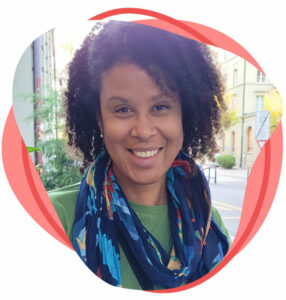
Michelle Audoin talks about the impact cancer research has had on her life, as part of OICR’s ‘Cancer Research Changed My Life’ campaign.

It’s easy to feel powerless when you’re diagnosed with stage 4 metastatic breast cancer.

My diagnosis in 2017 was especially complex. My breast cancer had already spread by the time it was detected, and doctors also found a second primary cancer in my thyroid.

As a result, my treatment options were limited and my family’s future was unclear.

I was devastated, angry and frustrated, but I was also determined to stand up and take control of my future as much as possible.

And cancer research helped give me that power.

I started attending research conferences, spoke to scientists, and got a better understanding of the science behind cancer research and treatments. Over the years, I have also participated in research studies that continue to shape my knowledge and perspective.

An OICR-supported clinical trial that explored using genome sequencing to guide cancer treatment gave me insights about my cancer’s unique biology, and the treatments that might work best against it. Another study, focusing on quality of life, helped solidify my personal priorities around my treatment preferences.

Living with metastatic breast cancer means that I live with a disease that currently has no cure. I am on treatment for life, with the goal of slowing or stopping the progression of the disease, while minimizing life-limiting side effects.

Informed by my experiences with research, I recognize that my personal priority is to access oral treatments that I can take at home, rather than as an IV infusion at the hospital. I was able to communicate that priority to my healthcare team and ultimately maintain my quality of life and engage fully as a mom.

While cancer research has certainly changed my life, it also motivates me to want to help others. That’s why I raised my hand to become a patient partner in cancer research.

Through patient partnership, I’ve been able to shape research studies to make sure they address the priorities of cancer patients and advocate for improvements. This is especially meaningful as a Black woman, because people like me have too often been marginalized and underrepresented in cancer research.

My involvement in cancer research has also connected me with an inspiring community of scientists, advocates and diverse individuals affected by a cancer diagnosis. Working with them and learning from them gives me a window into what’s possible in the future.

Innovative blood tests called ‘liquid biopsies’ may soon spare people like me from the endless scans, and catch disease progression before symptoms affect my quality of life. And the rapid advancement of targeted therapies could mean even better treatment options are on the horizon.

This knowledge changes the way I look at my own experience with cancer. It also gives me hope that research, treatments and survivorship will continue to improve as my kids get older.


Michelle Audoin lives with Stage 4 breast cancer and advocates for the unmet needs of undersupported communities in the cancer care space, with a focus on health equity and the patient voice. She is involved in many cancer organizations and awareness campaigns, and loves to speak to healthcare agencies and on panels about her own experiences navigating cancer as a Black woman. Michelle comes from an education background and is a mom.

Cancer Research Changed My Life: Carla’s story

Carla Bossart-Pletzer shares her personal connection to cancer research as part of OICR’s ‘Cancer Research Changed My Life‘ campaign.

Cancer research has fundamentally meant the difference between me seeing 40 years old and not seeing 40 years old.

I’m a mom of two small kids. I have a daughter who is six and a son who is nine. At the time I was diagnosed with triple-negative breast cancer in 2022, my kids were little and I was facing a really challenging situation. My surgeon said to me that if everything went perfectly, she’d give me a 70 per cent chance at being here in five years.

If it had been five years earlier though, she and I would have been having a very different conversation. My diagnosis was not nearly as survivable back then.

Cancer research has changed the kind of treatments that are available, and the way they approach breast cancers, specifically with neoadjuvant chemotherapy. In my case, some of the cancer treatments available to me were different than they were five years earlier.

And research has kept evolving since then. We’ve added immunotherapy to the mix, for example. We’re also enabling personalized medicine approaches – which is really cool.

In my work as a patient partner, researchers tell me they enjoy hearing my story because it’s a story of survival. It shows that research is helping move the needle.

It’s hard to put into words, but cancer research changed my life because without cancer research, I would not have a life to be talking about right now.


Carla Bossart-Pletzer is a mother of two small children and a freelance designer and illustrator. She was diagnosed with stage-III, triple negative, inflammatory breast cancer at age 34. She is focused on communicating the challenges of early adult cancer and the long-term health consequences of both life-saving and prophylactic treatments as a carrier of BRCA1, MSH-6 and ATM genetic mutations. Located in Sudbury, she advocates for expedient and socially equitable cancer diagnoses and treatment for patients of Northeastern Ontario.

Cancer Research Changed My Life campaign shows personal impact of scientific discoveries

A new campaign from the Ontario Institute for Cancer Research (OICR) celebrates the profound difference cancer research is making in the lives of Ontarians.

Launched on World Cancer Day 2025, Cancer Research Changed My Life showcases the people behind research discoveries, bringing their personal stories to life through videos and first-person testimonials.

As the province’s cancer research institute, OICR brings together a community of scientists, cancer patients, clinicians and everyday Ontarians to solve cancer together. With Cancer Research Changed My Life, OICR is shining a spotlight on that community and what is has achieved.

“Cancer research is about more than just hope. It is about using scientific insights to make a tangible difference in people’s lives every day.” says Dr. Christine Williams, Acting President of OICR. “The stories featured in this campaign are a testament to the power of research and its potential to transform the future of cancer.”

Cancer Research Changed My Life debuted with a series with powerful stories from cancer patients and a scientist:


“Without cancer research, I would not have a life to be talking about right now.” – Carla

Watch Carla’s full video


“Cancer research has helped give me the power to stand up and take control of my future, while living with metastatic breast cancer.” – Michelle

Read Michelle’s full testimonial


“To see a drug that I helped discover have a real impact on patients facing this dreadful disease is the thrill of a lifetime.” – David

Watch David’s full video

The campaign will continue for the rest of 2025, with new stories published throughout the year. OICR is encouraging people to join in the campaign on social media by sharing their own stories about cancer research using the hashtag #ChangedMyLife

This year also marks OICR’s 20th anniversary.

“Decades of research have led to significant advances in our understanding of how cancer develops and evolves, and therefore how we can prevent, diagnose and treat patients,” says Dr. Lincoln Stein, Acting Scientific Director of OICR. “With support from the Ontario Government and our partners across the province, we’ll continue our work help cancer research change even more lives in the future.”

To see more about how cancer research is changing lives, visit changedmylife.oicr.on.ca and follow OICR on InstagramYouTubeLinkedin and Bluesky.

Study reveals early mechanisms behind deadly brain tumours

Researchers at OICR, SickKids and Cambridge (UK) made new discoveries about how glioblastoma develops at the earliest stages.

New OICR-supported research published in leading scientific journal Nature could provide a blueprint to stop deadly brain tumours before they progress.

Researchers made two significant discoveries – a new cell type and a novel cellular process – they believe play a key role in the development of glioblastoma, one of the deadliest forms of brain cancer.

Dr. Akram Hamed

Glioblastoma is not usually diagnosed until it reaches the late stages. This leads to poor outcomes for patients, and limits what can be learned from tumour samples, which are already very complex by the time they are resected.

Researchers at OICR, SickKids and Cambridge (UK) used genetically engineered mouse models to take a closer look at the early development of glioblastoma, monitoring tumours at various stages using MRI and genome sequencing.

“Our work provides a detailed map of the entire process of glioblastoma development and reveals new insights that could lead to better diagnosis and treatment strategies for this incurable disease” says Dr. Akram Hamed, the study’s lead author and postdoctoral fellow at SickKids.

“We are seeing for the very first time how a brain tumour develops,” says Dr. Peter Dirks, Chief of the Division of Neurosurgery at SickKids and the study’s senior author. “By targeting the earliest steps of tumour formation, we can explore new avenues for the treatment of glioblastoma and improve outcomes for patients and families affected by brain cancer.”

Dr. Peter Dirks

First, they observed a novel cell type that resembles ‘neural-crest’ stem cells and is present in large numbers in the early stages of glioblastoma development. Hamed and colleagues also discovered a novel process induced during the early stages of glioblastoma development that resembled the body’s injury healing response. They found that process seemed to induce the development of the novel ‘neural-crest-like’ cells.

“We found the tumour initiation process to be mimicking a brain injury response,” Hamed says.  “This has important therapeutic implications, raising the prospect of discovering new biomarkers for earlier diagnosis and thus also raise the possibility for intercepting tumour development by application of therapeutic approaches to target these injury-like programs.”

Knowing what drives glioblastoma at its earliest stages could ultimately help develop tools to diagnose it before it is symptomatic. A blood or cerebrospinal sample, for example, could provide evidence of that injury-like process. These cells and processes could also be targets for new glioblastoma therapies that could effectively stop the disease before it grows and becomes more complex.

The study represents another high-impact collaboration between Dr. Dirks’ lab and Dr. Lincoln Stein’s lab at OICR that generated important new knowledge about brain tumours. In 2022, Hamed, Dirks and Stein and colleagues published an atlas of more than 100,000 brain cells from mice in Nature Communications, which provided important insights on how glioblastoma and other glial cancers develop.

Stein is one of two OICR authors on the new Nature paper alongside Dr. Quang Trinh, who performed core computational analysis for the project.

“We know that finding cancer earlier gives patients the best chance at living longer and living better,” says Stein, Head of Adaptive Oncology at OICR. “These novel discoveries about how glioblastoma develops open the door for all sorts of innovative solutions that could shift the paradigm for people diagnosed with brain tumours.”

Let’s talk about clinical trials: Why trials are important

The first in our multi-part series explores why clinical trials are important for cancer research and patients.

Clinical trials are the bridge between leading edge cancer research and clinical care, yet only a fraction of Canadian cancer patients participate in a trial. The result is that many trials struggle to recruit enough participants while others close prematurely, delaying or failing to provide answers to the research questions they are designed to investigate.

The reasons for low participation in clinical trial are complex, and OICR is leading efforts to overcome them. One of the biggest barriers to participation is lack of awareness, and that’s why it’s so important to get patients, family members, clinicians and scientists talking about clinical trials.

With that in mind, OICR News is launching the Let’s talk about clinical trials series, where we ask clinical trials experts about why trials are important, how participant safety is protected, and what it’s like to participate in a trial.

In the first instalment of our series, we talked to Stephen Sundquist, Executive Director of 3CTN, the Canadian Cancer Clinical Trials Network, which seeks to improve the efficiency of academic cancer clinical trials across Canada and ensure they can be accessed equitably.

To start, can you talk about why clinical trials are important for cancer research and care?

Clinical trials represent a critical step in the clinical translation pathway, testing the safety and effectiveness of new discoveries in cancer prevention, detection and treatment. Trial outcomes advance our understanding of how these innovations perform “at the bedside” and contribute to improvements in standards of care for cancer patients.

How do cancer patients benefit from participating in a trial?

Cancer patients considering participating in a clinical trial receive comprehensive information about their disease and the potential risks and benefits associated with available treatment options. If they ultimately participate in the trial, they may receive the intervention being tested, which has the potential to improve their overall survival and/or quality of life.

All clinical trial participants also benefit form added health surveillance and monitoring built into study procedures – including assessments and diagnostic testing – to monitor their disease progression, response to interventions being tested, and other measures designed to ensure patient safety.

Stephen Sundquist

What is 3CTN doing to improve cancer clinical trials in Canada?

Our pan-Canadian Network is comprised of more than 240 clinical research professionals as well as patient partners from more than 60 cancer centres across eight provinces. 3CTN members work collaboratively on strategic priorities for improving the efficiency, quality and impact of academic cancer clinical trials.

That means helping ensure new trials can be accessed through multiple cancer centres and supporting those centres to adopt best practices for improving the speed with which those trials are made available to patients. It also means raising awareness about trials and helping improve recruitment to ensure cancer patients have equitable access.

For example, one of our most exciting initiatives has been to steer the development of a decentralized clinical trial framework called CRAFT, which supports cancer centres to conduct trials involving satellite healthcare centres located closer to a patient’s home. Traditionally, trial participation for those living in rural and remote communities necessitates travel to a cancer centre in an urban centre, which may be located far from home or even out of province. Not surprisingly, many patients choose not to participate at all because of the added time and effort required. With CRAFT, we’re leveling the playing field by offering cancer patients the opportunity to participate in clinical trials no matter where they live.

What else would you like people to know about clinical trials?

The development and conduct of a clinical trial is a highly-regulated process that involves a huge collective effort on the part of study sponsors, clinical research professionals, regulators, ethics review boards, and others working to assure trials are conducted to the highest standards for assuring patient safety and potential benefit.

My hope is that every patient will ask their healthcare team about clinical trials. Though not everyone will be a fit for a clinical trial, the option of participating in a trial should always be part of care discussions.

Stay tuned for Part 2 of our series, which will focus on the systems and structures in place to make sure clinical trials are safe for participants.

Groundbreaking radiotherapy research changes how metastatic cancers are treated

OICR-supported scientists are pushing the boundaries of radiotherapy to help patients with the most complex cancers.

The future was uncertain for the first cancer patient to enroll in the SABR-COMET clinical trial.

It was 2012, and the OICR-supported study was one of the first randomized controlled trials to explore the use of stereotactic ablative radiotherapy (SABR) to treat patients with multiple metastatic lesions.

Metastasis is when cancer spreads from the original tumour to a different part of the body. It makes treatment more complex for patients and dramatically decreases their survival rates.

Facing a poor prognosis, that first patient put their hopes in SABR, a new and somewhat unproven form of radiotherapy.

SABR involves delivering high doses of radiation to the precise location of a cancerous lesion, as guided by advanced imaging tools. Up to that point, it had mainly been used to treat primary lung tumours.

But Dr. David Palma and colleagues at London Health Sciences Centre (LHSC) believed that SABR could make a difference for patients with metastatic cancers in all areas of the body.

“The question of whether SABR could treat metastasis was quite controversial at the time,” says Palma, a Radiation Oncologist at LHSC and OICR Clinician Scientist. “But we saw its promise and the potential to offer something more to our patients.”

Over the next four years, SABR-COMET recruited nearly 100 patients at sites across Canada, the Netherlands and Australia. Participants who received SABR ended up living an average of two years longer than those who didn’t. Some were even cured entirely, including that first participant from 2012, who was discharged 10 years later with no evidence of recurrence.

The results of SABR-COMET were so promising they have helped changed the perception of SABR among oncologists and patients, and contributed to an uptick in its use for metastatic cancer in Ontario and around the world.

They also inspired Palma and colleagues to keep pushing the envelope.

While the first SABR-COMET trial mostly treated patients with one to three metastatic lesions, subsequent trials have worked with patients whose cancer spread even further. Now, Palma and colleagues have launched a new randomized control trial using SABR to treat patients with more than 10 metastatic lesions.

“Over the years, we’ve become comfortable with using SABR to treat more and more complex patients,” Palma says. “And now we’re pushing the boundaries to try and help our patients live longer and better lives.”


***

Palma’s interest in SABR began in Amsterdam. There, he worked with SABR “pioneers” Dr. Suresh Senan and Dr. Ben Slotman as part of a fellowship that was partly funded by OICR. When he returned to Canada and began practising at LHSC in 2010, he was determined to further investigate the technique.

SABR offers a few advantages over other treatment options. The large dose of radiation can help treat tumours that are resistant to traditional radiotherapy. And because radiation is delivered to such a precise location, there is less risk of damage to surrounding tissue. That means patients often have minimal or no side effects from SABR, unlike with chemotherapy, which is often used to treat metastatic lesions.  

SABR also has its limitations. Sometimes lesions are in locations that are right next to important structures, like the airway, and this can increase the risk of side effects. And the more lesions you treat, the more complex it is to plan and execute SABR.

But Palma and colleagues learned a lot from SABR-COMET about how to plan and execute treatment for multiple lesions, so they wanted to keep pushing.

***

They next tested SABR in patients with between four and 10 metastatic lesions. The OICR-supported SABR-COMET 10 enrolled more than 200 patients internationally, before wrapping up in 2023. Early results show SABR was feasible and safe for this population, with results on effectiveness expected shortly.

Then researchers launched the ARREST study in 2020, which would use push SABR even further to treat patients with more than 10 metastases. ARREST would be especially challenging because these patients are often unwell with a fast-progressing disease, leaving little time to plan and execute treatment.

Still, they were motivated to provide another option for this population, who may not be well enough to endure the side effects caused by other treatments.

The first ARREST study was led by Palma’s LHSC colleague Dr. Glenn Bauman, a Radiation Oncologist and Clinical Lead of OICR’s Clinical Translation program. Results were published recently in the Journal of Radiation Oncology, Biology, Physics, showing that SABR was feasible for patients with more than 10 metastases and caused limited side effects.

Armed with that knowledge, Bauman and Palma helped a junior radiation oncologist Dr. Timothy Nguyen launch the ARREST-2 randomized control trial earlier this year, hoping to see whether SABR can effectively treat such a large tumour burden. With support from OICR, patients are now being recruited in London, with plans to expand across the country.

While they know SABR may not reverse the prognosis of patients with such a high disease burden, they are hopeful ARREST-2 will help give patients a new, effective tool against metastasis.

“Even if we can’t cure their cancer, if we can give somebody another six months or another year of time with a high quality of life, then that’s immensely valuable for them,” Bauman says.

***

By helping expand the role of SABR in metastatic cancer, this research has already touched the lives of hundreds of patients over the past 12 years.

“SABR is now regarded as a standard-of-care option for people with limited metastatic disease, and the SABR-COMET studies really laid the foundation,” says Baumann.

Despite these advancements, Palma says there is still plenty of work to be done – especially for patients with complex metastatic disease.

“It’s important to keep innovating for patients,” he says. “There is always more we can do, whether it’s helping someone manage their symptoms or helping them live longer.”

Palma credits his colleagues for the amazing collaborations along the way. He is also grateful to OICR for supporting his research for more than a decade through the Institute’s Investigator Awards program.

He says funding from OICR helped him get the SABR-COMET research off the ground, and he was able to leverage it to grow the program.

“The support I have received from OICR not only lit the spark for my research, but it also kept it burning for all these years,” Palma says.

CanPath partners with CIHI to develop a fuller picture of Canadians’ health outcomes

CanPath partners with CIHI to enable the sharing of important health data to offer comprehensive insights into Canadians’ health trends and outcomes over time.

The Canadian Partnership for Tomorrow’s Health (CanPath) and the Canadian Institute for Health Information (CIHI) are partnering to make a difference in how researchers can assess the health of Canadians.

On September 23, 2024, the Ontario Institute for Cancer Research (OICR) and CanPath hosted a celebration to mark this collaboration. The collaboration will integrate CIHI’s health services data—including hospital stays, emergency department visits, and stays in long-term care—with CanPath’s genomic, health, and lifestyle data to offer better insights into health trends and outcomes over time.

“By partnering with CIHI, we are creating a comprehensive, unique data set,” says Prof. Philip Awadalla, National Scientific Director at CanPath and Director of Computational Biology for OICR. “A researcher or partner will only have to go to one institution rather than multiple sources to access health services data linked to existing CanPath data.”

Currently, CanPath holds the health information — hosted safely and securely by OICR — of 1 per cent (or 330,000) of people living in Canada who self-report through the study. Most of these participants consented to having CanPath link this data with data held by CIHI — that is, information about their interactions with health systems, such as the type of visit, or clinical information, such as diagnoses or procedures. In cases where this consent was provided, a study participant’s genomic, health and lifestyle data will be connected with their health service records.

“This is all built on a foundation of privacy and security,” says Steve O’Reilly, Executive Director of Federal Relations at CIHI. “I’m actually one of the 330,000 campaign volunteers who have agreed to have my data used and linked, and I’m very excited that this partnership is here.”

“It is time to figure out how to do this better, whether it be looking at the social determinants of health, understanding how we can intervene in genetics and genomics, understanding what we can do to improve health and healthcare,” says Prof. Adalsteinn Brown, Dean of the Dalla Lana School of Public Health, the scientific home of the CanPath National Coordinating Centre. “This linkage actually allows us to bring all of that together.”

CanPath and CIHI are not alone in this endeavour to make more complete data available. For instance, CanPath and the Health Data Research Network Canada (HDRN Canada) formed a partnership in August 2020 that is working towards enabling linkage between CanPath data and administrative health data held at provincial data centres. Organizations like CanPath, CIHI, and HDRN Canada are working together to simplify access to linkable multi-jurisdictional data.

With this immense linkage activity, researchers will be able to efficiently and securely access a ready-made dataset that would otherwise take them a year or more to bring together.

“One of the great benefits of this linkage is its timeliness,” says Prof. Victoria Kirsh, National Scientific Coordinator at CanPath and Assistant Professor at the Dalla Lana School of Public Health. “Instead of waiting years for new questionnaires or additional data, we have annual updates that will allow us to keep a finger on the pulse and conduct both immediate and impactful research.”

“CIHI’s partnership with CanPath allows us to progress our mandate of delivering comparable and actionable information to accelerate healthcare improvements,” says Brent Diverty, Vice President of Data Strategies and Statistics.  “CIHI understands that contributing the health services data for participants of the CanPath study will create a more comprehensive look at how Canadians interact with our health systems and, over time, increase the types of research questions that can be answered, ultimately improving the health of Canadians.”

Jordan Hunt, Data Request Services Manager at CIHI, underscored the unique value of the newly linked dataset created through the partnership: “This is a really exciting, unique linked dataset. CIHI [collects] information about an individual’s interactions with the healthcare system, whether they visited the hospital, a doctor, or the medication they’ve taken.”

“Combining that with CanPath’s information on their genomics, their health, their behaviours, and the environments they live in gives us a really exciting opportunity to look at the relationships between these factors and how they impact the population.”

Soban Arshad, Research Partnerships Officer at the University of Toronto’s Innovations & Partnerships Office, emphasized the significance of the CanPath-CIHI partnerships for advancing research and fostering innovation: “It’s exciting to see these linkages come together at both the national and regional levels through our collaboration with CIHI.”

“This partnership gives us access to data we previously didn’t have, which will open the door for researchers to conduct new types of analysis and explore innovative ideas. It’s also great that the University of Toronto is representing CanPath in this effort, highlighting the university’s role as a leader in cutting-edge research in the field.”

The potential impact of this partnership is immense. Dr. Craig Earle, Chief Executive Officer of the Canadian Partnership Against Cancer, adds, “It’s really made our hearts grow to see how CanPath has become a world-class research platform.”

He describes how the data linkage is part of CanPath’s evolution into a world-class research platform. “As a health services researcher myself, I know the importance of being able to bring information on social determinants of health and disease risk factors together with information with interactions with the health care system to get insights,” he says.

This collaboration is a significant step forward in health data integration. “It’s our mission to be a longitudinal health laboratory,” says Awadalla, “and this finally aligns CanPath with other initiatives that are happening internationally, such as major programs like the UK Biobank, and it also allows us to fully utilize the Canadian public health system.”

OICR President and Scientific Director Dr. Laszlo Radvanyi sees the potential of CanPath in developing early cancer detection tools and improving healthcare for Canadians. “It’s a huge advantage for Canadians to have CanPath,” he says.

About CanPath:

The Canadian Partnership for Tomorrow’s Health (CanPath) is Canada’s largest population health study and a national platform for health research. Comprised of more than 330,000 volunteer participants, CanPath is a unique platform that allows scientists to investigate how genetics, environment, lifestyle, and behaviour interact and contribute to developing chronic disease and cancer. CanPath is jointly hosted by the Ontario Institute for Cancer Research and the University of Toronto’s Dalla Lana School of Public Health with national funding from the Canadian Partnership Against Cancer. To learn more, visit www.canpath.ca.

About CIHI:

The Canadian Institute for Health Information (CIHI) is an independent, not-for-profit organization dedicated to providing essential health information to all Canadians. CIHI works closely with federal, provincial and territorial partners and stakeholders throughout Canada to gather, package and disseminate information to inform policy, management, care and research, leading to better and more equitable health outcomes for all Canadians.

CIHI is a member of the Health Data Research Network (HDRN) Canada. HDRN Canada is a pan-Canadian network of provincial, territorial and pan-Canadian health data organizations supporting transformative and world-leading multi-regional health data use.

Health information has become one of society’s most valuable public goods. For 30 years, CIHI has set the pace on data privacy, security, accessibility and innovation to improve Canada’s health systems.    

This story was originally published on CanPath’s website and has been re-published here with permission.

CanPath to launch cloud-based data platform for researchers

The country’s largest population health study worked with Lifebit and AWS to create a ‘Trusted Research Environment’ to access and analyze data.

CanPath, Lifebit, and Amazon Web Services (AWS) are collaborating to build a cloud-based data analytics platform to support researchers in understanding the drivers of health and disease in Canada.

Co-hosted by OICR, CanPath, the Canadian Partnership for Tomorrow’s Health, is the country’s largest population health study. It brings together data from seven regional cohorts across ten provinces, and is a tremendous scientific resource of health, genomic and other data from about one in 100 Canadians.

With this initiative, CanPath is transforming how it shares this data with researchers. Thanks to a $6.2 million grant from Genome Canada, CanPath, Lifebit, and AWS have teamed up to build and host a Trusted Research Environment. On this secure cloud-based platform, researchers can access and analyze data all in one place.

Traditionally, researchers accessed CanPath data by submitting an application and, if approved by an independent Access Committee, receiving the data through secure channels. This process has never experienced a data breach and has supported innovative research, including early cancer detection and studies on immune responses to COVID-19 vaccines. However, with the continuous influx of new data and the anticipated increase in genome sequencing among Canadians, CanPath is evolving its data hosting, sharing, and analysis tools.

The new platform, hosted on the AWS cloud, will provide secure and ethical access to anonymized health data from over 330,000 Canadians collected through CanPath. By integrating diverse datasets from seven regional cohorts, the platform will enable researchers to gain comprehensive insights into Canadians’ health.

“This partnership with Lifebit marks a significant advancement in our ability to manage and utilize data for health research,” said Dr. Philip Awadalla, National Scientific Director of CanPath and Director of Computational Biology for OICR. “We’re excited to unlock new insights from our data, accelerating research that will ultimately improve the health of Canadians.”

Lifebit’s federated Trusted Research Environment technology is central to this project. It allows data analysis to occur where the data resides, eliminating the need to move or copy sensitive information. This environment ensures data security and integrity while facilitating access for approved researchers. Researchers can also upload their own analytical tools and develop new methodologies within the platform, fostering innovation and efficiency.

“This platform is going to be a game-changer for health research in Canada,” said Dr. Victoria Kirsh, National Scientific Coordinator of CanPath, offering a researcher perspective. “With the computational power and data integration capabilities this platform offers, we can tackle complex health questions like never before – it’s effective, efficient, and accessible.”

Given the sensitivity of CanPath’s data, security and privacy are top priorities. Lifebit’s technology complies with global data use regulations and employs robust security measures to protect participants’ data. Strict access controls ensure that data is not shared or accessed without proper authorization, maintaining the confidentiality and trust of study participants. The AWS cloud provides a scalable and secure data storage solution, enhancing the platform’s capabilities.

“We are delighted to partner with CanPath to enhance data-driven health research,” said Dr. Maria Dunford, CEO of Lifebit. “Our federated Trusted Research Environment will ensure that CanPath’s invaluable data are securely managed and available to the research community for driving forward innovative research for the health of people across Canada.”

This new data environment for CanPath will help keep Canada on the cutting edge of innovation in healthcare. Canada has many impressive health data assets but has traditionally struggled with sharing and integrating data across provincial jurisdictions. By harmonizing data from its seven regional cohorts, CanPath has made considerable strides to overcome these barriers. This new centralized platform will further that goal because data won’t have to move across jurisdictional borders. 

Conference connects Black scientists with community across Canada

OICR’s Dr. Moyin Odugbemi discusses her experience at BE-STEMM, an annual conference celebrating Black Excellence in STEMM.

Even in Nigeria, where Dr. Moyin Odugbemi was born and raised, she can’t recall being at a conference with 200 other Black scientists.

That’s part of what made attending the BE-STEMM 2024 conference, organized by the Canadian Black Scientists Network (CBSN), so special.

“It was like a typical scientific conference but better,” says Odugbemi, a Project Coordinator in OICR’s Genomics Program with a background in microbiology and biotechnology. “It was nice to see all the cutting-edge research being done by Black scientists from different parts of the country.”

The three-day conference, which wrapped up its third year earlier in August, features a multidisciplinary program emphasizing Black excellence in the fields of science, technology, engineering, mathematics, medicine and health (STEMM). It also gives Black people working in STEMM the opportunity to meet, network and discuss issues relevant to their work and their communities.

OICR sponsored Odugbemi to attend the conference in 2024. She recently spoke to OICR News about the opportunity and what she gained from it.

Can you start by telling us about your role at OICR?

As a Project Coordinator, I make sure OICR Genomics projects run smoothly, all the way from set up until when the work is complete. I collaborate with partners all around Ontario to acquire samples to be sequenced, ensure we have reagents and other necessary materials to process the samples, and then deliver clinical reports to researchers. While my role is not lab-based, I am also trained in laboratory science.

What inspired you to go into science in the first place?

I originally wanted to be a journalist, like my mother. Then I started doing science education in school and really enjoyed it. I decided to pursue a bachelor’s degree in biochemistry, which I completed in Nigeria, and then I completed my master’s and PhD studies at the University of Westminster in the U.K.

I’m a very curious person and I ask a lot of questions. I find that science helps me answer some of those questions and make sense of the world.

Why did you choose to attend BE-STEMM?

I had never heard of CBSN until I learned about it through OICR. I was immediately interested. It was a great opportunity to attend a conference in Ottawa, and I was curious to see how it would feel to be at a scientific conference where I wasn’t a minority.

How was the conference?

It was great. There were professionals from so many different disciplines, from math and physics to neuroscience and biology, and it was nice to see Black people represented in all these areas.

I particularly enjoyed the keynotes, including a presentation and panel discussion on health disparities for Black people. I found it very interesting to discuss ways to address these challenges at the community level and with policymakers.

There was also a workshop on mentorship. I’m participating in the OICR mentorship program, and the session at BE-STEMM raised some ideas I could put in place with my own mentee, who is also Black.

What made the experience unique?

On the first day of the conference, the outgoing CBSN President welcomed attendees and said, “I hope you enjoy just being a scientist here”. That was very powerful to me. Outside of the conference, we are Black scientists. We’re Black before we are a scientist. But at this conference, we were just able to be scientists.

What will you take away from attending the conference?

Above all, it was an excellent scientific conference. I learned a lot about artificial intelligence, for example, and I even had the opportunity to judge poster presentations.

But for me, the most important part was being a part of a community, making friends, networking and laughing with other people.

Breakthrough compounds show promise in treating rare childhood cancer

OICR researchers are exploring potential therapeutics for a rare but aggressive pediatric brain tumour called diffuse intrinsic pontine glioma (DIPG).

A series of innovations by OICR scientists could one day offer hope to families facing one of the most devastating childhood cancers.

Researchers in OICR’s Drug Discovery program, working as part of a collaborative open source program under the umbrella of M4K Pharma, have developed a group of promising compounds that target a vulnerability in diffuse intrinsic pontine glioma (DIPG), a rare but aggressive pediatric brain cancer that is fatal in 98 per cent of children diagnosed with the disease.

DIPG is so devastating in part because it is difficult to treat. Surgery can be dangerous because tumours are located on the brain stem. Clinical trials of chemotherapeutic agents have failed to improve survival beyond the standard radiation therapy. Developing drugs against DIPG is also challenging because therapeutics need to pass through the blood-brain barrier.

Consequently, the introduction of a compound called M4K2009 developed by OICR, the Structural Genomics Consortium (SGC), Charles River Laboratories (UK) and other partners operating as part of M4K Pharma has generated hope that it could eventually become a drug candidate.

Dr. David Smil

M4K2009 is designed to inhibit a mutated protein called ALK2, which is believed to play a key role in the development of DIPG. Initial tests showed that M4K2009 had two advantages over previous ALK2 inhibitors: it effectively permeates the blood-brain barrier and it is highly selective – meaning it inhibits ALK2 without also inhibiting other proteins in the ALK family, thereby avoiding unwanted side effects.

“The compound performed really well,” says Dr. David Smil, Principal Research Scientist in OICR’s Drug Discovery program and one of the lead researchers on the project. “Now we’re interested in seeing if it is suitable to advance into the clinic.”

As part of those efforts, researchers have been working to improve and refine M4K2009. PhD candidate Hector Gonzalez Alvarez led a project to ‘rigidify’ the compound. This resulted in new compounds that penetrated the brain even more substantially than M4K2009 and were up to five times more selective, as reported in a recent Journal of Medicinal Chemistry paper.

“We still have more testing to do, but the initial results are promising,” Alvarez says.

Hector Gonzalez Alvarez

OICR and SGC researchers are now entering the next phase of testing to see if M4K2009 or any related compounds could make good clinical candidates.

They’ve also just launched a side project – funded through OICR’s Pre-Clinical Acceleration Team Awards – to see if their compounds can be helpful in diagnosing DIPG.

Because M4K2009 and similar compounds permeate the brain so well, they could potentially be harnessed to develop ‘radiotracers’ that bind to a tumour and make its exact size, shape and location visible through an imaging machine called a positron emission tomography (PET) scanner.

“This could help visualize to what extent a DIPG tumour has infiltrated the brain stem and help determine the patient’s prognosis,” Smil says.

Harnessing PET imaging could also help researchers understand more about the biology of DIPG and how effective their compounds are at treating it.

Whether or not M4K2009 and related compounds ultimately become a drug, OICR and SGC have made significant strides in understanding how to treat a disease that has received little attention from other drug discovery programs.

DIPG and other rare cancers are sometimes considered ‘risky’ in drug discovery, because their potential market may not be big enough to recoup the costs of developing drugs. But OICR was created to address unmet clinical needs and has therefore prioritized research into DIPG and other rare and hard-to-treat cancers.

“No matter how rare a disease like DIPG is, there are always going to be families suffering because of it,” Alvarez says. “That’s why we’re grateful to be working on this project.”