OICR-led data resource deemed ‘critical’ to global biomedical research
The Reactome database was among 37 data resources to be recognized by the Global Biomedical Coalition.
A cutting-edge database of human cellular processes developed by OICR’s Dr. Lincoln Stein was named one of the world’s most indispensable biodata resources by an international coalition of research funders.
The Reactome database was one of just 37 data resources to make the Global Biomedical Coalition’s (GBC) inaugural Global Core Biodata Resources list, which recognizes databases that are “critical to life science and biomedical research worldwide.”
Founded in 2003 to drive innovations in biomedical research, Reactome is now the world’s largest open-access database of biological reactions and pathways. It is manually curated and includes advanced bioinformatics tools for researchers to interpret and analyze data.
Reactome is managed by Stein’s group in OICR’s Adaptive Oncology program along with teams at NYU Langone Health, the Oregon Health & Sciences University and the European Bioinformatics Institute. It is widely used among the research community, with a website that receives nearly 15 million visits per month.
“For many years now, Reactome has been an essential tool for interpreting genomic data and has led to many new insights into the causes and potential cures for human disease,” Stein says. “This recognition means that Reactome has passed a stringent selection process based on our stability, focus and research community size, and represents a strong endorsement by the world’s computational biology community.”
Researchers are increasingly relying on biodata resources to advance knowledge on how to how to prevent, detect and treat diseases like cancer, making it all the more important that these databases are easily accessible. All the resources on GBC’s list provide unrestricted access to researchers the world over.
Reactome is not the only of Stein’s projects to make the list. GBC also recognized the Alliance of Genome Resources, which harmonizes genomic and biological data from different model organisms, as contributed by its member organizations. Stein’s WormBase project, a model organism database for the roundworm (C. elegans), is one of the founding members of the alliance.
“Much of the world’s biological knowledge is locked away in PDFs which are inaccessible to the advanced computational algorithms needed to interpret large-scale datasets such as genomics,” Stein says. “Reactome and similar biodata resources unlock this knowledge and makes it available for computation, enabling the advancement of precision medicine, machine-aided diagnostic and drug discovery.”
How natural selection influences gene expression and can protect us from disease
An OICR study explored the molecular and population level forces driving allele-specific expression.
The genes we inherit from our parents determine many things about us, from our height and eye colour to our chances of getting diseases like cancer.
Each parent contributes equally, passing on one copy of each gene known as an allele. But the way those genes are expressed in our traits isn’t always equal.
That unequal expression of genes is known as allele-specific expression (ASE) and it can actually protect us from some of the harmful things coded into our DNA.
Michelle Harwood
University of Toronto PhD candidate Michelle Harwood recently led a study to find out what drives ASE, both at a molecular and a population level, using genetic data from the Canadian Partnership for Tomorrow’s Health (CanPath).
“We wanted to know whether ASE was occurring randomly or if there was a pattern,” says Harwood, who is based in Dr. Philip Awadalla’s lab at OICR.
The study results, published in Science Advances, provide new insights on how the forces of natural selection influence the expression of our genes, and could have implications for how we understand the risk and severity of diseases like cancer.
In its simplest terms, ASE is the over- or under-expression of one of the two alleles inherited from our parents. This can cause our phenotype (our physical traits) to be different than what would be expected from our genotype (our genetic makeup).
What makes ASE particularly interesting in a disease context is that it can cause harmful genetic mutations like the ones associated with cancer to be under-expressed. This in turn might cause a person to have less severe disease than someone with the exact same mutation.
This ‘protective’ phenomenon has already been documented in diseases like cancer, and Harwood and her colleagues wanted to know about the forces behind it.
They looked at the genomes of different population groups within the province of Quebec, including French Canadians with largely European ancestry, and recent immigrants with largely African heritage. They found that genetic diversity is an important driver of ASE, at both molecular and population levels.
Harwood and colleagues observed that parts of the genome with high levels of recombination — a natural re-shuffling of the alleles in a chromosome — had more ‘efficient’ ASE, meaning there was more under-expression of harmful mutations. This was similar to the patterns they observed across many different tissue types in data from the Genotype Tissue Expression (GTEx) consortium.
The size and diversity of a population were also important drivers. Individuals from older and more genetically diverse populations, like the African diaspora in Quebec, had more efficient ASE than the less-diverse French-Canadian population
“Over time, with more recombination, and in larger populations, there are more genetic combinations available for natural selection to act,” Harwood says. “While ASE can happen randomly, it’s natural selection that is causing it to be protective.”
Harwood and colleagues also looked at the influence of environmental factors on ASE. When comparing individuals with the same genetic ancestry but who live in a different geographic location of Quebec, they found differences in ASE in numerous genes. Although the specific environmental factors at play were not investigated, a 2018 study from the Awadalla lab suggests it could be due to different pollutant levels amongst Quebec subpopulations.
Though not covered in Harwood’s study, increasing our understanding of ASE and what causes it could have implications for cancer. Finding out a whether a cancer-driving mutation is over- or under-expressed in a particular person could potentially help predict their chances of severe disease.
The next step for Harwood is to explore the relationship between ASE and immunity, and whether ASE changes with immune response. Many genes identified in this current study were immune-related, so Harwood aims to explore these further at the single-cell level in blood.
She says that what she is learning about ASE and the factors behind it show just how immensely diverse humans are and how the mechanisms behind this diversity are complex but integral to our understanding of human evolution and disease progression.
“The world is so large and there are so many people out there, but yet we’re all so unique,” Harwood says.
Genome sequencing delivers real-time results for hard-to-treat pancreatic cancer
OICR’s PanCuRx program is unlocking the mysteries behind Canada’s fourth leading cause of cancer death and translating knowledge into better treatment options.
Tough to detect, quick to spread and stubbornly resistant to treatment, pancreatic ductal adenocarcinoma (PDAC) is one of the deadliest forms of cancer.
Most people won’t have symptoms in the early stages, giving pancreatic tumours — which can metastasize when they’re no bigger than a fingernail — plenty of chance to spread. By the time PDAC is detected, it’s often too late for surgery. Fewer than one in 10 people will live five years past their diagnosis.
But advancements in genomic sequencing have opened a new window into what makes PDAC so challenging. OICR led a major push to study and catalogue molecular data about pancreatic cancer that is generating key insights on how best to treat it. And OICR’s unique Pancreatic Cancer Translational Research Initiative (PanCuRx) is turning those insights into real-world treatment decisions.
“The way we’re applying knowledge in real time is very cutting edge and hopefully it can offer a better path for people with pancreatic cancer,” says Dr. Steven Gallinger, a surgical oncologist and PanCuRx co-lead.
Gathering and translating sequencing data
OICR’s work on PDAC dates back to the early years of the Institute when the International Cancer Genome Consortium (ICGC) was first amassing genetic data about different forms of cancer. As one of the founding organizations behind ICGC, OICR contributed whole genomes and transcriptomes (WGTS) from early stage pancreatic tumours, helping build the world’s first high-quality data set of PDAC genomes.
The data generated by OICR fueled pancreatic cancer research around the world and led to the launch of PanCuRx, a multidisciplinary OICR program led by Gallinger and Associate Director Dr. Julie Wilson dedicated to understanding PDAC’s molecular biology and translating knowledge into tailored treatment strategies.
PanCuRx launched the landmark COMPASS clinical trial in 2015 in collaboration with a clinical team at University Health Network led by Dr. Jennifer Knox. COMPASS aimed to show that pancreatic tumours could be sequenced and analyzed in time to influence a patient’s second-line care (after surgery or chemotherapy), potentially pointing them to treatment options that targeted their tumour’s unique biology.
Dr. Steven Gallinger
This ambitious trial was not without its challenges. PDAC tumours are notoriously aggressive, so tumours had to be sequenced and analyzed quickly in order to have any meaningful impact on the next phase of treatment.
This was challenging because pancreatic tumours are difficult to sequence, both technically and logistically. Since the tumour biopsies were very small, with varying numbers of cancer cells, the PanCuRx team worked closely with UHN pathologist Dr. Sandra Fischer to implement a laser-capture microdissection technique to isolate and enrich the cancer cells which improved the quality of sequencing data. Multiple downstream steps were tightly coordinated so that the results could be discussed at a multidisciplinary ‘molecular tumour board’ to determine whether there were any molecularly guided treatment approaches that could benefit the patient.
Proving feasibility was just one aspect of COMPASS. The sequencing and clinical data from the trial helped find clues about how PDAC responds to existing and potential treatment options.
For example, PanCuRx researchers identified four different subtypes of pancreatic cancer with distinct molecular properties that might be targeted by new therapies. They also found a rare mismatch repair (MMR) genetic signature that could make some pancreatic tumours more susceptible to immunotherapies.
One of the biggest discoveries was the GATA6 biomarker, which may be connected to how a pancreatic tumour responds to chemotherapy. GATA6 is still being validated as a biomarker through another clinical trial, but Gallinger says it is on the cusp on impacting treatment decisions. “It’s pretty convincing evidence,” Gallinger says. “If things go the way we expect, it could be influencing first-line care within a year.”
PanCuRx’s influence goes beyond its own trials. The huge amount of genomic data generated through the IGCG sequencing, COMPASS and subsequent trials is being harnessed by researchers around the world through the ICGC data sharing portal, the European Genome-Phenome Archive and other data repositories.
“I’m really happy to see our data shared widely and see so much good science is coming from it,” Gallinger says.
Driving collaborations across OICR
While collaboration with national and international scientists has been key to PanCuRx’s impact, some of the program’s most important connections are within OICR. “We’ve worked with colleagues in Diagnostic Development, Genomics, Informatics and all across the organization, and the teamwork has been amazing,” says Wilson.
Dr. Julie Wilson
She says OICR’s genomics lab has played a particularly important role in PanCuRx work. In many ways, the two programs have evolved alongside each other, with OICR’s genome sequencing capacity growing to meet the needs of programs like PanCuRx.
One of the biggest evolutions came in recent years, when OICR Genomics earned high-level accreditation from the College of American Pathologists (CAP) and Accreditations Canada. This means that OICR Genomics’ sequencing reports can be used clinically — not just for research purposes — in the U.S. and Canada, which helps PanCuRx sequencing meet the tight turnaround necessary to influence patient care. “PanCuRx and OICR Genomics have a very symbiotic relationship, and it has helped make our program a leader in the field,” Wilson says.
Taking the next step to support patients
Already at the forefront of translational pancreatic cancer research, the PanCuRx team is ready to take the next step toward improving patient outcomes with the launch of the Provincial Strategy for Personalized Management of Pancreatic Cancer (Prosper-PANC) trial in summer 2022.
Like COMPASS, Prosper-PANC will see PDAC patients have their tumour’s DNA and RNA sequenced in the hopes of identifying new and existing treatments that target their unique form of cancer. But it will focus on a younger cohort of patients than its predecessors, capturing patients under 60 who tend to have more actionable mutations.
Prosper-PANC will also investigate other exciting innovations in precision medicine, including whether blood biopsies can be used to sequence pancreatic tumours, and whether patient-derived organoids (PDOs) can help identify targeted treatment options.
PDOs are three-dimensional clusters of cells generated from a patient’s tumour cells. When a tiny drop of a cancer drugs is added to the organoid, it tends to respond the same way an actual tumour would respond to the drug. “The jury is still out on how useful PDOs are clinically,” Gallinger says. “But the early data shows they mimic response pretty well for the standard cancer drugs.”
If Prosper-PANC once again shows that sequencing pancreatic tumours can help improve treatment strategies, the PanCuRx team hopes their model can be rolled out more widely across Ontario. With the trial set to run in Toronto, Ottawa, Kingston, and London, Gallinger says there is potential to scale it up.
“A year from now, if the evidence is even more convincing that sequencing can improve patient outcomes, we will find a way to make it more accessible to people all across Ontario,” Gallinger says.
New precision diagnostics predict risk and response to breast cancer therapies
OICR’s Diagnostic Development program is taking two promising breast cancer tests from the lab to the clinic.
The ‘best’ treatments for breast cancer can vary dramatically from patient to patient. Different tumours respond differently to chemotherapies and targeted drugs, and finding the best treatment is about matching a patient’s specific form of cancer to the therapies with the best chance of stopping it.
This tailored approach to oncology is often called ‘precision medicine’ and it’s one of the core objectives of OICR’s Diagnostic Development program. “We develop tools to help understand each patient’s unique cancer so that they can receive the therapies they will benefit most from,” says Dr. Jane Bayani, Co-Director of Diagnostic Development at OICR.
But these tools don’t come easy. It takes a deep understanding of cancer’s underlying biology and a commitment to translating that understanding into clinically useful diagnostic tests.
Bayani and her fellow Co-Director Dr. Melanie Spears have spent nearly a decade developing two promising tests to predict how breast cancer patients will respond to treatment. Buoyed by collaborations across OICR, they have translated their innovations from the early days of biomarker discovery to the cusp of being adopted into the clinic, where they can help inform precision medicine decisions for the one in eight Canadian women who develop breast cancer.
Predicting risk of cancer recurrence
One test looks specifically at hormone receptor positive breast cancer, which accounts for at least 80 per cent of breast cancer diagnoses. For about half of patients, hormone therapy after surgery is enough to keep this type of breast cancer from recurring. But the other half will see cancer return within five to 10 years.
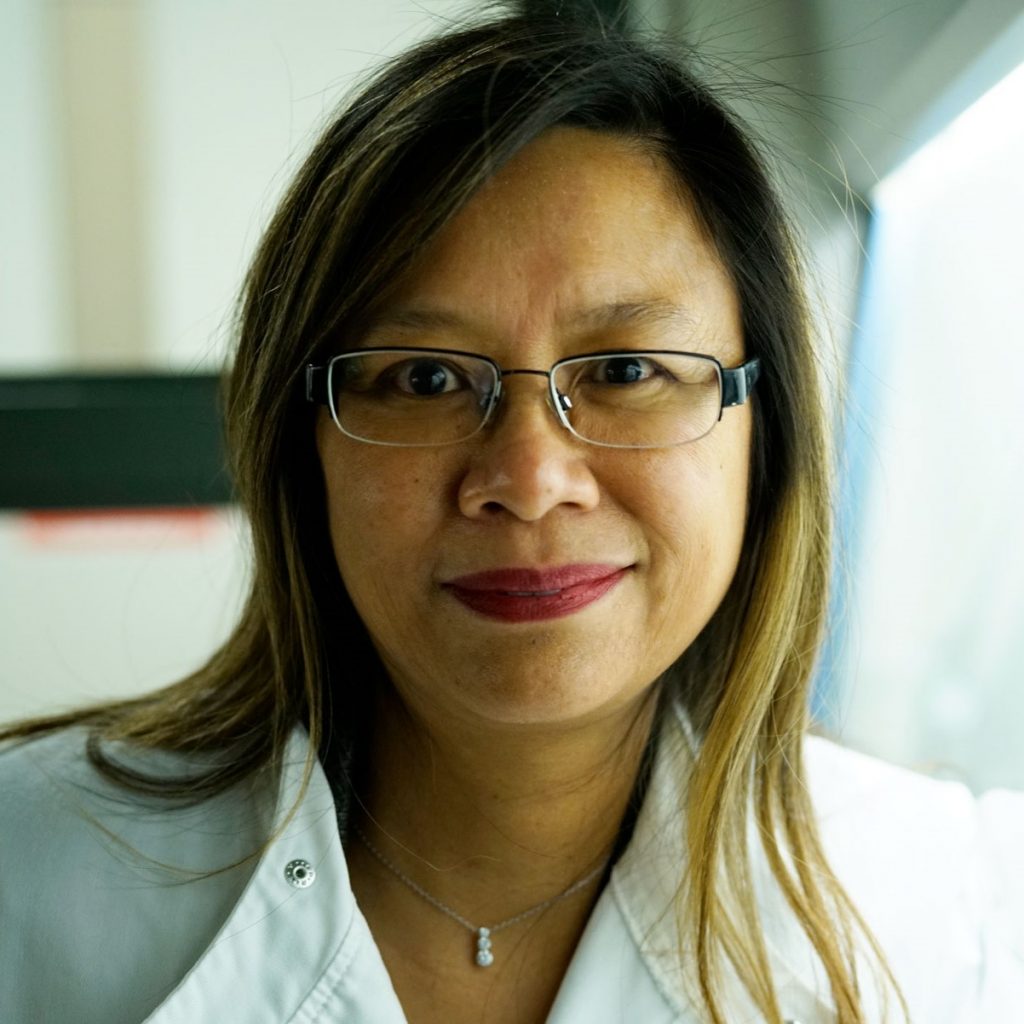
Dr. Jane Bayani
“A significant number will end up dying from the disease,” says Bayani, who has been exploring hormone receptor positive breast cancer since shortly after she joined OICR in 2012.
Back then, there weren’t many reliable ways to predict who might experience a recurrence during or after their initial treatment. This made it tough to determine which patients might benefit from additional drugs like chemotherapy, which could reduce their risk of recurrence.
With that in mind, Bayani and Dr. John Bartlett, who was OICR’s Director of Diagnostic Development at the time, set out to look for genetic clues. They identified a signature of 95 genes that seemed to correspond to breast cancer recurrence and developed a corresponding assay. Using a retrospective cohort study, they were able to validate that their 95-gene signature assay can better predict the risk of recurrence in hormone receptor positive breast cancer.
“Patients who are found to be at high risk of recurrence may want to consider chemotherapy, while those identified as low risk can just continue with hormone therapy,” Bayani explains.
But it’s not enough for the test to work in one of OICR’s labs. If this innovation is going to make an impact on patients, it needs to be reproducible at other labs around the world. Working with partners at OICR and external collaborators, Bayani worked to fine tune their discovery, and ultimately created a robust, reproducible assay and are in the process of confirming its clinical utility.
To date, their risk-stratifying test has been patented in Australia and Japan, with a provisional patent in the U.S. and patenting in progress in Canada, China, and Europe. Now, they are working with industry investors to find the best way to make the test widely available. “This is a Canadian discovery that could be disseminated locally, nationally and internationally,” Bayani says. “We’re looking forward to seeing it help patients get the most effective treatment.”
Knowing which cancer treatments work best
Anthracyclines are one of the most effective treatments for women with high-risk breast cancer. But they are also associated with serious side effects like heart failure and the potential to develop leukemia later in life.
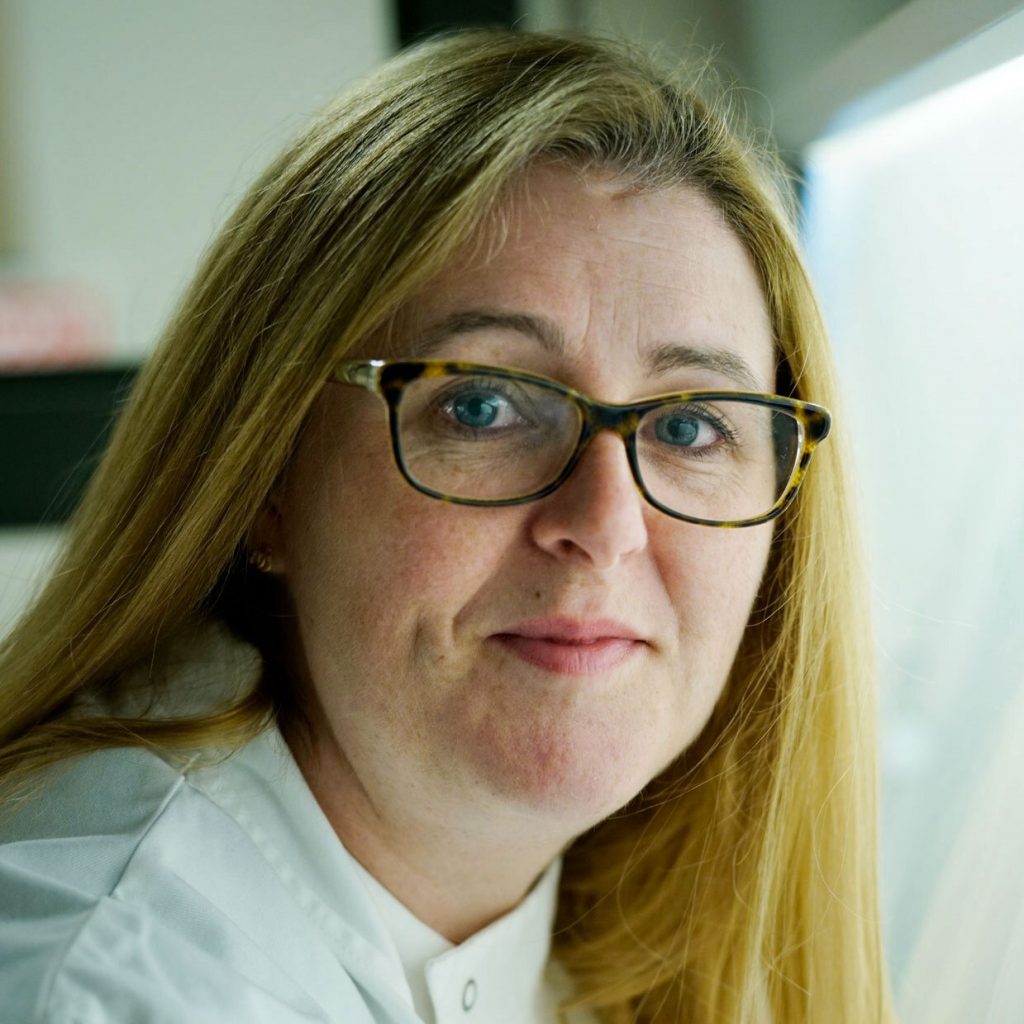
Dr. Melanie Spears
“Because of these nasty side effects, we want to be sure that patients who are given anthracyclines will benefit from them,” Spears says.
This led Spears, Bartlett and their collaborators to explore ways to predict a patient’s response to anthracyclines. They worked with OICR’s Adaptive Oncology team to look for genes that were common in different samples of anthracycline-resistant tumours. Through that, they discovered that patients with low expression of histones H2A and H2B, two types of proteins found in DNA chromosomes, and other genes associated with the pathway were more likely to benefit from anthracycline treatment.
From that discovery, Spears, Bartlett and colleagues created what is believed to be the world’s first assay to predict response to anthracyclines and validated it in two separate clinical trials. “I see this assay being used at diagnosis to determine whether a patient should be receiving anthracyclines as part of their chemotherapy regime,” Spears says. “If it shows they won’t benefit from anthracyclines, they can be given a different regime and hopefully not have some of those severe side effects.”
With the test now fully patented the U.S., China, Europe and Canada, Spears and her team are currently exploring licensing options. Thanks to an investment from FACIT, they are also working to validate the test in a third clinical trial, hoping to achieve the highest standard of evidence.
“We want to get this innovation into the clinic,” Spears says. “We want to give clinicians all the evidence they need to be comfortable using the assay in their day-to-day practice.”
Moving toward personalized medicine
With both tests now in the commercialization phase, Spears and Bayani say it’s rewarding to see their projects move from an initial concept all the way toward clinical implementation.
Though the process took several years, they say it was helped by OICR’s commitment to translational research and the infrastructure it has built. “OICR over the past decade has really invested heavily in translational research. Now we’re seeing the fruits in that investment,” Bayani says.
If all goes to plan, OICR’s investment and the tools it is developing will enable a future where all Ontarians have access to diagnostics and treatments tailored to their unique needs.
In the case of the 95-gene signature test, Bayani and her colleagues are hoping to take the next step toward precision medicine.
Working with their industry partners, they are exploring how to link their risk-stratifying test with a targeted sequencing assay used to predict responses to targeted cancer therapies. With the combined knowledge from these two assays, breast cancer patients can be tested for their risk of recurrence, and high-risk patients can be directed to the additional therapies that give them the best chance of survival and quality of life.
“We want to bring that extra information to clinicians and their patients so they can better prioritize targeted treatments,” Bayani says. “That’s what the future of precision medicine is all about.”
Leveraging Big Data to drive cancer innovations
We asked Dr. Mélanie Courtot about her research interests and her new role as OICR’s Director of Genome Informatics.
OICR-supported projects generate huge amounts of genomics data that have the potential to inform major innovations in the detection, diagnosis and treatment of cancer. But to have an impact, those data need to be accessible to the many researchers investigating why and how cancer develops.
Dr. Mélanie Courtot joined OICR in January 2022 as Director of Genome Informatics and incoming Principal Investigator, bringing a passion for building intelligent data systems to help improve human health. She recently spoke to OICR News about her new role and her vision for a harmonized “knowledge ecosystem” for cancer data.
How did you first become interested in bioinformatics?
I’ve always wanted to work in the health domain. Health affects everyone, and there are so many great opportunities to make an impact. I’ve also always liked computers because they are very black and white. You input instructions and they either work, or they don’t. I’m very logical and the clear instructions and clear results with computers suit me well.
I did my bachelor studies in structural biochemistry and then earned a master’s degree in computer science in 2002. At the time, the Human Genome Project was all over the news and bioinformatics was quite trendy. I saw that it was a discipline that could bring together two domains I liked: health and computing. It was a natural fit, and so I began working as a software engineer and consultant in the bioinformatics space and ended up doing a PhD in bioinformatics at The University of British Columbia.
After several years at the European Bioinformatics Institute, you joined OICR as Director of Genome Informatics in January. Tell us about that role.
I lead the Genome Informatics team, which develops algorithms, software products and production systems for OICR’s Big Data platforms. OICR and our supported programs are collecting more and more genomics data, and we want that data to be useful to other researchers. So we need to make the data sets accessible, and integrate them in a way that researchers can find them and use them to build their own research studies and test their own hypotheses. We also maintain a large data processing centre, which addresses a lot of issues around scalability and the size of data sets.
What made you want to work at OICR?
The team at OICR has an excellent reputation, so that attracted me. I’m also really looking forward to collaborating closely with other teams and programs at OICR that are leveraging the data downstream. It’s great to create data platforms, but in the past, I was a bit further away from the application side. I am excited to have a closer connection with the researchers using the data because it’s the users who should drive the type of data we collect and how it should be annotated and made accessible. Working closely with them will help improve processes on both sides, and I look forward to helping the data drive innovations in other programs.
You are also an incoming Principal Investigator at OICR. What are your research interests?
My research is around data quality, data integration and data availability. I’m really interested in how we handle and integrate Big Data in disparate data sets. In the health domain, everybody is generating their own data in their own ways, and it comes from many different places — from hospital data to research institutions to patient registries. There is so much data in so many places, and if they’re not linked or harmonized, the right data can be hard to find, tough to access and too heterogenous to use efficiently.
My research is about finding ways to improve how data sets are stored, processed and linked so they can be reused by scientists to make important discoveries. My dream is to create a knowledge ecosystem for health data that informs cancer detection, diagnosis and treatment.
What is the potential of harnessing all this data?
If researchers can effectively access and use the data, they can explore the relationship between different data attributes and potentially identify biomarkers that help determine if cancer is likely to develop and — if it does — how best to treat it. Providing this precision care will increase people’s chance of surviving cancer.
For example, imagine going to a clinic for your annual health checkup. They draw some blood and run a panel of diagnostic assays. They refer to your family history and your DNA sequence and ask some questions about your lifestyle. And based on this data, they find that you have an increased risk of developing cancer in the next five years. With that knowledge, you can be monitored more closely to ensure that if cancer develops, it is caught as early as possible and can be treated in a way that is tailored to your specific health needs. This also benefits the health system, because treating cancer earlier is less complicated and less costly.
That’s my vision: transform healthcare by integrating genomics, lifestyle and environmental data to better understand, detect and treat cancer.
OICR announces funding for three new window-of-opportunity clinical trials
Trials are part of OICR’s Window-of-Opportunity Network
June 16, 2022 — Toronto — The Ontario Institute for Cancer Research (OICR) is announcing funding for three new Ontario-based clinical trials as part of its Window-of-Opportunity (WOO) Network.
A collaboration between OICR and Ontario’s research community, the WOO Network supports clinical trials that focus on understanding tumour biology in newly diagnosed or newly recurrent cancer patients. These trials will help scientists understand the impact of cancer therapeutics before surgery, with the goal of helping to improve treatment options for future generations of cancer patients.
The WOO Network is proud to support:
Dr. Michael Ong at the The Ottawa Hospital is examining the effectiveness of pre-operative radiotherapy combined with immunotherapy in patients with bladder cancer, with a specific focus on the role of radiotherapy in ‘priming’ a patient’s immune system to enhance cancer immunotherapy.
Dr. Malcolm Moore and a team from Princess Margaret Cancer Centre, The Ottawa Hospital and Juravinski Cancer Centre are exploring the effect of combining two immunotherapy drugs (durvalumab and oleclumab) given prior to surgery, on the tumour stroma and immune function of patients with resectable pancreatic cancer.
Dr. Dan Breadner of the Baker Centre for Pancreatic Cancer and Lawson Health Research Institute (London Health Sciences Centre) and the Schulich School of Medicine & Dentistry (Western University) is examining if stereotactic ablative radiation (SABR) therapy can reduce the size of pancreatic tumours and make surgeries more effective, while also monitoring for immune changes in and around the tumour that may increase the chance that a patient’s tumour responds to chemotherapy or immunotherapy.
The ‘window-of-opportunity’ is the two-to-six week period between when a person receives a cancer diagnosis and their scheduled surgery. Being able to study cancers before surgery may provide insights into new ways to identify cancer, to measure how cancer cells respond to treatment and to understand how a new therapy works. In particular, window-of-opportunity trials may provide insight into new possible neo-adjuvant therapies aimed at eradicating diagnosed cancer before surgery.
Support for window-of-opportunity trials is part of OICR’s Strategic Plan for 2021-2026, which has a focus on advancing early detection and intervention research, reinforcing Ontario’s global leadership in data sharing and analytics, expanding on Ontario’s robust pipeline of novel cancer therapies and then helping navigate those therapies into commercialization and clinical use.
For more information or to book an interview, contact:
“These innovative trials will provide a unique window into our understanding of cancer biology in response to treatment. We’re excited to collaborate with three outstanding research teams.” – Dr. Melanie Spears, WOO Network Co-lead, Principal Research Scientist at OICR
“The opportunity to initiate potential cancer therapies before surgery will give us a greater understanding of which treatments work best for which patients, and ultimately help bring the most effective therapies to the people who need them.“ – Dr. Angel Arnaout, WOO Network Co-lead, Surgical Oncologist and Professor of Surgery at the University of Ottawa
“The authentic involvement of patient partners is one of the WOO Network’s many strengths, and I know these exciting trials will benefit from the perspectives that we as patient partners are able to offer.” – Carol Gordon, Patient Partner, Member of OICR’s Patient and Family Advisory Council
“Collaborating with OICR has allowed us to move forward with a study we hope can help bring about the best outcomes for people with bladder cancer with the least amount of side effects.“ – Dr. Michael Ong, The Ottawa Hospital
“The WOO Network has helped set our trial up for success as we explore the genetics of pancreatic tumours and how they respond to a combination of immunotherapy medications.“ -Dr. Malcolm Moore, The Princess Margaret Cancer Centre and Drug Development Program
“Our team is excited to better understand the impact of stereotactic ablative radiation (SABR) on pancreatic cancer, and we are grateful to OICR for all its support through the WOO Network.“ – Dr. Dan Breadner, Baker Centre for Pancreatic Cancer
“WOO trials are fantastic collaborations between OICR, cancer researchers from various disciplines and people with cancer from across Ontario that will fuel innovations that improve health outcomes in Ontario and around the world.“ – Dr. Laszlo Radvanyi, President and Scientific Director, OICR
About OICR
OICR is a collaborative, not-for-profit research institute funded by the Government of Ontario. We conduct and enable high-impact translational cancer research to accelerate the development of discoveries for patients around the world while maximizing the economic benefit of this research for the people of Ontario. For more information visit http://www.oicr.on.ca.
The views expressed are those of OICR and do not necessarily reflect the views of the Province of Ontario.
Beyond ‘impact factor’: OICR signs DORA declaration for more equitable research assessment
The Declaration on Research Assessment (DORA) calls for fairer ways to evaluate researchers and scholarly outputs.
Scientific contributions come in many forms and from many places, and not all end up in the pages of prestigious academic journals.
Yet researchers are often funded, hired and promoted based on whether they publish in journals that score high on Journal Impact Factor, an imperfect measure of a journal’s quality.
A growing segment of the research community argues that relying on metrics like Journal Impact Factor paints an incomplete picture of scholarly impact and risks leaving some researchers behind. More than 21,000 researchers and organizations from 158 countries have signed The Declaration on Research Assessment (DORA), which seeks to improve how research is evaluated, and now OICR is among them.
“OICR signed DORA because we support the principles behind it, including assessing research on its own merits and considering broader ways to measure impact,” says Rebecca Tamarchak, Senior Director of Strategy and Governance at OICR.
The DORA declaration recommends eliminating the use of journal-based metrics when evaluating research, and judging papers on their scientific content instead of where they are published. DORA suggests that institutions have clear criteria for hiring and promotion decisions that look beyond publication metrics, especially in the case of early career researchers.
The declaration also recommends institutions capitalize on new opportunities created by online publishing, and explore ways to measure other forms of impact, including influence on policy and practice.
Tamarchak says these recommendations are very consistent with OICR’s current measures of research impact, but OICR is always aiming to improve its processes.
“We are evaluating our current funding guidelines and processes to ensure we are implementing best practices in alignment with DORA,” she says.
New ICGC DACO website offers improved access to cancer data
A new online data access application will provide cancer researchers with a more streamlined and secure way to access important information about tumour mutations.
On May 16, the International Cancer Genome Consortium (ICGC) Data Access Compliance Office (DACO) launched a new website that gives researchers access to ICGC’s controlled data sets.
ICGC’s catalogue of tumour-specific data is freely available to the scientific community, offering key insights into cancer biomarkers that can inform the next generation of diagnostics and therapies. But to minimize the risk of identifying donors, ICGC DACO developed a simple yet secure authorization process for research teams wanting to access the data.
The new site replaces the original ICGC DACO website, an innovative data access application that has been harnessed by about 1,500 researchers since it launched in 2011.
The redesigned website offers better usability, including an improved application form that guides applicants through the process. Under a new data access agreement, the revamped site allows researchers to be approved for two years of access to IGCC controlled data, instead of just one year under the legacy system.
Data security is paramount in the new website, which offers even stronger security to ensure that only known, authorized users can access the data sets. New security features include a single sign-on identification system through Google based authentication.
The legacy ICGC DACO website has now been retired, so approved research teams are strongly encouraged to copy over the relevant information from their legacy application to a new application in the new website.
“We are proud to offer a more streamlined website that is easier to manage and reduces the risk of data loss,” says Kim Cullion, Senior UX/UI Designer for OICR’s Genome Informatics team. “We thank our talented team of engineers, architects and everyone who contributed to the project, and are excited for the first batch of applications to be approved soon.”
OICR has taken a major step to integrate patient perspectives across its research programs by launching a new Patient Partnership Plan.
Co-created with the OICR Patient and Family Advisory Council (PFAC), the Patient Partnership Plan will guide OICR’s activities over the coming three years to ensure they benefit from the lived experience of cancer patients and their families.
OICR believes partnering closely with patients will help align research priorities with patient needs, strengthen cancer research in Ontario and ultimately improve cancer care.
The new Plan establishes several goals for involving patients in research and sets out activities to achieve them. These activities are underpinned by three priorities:
Bringing the patient voice to OICR research
Building capacity for patient partnership
Sharing knowledge
Launching the Plan marks the next stage in OICR’s work to put patients at the centre of its research programs. OICR launched the PFAC in early 2021 and has since incorporated patients into its funding review process, supported research teams to form patient partnership plans and embedded patient partners in key advisory roles.
Moving forward, OICR will evaluate its progress toward the Plan’s objectives and use what it learns to strengthen patient partnership activities.
OICR thanks members of the PFAC for their contributions to the Plan and acknowledges founding PFAC chair Antonia Palmer for working with OICR to initiate these activities. Antonia recently stepped down from her role and OICR welcomed Diana Lemaire as new PFAC chair.
“OICR PFAC members and staff have undertaken a thoughtful and collaborative process to develop our first Patient Partnership Plan. The PFAC is excited to work with staff and researchers to make patient partnership integral to OICR as we move cancer research forward together.” Diana Lemaire, OICR Patient and Family Advisory Council Chair
“This plan is the culmination of so much hard work from dedicated patient partners and OICR staff. Yet it’s also a new beginning, and I’m excited to see the impact patient perspectives will have on the future of cancer care in Ontario.” Rebecca Tamarchak, OICR Senior Director, Strategy and Governance
“Working closely with patient partners has been a tremendous learning experience for everyone at OICR. Their insights have shaped our research for the better, and we look forward to continuing our partnership to solve cancer together. I would like to thank our PFAC and all our patient partners for their time and dedication in working with us to strengthen OICR’s impact.” Dr. Laszlo Radvanyi, OICR President and Scientific Director
Innovative MRI shines new light on cancer
Synthetic correlated diffusion imaging detects tumours and their margins by capturing the movement of water through tissue.
Cancer can be tough to distinguish from the healthy tissue around it, especially in the black-and-white image from a standard MRI.
But new MRI technology is harnessing one of cancer’s unique properties — its irregular density — to ‘light up’ cancerous tissue and pinpoint where it is located.
Synthetic correlated diffusion imaging uses MRI signals and a sophisticated algorithm to capture how water molecules move through tissue at different levels. Cancer cells are packed less uniformly than other tissues, and so the irregular movement of water indicates the presence of cancer.
The system generates an image that resembles a heat map — the more intense the irregular movement of water in one area, the brighter it appears. Cancerous tissue shows up as bright red spots, which researcher Dr. Alexander Wong says makes it easier to see tumours among the surrounding tissue.
“By having the tumour light up in red, we can better localize and detect it, and also get a clearer picture of the margins around it,” says Dr. Wong, an OICR Affiliate and Canada Research Chair in Artificial Intelligence and Medical Imaging at the University of Waterloo.
Dr. Alexander Wong
Dr. Wong and his colleagues spent six years developing synthetic correlated diffusion imaging, hoping to create a cancer-targeted alternative to the standard MRI, which produces images where cancer can be difficult to see.
In addition to Dr. Wong, Dr. Masoom Haider, Professor of Radiology at the University of Toronto and an OICR Clinician Scientist, and University of Waterloo graduate students Hayden Gunraj and Vignesh Sivan, were the core members of the research team. They collaborated with experts at OICR and multiple Toronto hospitals.
Their preliminary study was published in Scientific Reports and describes how synthetic correlated diffusion imaging accurately detected tumours and their margins in 200 patients with prostate cancer. They are also conducting another study testing their new MRI system with breast cancer patients, and Dr. Wong says results are similarly promising.
These studies show that synthetic correlated diffusion imaging has the potential to strengthen early detection, which is crucial to surviving both prostate cancer and breast cancer. It could also help track tumour growth and inform more precise surgeries and therapies.
“I can see a lot of different areas where this could be really important,” Dr. Wong says. “It could help a lot of people get earlier treatment as well as more personalized, targeted treatment.”
Encouraged by the positive results, Dr. Wong says the research team hopes to do a much larger study to refine and validate their technology. They are also exploring how to best integrate synthetic correlated diffusion imaging into clinical practice.
Because it uses the same technology as standard MRI, but with different pulse sequences and specialized software to process data, integration could be relatively seamless.
“That’s the beauty — the physical piece of hardware doesn’t change,” says Dr. Wong. “We designed it so that it can easily fit within the imaging workflow.”
He says it’s also important that results are delivered in a way that resonates with clinicians and helps them make informed care decisions.
“At the end of the day, this is a tool,” Dr. Wong says. “It needs to be something that clinicians can effectively leverage in order to have an impact on what matters most: the health and wellness of patients.”
This website uses cookies in order to optimize the user’s experience. To learn more about how we use cookies on this website, please review our Website Privacy Statement. Your browser settings may allow you to turn off cookies. By continuing to use our website site without changing your browser settings, you consent to our use of cookies in accordance with Website Privacy Statement