TMIST, co-led by Canadian researchers, is working to determine whether a newer form of breast imaging can better detect aggressive breast cancers.
The Tomosynthesis Mammographic Imaging Screening Trial (TMIST) is one of the largest breast cancer screening studies ever conducted, enrolling approximately 108,000 women across North America alone, including those participating at sites in London, Ottawa and Toronto. The randomized trial compares standard digital mammography with digital breast tomosynthesis, a three-dimensional (3D) imaging technology, to assess whether it can better identify the cancers most likely to become dangerous or lethal.
Dr. Martin Yaffe, a senior scientist at Sunnybrook Research Institute and Co-Director of the OICR Imaging Program, is a leader of TMIST and helped develop the technology being evaluated. “The real question is whether this technology can help us find aggressive cancers earlier, before they become more dangerous and when they can be treated more effectively.”
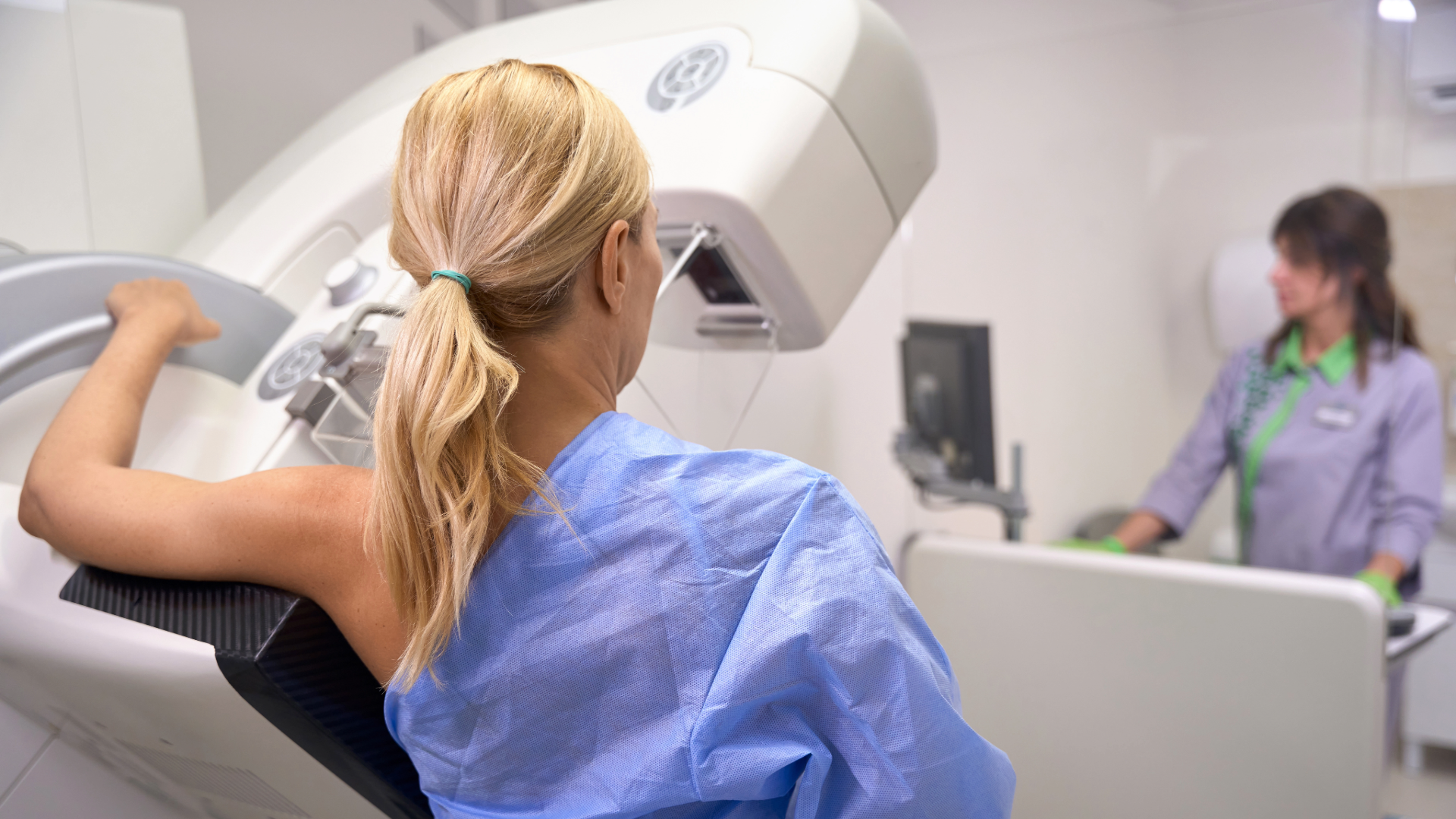
Digital breast tomosynthesis represents an evolution of traditional mammography, which has long been the global standard for screening. While standard mammography produces a two-dimensional image, tomosynthesis takes multiple low-dose X-ray images from different angles and reconstructs them into thin slices, creating a 3D view of the breast.
“Because tomosynthesis is three-dimensional, it gives us a better ability to distinguish a cancer from the surrounding tissue,” explains Yaffe. “Overlapping normal breast tissue can sometimes obscure tumours on standard mammograms, particularly in women with denser breasts. By separating the breast into layers, tomosynthesis helps radiologists see structures more clearly and we expect this trial to demonstrate the benefits of that for patients.”
Researchers are particularly interested in two potential benefits: detecting cancers that might otherwise be missed and reducing unnecessary follow-up imaging caused by what Yaffe calls “false alarms” – findings that initially look suspicious but are ultimately benign.
Although tomosynthesis is already in use in many centres, especially for post-screening diagnostic imaging, its use in routine screening remains limited in part because of the need for robust evidence of its benefit in this use. “We feel the jury is still out, and that’s what TMIST is all about,” says Yaffe “This randomized trial is allowing us to really home in on the question: does this technology make a difference?”
Canadian researchers and clinicians have played a central role in the development and execution of the trial and even conducted a lead-in study before the main TMIST trial began. This trial, supported by the Canadian Breast Cancer Foundation, included approximately 350 participants who fall outside of the age range for TMIST and gleaned early insights into tomosynthesis’ superiority to standard digital mammography in screening. Despite the limitations of this smaller study, Yaffe is encouraged by its results.
“This study suggests that there is indeed a benefit to using tomosynthesis over standard mammography in breast cancer screening and gives us further confidence that TMIST will show that tomosynthesis is a better modality,” he says. “Beyond its findings, the study also helped place Canada as a key contributor to TMIST and we’re proud of the role we’ve played so far.”
The numbers show that Yaffe is correct – Sunnybrook Health Sciences Centre in Toronto was the second-highest recruiting TMIST site worldwide, and four of the top six recruiting sites were in the country. “Canada punched way above its weight in this study,” he notes.
As TMIST progresses, its findings are expected to guide decisions about the future of breast cancer screening, informing whether tomosynthesis should become the new standard and how it can be integrated effectively into clinical practice.
For now, the study represents a critical step in ensuring that advances in breast imaging technology result in meaningful improvements for patients.
“As scientists we will allow the results to speak for themselves, but I am excited by the potential of the trial to be a tipping point in how we screen for breast cancer here at home and globally,” says Yaffe. “Catching more cancers earlier, particularly the aggressive ones, will mean more lives will be extended or saved and that treatments can be deployed when most effective and at a stage where less intense intervention is needed. These are wins for patients and families, our healthcare systems and for us as researchers as well.”