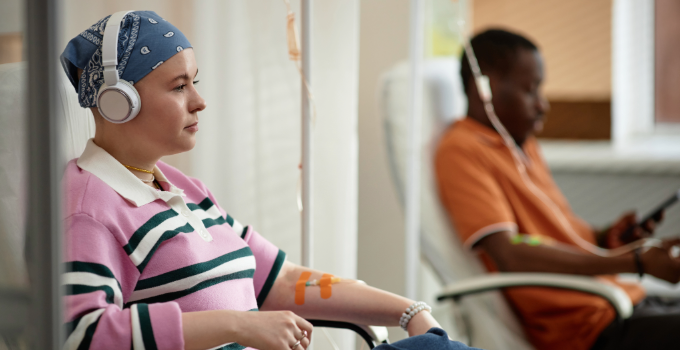
When treating colorectal, pancreatic and other cancers, oncologists often turn to a couple of commonly used chemotherapies, and while these medicines are an effective treatment, they also carry a risk of very negative side effects and in rare cases, death.
Sometimes, inherited genetic variation within a gene called DPYD can affect how someone’s body metabolizes a class of chemotherapy medications called fluoropyrimidines such as capecitabine and 5-fluorouracil (5-FU), and side effects they experience. In Ontario, patients are screened for genetic variants that can identify some of those at risk of experiencing these toxicities so that their doses can be modified. However, not every patient who goes on to develop severe side effects is identified by the current panel of seven variants tested for in the province.
Dr. Richard Kim, an OICR-funded researcher based in London, Ontario, is working to solve this problem by discovering new or rare genetic variants that may be present in our patients, which could further inform the use of 5‑FU and capecitabine.
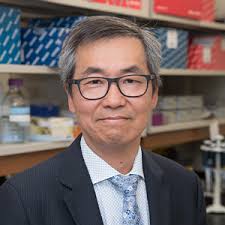
“Ontario is a leading jurisdiction in terms of the testing we carry out before administering these drugs, but these tests only cover seven genetic variants in DPYD.” explains Kim, who is Wolfe Medical Research Chair in Pharmacogenomics and Professor and Chair, Division of Clinical Pharmacology at Western University. “These limitations mean that other DPYD variants, particularly rare ones, may be missed. Fortunately, with next generation sequencing and other technological advances we have been able to identify more variants that could be used to guide chemotherapy dosing and further personalize care.”
Kim’s research to examine the deeper genetic landscape to understand the role of rare or previously unstudied DPYD variants is multi‑layered and ambitious in scope. Funding provided by an OICR Pre-Clinical Acceleration Team Award and access to OICR’s cutting-edge technology and expertise are helping to drive this research forward.
One stream of the project, which includes next‑generation sequencing performed by OICR’s Genomics program, is providing detailed insight into the diversity of DPYD variants found across patients receiving chemotherapy.
A recent study in this stream used whole-exome sequencing on samples from 334 patients treated with 5-FU whose clinical testing did not flag any relevant variants and examined their association with severe side effects. Through this they found four rare DPYD variants linked to severe, often early toxicity. This suggests that expanding genetic screening beyond the standard DPYD panel could improve patient safety and personalization of chemotherapy dosing.
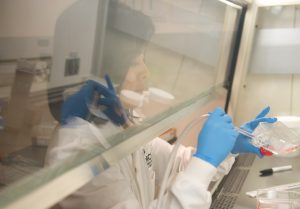
Another part of the work focuses on functional laboratory studies, where specific rare variants are tested in controlled cell-based systems to determine whether they meaningfully affect the activity of the DPD enzyme, which plays a key role in chemotherapy metabolization. This is paired with observational analysis of the level of drugs within a patient using advanced mass spectrometry, helping the team better understand how genetics, biology and treatment interact in practice.
“We want to ensure that as testing becomes more sophisticated, it also becomes more useful for the clinicians who depend on it,” Kim explains. “That’s why the quality of the research matters so much, especially when it comes to rare variants. In some cases, these could be benign and we could risk under-dosing patients. We want to provide strong scientific evidence that clinicians can use with confidence to personalize care.”
Ontario’s DPYD testing program already adds important value for patients today, and the research underway is helping shape what tomorrow’s standard of care could look like. Kim, who also serves on the Ontario Health – Cancer Care Ontario DPYD Expert Panel, notes that the province has shown that it is open to testing for additional DPYD variants as scientific knowledge, technology and the needs of our healthcare system evolve.
“At first, Ontario tested for four, well-characterized variants, but this was eventually expanded to seven to include variants that are more clinically relevant to those with non-European ancestry,” explains Kim. “This is a great example of how research‑driven, patient‑centred healthcare allows us to truly deliver personalized medicine for our patients.”