
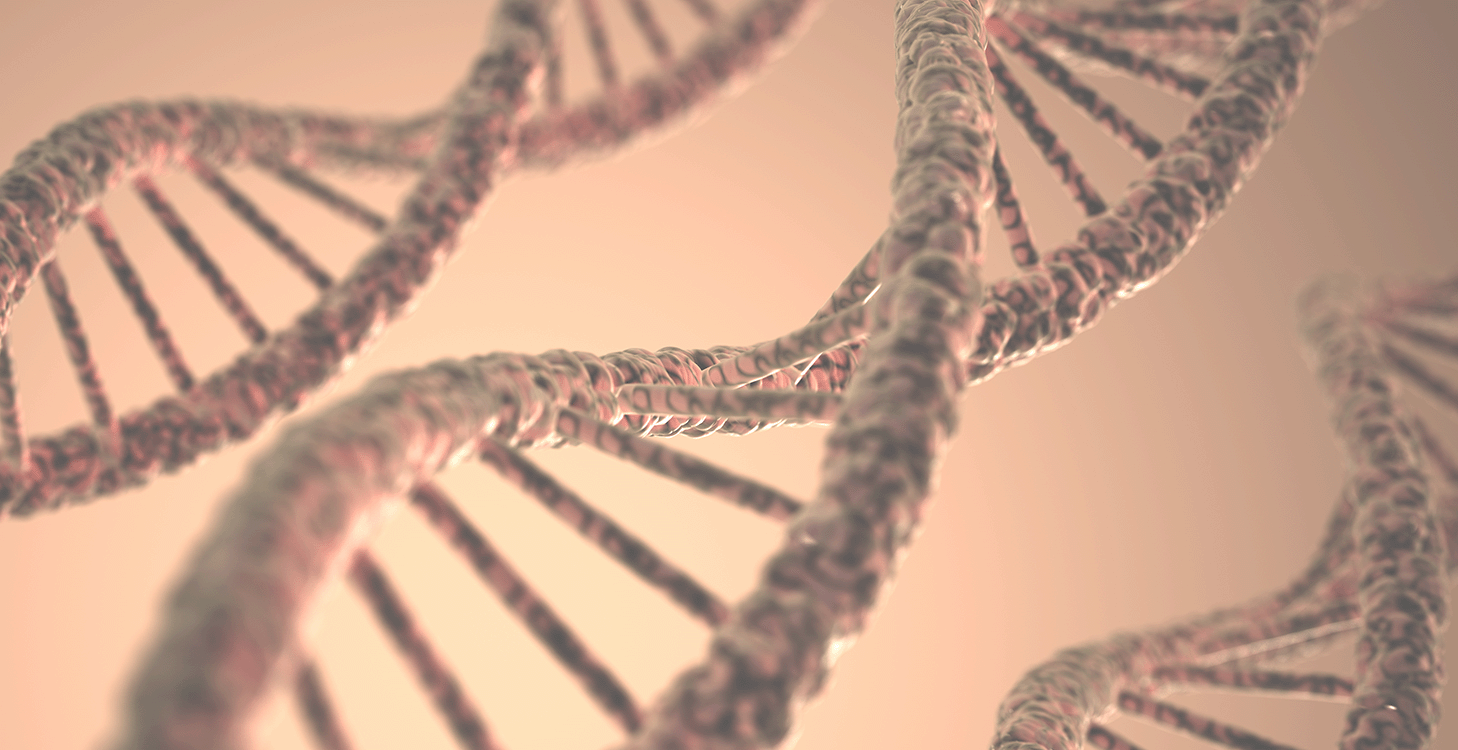
Research from the Ontario Institute for Cancer Research associated a chemotherapy-related cellular process with genetic mutations and used it to identify novel cancer driver alterations.
New research published in Nature Communications has linked a normal cellular process to an accumulation of DNA mutations — including some that drive cancer to develop and grow.
Led by Dr. Jüri Reimand of the Ontario Institute for Cancer Research (OICR), the study centres around a protein called TOP2B, part of a family of enzymes that serve an important function in cells and are targets of common cancer chemotherapies.
Strands of DNA are long and complex, and they often get looped and tangled. When that happens, TOP2B and other topoisomerase proteins make cuts to DNA strands to help untangle and repair them. But Reimand and colleagues found many genetic mutations present at the sites of these cuts.
“Our evidence shows that where TOP2B interacts with a genome to fix DNA loops, a lot of mutations accumulate in cells,” says Reimand, a Principal Investigator in Computational Biology at OICR and Associate Professor in the University of Toronto Departments of Molecular Genetics and of Medical Biophysics. “The vast majority of these mutations are probably harmless, but we also found dozens of well-known cancer-driving mutations at these sites.”
With that in mind, Reimand and colleagues generated a unique collection of sites where TOP2B binds to DNA and then used it as a starting point to search for novel cancer-driving mutations in more than 6,000 genomes of multiple cancer types. They looked specifically at the non-coding genome — large sections of DNA that do not encode for proteins and thus aren’t as well understood as other sections.
By mapping tens of thousands of sites in the non-coding genome where TOP2B is bound to DNA, they identified hundreds of potential cancer-driving mutations. Then they focused on a non-coding RNA gene called RMRP, which had previously been linked to breast cancer. Using functional genomics and mouse models, Reimand and colleagues validated that RMRP plays a key role in the initiation and growth of tumours.
Reimand says the study’s findings could help identify genetic underpinnings of cancers and ultimately new ways to treat them. It could also shed new light on the risks associated with existing treatments.
Existing drugs involving topoisomerase poisons are frontline cancer chemotherapies that are intended to target a different topoisomerase protein called TOP2A that is required for cell division. These chemotherapies can also unintentionally target TOP2B, which has been linked to treatment-related blood cancers. However, before this study, it was unknown whether the DNA regions bound by TOP2B experience an increase in potentially harmful mutations.
“Knowing that the non-coding regions of the genome bound by TOP2B engage distinct mutational processes and an increase in cancer-driving mutations, we have new places to look for cancer driver mutations before and after chemotherapy,” Reimand says.
Co-author Dr. Michael Wilson of the SickKids Research Institute says this study contributes important new information about the nature of TOP2B, which is expressed in non-dividing cells throughout the body.
“While TOP2B’s natural function is still being defined, we know that it interacts with some of the most important non-coding genomic regions controlling gene expression and chromosome structure,” says Wilson, whose research focuses on epigenomics and DNA topology.
“We found that TOP2B operates right where the genome bends and loops to control genes, and those spots are more vulnerable than we expected,” adds Dr. Liis Uusküla-Reimand, co-first author of the study and biomedical scientist at the SickKids Research Institute focusing on DNA topoisomerases and chromatin architecture. “These busy regions can turn into mutation hotspots in cancer, giving us a new way to understand how the shape of the genome affects how cancers form. This highlights TOP2B as a double-edged sword.”
Dr. Daniel Schramek, another of the study’s co-authors, noted that this work shows what’s possible when powerful computational tools are combined with careful experiments in mouse and cell-based models.
“We discovered that mutations in a small regulatory region near the RMRP gene can initiate cancer and make it more aggressive,” says Schramek, a Senior Investigator at the Lunenfeld-Tanenbaum Research Institute who specializes in functional genomics. “Testing more of these sites using advanced CRISPR techniques will likely uncover even more hidden non-coding drivers.”
This study was funded by OICR, the Canadian Institutes for Health Research, and the Terry Fox Research Institute.