Why chemotherapy harms your bone marrow and how the damage could be prevented

Research from OICR Investigator Dr. Anastasia Tikhonova shines a light on the biology behind bone and blood health complications that arise after treatment with chemotherapy.

New OICR research has discovered the biological process behind common long-term side effects of chemotherapy and could offer a new strategy to improve quality of life for cancer survivors.

Chemotherapy remains one of the most common treatments for cancer. But while it’s effective at killing cancer cells, it can also harm other tissue in the body and cause potentially life-changing side effects.

A team of researchers led by OICR Investigator Dr. Anastasia Tikhonova and graduate student Ximing Li set out to explain why many cancer patients treated with chemotherapy struggle with bone and blood health complications for months and sometimes years after their treatment ends.

In a study published in leading hematology journal Blood, they found that a common chemotherapy called doxorubicin causes an immune response that leads to chronic inflammation in bone marrow and nearby cells. Healthy bone marrow helps produces most of the body’s blood and bones cells, but chronic inflammation disrupts its ability to produce blood-forming stem cells and support healthy bones. This can leave bones weaker and more susceptible to breaks and injuries.

“Bone marrow is more than a factory for blood cells, it is a complex environment that supports both blood formation and bone health,” says Tikhonova, a Senior Scientist at Princess Margaret Cancer Centre and Assistant Professor of Medical Biophysics at the University of Toronto. “What we found is that chemotherapy can leave this environment in a prolonged inflammatory state. Even after the chemotherapy is gone, the bone marrow may remain damaged and less able to support normal regeneration. Our goal is to find ways to protect that environment so patients can recover better after treatment.”

In the hopes of curbing potential bone and blood vessel damage in cancer patients, Tikhonova and the research team dug deeper into the process behind the damaging inflammation. They found that doxorubicin causes an immune cell called CD8+ T cells to produce increased levels of a protein called interferon-gamma. An inflammatory signalling protein, or cytokine, interferon-gamma normally helps coordinate immune responses to infections and other foreign substances. But when its levels are persistently elevated, it can also alter surrounding tissues.

Then they looked at whether they could stop that process. They blocked interferon-gamma signalling in mouse models and found that several features of the damaged bone marrow and surrounding microenvironment recovered partially. When they combined this approach with a treatment that promotes vascular recovery, it also reduced chemotherapy-associated skeletal damage.

While there isn’t a current clinically approved way to block interferon during chemotherapy in humans, Tikhonova hopes her team’s discovery provides a head start on a new strategy to improve quality of life.

“Chemotherapy still has an important role to play in cancer treatment, but we need to protect patients from the long-term side effects,” Tikhonova says. “Our study shows you can take a scientific approach to helping people stay healthy and enjoy life after their cancer treatment is over.”
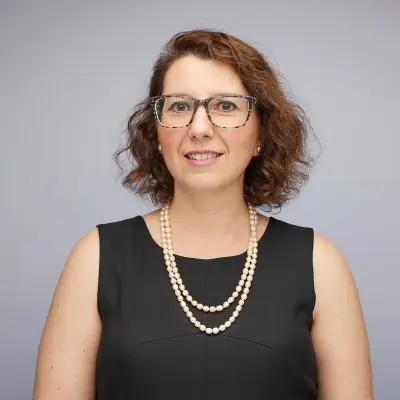
Q&A with Dr. Isaac Harris

New OICR Investigator discusses coming home to Ontario, the link between antioxidants and cancer, and how he wants his research to help improve your diet.

Dr. Isaac Harris was recently recruited to McMaster University and the Centre for Discovery in Cancer Research (CDCR) from the University of Rochester Medical Center in New York. The new OICR Investigator and expert in antioxidants and cancer spoke to OICR News about his decision to relocate to Hamilton and how he sees his research having an impact on cancer prevention, detection and treatment.

What attracted you to McMaster?

I grew up in Ottawa and did my undergraduate and graduate studies at the University of Toronto and at the Princess Margaret Cancer Centre, so it was always a dream to be able to come back to Canada. McMaster was the perfect place professionally. They have really great cancer biologists at the CDCR, both established and up and coming, such as Katie Houlahan. They also have huge expertise in metabolism research with top-notch investigators such as Greg Steinberg, who co-directs the Centre for Metabolism, Obesity and Diabetes Research. Finally, McMaster has amazing facilities, including high-throughput instrumentation at the Centre for Microbial Chemical Biology. My research intersects all of those areas, so I knew that coming here I’d be able to hit the ground running and take my research to a much higher level.

Why was it the right time for you to make the move back to Canada and Ontario?

I think it is an amazing time for cancer research in Ontario and Canada. Canada is a great place to be a cancer researcher; you can do really high-level research here while being in, what’s for me at least, the perfect place to live. In my career I have been fortunate to have trained and conducted research around the world and I can tell you that the level of science that’s happening here is as high as anywhere. On top of that, I think we have a uniquely strong network of collaboration, which is a key to success.

What are the big scientific questions you and your lab are trying to answer and why do they matter in the context of cancer?

We study antioxidants and their roles in health and disease, including cancer. In the public domain we see that there is a fairly widespread belief that antioxidants prevent cancer. However, the evidence is actually to the contrary.

When I started my graduate studies at Princess Margaret, they had just ended a massive clinical trial of antioxidants in cancer. Amongst the more than 35,000 men enrolled they found that those on antioxidant supplements were actually more likely to develop prostate cancer.

This got me interested in, absent supplements, how does the cancer make its own antioxidants? The clinical trial was saying, ‘more antioxidants, more cancer’ and so we were thinking – as a therapeutic approach – ‘less antioxidants, less cancer’. The research has shown that to indeed be the case – we can stop the growth of and/or sensitize cancer cells by blocking these antioxidant pathways. We’re also looking into a potential diagnostic approach that would allow cancers to be detected by their abundance of antioxidant production.

What do you think the general public should know about antioxidant supplements, especially when it comes to cancer?

First, we need to understand that the interest in these supplements is driven by people wanting to have control of their health, in this case to prevent cancer or aid in its treatment. And I think there’s this common misconception that at worst the supplements just do nothing and you are no worse off. However, the science clearly shows that there is in fact usually no benefit when it comes to cancer and that some of these supplements may be detrimental. I think that right now we are seeing a lag between what the research says and how society responds to those findings, not dissimilar to how it took many years for anti-smoking measures to catch up with the established science.

How do you hope that your research will help inform that conversation and help people make better decisions about their health?

There are two primary ways that our research plays a role here. One is informing the public about the role that diet plays in cancer, and the other is building evidence to support the regulation of supplements.

By continuing to add evidence about the role of antioxidants in cancer, and how certain foods such as those with animal-based fats can fuel cancers, we hope to help people make better diet and lifestyle choices. We need to drive home the importance of what we eat when it comes to cancer and the more evidence we have, the stronger we can make that point.

Just as importantly, we need to use that same evidence to push for regulation of these supplements. Right now, there is very little oversight of what’s on the market and no proof of efficacy is required to sell a supplement. At the very least, we need to make sure that people are properly informed about what they are putting into their bodies and clearly warned of the risks.

Finally, beyond diet and supplements, we believe these antioxidants are critical to cancer growth and progression. We think that we can potentially identify cancers by monitoring antioxidant levels in the body. Further, we believe that by developing new drugs that block these antioxidants, we can slow or stop cancer growth.

How will being an OICR Investigator help advance this research?

The support that OICR is providing is critical to getting established here in Ontario and, as I said earlier, really taking what we have been doing to the next level. But being successful in that does not just come down to funding – it’s really about the environment, expertise and people around you.

It’s early days, but I can already tell that being a part of the OICR community will pay dividends for my lab, especially when it comes to forging the inter-institutional and cross-disciplinary collaborations that are so important to research today. On top of that OICR’s translational focus can help ensure that our work is really making a difference in the health of individuals and our communities.

Making precision oncology more equitable: Findings from the Lancet Oncology Commission

OICR’s Dr. Lincoln Stein and Dr. Mélanie Courtot were part of an expert international commission to understand and overcome challenges in precision oncology.

The results of a global commission on equity in precision oncology were published today, providing a roadmap for all patients to benefit from cancer innovations no matter where they live in the world.

The Lancet Oncology Commission on Cancer Genomics and Precision Oncology announced the findings from its international panel of experts — including OICR’s Dr. Lincoln Stein and Dr. Mélanie Courtot — at the World Cancer Congress in Hong Kong.

Precision oncology is an emerging approach to cancer care where molecular testing for “biomarkers” helps diagnose cancer more precisely and tailor treatment to the unique biology of each patient’s tumour. It has been advancing rapidly in recent years thanks to the groundbreaking work of organizations like OICR, which drives breakthroughs in cancer genomics through research programs like PanCuRx and large-scale genomics data stewardship projects like ICGC-ARGO.

Created in 2023 and coordinated by ICGC-ARGO, the Lancet Oncology Commission was tasked with helping understand current barriers to widespread adoption of precision oncology, and providing evidence-based recommendations to overcome them.

“There are a number of legal, regulatory and logistical challenges that lead to inequities in patients’ access to precision oncology and the research that drives it,” says Stein, Head of Adaptive Oncology at OICR. “We hope the Commission’s findings provide a call to action for policymakers around the world to help bring precision oncology to all cancer patients, and a roadmap for how they can achieve that.” 

The Commission found that, despite major innovations in biomarker testing and targeted treatments, access to precision oncology varies greatly both across and within countries globally. Low and middle-income countries in particular faced barriers like limited lab capacity to process molecular tests, inadequate financing, and shortages of specialists. As a result, only one in five eligible patients globally receives testing for cancer biomarkers, with the majority concentrated in the wealthiest countries.

Similar disparities were also present in precision oncology research, with the bulk of genomic research and clinical trials taking place in high-income countries. That means certain populations are under-represented in precision oncology studies, leading to a lack of understanding of how new tests and treatments may be relevant to these populations, and exacerbating inequities in the care they ultimately receive.

To address these challenges, the Commission developed 10 recommendations on how to integrate precision oncology into national cancer control strategies, adopt it into routine clinical care, support it with sustainable infrastructure, and strengthen research in cancer genomics.

According to the Commission, more widespread and equitable precision oncology will not be possible without more effective systems to collect, store and share cancer genomic data. And that was the subject of one of the Commission’s companion studies co-led by Stein and Courtot.

Published today in the journal eBioMedicine, the study describes how genomic datasets are currently siloed across projects, platforms and jurisdictions. There are several reasons for this fragmentation, including differences in how data are collected and stored in different research projects, as well as regulatory and logistical challenges that prevent data from being shared from one jurisdiction to another. The strict measures that are often in place to prevent the misuse of confidential patient data can sometimes limit legitimate use by researchers.

“When cancer genomics data can’t be shared, compared and studied around the world, it limits our ability to learn from and apply these data to make new discoveries and implement them into cancer care,” says Courtot, Director of Genome Informatics at OICR and a member of the ICGC-ARGO management committee.

The study found that barriers to data sharing can only be overcome if data sharing is viewed as central to progress in precision oncology. Policymakers must ensure there is sustained funding for infrastructure and training, research funders must make data management a condition of funding, and researchers must outline a clear data management plan from the outset of each project.

Courtot says that OICR can play a critical role in overcoming these challenges. As a leading research institute, research funder, and host of significant cancer genomics data platforms, the Institute can shape data management practices at both the policy and project levels. OICR also co-founded ICGC-ARGO, which coordinates cancer genomics data across 17 countries, and the Global Alliance for Genomics and Health, which sets data management standards that can be followed by all researchers across the world

“OICR has extensive experience building the infrastructure for successful data management, and we have seen first-hand the benefits that data sharing can have on innovation and on patient care,” Courtot says. “Now we need to work together with the global community to drive more discoveries in precision oncology and help ensure that everyone, everywhere can benefit.”

Researchers identify tumour “fingerprints” linked to aggressive prostate cancer

Exciting new findings from a landmark international collaboration co-led by OICR were published in Nature.

Prostate cancer leaves behind genetic “fingerprints” that provide clues about how aggressive it will become and could help personalize cancer treatment in the future, according to groundbreaking new research co-led by the Ontario Institute for Cancer Research (OICR).

About one in eight men in Canada will be diagnosed with prostate cancer in their lifetime. While some prostate cancers are relatively harmless and patients can live many years without symptoms, others will spread aggressively and become life-threatening.

In a study published today in Nature, an international team of researchers analyzed samples from nearly 1,000 men with prostate cancer. Rather than focusing only on cancer-causing genes, the researchers used high-powered whole-genome sequencing and machine learning tools to examine genetic mutations across the genome. Different biological processes leave different patterns of mutations, creating distinct genetic “fingerprints”. They then determined how those fingerprints were associated with tumour characteristics.

They discovered eight distinct mutational ‘fingerprints’ left behind by different cancers that helped explain how those cancers developed. Four of those fingerprints were linked to a high risk of cancer spreading.

“Knowing which tumours are most likely to spread and become deadly would be a significant advantage when planning treatment for prostate cancer,” says Dr. Jüri Reimand, an OICR Principal Investigator, Associate Professor in the University of Toronto’s Departments of Molecular Genetics and Medical Biophysics and one of the senior authors of the study. “Patients with the highest-risk tumours could get more intensive treatments, while others could be spared from potentially unnecessary treatments and side effects.”

The study is the first publication from the Pan Prostate Cancer Group (PPCG), a large-scale international collaboration co-founded by The Institute of Cancer Research and the University of East Anglia in the UK, that is studying molecular data from 2,000 prostate cancer patients across nine countries.

The Nature publication was co-led by Dr. Kevin Cheng of Reimand’s lab, which develops and applies machine learning methods to analyze large cancer datasets. Reimand and Cheng collaborated with Dr. Joachim Weischenfeldt of the University of Copenhagen and Rigshospitalet in Denmark, Dr. Geoff Macintyre of the Centro Nacional de Investigaciones Oncológicas in Spain, Dr. Andreas Gruber of the Universität Konstanz in Germany and colleagues from around the world.

“We have effectively created a map of the biological processes that drive prostate cancer,” says Dr. Joachim Weischenfeldt of University of Copenhagen and Rigshospitalet, another of the study’s senior authors. “This opens an entirely new field for understanding the underlying biology and for developing new treatments.”

Researchers will now investigate whether these mutational fingerprints can be used to classify prostate cancers based on how aggressive they are likely to become. If the classification system is validated in clinical studies, it could one day become a valuable tool to shape treatment decisions for patients with prostate cancer.

The study also has broader implications. Researchers also found that some fingerprints were associated with improved response to chemotherapy in an independent patient cohort. The same approach could potentially be applied to other cancers as well, helping identify the most aggressive breast, ovarian and other tumour types.

“This new way of understanding how cancer genomes evolve gives us another layer of information that can potentially be used to make sure each cancer patient gets the right treatment at the right time,” Reimand says.

This story informed in part by publications by the The Institute of Cancer Research and the University of Copenhagen and Rigshospitalet

How Ontario scientists are preserving young cancer patients’ option to have children later in life

Support from OICR is helping increase uptake in an ovarian tissue cryopreservation program, which is offered to young cancer patients whose treatment might affect their fertility in the future.

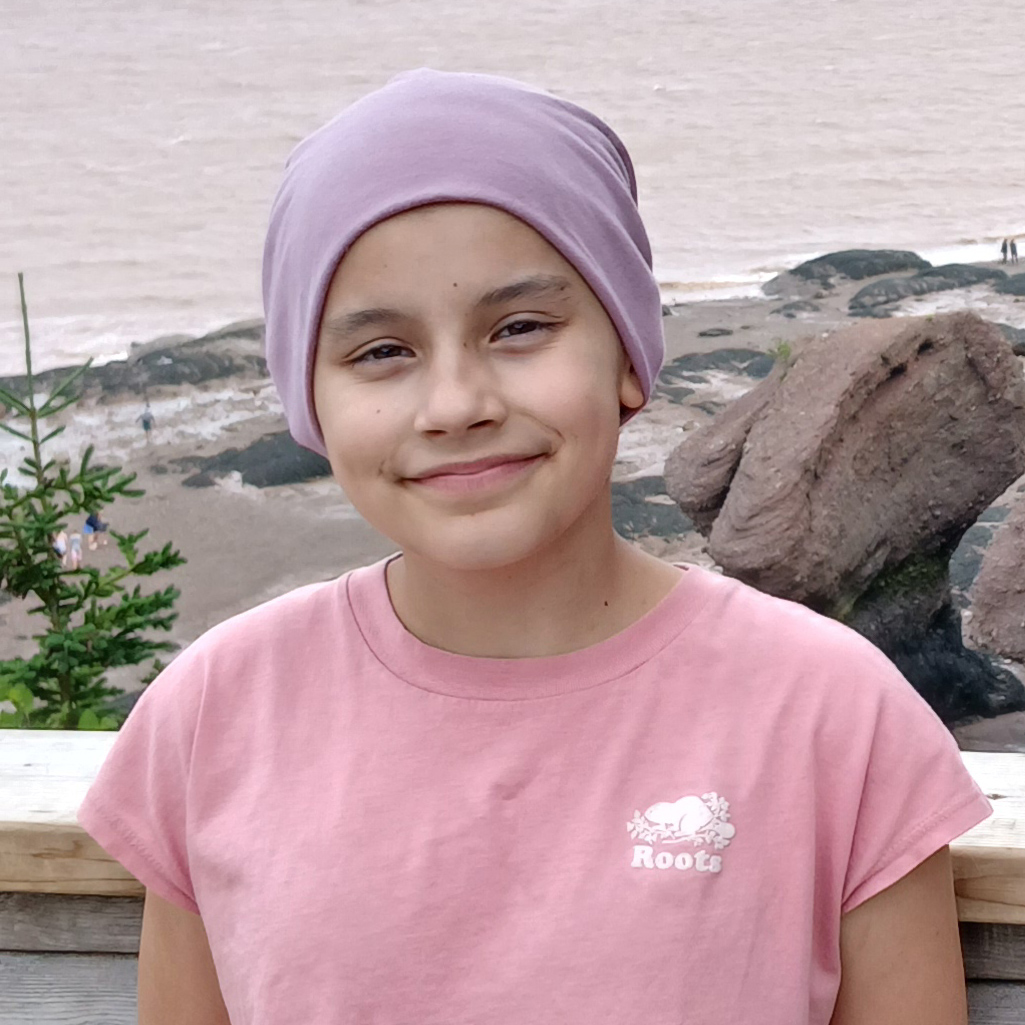
The weeks after Evelyn Pijper was diagnosed with brain cancer last year were a whirlwind.

Just 12 years old and facing an aggressive course of surgery, radiotherapy and chemotherapy, Evelyn and her family were confronted with a dizzying list of life-changing risks and side effects.

Evelyn Pijper

“It’s so much information about what could happen, and you’re just trying to get through what is happening now,” recalls Lisa Mychajluk, Evelyn’s mother.

Lisa says if it wasn’t for a unique OICR-supported program, they may have just glossed over one unexpected risk of Evelyn’s treatment — chemotherapy would likely damage her ovaries, leaving her unable to have biological children in the future.

Before Evelyn started chemo, her doctor referred her to the ovarian tissue cryopreservation (OTC) program at Sinai Health System. The program offered Evelyn the option to remove and freeze tissue from her ovary that could be implanted back into her body later in life and give her a chance to conceive.

“I’m not sure if I want to have kids, but I might change my mind later on,” Evelyn says. “So I thought the procedure was a good idea.”

Preserving the choice to conceive can be empowering for young cancer patients and their families at a time when everything feels out of control, says reproductive endocrinologist Dr. Jennia Michaeli.

Michaeli runs the OTC program, which became the first of its kind in Ontario when it opened two years ago. It is offered to young cancer patients who haven’t hit puberty yet, and therefore aren’t eligible for normal egg retrieval, as well as anyone whose cancer treatment is so urgent they can’t wait the weeks of preparation for egg retrieval. While it’s based at Sinai, the program partners with other Ontario hospitals to ensure people across the province have access. But despite now being standard of care, referrals to OTC remain low.

“It’s a new service, and not all clinicians know they should refer their patients to it,” says Michaeli, who is also a clinician-investigator at Sinai. “There is also a longstanding discomfort among oncologists about having fertility discussions with young patients, which can lead to missed opportunities.”

Dr. Jennia Michaeli

To minimize these missed opportunities, Michaeli is working with The Hospital for Sick Children (SickKids) implementation scientist Dr. Nicola McCleary and a multidisciplinary team to study how to increase the rate of young cancer patients referred to the program.

The study team will engage health professionals and lived experience partners to understand the potential impacts of  a streamlined pathway for eligible SickKids patients to be referred to the program and identify any implementation barriers that need to be overcome. Launched in July 2025, the study was selected for an OICR Innovation to Implementation award last year.

“With this support from OICR, we hope we can demonstrate a scalable model that increases referrals province-wide and give more young people the option to preserve their fertility,” Michaeli says.

It has been a little over a year since Evelyn was first diagnosed and about four months since her last round of chemotherapy. Doctors told her she is cancer-free, and her energy is coming back more and more every day.

Now 13 years old, she is more focused on getting back to school and on her hobbies, like baking cookies and auditioning at her local theatre company in Orangeville, Ont., than she is on having babies in the future. But she counts the OTC program as one of many things she’s grateful for over a difficult year.

“Looking back, I’m happy I did it,” Evelyn says. “Because I might in the future want to have a child, and it could give me that chance.”

Ontario commercialization partnership fills critical gap for women entrepreneurs and advances cancer discoveries

The WeSEED program from FACIT and OBIO® provides support and seed investment for women-led life sciences companies.

Two of Ontario’s leading drivers of life sciences innovation have teamed up to empower the province’s women entrepreneurs, and it’s helping bring life-changing cancer discoveries closer to patients who need them.

FACIT and OBIO® partnered to create the Women’s Synergistic Entrepreneurship and Economic Development (WeSEED) program, which provides business training, venture capital and other resources to the women entrepreneurs behind made-in-Ontario cancer innovations.

Launched in March 2025 with a cohort of five companies, the program addresses a critical gap for women-led start-ups, which receive just over two per cent of venture capital globally.

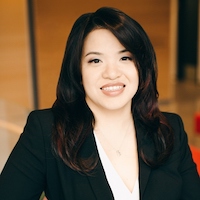
Dr. Connie Chen

“That disparity means a substantial number of start-ups were lost before they were even created. These barriers impede women-led companies from growing and thriving, and prevents their innovations from making an impact on the lives of patients in Ontario and elsewhere,” says Dr. Connie Chen, Senior Director of Strategy and Corporate Development for FACIT, OICR’s commercialization partner. “By supporting women entrepreneurs, WeSEED aims to elevate equity and representation in life sciences, advance homegrown IP, and give Ontarians access to the most innovative solutions in cancer care.”

WeSEED combines the strengths of both organizations and their proven track records of supporting women-led life sciences in Ontario. FACIT provides Ontario oncology start-ups with seed capital and commercialization expertise, with more than 40 per cent of its portfolio companies being women-founded or women-led. These companies have gone on to attract an additional $330 million in private sector capital to drive Ontario cancer-related innovations forward. OBIO’s Women in Health Initiative (WiHI) is designed to increase the participation and advancement of women in the life sciences and health tech sectors. WiHI has supported over 370 women in life sciences through training and experiential learning, and over 27 women-led companies in the WiHI Seed Program. WiHI alumni companies have raised over $28 million in capital.

With WeSEED, FACIT and OBIO are creating an intentional pathway to move promising women-led innovations from concept, to company, to investment and impact. By coordinating and combining efforts, they will give Ontario entrepreneurs access to earlier and integrated support, allowing companies to take full advantage of both organizations’ networks and resources.

“Canada’s future health and life sciences breakthroughs depend on ensuring that talented women entrepreneurs have equitable access to the resources needed to succeed,” said Dr. Maura Campbell, President & CEO of OBIO®. “The WiHI Seed program, together with our We-SEED partnership with FACIT, are creating meaningful opportunities for women-led companies to accelerate growth, attract investment, and bring impactful health technologies to patients and healthcare systems.”

Dr. Agata Kieliszek

Dr. Agata Kieliszek, Co-Founder and CEO of Block Biosciences, says the program is providing expert mentorship at a critical time for her start-up. Block Biosciences aims to develop the world’s first therapy to prevent brain metastases before they happen, and Kieliszek says WeSEED is opening doors to new funding and strategic opportunities that will help make that goal a reality.

“WeSEED provides a structured and supportive environment that encourages women founders to build meaningful relationships with mentors, investors and peers,” says Kieliszek, whose company Block Biosciences received an investment of $100,000 from OBIO® to accelerate commercialization of their novel therapy. “In doing so, they create more equitable access to networks and capital.”

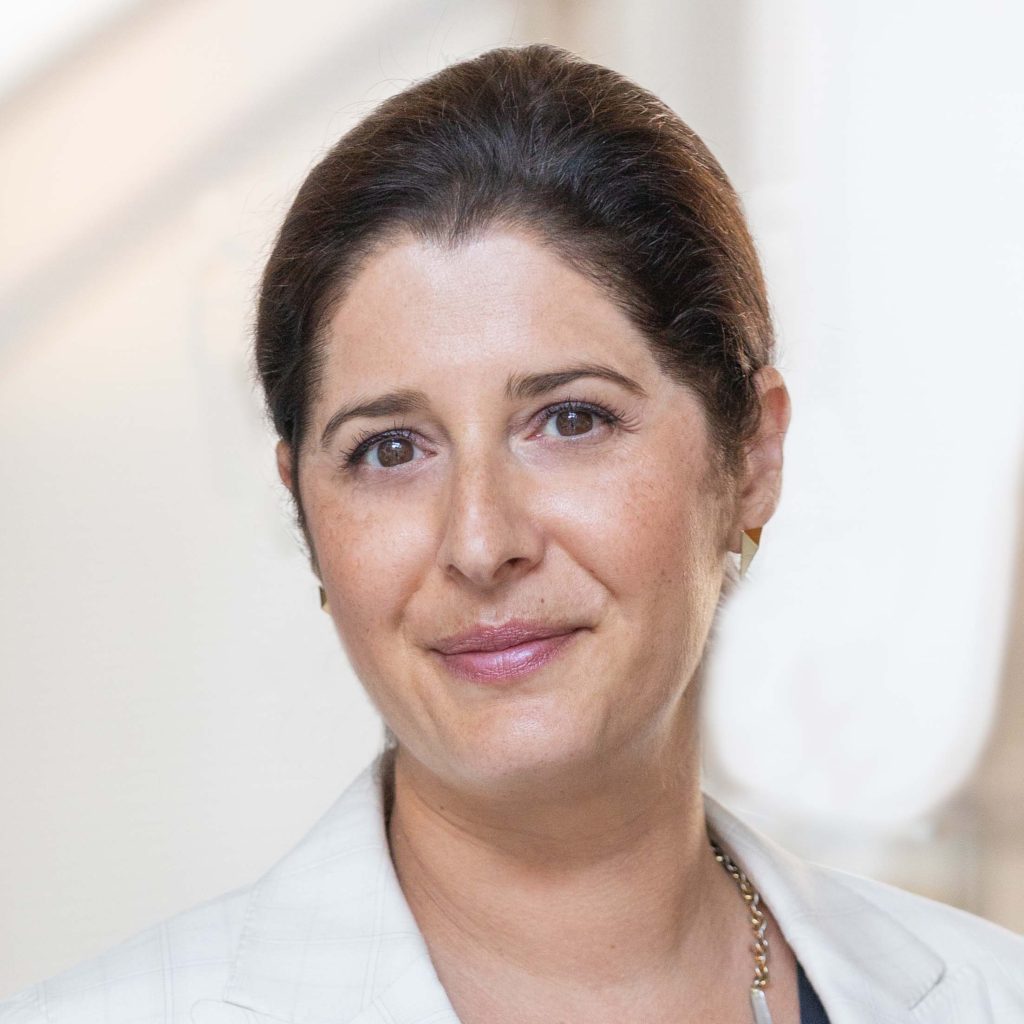
Dr. Yvonne Bombard

Genetics Adviser founder and CEO Dr. Yvonne Bombard says WeSEED has and will continue to help her company strengthen its commercialization strategy, build new partnerships and accelerate its impact. A WeSEED company and recipient of seed capital from FACIT’s Compass Rose Oncology Fund, Genetics Adviser is scaling genomics care and helping patients navigate genetic testing pathways through its digital application that integrates clinically-validated patient education, decision support, digital consent and results engagement into clinical workflows.

Bombard says WeSEED is helping overcome some of the barriers traditionally faced by women in life sciences, and ultimately help move more exciting innovations into the clinic.

“Supporting women founders means ensuring more great ideas become real-world solutions that improve healthcare, strengthen our innovation ecosystem and create economic impact,” Bombard says.

Ella Zwep aiming to improve Indigenous representation in cancer research

The Laurier University undergraduate’s summer internship is focused on Indigenous recruitment to the Ontario Hereditary Cancer Research Network (OHCRN).

Despite their history of prostate cancer, Ella Zwep knows her family is lucky.

Living in southwestern Ontario not far from large cities, they have access to primary care and screening programs. Through those programs, her grandfather’s prostate cancer was detected in the earliest stages, and he was able to have successful surgery.

But Zwep, who is Métis, knows that is not the case for many Indigenous people in Ontario. Many Indigenous people face barriers to accessing health services, and when they do, the care they receive doesn’t always consider their unique cultural context.

Zwep hopes that her BioCanRx Indigenous Summer Student Internship with the Ontario Hereditary Cancer Research Network can help address some of these challenges.

She is researching the uptake of genetic testing and participation in hereditary cancer registries among Indigenous Peoples, aiming to understand gaps in access and barriers to recruitment. She will ultimately identify strategies for OHCRN to engage Indigenous participants as it builds a provincial database on hereditary cancer syndromes to help ensure that the registry is equitable, diverse and inclusive.

Zwep’s internship runs from May until the end of summer, when she will begin her fourth year studying health sciences at Laurier University. We spoke about how she got involved with OHCRN and about her experiences with the internship so far.

What appealed to you about this internship opportunity?

My biology and chemistry classes in high school really started my interest in science, and then I applied to health sciences programs at university because there are so many different paths you can take from there.

Throughout my undergrad I’ve really enjoyed classes on Indigenous health, health equity and the social determinants of health. This internship seemed like a great opportunity to apply what I learned in school to an important project like OHCRN. I am getting practical experience with health equity issues and learning about cancer research and the many careers in that field.

What have you learned so far about Indigenous engagement in genetic testing and hereditary cancer registries?

I’ve learned a lot about the barriers to participation that Indigenous people face. They include barriers to accessing primary cancer and genetic testing, and also the historical injustices and violations that sometimes make Indigenous people reluctant to participate in genetic testing and research initiatives.

That’s why it’s important for researchers and projects like OHCRN to build ongoing working relationships with Indigenous participants. You can’t just ask for their data and leave. You have to work together, communicate and build trust.

Why is it important for OHCRN to successfully engage with Indigenous Ontarians?

For example, I’ve learned that a lot of Indigenous people who do genetic testing will find out they have a genetic mutation of uncertain significance — meaning no one knows how that mutation could affect their health. That’s common because Indigenous people are not well represented in genetic databases, and so some mutations that are common to them are not well studied.

That’s why I’m excited to support OHCRN in recruiting Indigenous participants. Because if Indigenous people are well represented the OHCRN registry, which is going to be used in many important research projects, then that research should ultimately reflect the unique health issues of Indigenous people.

What are your plans for your future and how will this internship help you achieve them?

I’m planning on applying to med school and seeing where that takes me. But I’m also looking into doing a Master of Public Health, because I’m really interested in the policy and health equity side of working in healthcare.

This internship has provided me a lot of exposure to that policy and health equity side of things and opened my eyes to different careers in the field. The mentorship I’ve had and the connections I’ve made are really helping me understand the path I want to go down.

Ontario Institute for Cancer Research welcomes Dr. Aaron Schimmer as President and Scientific Director

Schimmer brings extensive experience as scientist, clinician and research leader.

Toronto, ON, August 4, 2026 — Dr. Aaron Schimmer officially steps into his role as President and Scientific Director of the Ontario Institute for Cancer Research (OICR) today, marking a new chapter for cancer research in the province.

Schimmer brings a wealth of scientific, clinical, strategic and operational expertise to lead OICR. An internationally recognized hematologist, blood cancer scientist and research leader, he most recently served as Director of Research at University Health Network’s (UHN) Princess Margaret Cancer Centre, where he is also a longtime clinician-scientist.

As President and Scientific Director of OICR, Schimmer will lead the Institute and deliver on OICR’s provincial mandate to accelerate cancer research in Ontario for better health and a stronger economy.

“After years of close collaboration with OICR, I can attest to the transformative impact the Institute has had on cancer research in Ontario and around the world,” Schimmer says. “I am honoured and humbled to help lead this outstanding organization as we deliver life-changing solutions to the biggest challenges in cancer.”

Schimmer is one of Canada’s preeminent leukemia researchers, with more than 320 peer‑reviewed publications and 27,000 citations. He is also a Professor in the Departments of Medicine, Medical Biophysics, and Institute of Medical Sciences at the University of Toronto, Past President of the Canadian Hematology Society and a Fellow of the Royal Society of Canada. 

Schimmer’s appointment comes at an exciting time for OICR, which is launching its Strategic Plan 2026-2031 this year. As a highly respected Ontario research leader with connections across the province, Schimmer is perfectly positioned to deliver on the plan’s promise of a stronger, healthier future for Ontarians.

Schimmer says cancer research is at a watershed moment, full of unprecedented opportunities to transform how cancers are detected, diagnosed and treated. With world-class research talent, infrastructure and collaborations led by OICR, and the strong support of the Provincial Government, he says Ontario is poised to lead the next generation of cancer innovations.

“OICR has the unique ability to accelerate cancer research across the province that improves the health of Ontarians and people around the world, while producing economic benefits for the province of Ontario,” Schimmer says. “I look forward to working with everyone in the OICR community to write the next chapter for OICR and for cancer research in this province.”


OICR is funded by the Government of Ontario. As the province’s cancer research institute, we take on the biggest challenges in cancer research and deliver real-world solutions to find cancer earlier and treat it more effectively. We are committed to helping people living with cancer, as well as future generations, live longer and healthier lives. For more information visit http://www.oicr.on.ca.

The views expressed are those of OICR and do not necessarily reflect the views of the Province of Ontario.

Mya Thompson is helping shape the future of Indigenous data governance in cancer research

As part of a unique summer internship, Thompson is informing researcher training and data access procedures for the Ontario Hereditary Cancer Research Network (OHCRN).

With a lifelong interest in health sciences and a passion for promoting equity for Indigenous people, Mya Thompson may have found her niche.

The University of Toronto undergraduate is spending the summer researching Indigenous data sovereignty as part of a BioCanRx Indigenous Summer Student Internship with the Ontario Hereditary Cancer Research Network (OHCRN).

Indigenous data sovereignty is the right of Indigenous people to control how their data is collected and used. It is critical for a project like OHCRN, an OICR initiative building a provincial database on hereditary cancer syndromes that can be accessed by cancer researchers. OHCRN participants may choose to self-report ethnicity information, which includes options for First Nations, Inuit, and Métis.ƒ

Thompson, whose mother is Haudenosaunee from the Six Nations of the Grand River, says the project is a great match for her diverse interests.

“I’ve always loved science and had a passion for helping people,” says Thompson, who will enter the fourth year of an Honours Bachelor of Science in Human Biology and Psychology program this fall. “As an Indigenous person, I’ve also seen that not everyone has equitable access to healthcare, and it’s important to me to advocate to fill those gaps.”

After reviewing data and research guidelines on Indigenous data sovereignty, Thompson will develop recommendations that will help inform a cultural competency training package for researchers as well as procedures for accessing OHCRN data. OHCRN also intends to do further consultations before finalizing the training resources and putting policies in place.

We asked Thompson about her experience so far with her internship and what the experience could mean for her future.


Tell us more about how you became interested in health science and Indigenous equity.

I spent a lot of time on the reserve with my grandparents as a kid, and my mom was heavily involved with the Band Council. Her interest in policy and in strengthening the community definitely influenced me. My dad is a chiropractor, so I also grew up hearing about his work with patients. Above all, I found myself wanting to help people, understand their issues, and guide them through solutions.

Why is Indigenous data sovereignty so important in health research?

Throughout history, there are many examples of Indigenous Peoples being included in health research studies, but their data has not been culturally contextualized. For example, past genomic studies have pathologized Indigenous communities, ignoring social determinants of health such as socio-economic status and intergenerational trauma, which contribute to disease. This lack of consideration can cause further discrimination to Indigenous communities.

What have you learned about how research projects can promote Indigenous data sovereignty.

Researchers should always keep in mind they do not own the data, it’s on loan to them. That means that Indigenous Peoples have the right to guide how their data is used and to be informed about what happens to it throughout all stages of a research project.

It is also important to understand that Indigenous Peoples are extremely diverse. Research has often used ‘Indigenous’ as an umbrella term, homogenizing Indigeneity rather than understanding specific identities like Métis, Inuit and First Nations. Ensuring these distinctions are clear can make research more relevant and beneficial to Indigenous people.

What are your plans for your future?

I don’t have concrete plans yet, but I want to continue advocating for Indigenous equity. Policy is very interesting to me because it’s an important lever to make social change, and I like being there at the beginning stages of decisions that help people in the future. Working with OHCRN has also reignited my interest in genetics and molecular biology, and it has opened my eyes to cancer research, which I’d like to explore in the future.

How will this internship help you achieve your goals?

Being able to contribute to key policies for a project like this is really meaningful. More practically, I got the opportunity to shape my own project, and that was really great experience. I also worked on a grant proposal for the first time, and I know that will be very valuable in the future. I’ve also really enjoyed networking and learning about other people’s career journeys and how they got to where they are.

3D ultrasound pioneer transforming cancer imaging around the world

Over two decades as Co-Director of OICR’s Imaging Program, Dr. Aaron Fenster has developed 3D ultrasound systems that are improving cancer diagnosis and treatment.

Dr. Aaron Fenster’s groundbreaking inventions in 3D ultrasound have sparked dozens of patents, two companies and a fundamental shift in how some cancers are diagnosed and treated.

But they all date back to a clinical need and an aha moment two decades ago.

Back in 2007, Fenster was leading an imaging lab at Western University’s Robart’s Research Institute and in the process of co-founding OICR’s Imaging Program. A young radiologist approached him in his lab, frustrated with the 2D ultrasound technology used to guide prostate biopsies at the time, and wishing Fenster could design something better.

That conversation was on Fenster’s mind a few weeks later as he watched a presentation at a radiology conference about the difficulties of interpreting ultrasounds. To Fenster, trying to make sense of three-dimensional tissue with a 2D image was like shining a flashlight through a small window into a dark room.

“All of a sudden it came to me,” Fenster recalls. “Why don’t we ‘turn on the lights’ by making ultrasound 3D?”

Fenster went back to London to work on a prototype for the world’s first-ever 3D ultrasound system for the prostate. The system he developed took dozens of 2D ultrasound images at different angles and used advanced software to combine them into a 3D image. After years of refining the technology, validating it through clinical trials, and working with industry partners to commercialize it, Fenster’s 3D ultrasound is now used to guide prostate biopsies in clinics around the world.

Today, Fenster is the past Director of Imaging Research Laboratories at the Robarts Research Institute, Scientist at the Institute, Professor at Western University, Chief Executive Officer of the Centre for Imaging Technology Commercialization in London, and Co-Director of the Imaging Program at OICR. He is recognized as a pioneer in 3D ultrasound and has helped make OICR’s Imaging Program one of the most impactful in the country.

“Having OICR’s continued support over the years has allowed us to build a large program and attract key collaborators, while giving us the flexibility to be innovative,” Fenster says. 

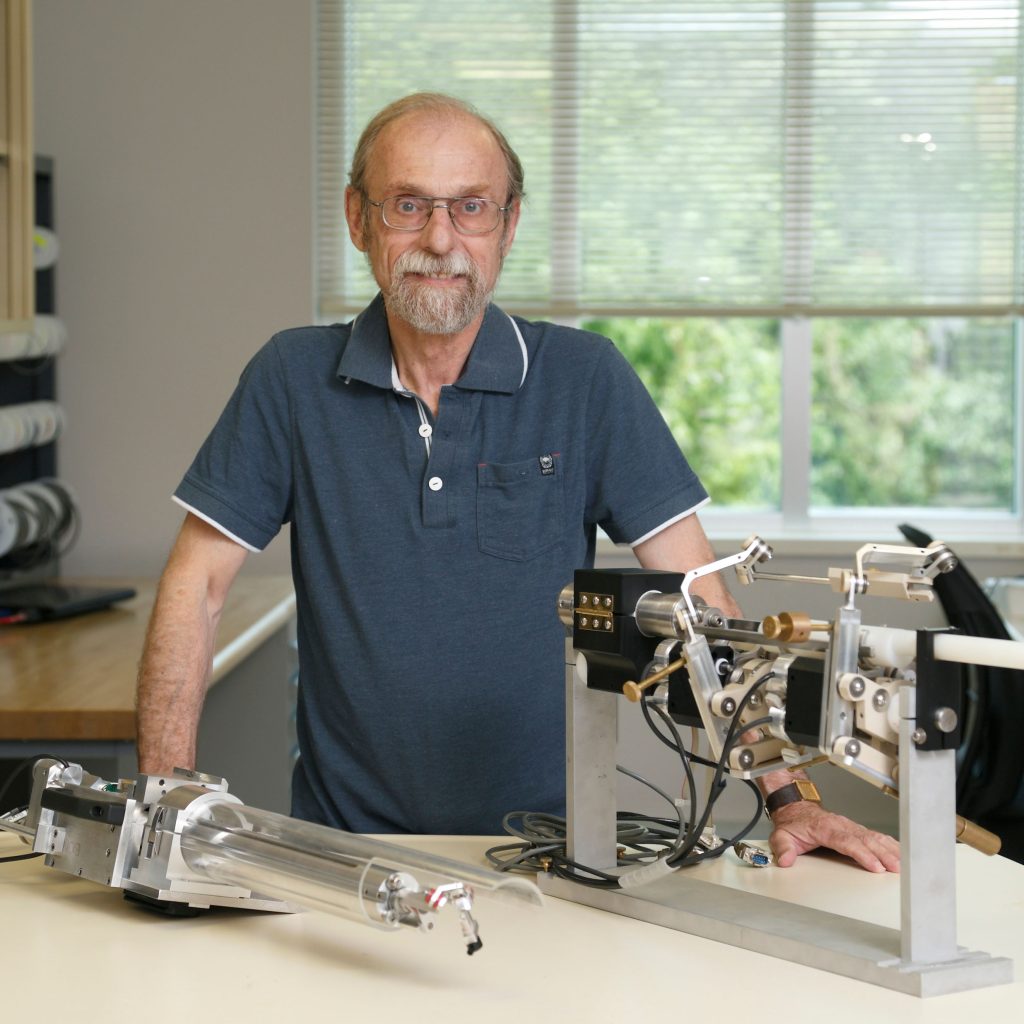
Dr. Aaron Fenster demonstrates his 3D ultrasound technology in a 2013 photoshoot

Fenster’s lab has become an important training ground for young researchers, with trainees leading much of the work. While the lab incorporates the latest technology like artificial intelligence, much of Fenster’s research has evolved from that first 3D ultrasound system.

That includes the 3D ultrasound whole-breast imaging system Fenster developed with students Dr. Claire Park and Amal Aziz. Offering safe, accurate breast cancer screening for women with dense breasts, whose cancer often goes undetected in mammographs, the system has received Health Canada approval and Fenster is hopeful it will be screening patients in Ontario hospitals before too long.

Fenster’s 3D ultrasound technology is also transforming brachytherapy, a cancer treatment where radioactive “seeds” are placed inside a tumour. Cervical brachytherapy usually needs MRI to guide the precise placement of the seeds, requiring the patient to go back and forth between the operating room and the MRI. Fenster is developing 3D ultrasound systems to guide the placement of the radioactive seeds for cervical brachytherapy that will allow the entire procedure to happen in the same room.

Fenster and colleagues have also developed 3D ultrasound technology to guide liver tumour ablations that has been patented and licensed, 3D ultrasound for kidney cancers that is being studied clinically, as well as several other applications. And just like that first 3D ultrasound prototype in 2007, nearly all these applications were inspired by clinical needs.

“That’s usually how it happens,” Fenter says. “A clinician comes to us with an unmet need, and we develop a solution that works for them and their patients.”