Winning presentation points to more personalized medicine at OMPRN Pathology Matters meeting

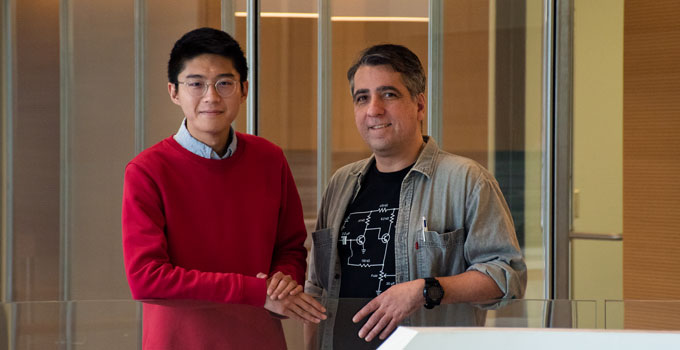
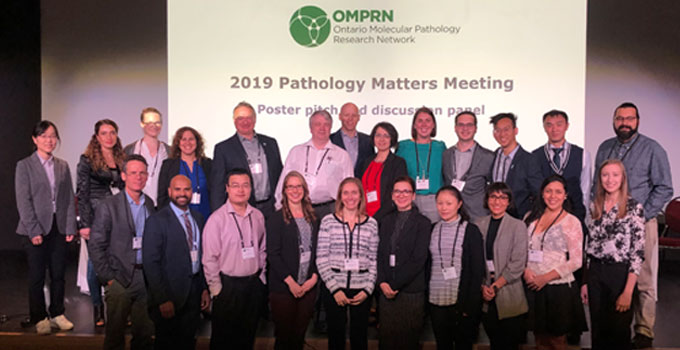
OICR and OMPRN leaders pose for a photo with students and fellows who presented at the fourth annual Pathology Matters meeting in Ottawa.

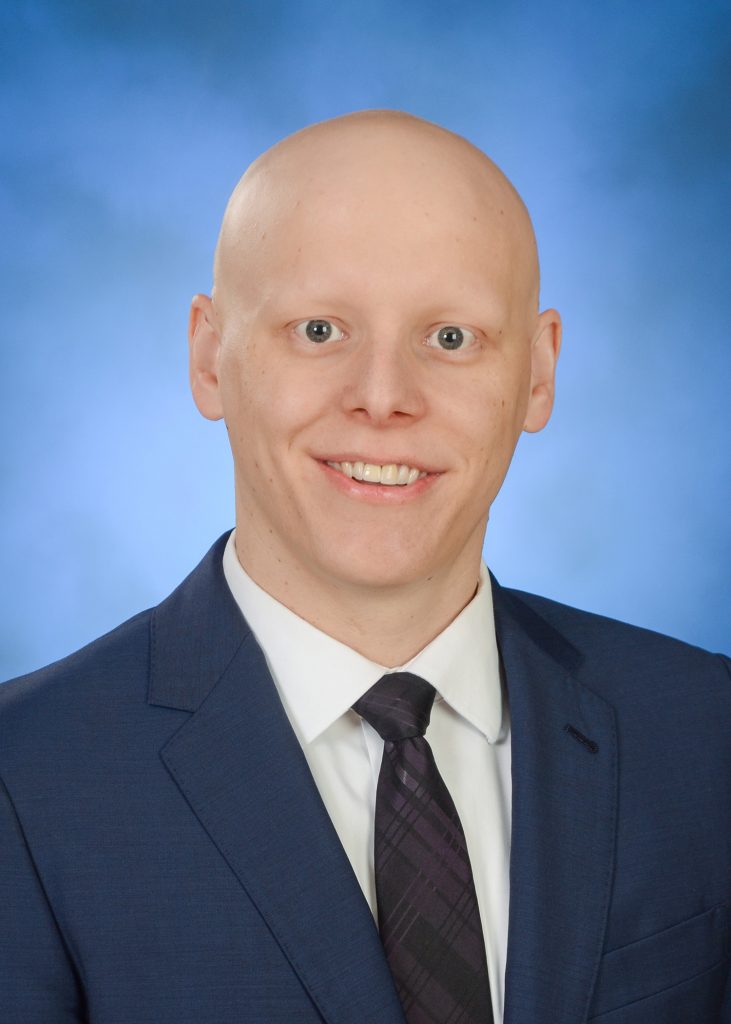
Dr. Brian Keller, an Anatomical Pathology Resident from Ottawa, was one of those recognized for outstanding presentations and innovative research at this year’s Pathology Matters meeting

Through his years of research training, Dr. Brian Keller developed expertise in culturing cancer cells. Under precise conditions in a controlled lab environment, he could take a part of a patient’s tumour and grow it into an experimental model for further research. Keller would study these models to find new treatments for future cancer patients, but he wondered if these models could also help patients today.

While he was an MD/PhD trainee, he received a patient’s sample that was unique. It defied the typical behaviour of a sample and grew remarkably well, faster than normal, exhibiting the cancerous traits that could make it an excellent experimental model.

The sample came from a patient with advanced melanoma whose disease had returned after multiple rounds of treatment. Keller recognized the opportunity to help.

Dr. Brian Keller

“This patient was in a very difficult situation,” says Keller, who is now an Anatomical Pathology Resident at The Ottawa Hospital. “The standard treatments weren’t working and the patient’s oncologist was thinking of second- and third-line treatment options. Knowing that we had this model in the lab, we thought that we could potentially find a better treatment option if we looked at hundreds of available drugs.”

Keller mobilized the patient’s healthcare team around his idea to find new possible treatment options for the patient. He worked with the patient’s pathologist, medical oncologist, molecular geneticist, laboratory and research technicians, and several other graduate students to grow the tumour sample, analyze its DNA and test approximately 1,200 available drugs on it. Their results aligned with the oncologist’s clinical decision and the patient had an impressive response to treatment, Keller says.

“Every cancer is unique and we’re working towards getting the right treatments to the right patients at the right time,” says Keller. “This represents the direction in which our field is moving. I am hopeful that our generation of clinicians and healthcare providers can help bring more personalized and effective treatment to our patients.”

Keller went on to characterize the patient’s disease and found that it had a unique mutation in the BRAF gene that had never been modeled before. This novel experimental model will continue to serve as a research tool in Dr. John Bell’s lab at the Ottawa Hospital Research Institute, where Keller performed his research, and throughout the global scientific community. The team has made the model available through the American Type Culture Collection’s general repository and a manuscript of the case is under preparation.

“I am fortunate to have had the opportunity to train in Dr. Bell’s lab, where exploration and collaboration are strongly encouraged,” Keller says. “Without exploration, we cannot make discoveries, and without collaboration, we cannot bring our discoveries to our patients.”

Keller presented his findings at the fourth annual Pathology Matters meeting in early October, hosted by the Ontario Molecular Pathology Research Network (OMPRN). His story won him an Outstanding Presentation Award. Other presentation award recipients included:

  • Dr. Lina Chen, Anatomical Pathology Resident, Queen’s University
  • Christina Ferrone, PhD Candidate, Pathology and Molecular Medicine, Queen’s University
  • Chelsea Jackson, PhD Candidate, Pathology and Molecular Medicine, Queen’s University

OICR would like to congratulate award recipients and thank the organizing committee for a successful meeting.

Learn more about the OMPRN

Internationally-recognized computational biologist, Dr. Anna Panchenko joins OICR as Senior Investigator

Dr. Anna Panchenko. Tier I Canada Research Chair and OICR Senior Investigator

OICR welcomes Dr. Anna Panchenko, Tier I Canada Research Chair, to Ontario’s cancer research community as OICR’s newest Senior Investigator

Recently recruited to Canada as a Tier I Canada Research Chair and OICR Senior Investigator, Dr. Anna Panchenko has chosen to establish her lab at the Department of Pathology and Molecular Medicine, Queen’s University School of Medicine. OICR is proud to support Panchenko and her research endeavors with a Senior Investigator Award, which is given to researchers who have achieved national and international excellence and spent more than 10 years as independent investigators. 

Panchenko joins the local research community with nearly two decades of experience at the National Institutes of Health’s National Center for Biotechnology Information. She is internationally recognized for her expertise in using computational biology to study cancer genomics and epigenetics, protein-protein interactions and nucleosome dynamics. Her methods have been widely used by thousands of scientists from around the world.

Here, she discusses her work and the opportunities that Ontario provides.

What is your research about?

Generally, there are two prongs to my research focus. The first is investigating cancer-related mechanisms. We’re looking at how mutations accrue – or accumulate – in cancer cells, which mutations are driving carcinogenesis and how these mutations may affect proteins and their interactions. The second is looking into how chromatin is dynamically regulated at a molecular level.

Both of these avenues are important to our understanding of cancer, and both areas of study need new computational methods and techniques. My group develops these methods and algorithms to better understand cancer progression to possibly come up with new targeted therapeutic strategies.

For example, some of my work focuses on identifying cancer-driving mutations – the changes in DNA that are at the root of cancers. Out of hundreds of point mutations, there are only a few that drive the disease. If we can find these mutations, we can discover new ways to predict the course of a patient’s disease, or new ways to treat the disease.

What excites you about your work?

I am excited by the beauty and complexity of biological systems. I am also excited by working with the dedicated, curious and smart people in our scientific community. My work isn’t just about making discoveries, it’s about designing methods to help other researchers to make their own discoveries.

What drew you to this field?

I grew up in Moscow and I was always interested in math and biology as a child. I was motivated to pursue science by my parents who are both scientists and the field of computational biology was a perfect combination of my two interests. Throughout my career, I met several other scientists who impressed me with their integrity, behavior and dedication to science. They inspired me to continue along this difficult but very gratifying path.

Why were you interested in coming to Canada? What’s next?

I love Canada, it feels like home. I’m now minutes away from Lake Ontario in a community of incredible scientists and clinicians. I feel like there are a lot of exciting opportunities here and I’m proud to be working in a high-caliber work environment. I appreciate the support from the government and I love the culture of collaboration. I’m excited to strengthen my collaborations with researchers at different departments of Queen’s University and across Ontario.

Read more about Dr. Anna Panchenko.

‘I’m here to help address important and challenging questions in health’

OICR Biostatistics Training Initiative Fellow and newly-minted PhD, Dr. Osvaldo Espin-Garcia, dedicates his career to cutting-edge clinical cancer research

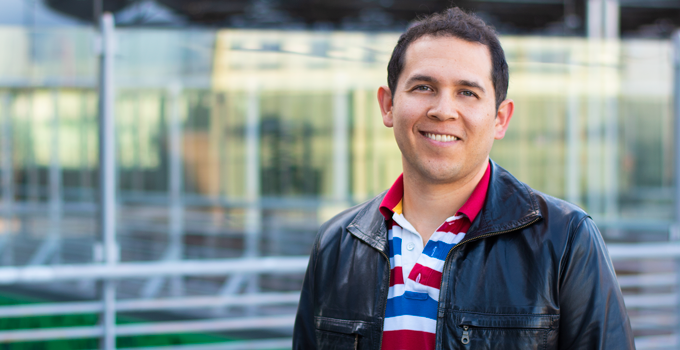
Osvaldo Espin-Garcia

For Dr. Osvaldo Espin-Garcia, an industry-based job wouldn’t suffice. Having already worked in banking, insurance and telecommunications, Espin-Garcia found that his skills in statistics could be applied to a field that he was much more passionate about. For him, that was health research.

Combining his skills in math with his interest in health, Espin-Garcia left his job in Mexico and moved to Canada to pursue the University of Waterloo’s Master of Mathematics program. His strong academic performance secured him an internship at the Princess Margaret Cancer Centre (PM) where he found his niche in statistical genetics.

“Despite advancements in sequencing technologies, the path between a new -omics discovery and applying that discovery in the clinic remains cumbersome and often costly, especially in large-scale studies,” says Espin-Garcia, who recently completed his PhD at the University of Toronto’s Dalla Lana School of Public Health. “We can use statistical techniques and tools to design better trials and make sense of this sequencing data in more efficient ways.”

Espin-Garcia’s internship laid the foundations for his PhD research, where he developed statistical methods and analysis tools to examine the data from genome-wide studies – studies that look at the entire set of genes across many individuals.

In these studies, researchers often examine a sample subset of patient genomes from a large group of patients. These samples are often selected randomly, but Espin-Garcia’s methods allow researchers to select these patients in a “smarter” way.

“Choosing patients randomly is an inefficient way to perform post-genome-wide studies since this strategy fails to incorporate the information that is already available,” says Espin-Garcia. “Our methods allow us to select subgroups of patients whose data will give us rich insights into challenging research questions. That’s what I’m here for, I’m here to help address important and challenging questions in health.”

For this work, Espin-Garcia was awarded a Biostatistics Training Initiative (BTI) Fellowship, which helped him fast-track the development of his methods and the completion of his PhD.

Now, as a Senior Biostatistician at PM, he is specializing in gastrointestinal cancer studies and continues to develop and apply new tools to support the clinical cancer research community.

“I am grateful for the support I’ve received throughout my training to build my collaborative relationships with clinicians and scientists and learn from incredible mentors,” says Espin-Garcia. “I look forward to supporting more cutting-edge clinical cancer research in the future.”

BTI, a training program co-led by OICR, the University of Waterloo and McMaster University, has supported numerous fellows, like Espin-Garcia, and other studentships over the last decade.

To learn more about the BTI Program, please visit the OICR BTI Program page, the University of Waterloo’s BTI webpage or read more about some of the past studentships.

Researchers discover a new cancer-driving mutation in the “dark matter” of the cancer genome

Change in just one letter of DNA code in a gene conserved through generations of evolution can cause multiple types of cancer

Toronto – (October 9, 2019) An Ontario-led research group has discovered a novel cancer-driving mutation in the vast non-coding regions of the human cancer genome, also known as the “dark matter” of human cancer DNA.

The mutation, as described in two related studies published in Nature on October 9, 2019, represents a new potential therapeutic target for several types of cancer including brain, liver and blood cancer. This target could be used to develop novel treatments for patients with these difficult-to-treat diseases.

“Non-coding DNA, which makes up 98 per cent of the genome, is notoriously difficult to study and is often overlooked since it does not code for proteins,” says Dr. Lincoln Stein, co-lead of the studies and Head of Adaptive Oncology at the Ontario Institute for Cancer Research (OICR). “By carefully analyzing these regions, we have discovered a change in one letter of the DNA code that can drive multiple types of cancer. In turn, we’ve found a new cancer mechanism that we can target to tackle the disease.”

(more…)

OICR welcomes new Clinician-Scientist, Dr. Tricia Cottrell

OICR is proud to welcome Dr. Tricia Cottrell to Ontario’s cancer research community.

Dr. Tricia Cottrell, who is an immunologist and pathologist by training, is focused on the interplay between cancer cells and the immune system. She maps these complex interactions, as patients undergo treatment, to develop new biomarkers that can better predict the course of a patient’s disease.

Joining OICR from Johns Hopkins University in Baltimore, MD, Cottrell brings unique expertise in studying the tumour immune microenvironment, specifically in lung cancer. Here, she discusses her transition and her new appointments at the Canadian Cancer Trials Group, Queen’s University and OICR.

How did you become interested in the field of immuno-oncology?

The idea of harnessing the immune system to control and eliminate cancer fascinates me.

My PhD research on the autoimmune disease scleroderma left me eager to find ways to study immune responses in human tissue. While pursuing this research through my anatomic pathology residency, I stumbled upon the revolution happening in cancer immunotherapy. There are a lot of interesting intersections between cancer immunology and autoimmunity, and I knew I wanted to dig in.

What problems and questions are you working to solve?

Generally, I look at different features of the immune response to cancer and find patterns in these features that are associated with a response to therapy. I’m addressing the question: can we predict which patients are most likely to respond to treatment?

When we have tools to answer that question, we can help patients decide which treatment is best suited for their unique disease.

How are you addressing those big questions?

As a pathologist, I start with simple observations made through a microscope. Then, I use techniques like multiplex immunofluorescence to understand the cells and molecules driving the patterns I see in the tissue. Finally, I integrate these observations with other –omics analyses of the same sample, like DNA or RNA profiling, in pursuit of better biomarkers. The ultimate goal is to have biomarkers that can accurately predict which therapy or combination of therapies is most likely to empower a patient’s immune system to eliminate their cancer.

Through these studies, we also identify patterns and molecular characteristics in the tumours of patients who respond poorly to treatment. We can use this knowledge to find mechanisms of resistance, or the ways that the cancer can evade treatment. Then we can develop new therapies to address these mechanisms.

You’ve been recognized and awarded for your research on several occasions. What is an achievement that most people don’t know about?

I never anticipated that my research as a pathologist would lead me to analyzing big data. I’m quite proud that I learned some computer programming and I continue to integrate new technologies and cutting-edge analytic approaches into my research.

A specific achievement I am proud of is developing a method to measure the response of lung cancer patients to checkpoint blockade therapy using microscopic features of their tumours. This method is now being validated in a large clinical trial and has been shown to work in other cancer types as well. We are currently investigating its potential as a pan-tumour biomarker that would allow unprecedented standardization of clinical trials across different cancer types.

Why did you choose to relocate to Kingston?

I was looking for an opportunity to expand my research focusing on patients enrolled in clinical trials. Kingston offered that opportunity through an appointment with the Canadian Cancer Trials Group (CCTG), which is based at Queen’s University where I am also an Assistant Professor.

At CCTG, I get to participate in the design of clinical trials, including arranging tissue collection and planning the correlative science (the study of the relationship between biology and clinical outcomes) that goes along with those trials. My goal is to make sure my research will be translatable to the clinic, or in other words – to find solutions that can be applied in practice.

I’m also personally very excited about the opportunity for my family to be here in Canada.

What are you looking forward to over the next year?

I look forward to maintaining my existing collaborations while broadening my research scope. I’ll be working to establish a laboratory-based platform that produces high-quality, large-scale multiplex immunofluorescence data from tumour tissue specimens. I also look forward to laying the groundwork for a data integration and analysis pipeline for tissue-based immunology studies.

Most of all, I’m excited to begin growing my own lab group. I hope to foster a collaborative team environment with individuals from diverse backgrounds in pathology, biology, immunology, bioinformatics and more.

Read more about Dr. Tricia Cottrell here.

Inherited DNA provides blueprint for new advancements in prostate cancer

Kathleen Houlahan, first author of the study and a PhD candidate at OICR.

International study, led by researchers at OICR, takes a deep dive into how prostate cancer is inherited and points to new opportunities for improved screening, monitoring, treatment and prevention

Prostate cancer is one of the most common cancers in men, but remains one of the most difficult to prevent and a challenge to treat. Some DNA mutations that lead to prostate cancer are inherited yet some collect over a lifetime. Understanding how these mutations interact and contribute to the disease could help patients and their doctors better manage the disease.

In a study, published today in Nature Medicine, Kathleen Houlahan et al. take a deep dive into the inherited factors driving prostate cancer and how these factors affect the course of the disease at a cellular level.

“Prostate cancer is thought to be, in part, an inherited disease,” says Houlahan, first author of the study and a PhD candidate at OICR. “The DNA that a man is born with has an effect on whether he will develop prostate cancer and how aggressive the cancer will be. We set out to uncover how this happens.”

The study investigated the connection between inherited mutations – also known as germline mutations – and a range of important DNA-regulating processes, like DNA methylation.

The associations found in the study, Houlahan says, are a resource that can help bridge our gap in understanding between germline mutations and the mutations that men acquire over their lifetime that eventually lead to prostate cancer.

“When we understand how inherited mutations work, patients with these mutations can be screened and monitored more effectively to ensure the patient is receiving the most appropriate treatment and avoiding unnecessary side effects,” says Houlahan. “We’ve seen this work for patients with mutations in the BRCA genes, but we still need more personalized options for the many men who are living with prostate cancer.”

Since germline mutations can be inherited and are present in nearly all cells in a man’s body, this research demonstrates the possibility of using non-invasive blood-based tests, rather than invasive tumour biopsies, to monitor prostate cancers.

“We could use these findings to help identify a man’s risk of cancer and catch it earlier,” says Houlahan. “Detecting the disease earlier could significantly improve treatment success.”

Houlahan’s study was enabled by data from the Canadian Prostate Cancer Genome Network (CPC-GENE), which have previously been used to find a DNA signature of aggressive prostate cancers and link how a prostate tumour evolves with the severity of the tumour, amongst other significant advancements. CPC-GENE findings serve as a resource for future research and a scaffold on which diagnostic tests and new therapies can be built. 

This research was supported in part by OICR, Prostate Cancer Canada, the Terry Fox Research Institute, the Canadian Institutes for Health Research, the Canadian Cancer Society, the Movember Foundation and the National Cancer Institute.

Meet our new Lebovic Fellows

OICR is proud to announce two new partnerships between research trainees in Ontario and collaborators in Israel, supported by Joseph and Wolf Lebovic.

The Joseph and Wolf Lebovic Fellowship Program, a joint initiative between the Hebrew University of Jerusalem’s Institute for Medical Research Israel-Canada (IMRIC) and OICR, is supporting two new partnerships between local cancer researchers and those in Israel.

This is the second round of this fellowship program that aims to strengthen collaboration across the two countries by pairing trainees in complementary areas of expertise. Both projects focus on the interaction between tumours and the immune system to develop new and more effective therapeutic strategies for cancer.

Over the next two years, the new fellows will develop their mutually-beneficial partnerships, allowing them to further their research while building their collaboration skills.

“We are investing in talented trainees with the potential to make a significant impact in cancer research, while fostering international collaboration,” says Dr. Laszlo Radvanyi, President and Scientific Director of OICR. “We cannot wait to see what they will accomplish in the years to come.”


Teaming up to take on a new approach

Principal Investigator in Israel: Dr. Lior Nissim, Assistant Professor at IMRIC
Fellow: Natella Buketov, Master of Science student at IMRIC

Principal Investigator in Ontario: Dr. Samuel Workenhe, Assistant Professor at McMaster University
Fellow: Jeffrey Wei, Master of Science student at McMaster University

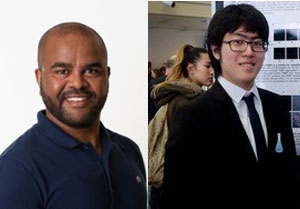
Dr. Samuel Workenhe and Jeffrey Wei.

Developing viruses that alarm the immune system to fight against cancer is a sought after goal around the world. A common challenge with this approach is that cancer cells can often “shut off” or silence these alarms, and thus, the cancer cells remain undetectable to the immune system.

Workenhe and Nissim hypothesize that synthetic molecules – sequences of DNA that cannot be found in nature – could be used to overcome this challenge and effectively trigger an immune response against cancer cells.

Through the Lebovic Fellowship, these two research groups have teamed up to explore the possibility of using viruses, developed by the Workenhe Lab, to deliver synthetic molecules, developed by the Nissim Lab, to cancer cells. Over the next two years, they will work to optimize their platforms, develop the viruses and test them in infected cell cultures and tumour-bearing mice.

“There’s a lot of drive behind this project,” says Workenhe. “We both want to find a way to make this work and overcome the challenges of viral immunotherapies together.”


Partnering to accelerate research

Principal Investigator in Israel: Dr. Sheera Adar, Senior Lecturer at IMRIC
Fellow: Dr. Pooja Chauhan, Postdoctoral Fellow at IMRIC

Principal Investigator in Ontario: Dr. Carolina Ilkow, Scientist at the Ottawa Hospital Research Institute and Assistant Professor at the University of Ottawa
Fellow: Emily Brown, Master of Science student at Ottawa Hospital Research Institute and the University of Ottawa

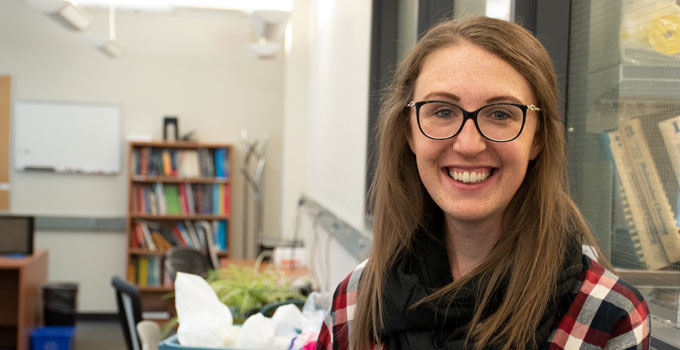
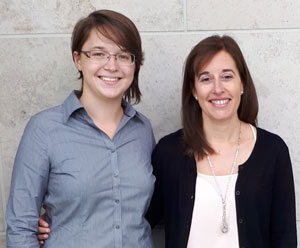
Emily Brown and Dr. Carolina Ilkow.

The Adar Lab and the Ilkow Lab are both interested in the SWI/SNF complex – a cellular machine that affects how our DNA is packaged and coiled.

The Adar Lab is working to better understand how SWI/SNF affects DNA damage repair in cancer cells. The Ilkow Lab is working to better understand how SWI/SNF can be altered to improve immunotherapies. They recognized that they can study SWI/SNF better together.

With the support of the Lebovic Fellowship, these groups are partnering to investigate SWI/SNF with two different approaches while sharing common methods, resources and expertise. By doing so, the researchers expect to reduce duplicative efforts and accelerate both projects. “I’m excited to be involved in the field of cancer immunotherapy,” says Brown. “Seeing that your work has direct impact is really rewarding, and I’m excited to help contribute to such an innovative approach.”

OICR Annual Report 2018/19

We are pleased to present the Ontario Institute for Cancer Research (OICR) Annual Report for 2018/19.

Translating cancer research means bringing the best research discoveries to patients, and it’s at the heart of the work we do. OICR collaborates with researchers across Ontario and around the world to ensure Ontario’s most significant cancer research discoveries have maximum impact for patients and the province’s economy. This report highlights a selection of OICR’s many translational research successes over the last year, including: 

  • An unprecedented investigation into the dark matter of the human cancer genome, which discovered the causes of two thirds of cancers that were previously unexplained;
  • A study that’s bringing next generation genomic sequencing to five Ontario cancer centres, helping match patients to targeted therapies and accelerating cancer research;
  • Developing new software technologies to help bring portable nanopore sequencing into cancer research and care;
  • A pan-Canadian initiative changing the landscape of lung cancer radiotherapy clinical trials and providing more treatment options to patients;
  • The scientific and business excellence of Fusion Pharma Inc., which is developing innovative medical isotopes for treating cancer with reduced side effects.

We hope you enjoy learning more about OICR’s many achievements over the past year and we welcome your feedback at info@oicr.on.ca.

Read the report

Hamilton study discovers new approach to target cells at the root of leukemia

Dr. Kristin Hope, Principal Investigator at McMaster University’s Stem Cell and Cancer Research Institute and OICR Investigator.

McMaster University researcher and OICR Investigator, Dr. Kristin Hope, turns her stem cell discovery into a new treatment approach for leukemia.

A few years ago, Dr. Kristin Hope and her research team discovered a new way to grow rare life-saving blood stem cells. Now, the Hope Lab is using this discovery to suppress leukemic stem cells – the cells at the “root” of leukemia.

In their most recent study, published earlier this month in Cancer Research, the Hope Lab discovered that the same molecular pathway they found previously could be turned off to grow healthy stem cells could be turned on to impair the development of cancer stem cells.

The study suggests that this pathway, called the aryl hydrocarbon receptor (AHR) signaling pathway, could be leveraged as a potential therapeutic approach for acute myeloid leukemia – one of the most common subtypes of leukemia.

“We saw a loss of leukemic stem cells by activating – or turning on – the AHR pathway,” Hope says. “This brings us a step closer to a potential new therapy for patients with leukemia.”

The study group used a small molecule to activate the AHR pathway, finding that it had a significant effect in eliminating leukemic stem cells, but no effect on healthy cells. The group found similar results in cell cultures as well as in mice that were transplanted with human leukemia cells.

Hope, who is a Principal Investigator at McMaster University’s Stem Cell and Cancer Research Institute, will continue investigating this small molecule as a potential drug that could complement chemotherapies in the future.

“We will continue building on our understanding of the AHR pathway and how to control it,” she says. “This understanding will help us in the development of new therapies so that our discoveries can one day help patients.”

When the tools you need don’t exist, create them

Dr. Ina Anreiter joins OICR as a Schmidt Fellow, bringing her background in behavioural genetics to bioinformatics

While writing her doctoral thesis, Dr. Ina Anreiter realized that there was a missing piece to her research. What she didn’t realize was that this missing piece would lead her into a prestigious postdoctoral fellowship in an entirely new scientific discipline. For decades, scientists have known that RNA – often referred to as DNA’s cousin – undergoes chemical modifications before running its course. These modifications, like RNA methylation, have an important effect in cancer cells, but without the tools to study RNA modifications, progress in this field had stalled for many years.

Recently, the study of these modifications – also known as the field of “epitranscriptomics” – has garnered new attention as the research community develops new methods to study RNA. These methods, Anreiter says, still rely on common chemistry lab techniques and cumbersome procedures that make studying RNA methylation difficult, especially in application to diseases like cancer.

“I found myself in need of a tool,” says Anreiter. “I needed a way to easily analyze RNA methylation across large datasets and found that nothing existed – well, nothing existed yet.”

From fruit flies to machine learning

Anreiter’s doctoral research focused on the behaviour of fruit flies, specifically how inherited characteristics and environmental factors influence their feeding patterns. While searching for a way to study RNA methylation, her background led her to a unique idea.

Anreiter knew of nanopore sequencing – a relatively new type of sequencing technology that could decode DNA and RNA as it passes through a tiny channel. By directly reading a strand of RNA, Anreiter says, nanopore sequencing has the potential to revolutionize how we study RNA modifications. To this day, however, there are no algorithms or tools that can accurately find RNA methylation patterns in the output data of a nanopore sequencer.

Anreiter had also heard of Dr. Jared Simpson’s breakthrough methods for detecting DNA methylation using nanopore sequencing. His computational methods allowed the nanopore community to sequence the entire – highly-methylated – human genome in 2017, and since, he has been working in part to study RNA modifications, like RNA methylation, using nanopore sequencing.

Anreiter pitched her idea to Simpson.

“RNA methylation occurs in normal fruit flies, but not in a certain type of mutant fly,” says Anreiter. “I had a crazy idea that we could sequence both of these types, and use the datasets to develop a machine learning algorithm that could find RNA methylation on its own.”

The potential of her idea would win her the prestigious Schmidt Science Fellowship and a $100,000 USD stipend to work with Simpson for a year.

From machine learning to cancer patients

Anreiter recently began her year-long postdoctoral fellowship in the Simpson Lab at OICR where she is working alongside a team of computational biologists to turn her idea into an algorithm. She is cross-appointed with the University of Toronto’s Department of Computer Science.

“At this point, we’re working on a preliminary dataset, but I’ve already learned so much. The team has been very welcoming and supportive and we’re working together to make better tools to understand diseases.”

The Schmidt Fellowship, which was co-founded by the former CEO of Google, is awarded to exceptional, early-career researchers making a “pivot” in their work.  Anreiter saw the fellowship as an opportunity to immerse herself in a completely new field.

“If we can develop this tool, it would allow us to study human diseases in a new way,” Anreiter says. “When we look at a problem in a new way, we don’t know what solutions we’ll find, but this angle could lead us to new cures.”

Read the UofT News release on Anreiter’s award.