Research suggests expansion of Ontario breast cancer screening program will save lives
Dr. Martin Yaffe talks about the evidence for starting regular mammograms at age 40 instead of 50.
Thousands more Ontarians can now access publicly funded mammograms, and experts say the move will save many lives across the province.
The Ontario Government recently announced it is lowering the minimum age for its regular breast screening program from 50 to 40. The change will take effect in fall 2024, when the province expects to begin performing an additional 130,000 mammograms every year.
Dr. Martin Yaffe has been one of the leading voices calling for an expansion to the screening program. As Co-Director of OICR’s Imaging Program and an expert in breast imaging technologies, Yaffe has contributed to mounting evidence that screening women in their 40s will help catch breast cancer earlier and treat it more effectively.
“I’ve been waiting for this news for a long time, and I’m really happy Ontario has made the decision to expand the program,” says Yaffe, who is also Senior Scientist at Sunnybrook Research Institute and a Professor in the University of Toronto’s Departments of Medical Biophysics and Medical Imaging.
In the wake of the government announcement, Yaffe gave a series of interviews to news outlets like The Globe and Mail and The Canadian Press. He also spoke to OICR News about the work leading up to the announcement and what the policy change means for Ontarians.
Why is it so important to get regular mammograms starting at age 40?
Breast cancer is a major killer. It affects about one in eight women and as many as three per cent of all women will die of breast cancer. And it’s a disease that starts becoming important as women reach the age of 40. About 17 per cent of breast cancer deaths are from cancers that are detected when women are in their forties, and without screening it is often found when it is already at an advanced stage.
What sort of research have you done into this issue?
Over the past decade or so, my colleagues and I have been doing increasingly advanced computer modelling to understand the number of women who might develop breast cancer in their lifetime and ultimately die from breast cancer, and how that could be impacted by regular screening. The computer model that we now use was developed by The Canadian Partnership Against Cancer and Statistics Canada and calibrated using real-life clinical data. With one model, we showed that if you started screening women annually at age 40 until age 74, you could reduce the number of breast cancer deaths by as much as 50 per cent compared to not screening.
How else can breast screening in Ontario be improved?
Right now, Ontario is recommending screening every two years for all women over the age of 40. I would like to see the program be annual, at least for women before menopause, whose cancers tend to grow faster and be more aggressive.
We also need to make sure we are addressing the needs of women with dense breasts. My colleague Dr. Norman Boyd and I discovered that women with a lot of dense, fibrous glandular tissue in their breasts have a higher risk of developing breast cancer. Their cancer can also be missed in a standard mammogram. So, they would benefit considerably from supplemental screening with ultrasound for example.
These women should be informed about having dense breasts when they get a mammogram so they know if they should consider getting supplemental screening. Ontario has made some positive steps in this area, and I expect more formal progress to be coming soon.
What is your message for women in their 40s who now have access to publicly funded screening?
I want them to know that we have a strong, organized program in Ontario that gives them the choice to get free mammograms starting at age 40. Screening can help them reduce their chances of dying from cancer by finding the disease earlier when it’s easiest to treat. Early detection also means their treatment could be less aggressive and have a much lesser adverse impact on their quality of life. And although the new Ontario program doesn’t roll out until next fall, if they want to get screened before that they can ask their family doctor for a requisition.
Building a bridge between data and discovery
OICR’s Genome Informatics team has created a unique software suite to manage Big Data in cancer research.
You’ve probably heard that Big Data is the future of healthcare.
An explosion of health information, fuelled in part by powerful new tools to sequence the human genome, is starting to revolutionize how diseases like cancer are studied, diagnosed and treated.
But data in isolation cannot make cancer care better. Genomics data must be securely stored, carefully managed and made easily accessible to researchers and health professionals who can harness it. And that’s a huge undertaking when you’re dealing with thousands of gigabytes of complex personal information.
At OICR, the Genome Informatics Program specializes in developing systems to store, organize and share genomics data. Their websites and software platforms support several Big Data projects led by OICR, and even some that go beyond the scope of the Institute and beyond the borders of this country.
Those platforms are driven by one foundational tool: an open-source, customizable suite of data management applications called Overture.
“Overture underpins just about everything we do,” says Dr. Mélanie Courtot, Director of Genome Informatics at OICR. “It allows researchers to collaborate, share data and make it discoverable for themselves and other researchers who are driving exciting innovations.”
Laying the foundation for Big Data platforms
The story of Overture began around 2008 with the launch of the International Cancer Genome Consortium (ICGC), a global initiative co-founded by OICR to collect and store data from 25,000 genomes covering 50 different types of cancer and make them accessible to researchers.
Tasked with building the ICGC database, the Genome Informatics team determined it had five core needs: a way to securely transfer files into the database, a way to manage the associated metadata, a way to index data, a way to search through data, and a way to authenticate users and give them access to the database.
The next few years would see major advancements in the field of genomics. As the Genome Informatics team was called upon to build other systems to manage genomics data, they recognized that many projects had the same core requirements as ICGC.
They came up with a way to avoid the wasted effort of developing the same basic features repeatedly. Instead of building out a full data management platform, they developed five distinct and adaptable pieces of software to meet their core needs. These were assembled and released as the first Overture open-source package in 2017.
“We decided to make these core elements more generic, so they could be adapted across different use cases,” says Courtot. “This is much more difficult to do, but it pays off in the end because of its versatility.”
As the years passed, the Genome Informatics team developed several more data platforms, gaining the attention of other data scientists who inquired about the tools used to build these platforms.
The suite has even been employed beyond cancer. In 2021, the Genome Informatics team used the Overture suite to build the Canadian VirusSeq Data Portal, a project aimed at sequencing 150,000 samples of the COVID-19 virus and making data available to researchers and policymakers. Building on the Overture suite instead of starting from scratch allowed them to build the portal in just four weeks, which was especially important in the midst of a fast-moving pandemic.
The building blocks of genomics research
The Overture suites five core applications – Song, Score, Ego, Maestro and Arranger – can be used together as a full data management system, or researchers can pick and choose the individual components that meet their requirements. Genome Informatics can also help researchers adapt and employ these components through both academic collaboration and consulting services.
“Think of the applications like building blocks,” says Mitchell Shiell, Outreach Lead for the Genome Informatics group. “If there’s a different piece of software you want to use for authenticating users, you can swap that in place and still use the rest of the Overture components.”
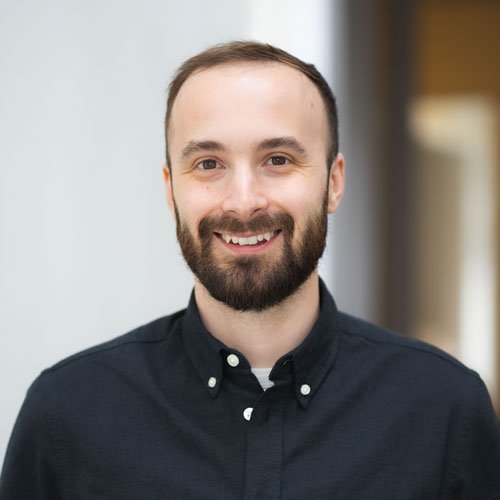
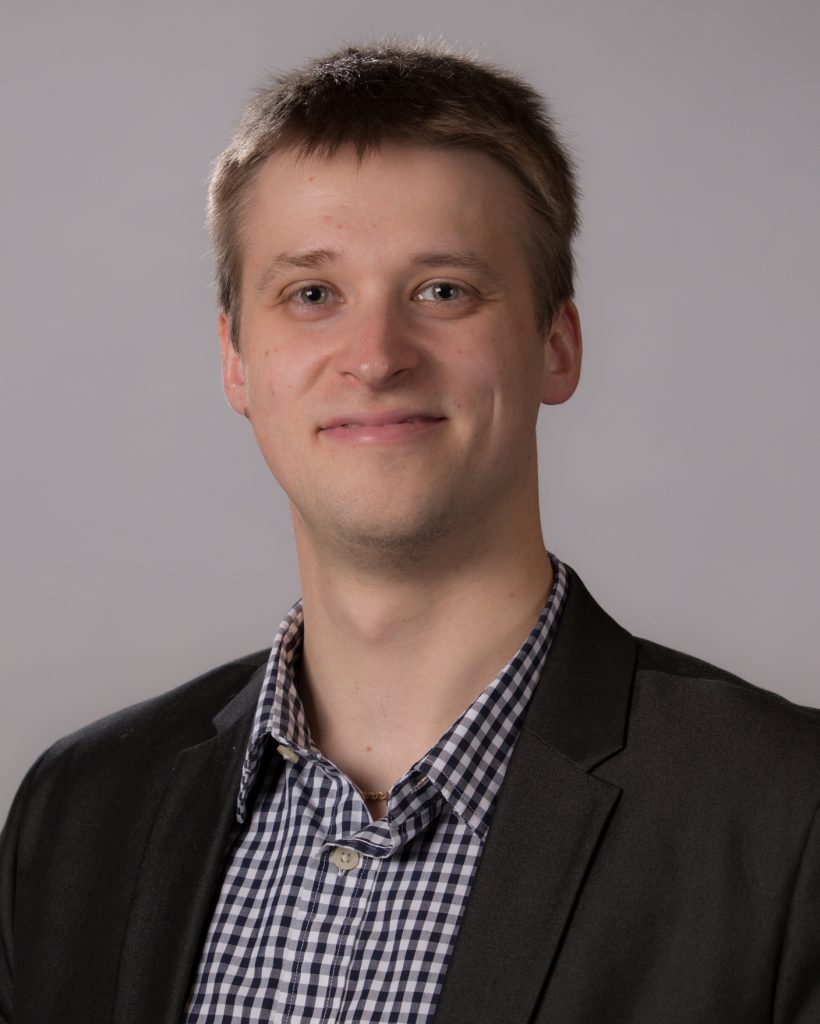
Mitchell Shiell
Overture’s modular nature makes it very scalable. If a Big Data project needs more capacity, you can duplicate services to balance the load. A suite like Overture could also help harmonize different data sets because data platforms can be built on the same underlying software and deployed as a federated network.
Overture is also designed to be extended and integrated with third-party applications to perform other data analysis and management functions. For example, the Genome Informatics team recently integrated JBrowse, a genome browser developed by Dr. Lincoln Stein’s lab, into the Overture suite.
“We’re not just building genomic data management systems in isolation. We’re contributing to a larger research software ecosystem,” Shiell says.
Driving discovery in Ontario and around the world
The Genome Informatics team’s latest contributions span a wide variety of Big Data projects. This includes working with scientists in South Africa to create a Pan-African platform to share data about pathogens and help address disease outbreaks across the continent.
Closer to home, Overture will power the Ontario Hereditary Cancer Research Network registry, which will collect data from participating Ontarians with genetic mutations that make them susceptible to cancer in the hopes of driving new research.
“With each project, we are learning and updating the suite to better support subsequent genomic research,” Courtot says.
With the field of genomics continuing to grow, Shiell says that data – and how it is organized with software like Overture – will play a major role in advancing the knowledge and treatment of cancer.
“When you make data discoverable, you’re driving discovery,” he says. “Ultimately, this will lead to better treatment options, helping people live longer and healthier lives.”
Overture is supported by a grant from the National Cancer Institute at the US National Institutes of Health, and additional funding from Genome Canada, the Canada Foundation for Innovation, the Canadian Institutes of Health Research, CANARIE, and the Ontario Institute for Cancer Research.
What happens when I donate my tissue for research?
Patients who make the generous decision to donate a tissue sample for research often wonder what happens after the sample has been collected and how it is used in research projects.
In this video, Dr. Jane Bayani, Principal Research Scientist and Co-Director of OICR’s Diagnostic Development (DD) Program, explains how tissue samples are processed with patient privacy in mind, undergo inspection prior to use in experiments, and the various ways that they are used in research. Watch to learn more about the invaluable contributions made by patients who donate their tissues to research and how the skilled scientists of the DD team use these samples to advance cancer research and care.
Wave of medical imaging innovation hits shores of Lake Superior
Collaboration with OICR and capital from FACIT contributing to a growing hub of medical imaging research in Thunder Bay.
When Sasha Bubon arrived in Thunder Bay in January 2010 to begin his master’s studies in physics at Lakehead University, he was starting a whole new chapter personally and scientifically.
The small Northwestern Ontario city on the shores of Lake Superior is more than 7,500 kilometres from Bubon’s hometown of Kyiv, Ukraine and his master’s topic was a world away from his undergraduate degree in engineering and computer science.
But Bubon was drawn to the community because, in a way, Thunder Bay was also starting its own new chapter scientifically. Physicist Dr. Alla Reznik had recently moved to the city as a Canada Research Chair in Physics of Radiation Medical Imaging (based at Lakehead) and Senior Scientist at the Thunder Bay Regional Health Research Institute (TBRHRI). Since arriving, she had been building the infrastructure needed to study imaging technologies and recruiting talented people from the local community and internationally – including Bubon.
Dr. Sasha Bubon
“When I first met with Dr. Reznik, I didn’t know anything about Thunder Bay or about medical imaging,” Bubon recalls. “But coming to Thunder Bay allowed me to study in a multimillion-dollar lab, with professors who were experts in the field, and I was able to adjust pretty quickly.”
Thirteen years later, Reznik and Bubon have brought a locally developed imaging technology for breast cancer to the cusp of clinical impact and led the emergence of a hub for medical imaging research in Thunder Bay. Their state-of-the-art low-dose Positron Emission Mammography (LD-PEM) system, also called organ-targeted Radialis PET (Positron Emission Tomography) camera is five times faster and 10 times more sensitive than other PET scanners on the market or in clinical trials. This drove them to launch Radialis Inc., a Thunder Bay-based start-up.
Thanks to strong local partnerships, an investment grant from FACIT and research collaboration with OICR, Radialis’ PET system has been approved by regulators and is in use at a major Toronto hospital. And now an exciting clinical trial is making the locally developed technology available to eligible patients in Thunder Bay.
Harnessing strong collaborations and radiation imaging
Reznik came to Thunder Bay with extensive experience studying medical imaging techniques in both academia and industry, most of which was acquired in Toronto. Northwestern Ontario didn’t have all the complex infrastructure she needed to do her research at the time, but she quickly met like-minded people and started building capacity through collaboration.
In 2011, American physicist Dr. Mitchell Albert joined Lakehead and TBRHRI, bringing his own extensive experience with innovative medical imaging techniques. The two became regular collaborators and expanded the local technological assets required to continue advancing their cutting-edge research.
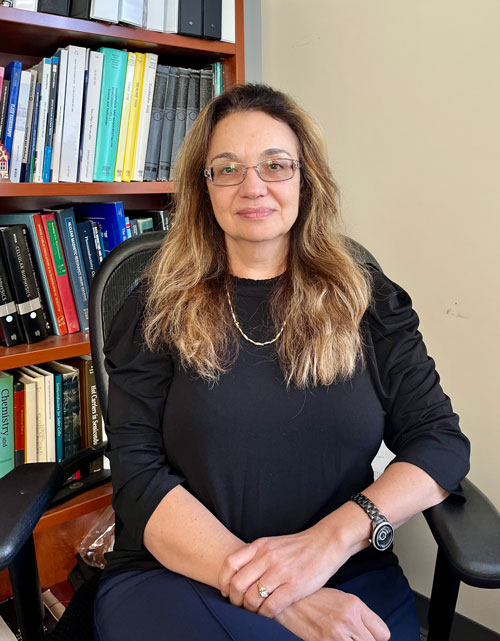
Dr. Alla Reznik
“Though the logistics of our research are a bit more complicated from Thunder Bay,” Reznik says, “with the right people you can develop realistic goals and methodologies to reach them.”
One of Reznik’s primary goals was to harness positron emission tomography (PET) to improve breast cancer screening and diagnosis. PET is a molecular imaging technique where radioactive ‘tracers’ are injected into the body and accumulate in a target tumor or attach to specific abnormal cells. Clinicians can then use imaging technology to view the tracers and pinpoint the location of tumours.
Reznik’s lab designed an imaging technology that is faster and more sensitive than existing PET technologies, helping spot small tumours while requiring less radiation. Their system also adjusts to the patient, rather than the other way around. For breast cancer screening, that means imaging can be done much more comfortably for patients, without having to compress the breast as with traditional mammogram technologies. It’s also better at detecting tumours in dense breast tissue, which can sometimes mask tumours in x-rays and ultrasounds.
Their innovation resulted in a clinical PEM system designed in Thunder Bay and developed with the help of local scientists and manufacturers. They then created Radialis in 2016 to help move their technology into the clinic.
“Our technology demonstrated a capability to advance the field of breast cancer detection beyond the current standard of care,” says Reznik, who serves as Chief Scientific Officer for Radialis. “I am also sure that we will not be limited to breast cancer and there will be significant improvements in other areas of healthcare including other forms of cancer and neurodegenerative diseases.”
“We were immediately impressed with the Radialis team and their innovation’s enormous potential to transform breast cancer screening,” says Dr. David O’Neill. “Dr. Reznik and colleagues are building something special in Thunder Bay and FACIT is proud to support a new, emerging hub in the northwest of this province.”
The Prospects Fund supports early-stage studies in Ontario universities and start-ups. It allowed Radialis to finish assembly of their prototype, validate the technology and get Health Canada approval to begin first-in-human testing.
“The Prospects Fund played an instrumental role in propelling Radialis forward while also acknowledging the company’s immense potential, Reznik says.
Following clinical trials at Princess Margaret Cancer Centre (PM) in Toronto, the company announced it received FDA clearance to market its organ-targeted PET Imager in the United States. The PEM prototype is already in clinical use at PM and Radialis facilities have been set up to manufacture it on a larger scale and sales are underway. Going forward, it will be important to gather more clinical data and gauge market interest to help garner further investment.
Reznik and Radialis are also hard at work on the next generation of imaging tools, thanks in part to her close ties with OICR’s Imaging Program. Reznik partnered with the program’s Co-Director Dr. Aaron Fenster to develop a robotic arm that can be mounted and integrated with the PEM system, harnessing its high-resolution images to make biopsies more precise and less invasive. That system has been through laboratory testing and validation and will soon be tested in the clinic.
Though Radialis has connections across Ontario, Reznik’s relationship with the Thunder Bay community remains critically important. She has prioritized local design and testing whenever possible, despite the challenges of being located several hundreds of kilometers from the nearest major city.
But until recently, all clinical trials for Reznik’s molecular imaging technologies have been based in larger cities like Toronto, where the large population and available resources often make it easier to run trials and attract patients.
Reznik had always wanted to run a trial locally, and she got an extra push when a couple of locals approached her privately about being part of an earlier trial. She was able to arrange for them to travel to Toronto to participate but found herself wondering why people should have to be sent to Toronto for a technology that was developed in Thunder Bay.
Working closely with clinicians at Thunder Bay Regional Health Sciences Centre, she planned a clinical trial that will use Radialis’ PEM system to monitor patients after they receive chemotherapy for breast cancer. Her highly sensitive system should provide valuable information about whether chemotherapy is working for a particular patient, while patients who aren’t responding can be directed to other treatment options.
“We’re very proud to be starting this trial locally in the Thunder Bay Regional Health Sciences Centre, where we have a very strong oncology community,” Reznik says. “And we’re excited for how it could unlock the future of personalized medicine for breast cancer.”
Imaging opens new horizons for the community
The future of imaging research in Thunder Bay is looking bright. Reznik is also advancing other projects focused on low-dose x-ray technologies, while Albert is running his own studies on a potentially transformative new imaging technology for a variety of diseases that uses depolarized xenon as a tracer.
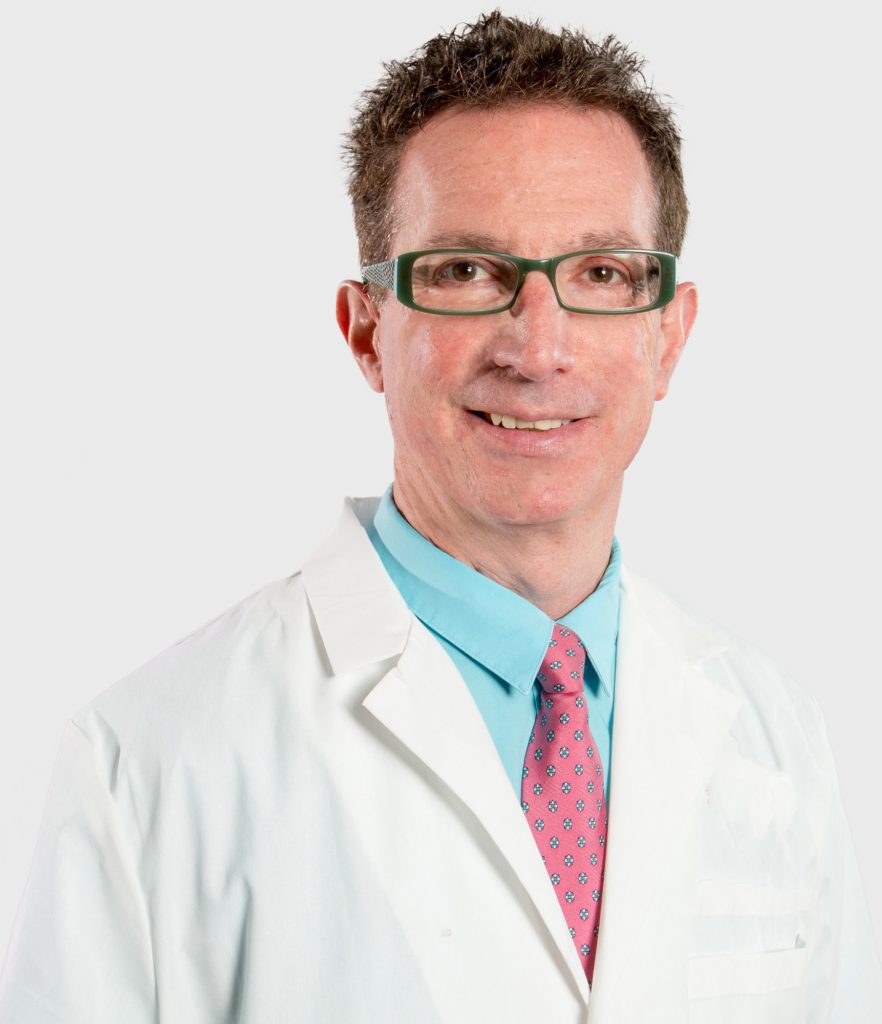
Dr. Mitchell Albert
“We spent many years blazing pathways to build the infrastructure for medical imaging research in Thunder Bay and these are the fruits of our collective labour,” Albert says.
Both Reznik and Albert have been able to hire students from their labs directly after graduation, which they say is hugely important to the research, the students and the larger community.
Research benefits from having the same highly trained professionals stay on with the project instead of having to bring new people up to speed. Students who grew up in Thunder Bay benefit from the option to stay in their hometown while still working on cutting-edge innovations, and students who come from abroad can remain in their adopted home. And the community benefits from new jobs and the influx and retention of talent.
“I really appreciate Thunder Bay because it is a place where I can make a difference and open up new horizons for students and the community,” Reznik says.
Thirteen years after arriving as a student, Bubon is now well-established in the local community. He completed his master’s degree and PhD, was hired as Associate Scientist at TBRHRI and Chief Technology Officer at Radialis. He also purchased a house, further planting his roots in Thunder Bay.
“This community has been really friendly and welcoming,” Bubon says. “I came here as an unknown person from Ukraine and have been able to contribute to very interesting science that we hope will save lives and improve outcomes for every patient that comes through the healthcare system.”
Ask a Cancer Researcher: How does blood change as we age?
Dr. Kimberley Skead answers a question from the public.
Blood touches every single one of our organs as it travels through our bodies, and so it can often provide early signs that something isn’t right.
In our latest Ask a Cancer Researcher, Dr. Kimberley Skead answers a question from Matt about how our blood changes as we age, and what that means for predicting, diagnosing and treating disease like cancer.
See Skead’s full answer in the video above, and considering submitting your own question for a chance to be featured in our next video.
New OICR investigator combines physics, chemistry, and artificial intelligence to improve tissue imaging
Dr. Chenxi Qian has developed an advanced vibrational spectroscopy technique that delivers fast, high-resolution and label-free imaging.
Dr. Chenxi Qian is excited to take advanced concepts from physics and chemistry and apply them to real-life problems.
Qian is a physicist and chemist who specializes in vibrational spectroscopy, a method for measuring the chemical bonds of different molecules. Though one type of vibrational spectroscopy – known as ‘infrared’ – has some well-known applications in health science, Qian’s specialty – known as ‘Raman spectroscopy’ – isn’t well-known by your average clinician.
But Qian hopes to change that. The Raman method he developed has the potential to be a faster and more accurate tool to scan tissue samples for diseases like cancer.
“In healthcare, patients can’t afford to wait a long time for scans to tell them a diagnosis or prognosis,” Qian says. “We want to bring clinicians a new tool to help them deliver personalized medicine.”
Originally from China, Qian did his undergraduate studies Nanjing University before moving to Canada to earn his PhD in chemistry from the University of Toronto. Qian’s interest in spectroscopy led him south of the border to the California Institute of Technology (Caltech), where he did his postdoctoral fellowship. Now, he has come back to Canada to become Assistant Professor of Medical Biophysics at the University of Toronto and to start his own lab at Sunnybrook Hospital.
Earlier this year, Qian received an OICR Early Career Investigator Award to support research into his innovative imaging method. OICR News recently asked him about his method, and about what drives him as a scientist.
When did you know that you wanted to become a scientist?
I was interested in science from a very young age. When I was in elementary school, we would sometimes give speeches to the class. My speeches were usually about physics or chemistry – I would learn some advanced, abstract concept and then teach it to my classmates. Then, in high school, I decided I wanted to become a scientist and a professor.
Were you also interested in healthcare early on?
That interest didn’t come until later. My graduate studies were in physics and chemistry. Then during my postdoctoral fellowship at Caltech, I focused mainly on a method based on nonlinear vibrational spectroscopy called ‘stimulated Raman scattering imaging’.
Raman microscopy is an imaging technique that has been used for many years in different fields, but I believe its future lies in healthcare. With recent advances, it can help create a 3D image of the components of a particular sample, and that can be very useful in healthcare, and especially in cancer.
Also, like many people, I have a personal connection to cancer. When I was very young, I lost my grandfather to lung cancer. He was very dear to me. I believe this was a signal to me that I should use my knowledge to contribute to cancer research.
What exactly is vibrational spectroscopy and what makes it effective for imaging in healthcare?
Vibrational spectroscopy is a way to visualize the molecules in a sample by probing their molecular vibration. Each chemical bond within molecules has a specific vibrational frequency, whether the molecules are proteins or lipids or something else.
The advantage of this imaging technique in healthcare is that it is label-free. The current standard for tissue samples is histology, where dyes are used to stain the sample. Sometimes that staining process is very long and troublesome and doesn’t allow for quantification. The Raman imaging method we use can achieve very high resolution without the labeling process and all that comes with it.
You have developed an innovative technique for Raman imaging in healthcare. Can you tell us more about that?
In the lab I’m building at Sunnybrook, we use an advanced form of Raman imaging called ‘simulated Raman scattering imaging’. I contributed to advancing this technique at Caltech with my colleagues and supervisors. We created a way to enhance the Raman signal to achieve high-resolution, high-throughput imaging. We are also combining this with machine learning methods, so that we can get an even faster throughput.
We are currently building our machine. When we’re done, we want to bring it to clinicians so they can have faster, label-free imaging to support personalized medicine.
What excites you about the potential of this technique?
A lot of physicists and chemists come up with a method, and then leave it to others to worry about its application. But I am taking the opportunity to work on the application of our method myself, because I believe it can be very valuable in healthcare. I’ve also had the opportunity to talk to many clinicians about my method. They also think it could be useful to them, and that’s very exciting to me.
New member of executive team will strengthen OICR’s commitment to patients, equity and impact
Dr. Rebecca Tamarchak joins OICR’s executive team after eight years with the organization.
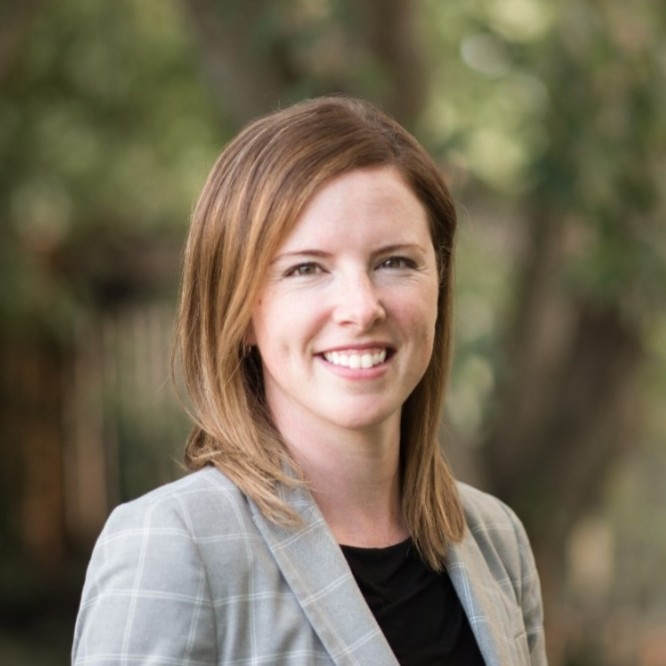
OICR is excited to welcome Dr. Rebecca Tamarchak to its executive team, a move that will help the institute realize its commitment to partnering with a diverse community of cancer researchers, patients and other groups to make cutting-edge advances in cancer diagnosis, detection, treatment and prevention.
Tamarchak takes on the role of Head of Strategy, Governance and Partnerships, overseeing a broad range of OICR activities to set and achieve OICR’s strategic goals.
Since joining OICR in 2015, Tamarchak has served as Director and then Senior Director of Strategy and Governance. In these roles, she led the roll out of new strategic initiatives, developed new systems to measure and report on OICR’s impact, stewarded the drafting of institutional reports and strategic plans, and implemented new approaches to engage patients, academics and other partners.
Now, as part of the executive team, her expanded duties include overseeing OICR’s patient partnership and equity, diversity and inclusion (EDI) activities. She will take on a leadership role in facilitating OICR’s interactions with the Ontario government, working closely with government and other OICR partners to bring research discoveries to patients who need them. She will work closely with other members of the executive team to help develop more collaborations with public and private organizations nationally and internationally to maximize OICR’s health and economic impact.
“Rebecca has been an essential part of OICR’s success and growth over the past eight years, and has consistently been an outstanding performer,” says OICR President and Scientific Director Dr. Laszlo Radvanyi. “We are excited to now have her on the executive team, where her talents and experience can make an even greater impact on OICR’s vision of cancer solved together.”
Before joining OICR, Tamarchak held several senior roles in the healthcare and not-for-profit sectors. She has a Bachelor of Science from Concordia University and a PhD in Cell Biology and Immunobiology from Yale University.
Tamarchak says she looks forward to learning from her colleagues on OICR’s executive and applying her diverse experience.
“I am very excited to be joining the executive team and playing a bigger role in steering the institute’s success and impact,” she says.
The Next Generation: Jingping Qiao
PhD Student studying the complexity of breast cancer to try and impact treatment.
About one in eight Canadian women will develop breast cancer in their lifetime. But how their cancer progresses can depend on what types of cells their tumour is made of.
Jingping Qiao is a PhD student at the University of Toronto based in OICR’s Computational Biology Program. She is studying the complex molecular makeup of breast cancer tumours in the hopes of finding better ways to diagnose and treat them.
“I hope my project helps clinicians make more informed decisions that lead to more personalized treatment plans that offer better outcomes,” Qiao says.
Find out more in Qiao’s The Next Generation video.
Ask a Cancer Researcher: How can we predict if breast cancer will come back?
OICR Co-Director of Diagnostic Development Dr. Melanie Spears answers a question from a patient.
What are the chances my cancer will come back? It’s a question on the mind of just about every person undergoing cancer treatment.
There are several tests and tools that doctors use to predict if cancer will recur. And at OICR, we are working on developing new tests to accurately measure the risk of recurrence.
In our latest Ask a Cancer Researcher video, OICR Co-Director of Diagnostic Development, Dr. Melanie Spears, discusses some of the tools used to predict breast cancer recurrence, in response to a question from patient partner Koko Bate Agborsangaya.
Watch the video below and consider submitting your own question to be answered by one of OICR’s expert researchers.
New network to give improved options to Ontarians with hereditary cancers
The Ontario Hereditary Cancer Research Network will drive research into cancers caused by inherited genetic mutations.
Even as a teenager, long before she knew what a genetic mutation was, Katie Lark was pretty sure she would face cancer someday.
Her grandmother died of ovarian cancer decades earlier, and Katie knew cancer sometimes runs in the family. She also watched her aunt get treatment for ovarian and breast cancer and witnessed the huge challenges that came with it.
Katie Lark
“It was always in the back of my mind, even though I never really talked about it,” Katie says.
But that knowledge didn’t make it easier when Katie’s aunt and father both tested positive for an inherited mutation in the BRCA1 gene that increases the risk of certain cancers.
And it didn’t ease the shock when Katie, at 25 years old, also tested positive for the same BRCA1 mutation and was told she had up to an 80 per cent chance of developing breast cancer and a 60 per cent chance of ovarian cancer.
“Imagine being 25 years old and finding that out,” Katie says. “I was pretty freaked out.”
About 10 per cent of all cancers are caused by mutations passed down from parents to children. They are called hereditary cancers.
Advancements in genetic testing have helped many Ontarians find out about their risk of hereditary cancers. But access to the 20 different clinics in Ontario that do genetic testing for hereditary cancer can vary depending on where you live in the province. And what to do once you know you inherited a cancer-causing mutation isn’t always clear.
The data generated from genetic testing also creates a huge opportunity for research into how to prevent, detect and treat hereditary cancers. But in Ontario, that data is stored in several different unconnected databases, so it can be difficult to get a full picture of all hereditary cancers across the province.
To Dr. Raymond Kim, a medical geneticist, Ontario is long overdue to break down these data siloes.
“Ontario needs one place to gather data on all people with hereditary cancer so that we can connect people with the right services and research new ways to manage these cancers,” says Kim, who practices at the University Health Network, Mount Sinai Hospital and SickKids.
Kim shared this vision with different stakeholders over the past few years, including OICR President and Scientific Director Dr. Laszlo Radvanyi. They ultimately decided that OICR, as the province’s cancer research institute, was the ideal ‘honest broker’ to unify the hereditary cancer community in Ontario. Then, in 2021, Kim and OICR announced plans to build the Ontario Hereditary Cancer Research Network (OHCRN), an Ontario-wide registry for all carriers of hereditary cancer.
Two years later, the OHCRN project is off and running. The network is currently working with OICR’s Genome Informatics team to build the registry and ensure it meets the highest standards of data security. The network expects to begin collecting data from Ontarians in 2025.
For Kim, who is one of Ontario’s leading hereditary cancer researchers, OHCRN will be an invaluable resource. Access to province-wide data about all types of hereditary cancers will drive game-changing research into some of the biggest questions in hereditary cancer.
That includes studying why some people with cancer-causing genes end up developing cancer, and why some don’t. The answer could inform new ways to treat hereditary cancers or stop them before they start.
Researchers can also use this data to find the best ways to screen people for the many different types of cancer that are hereditary. While a mammogram can screen for breast cancer and an MRI could look for other types of cancer, there is no unified way to screen people with cancer-causing genes for all cancers they could develop.
“Many scientists, including several at OICR, are exploring whether blood tests for cancer – sometimes referred to as ‘liquid biopsies’ – could be a valuable tool,” Kim says.
What researchers learn from OHCRN data also has implications beyond hereditary cancers, Kim says. That’s because many cancer-causing genes are not inherited at birth. Sometimes genetic mutations happen later in life, for different reasons. But the cancers that develop from these mutations are treated largely in the same way, whether hereditary or not.
“That’s why hereditary cancers have been called the Rosetta Stone of all cancers,” Kim says.
Though he’s excited by the opportunities OHCRN creates for research, Kim says the goal of the OHCRN project is ultimately to connect and support patients as soon as possible.
“It’s all about patients for me, and especially those that are outside of big cities like Toronto,” he says. “It excites me that we can bring them into an Ontario-wide community and improve their standard of clinical care.”
As a genetic counsellor in Orillia, Lauren Hughes witnessed how challenging it can be for people with hereditary cancer in smaller communities. She would often have to direct patients to Toronto to access services.
Lauren Hughes
“I simply didn’t have the same resources available to my patients that my colleagues in bigger cities did,” Hughes said. “They might have to travel for their screening or treatment, or if they wanted to participate in a clinical trial.”
That experience motivated Hughes to join OHCRN as Program Manager in September 2021. She has since helped lay the groundwork for the network and bring different stakeholders on board. One of the most important early steps was building strong relationships with the existing hereditary cancer infrastructure across the province. The project now has collaborators at all of Ontario’s 20 hereditary cancer clinics and all nine of the molecular laboratories that test for hereditary cancer, which is where most OHCRN data will come from initially.
As the project progresses, OHCRN will launch its own online portal where people with hereditary cancers can register and provide consent for OHCRN to access data from their clinical and lab reports. Once they are part of the network, people will have access to information about cancer screening programs and clinical trials that may be appropriate for them.
“We’re trying to give that power back to people with hereditary cancer to be able to self-identify and advocate for themselves,” Hughes says.
The results of Katie Lark’s genetic test, while extremely difficult to hear, gave her the chance to make proactive decisions about her health. Yet she was left with a difficult choice: have surgery to remove her breasts and reproductive organs before they could develop cancer or get regular tests and scans and wait to see if cancer developed.
She ultimately decided to have a double mastectomy at 27 and a full hysterectomy and salpingo-oophorectomy at 30. And while she is proud to have taken preventative action against hereditary cancer, she wishes things could have been easier.
“I want there to be better options for patients like me,” says Katie, who is now working with OHCRN as a patient partner. “Ten years from now, I hope people aren’t faced with the same tough choices.”
This website uses cookies in order to optimize the user’s experience. To learn more about how we use cookies on this website, please review our Website Privacy Statement. Your browser settings may allow you to turn off cookies. By continuing to use our website site without changing your browser settings, you consent to our use of cookies in accordance with Website Privacy Statement
This website uses cookies to improve your experience while you navigate through the website. Out of these, the cookies that are categorized as necessary are stored on your browser as they are essential for the working of basic functionalities of the website. We also use third-party cookies that help us analyze and understand how you use this website. These cookies will be stored in your browser only with your consent. You also have the option to opt-out of these cookies. But opting out of some of these cookies may affect your browsing experience.
Necessary cookies are absolutely essential for the website to function properly. These cookies ensure basic functionalities and security features of the website, anonymously.
Cookie
Duration
Description
cookielawinfo-checkbox-analytics
11 months
This cookie is set by GDPR Cookie Consent plugin. The cookie is used to store the user consent for the cookies in the category "Analytics".
cookielawinfo-checkbox-functional
11 months
The cookie is set by GDPR cookie consent to record the user consent for the cookies in the category "Functional".
cookielawinfo-checkbox-necessary
11 months
This cookie is set by GDPR Cookie Consent plugin. The cookies is used to store the user consent for the cookies in the category "Necessary".
cookielawinfo-checkbox-others
11 months
This cookie is set by GDPR Cookie Consent plugin. The cookie is used to store the user consent for the cookies in the category "Other.
cookielawinfo-checkbox-performance
11 months
This cookie is set by GDPR Cookie Consent plugin. The cookie is used to store the user consent for the cookies in the category "Performance".
viewed_cookie_policy
11 months
The cookie is set by the GDPR Cookie Consent plugin and is used to store whether or not user has consented to the use of cookies. It does not store any personal data.
Functional cookies help to perform certain functionalities like sharing the content of the website on social media platforms, collect feedbacks, and other third-party features.
Performance cookies are used to understand and analyze the key performance indexes of the website which helps in delivering a better user experience for the visitors.
Analytical cookies are used to understand how visitors interact with the website. These cookies help provide information on metrics the number of visitors, bounce rate, traffic source, etc.
Advertisement cookies are used to provide visitors with relevant ads and marketing campaigns. These cookies track visitors across websites and collect information to provide customized ads.
Other uncategorized cookies are those that are being analyzed and have not been classified into a category as yet.
This website uses cookies in order to optimize the user’s experience. To learn more about how we use cookies on this website, please review our Website Privacy Statement. Your browser settings may allow you to turn off cookies. By continuing to use our website site without changing your browser settings, you consent to our use of cookies in accordance with Website Privacy Statement