New PanCuRx Co-Lead aims to bring latest pancreatic cancer innovations to patients

Clinician Scientist Dr. Robert Grant will help lead OICR’s signature pancreatic cancer program into next phase.

Dr. Robert Grant recently became Clinical Co-Lead of OICR’s cutting-edge pancreatic cancer research program, PanCuRx, following the retirement of Dr. Steven Gallinger. As a Clinician Investigator at Princess Margaret Cancer Centre (PM), Grant treats patients with pancreatic and biliary tract cancers and conducts research into integrating Big Data and AI technologies into clinical decision making.

Grant works out of the Wallace McCain Centre for Pancreatic Cancer at PM, which collaborates extensively with the PanCuRx program on clinical trials. He joined OICR News for a chat in which he explained his journey from studying economics to testing drugs on patient-cell derived organoids.

Can you tell us about how you became interested in medicine and research and pancreatic cancer in particular?

When I was completing my undergraduate degree in economics and trying to figure out what I wanted to do, I had been volunteering at the cancer centre in London, and it was a really informative experience. It was inspiring to see everyone there working to help people with cancer, and in addition, my grandfather had cancer at the time. I didn’t know much about oncology, but I decided to pivot my studies to try and get into medical school. To get the necessary prerequisites, I pursued my MA in economics and was successfully accepted to medical school at the University of Toronto.

During my first month there, I was connected with Dr. Steven Gallinger. I heard he was doing cool research, in particular exome sequencing, which was a brand new technology. I remember doing a PubMed search for ‘exome’ and there only being 20 or so papers. It was super interesting to me and Steve’s passion for pancreatic cancer research really rubbed off on me. It was the right place, the right time, I liked the new technology that nobody really understood, and I had some statistical background to bring to the table. I really never looked back from there. 

How does that background in economics play into your work?

I think in many ways, when I was studying economics, it was at the forefront of Big Data and statistical analysis. A lot of the innovative techniques were coming from the economics world which I found interesting, and now Big Data and its analysis are part of fields like medicine and genomics. Economics provided me with a solid foundation for applying these techniques to pancreatic cancer. In addition, I think there’s a broader way of thinking in economics that has probably stayed with me.

Can you tell us about your work as a clinician-investigator? 

As a medical oncologist at the Princess Margaret Cancer Centre, I mostly see people with pancreatic and biliary cancers, many of whom enrol in our innovative clinical trials testing new therapies and other technologies. I also oversee the pancreatic cancer genetics and screening program. Preventing pancreatic cancer remains a central challenge for us, but today, genetics is high impact, since when we find a genetic cause of a pancreatic cancer, we’re able to prevent other cancers throughout a whole family. 

This clinical work blends nicely with what our team at PanCuRx does from a research perspective and my personal lab, which is focused primarily on applications of AI and machine learning in the clinic. These applications include integrating different data types such as electronic health records, wearables and genomic data to improve decision making when it comes to treatment and supportive care. For example, in a recent paper in the Journal of Clinical Oncology, we showed how an AI could help get palliative care to those who need it most. In the end, the goal is to improve outcomes and quality of life.

What are the barriers to getting these tools into the clinic?  

I think all the ingredients are there, but we haven’t made the meal yet, if that makes sense. The algorithms we have are extraordinarily capable and there’s no doubt in my mind that if applied appropriately to the right situation, that they’d have a major impact. However, data is always an issue. We need to have appropriate safeguards and privacy, but we also need a way to let people who want to contribute their data to AI research do so. By sharing their data, people are helping make these models even more useful. We are making progress in this area, but there is still a lot of work to do.

Also, there is still the question of integrating them into routine clinical practice. We need to map out the complex process of providing pancreatic cancer care and think about the people involved in it. Can we embed these tools into existing practices, or do we need to update our practices more fundamentally? How are we going to measure their impact? Some of these technologies, such as reasoning language models, are poised to have broad impacts on care, so these are the complicated questions we need to be asking. I think that these issues represent the ‘last mile’ to clinical adoption, but I am happy to say that there is a lot of good work going on in this area.

What’s it like being part of PanCuRx and OICR?

I’m really grateful to be a part of this community. OICR has been integral to the success we’ve had so far in our pancreatic cancer research, owing in large part to the Institute being a world-leading genomics powerhouse, thanks to the efforts of Dr. Trevor Pugh and his group, working closely over many years with the co-lead of PanCuRx, Dr. Faiyaz Notta. The technologies available at OICR powered our first wave of discoveries and the new technologies being developed here are allowing us to build upon them and continue to innovate.

In terms of PanCuRx, I am proud of the program’s achievements so far and excited about the foundation they provide our group with going forward. We had the COMPASS trial which proved that you can indeed get rapid high-quality genomic data on a metastatic pancreatic cancer using technologies like whole-genome and transcriptome sequencing and laser capture microdissection, and that this data can improve care. We also have the on-going Prosper-PANC trial which is enabling us to evaluate this approach across Ontario.

Building on the COMPASS trial, we recently completed the PASS-01 trial, led by Dr. Jennifer Knox at the McCain Centre for Pancreatic Cancer with Dr. Elizabeth Jaffee from John Hopkins and Dr. David Tuveson from Cold Spring Harbor. This was an international study that evaluated the two standard forms of chemotherapy for pancreatic cancer in a randomized clinical trial. The results of this trial are allowing us to use biology to help in making the key clinical decision of who should get what treatment. OICR’s sequencing expertise and the other scientific specialties provided by our collaborators really allowed us to dig into this question like never before.

Is there anything going in the program right now that excites you in particular?

It’s the fact that we have really branched out across the spectrum of disease. We are working on tests for early detection, have trials in the surgical and radiotherapy spaces and there continues to be a deep focus on biomarkers to help guide treatment in all of our research. The NeoPancONE trial, which was presented at the American Society of Clinical Oncology conference last month and showed that chemo before surgery is beneficial in some subtypes of pancreatic cancer, is a great example of this.

From a more personal perspective, I am really excited about one trial I am leading from a clinical perspective, called ADOPT. In this trial, we are taking cells from a given patient’s tumour and growing living models of that tumour, called organoids, outside of the body. We will then be able to test many different drugs on them and see which ones the patient’s cancer is sensitive to, including drugs we may not normally use. The science is being led by Faiyaz and his team as part of PanCuRx. We hope that this approach can provide patients with treatment options that they didn’t have before, and on top of that, it will be treatments uniquely suited to their case.

More generally, I see a great momentum in the program and in pancreatic cancer research in general and I am really excited to be a part of it. We have built an amazing team, world-class resources, and capabilities spanning from the bench to the bedside, coordinated by the McCain Centre at PM and PanCuRx at OICR. Together with the incredible opportunities more broadly at OICR, with the network of brilliant people and cutting-edge new technologies, I believe we can use pancreatic cancer as a “launch pad” at OICR and PM, bringing the most exciting innovations rapidly into clinical care to make an impact for this devastating disease.

Using AI to interpret prostate cancer MRIs could reduce radiologist workload and give more patients access

A machine learning tool was able to accurately triage prostate cancer in OICR-supported research.

New research suggests that AI has the potential to improve the efficiency of prostate cancer screening, while also raising important questions about the use of AI in healthcare.

In an OICR-supported study published in Abdominal Radiology, Dr. Masoom Haider and his PhD student Emerson Grabke used a machine learning algorithm to interpret the results of mutiparametric MRI (mpMRI) and simulated its potential use as a triaging tool. They found it could reduce radiologist workload with minimal loss in accuracy.

It’s widely recognized that triaging suspected prostate cancer with mpMRI can spare patients and the health system from unnecessary biopsies. That’s why Cancer Care Ontario recommends all patients at risk of clinically significant prostate cancer get an MRI first, before determining if a biopsy is necessary.

But the increased use of MRI for triaging prostate cancer has put extra pressure on radiologists to interpret the results, which led researchers to wonder if AI could help reduce the added burden.

To answer this question, Haider’s lab trained a model on more than 2800 MRI exams. The AI model used a U-Net based convolutional neural network and combined this with clinical risk factors. The model was then run in a simulation on over 460 patient exams to see what would happen if only cases the deemed concerning were reviewed by the radiologist.

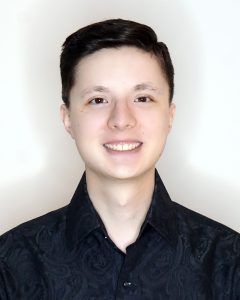
Emerson Paul Grabke

“We looked at how many exams could be triaged by U-Net combined with clinical indicators without needing a radiologist’s report, and how many instances of cancer might be missed with this triaging,” says Emerson Paul Grabke, PhD Candidate in Haider’s lab and first author of the paper.

They found that combining U-Net reading the MRI with prostate cancer risk indicators was able reduce radiologists’ workload by about 12.5 per cent with only a small reduction in the number of missed cancers (3 per cent) and a significant reduction in overcalls by radiologists.

“There is some promise here to potentially reduce healthcare costs and deal with shortages in radiologists, while helping more patients access MRI,” says Haider, Director of the Machine Learning and Radiomics Lab at Sinai Health and Professor of Medical Imaging at the University of Toronto.

But Haider says the study was meant to push the envelope into areas that would likely not be acceptable in the current healthcare environment. It raises important questions about our comfort level relying on AI to make important healthcare decisions.

Artificial intelligence (AI) has been touted for its potential to help with clinical decision making, but when and how AI should be used in place of human expertise has been the topic of much debate with human oversight deemed essential.

“We need to have a discussion in the medical community about what level of performance would make this kind of use of AI acceptable — further work is needed,” Haider says.

Haider says these conversations have become even more important as the healthcare system continues to face unprecedented demand. In June, the Ontario government announced it was adding 35 new centres for MRI and CT scans to keep up with increased pressures, which will ultimately means more need for radiologists to review the scans.

“There are interesting opportunities for AI to improve access in situations where it’s harder to get radiologist review — whether that’s late at night in the emergency room or in a remote area of the country,” Haider says. “So, it’s important we get this right.”

New OICR Investigator brings a dynamic approach to uncover the origins of cancer

Dr. Federico Gaiti uses a suite of advanced techniques to study how cancer begins and progresses.

One of OICR’s newest Investigators is bringing together a powerful combination of cutting-edge tools to better understand how cancer develops and spreads.

Dr. Federico Gaiti integrates genetic, epigenetic and spatial genomics approaches with novel computational frameworks to study cancer at the single-cell level, hoping to unlock new ways to diagnose and treat it.

“We combine different types of data to study the changes that occur in cells as they transition toward cancer — not just identifying what those changes are, but also understanding why and how they happen,” says Gaiti, a Scientist at the Princess Margaret Cancer Centre (University Health Network) and Assistant Professor at the University of Toronto.  

Gaiti’s scientific journey began in Italy, where he was born and raised. After earning his bachelor’s and master’s degrees in biology in his home country, he moved to Australia for his PhD studies, followed by postdoctoral research in New York.

As his research evolved from studying non-model organisms during his PhD to focusing on cancer during his postdoctoral training, Gaiti became increasingly interested in the molecular mechanisms driving cancer development. This growing focus led him to Toronto, drawn by its world-class cancer research ecosystem. In 2021, he moved to Canada and established his lab at the Princess Margaret Cancer Centre.

Now, three-and-a-half years later, his lab has grown to a team of eight with diverse skill sets, and they have recently celebrated a major milestone: the publication of their first research paper fully conceptualized and executed in Toronto, featured in Developmental Cell.

OICR News spoke with Dr. Gaiti about the new paper, his lab’s broader research goals, and how becoming an OICR Investigator is helping propel his work forward.

In simplest terms, how would you describe your research focus?

We start with a few fundamental questions: How does cancer begin? How does it become more aggressive over time? And how does it develop resistance to treatment? To answer these, we study the changes that occur in individual cells — not only genetic mutations in the DNA (known as somatic mutations), but also non-genetic changes that influence how cells grow, divide, and interact with their environment.

We use cutting-edge tools and integrate multiple layers of data — including genetic, epigenetic, and spatial information — all at the single-cell level. This comprehensive approach allows us to trace the molecular changes that drive cancer development, with the goal of understanding when and how a normal cell becomes cancerous.

What sort of impact do you hope this work has on patients?

By understanding these changes at the cellular and molecular level, we aim to uncover vulnerabilities in the process of cancer development that could be targeted by new, more effective therapies. Gaining insight into these processes at their earliest stages may also lead to the development of diagnostic tests that detect cancer sooner, when it is most treatable.

Your lab just published its first paper. What did you find in that study?

Our study focused on glioblastoma, one of the most aggressive forms of brain cancer. We discovered that invasive glioblastoma cells ‘hijack’ normal brain development programs, behaving like immature brain cells. We believe this helps explain how these cancer cells spread so effectively throughout the brain. Understanding this process could open new ways to target glioblastoma, not just by trying to kill the cancer cells, but by disrupting the developmental pathways they co-opt to invade healthy tissue.

How has becoming an OICR Investigator helped you realize the goals of your research?

Becoming an OICR Investigator helps bring our ideas to life by connecting us with a network of outstanding scientists and providing access to valuable resources and support. This kind of collaboration is essential for driving science forward. As an early-career researcher, I also deeply value the mentorship opportunities, being able to learn from and seek guidance from more experienced investigators is incredibly helpful in navigating challenges and advancing our work.

Cancer Research Changed My Life: Cassandra’s story

Cassandra Bergwerff reflects on how a personal experience led her to work in cancer research.

Cancer research has had an influence on my life for the past decade or so.

It really started when I was 15, and I was diagnosed with Hodgkin’s lymphoma. I had a relatively short course of treatment and I was cancer free within a few months.

It was wonderful to be cancer free, but the treatment was really hard because there were a lot of side effects. And then following the treatment, I had a meeting with my oncologist who told me:

“Okay, you’re cancer free now. That’s great, but here are the major side effects you might have long term that we need to look out for. You might get breast cancer, you might get thyroid cancer, you might have heart problems, you might have lung problems, you might have none of those, or all of those. We’ll just kind of keep an eye on you for the rest of your life.”

At 15, that was kind of a lot. So I felt motivated to do something about it. 

When I was looking into university, I picked a program I thought could prepare me to be a cancer researcher because I wanted to work on reducing the short-term and the long-term side effects of cancer treatment.

As I studied, I realized that wasn’t necessarily the path that I wanted to take. I liked different parts of science, and I didn’t necessarily want to be a Principal Investigator in a lab.

But I still ended up here at the Ontario Institute for Cancer Research after graduating, and I’m very glad to be here and contribute in some small way to the advancement of cancer research.

It’s so important that this work keeps going, because it makes such a big difference in the lives of so many people.


Cassandra Bergwerff is the Project Lead, Innovation Translation at the Ontario Institute for Cancer Research, where she has worked for 5 years in a variety of roles. She has a BScH in Biotechnology from Brock University and is currently studying part-time to obtain an MBA from Carleton Unversity. She is a childhood cancer survivor (diagnosed with Hodgkin’s Lymphoma at age 15) who enjoys spending time with family, reading outdoors, and creating in various mediums.

Cancer Research Changed My Life: Camille’s Story

Camille Leahy talks about the clinical trial that gave her another chance after being told she was out of options.

Cancer research changed my life because without it, I wouldn’t be here today. And without research, I wouldn’t have the opportunity to watch my daughter grow up.

In January of 2020, I was diagnosed with acute lymphoblastic leukemia. I was sent to a cancer centre and did a month of chemotherapy.

Unfortunately, that chemotherapy didn’t work for me, and I was told that I needed a stem cell transplant. That stem cell transplant also failed eight months later. 

I was told that I was out of options.

But I recalled a doctor telling me during the preparation for my stem cell transplant about cell therapies, and one in particular called CAR-T cell therapy.

So when my cancer came back after my failed transplant, I did some research and I found a clinical trial in Ottawa.

From there, my T cells were taken out of my body. They were modified and trained to kill the cancer. These cells stay alive, and if cancer pops up again, they continue to kill it.

I will be four years cancer free this September.


Camille Leahy is a cancer survivor and patient advocate who shares her story to promote accessible clinical trials and innovative treatments across Ontario and Canada
.

Cancer Research Changed My Life: Peter’s story

Peter Goodhand talks about how a personal experience with cancer led him to a career as a leader in cancer research.

Cancer research has changed my life in very fundamental ways over the last 30-plus years.

It started, as it does for many people, with a personal experience. In my case, it was my wife in her early 30s being diagnosed with a rare cancer. 

At first, we struggled to find the right diagnosis and the right treatment. Eventually we did, and it worked. 

She got 12 years of life – much longer than would ever have been expected in the beginning. She got to see our children grow up. She got to teach hundreds of other children. But eventually, the treatments didn’t work anymore. And she died after 12 years.

The experience changed me at a very personal level. So, I changed careers and started to get heavily involved with cancer charities, eventually becoming the President and CEO of the Canadian Cancer Society.

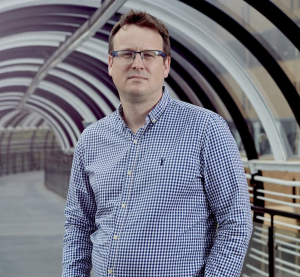
Peter Goodhand

Raising money for research, advocating for research, participating in some very strong, rigorous processes by which research was assessed and funded – it let me see firsthand that what we were doing wasn’t just for one family. It was for many. It was impacting Canadians. It was impacting people all over the world. 

When I came to the end of my term at Canadian Cancer Society, I wanted to continue doing just that. One of the things that stuck with me in the early days is the very specialized knowledge my wife had benefited from. 

Both her oncologists had died before she did, and with them most of the knowledge about those rare cancers disappeared. It left me with an enduring sense that we have to make sure that knowledge is shared, it’s available, and it can be analyzed and used broadly. 

That led me to help create a thing called the Global Alliance for Genomics and Health, which has the express purpose to bring genomic knowledge closer to patients in a way that can impact real care for all citizens of the world.


Peter Goodhand is a leader in the global health sector, holding senior executive and board member positions in the health research advancement community. He currently serves as the Chief Executive Officer of the Global Alliance for Genomics and Health (GA4GH).

Cancer Research Changed My Life: Kathy’s story

Kathy Smith describes her experience on a clinical trial to treat her late-stage breast cancer.

Cancer changed my life, but cancer research saved it. 

Following a two-year suspicion-to-decision interval, I was diagnosed with late-stage breast cancer and not given very good odds to even see a fifth anniversary.

I got surgery with two different regimes of chemotherapy. I also had a month of daily radiation at the end of all of that, which took nine months.

I was to take hormonal therapy tamoxifen for five more years. About two years in, I developed a serious side effect with tamoxifen. I was switched to a new type of hormonal therapy called aromatase inhibitors as part of a clinical trial.

I was very fortunate that the trial was offered right in Thunder Bay, so I did not have the physical and financial burden of having to travel.

I believe that taking part in that research trial moved science forward. Aromatase inhibitors are now part of standard of care. I feel very happy and proud that I was part of having that happen. 

Taking part in this cancer trial changed my outcome. I’m still here 20 years later and have been extremely grateful that I was able to watch my six grandchildren grow up, my four children succeed in getting married and having their jobs. 

I have my life back and I believe I owe it to taking part in that research trial. 

And now on the silver lining is that I have become a very active patient advisor in with cancer research.


Kathy Smith is a cancer survivor and a patient partner in cancer research and care, who is actively involved in projects as part of OICR’s Patient Community, the Canadian Cancer Clinical Trials Network (3CTN), as well as other organizations.

Cancer research changed my life: Gary’s story

Gary Davis talks about how a major research breakthrough years before he was diagnosed transformed his journey with cancer.

The survival rate for acute promyelocytic leukemia (APL) in the 1990s was about 10 per cent. By the 2010s it was about 90 per cent.

These numbers tell you why, when I was diagnosed with APL in 2017, I was told that I had won the lottery.

Right place. Right time. But it wasn’t luck that dramatically changed my prognosis. It was cancer research.

A few decades ago scientists in China began studying arsenic trioxide (ATO) as a treatment for APL. For 2,000 years arsenic was a commonly used ingredient in various medications in China. Modern studies trialled ATO, often in combination with chemotherapy or other treatments, and the results were extremely positive.

ATO was ultimately approved to treat APL by the FDA in the early 2000s and its increased use is a big reason for the dramatic shift in APL survival rates — from one of the deadliest forms of acute myeloid leukemia to the most treatable.

I am an example of that success. Eight years after my initial diagnosis I am now a healthy man with no APL residue. During my nine months of treatment, and as my blood counts started to improve, I read more about how ATO came to be developed for APL.

Out of that investigation I composed a letter to two of the researchers behind the ATO studies of the 1990s, describing to them my experience on the receiving end of their breakthroughs. I wanted them to know, beyond the numbers that they could see, what a difference they were making in the lives of people around the world.

I soon heard back from them and I swear there were smiles in their letter. They said that it indeed made a difference to see the real-world implications of their research.

Our shared experience — my health and their joy from hearing my story — is a testament to the power of cancer research.

That power also inspired me to want to contribute to blood cancer research. I took the opportunity to be a patient advisor in a project aimed at developing ways to encourage newly diagnosed blood cancer patients to donate extra bone marrow samples for research purposes.

The opportunity to help others through cancer research, just as others before helped me, has been an honour.


A Toronto native, Gary Davis now lives in Ottawa with his wife of many years. Following a career in community economic development he is now savouring retirement.

Promising drug discovery research gets funding boost from Ontario Institute for Cancer Research

The latest projects supported through OICR’s Cancer Therapeutics Innovation Pipeline (CTIP) program aim to develop new drugs against multiple forms of cancer.

April 3, 2025, ONTARIO – The Ontario Institute for Cancer Research (OICR) has announced its support for five Ontario research teams working to develop the next generation of medicines that kill tumours more effectively, cause fewer side effects and reduce the risk that cancer will come back.

The projects will be funded as part of OICR’s Cancer Therapeutics Innovation Pipeline (CTIP) awards, which provides research teams with up to $300,000 over two years to help advance promising drug discovery research so that new cancer drugs can more quickly and safely reach patients.

“Ontario has become a global leader in developing a new generation of cancer drugs, and OICR is proud to help made-in-Ontario innovations reach their full potential,” says Dr. Lincoln Stein, Acting Scientific Director of OICR. “These five projects are on the cutting edge of cancer drug discovery and are well-positioned to make a major difference in the lives of cancer patients.”

CTIP applications are reviewed by a committee of experts from academia and industry, who also provide scientific and strategic advice to the funded research teams.

The five new CTIP research teams span the province from Thunder Bay to Toronto. They are taking innovative approaches to treating cancer by harnessing new insights about cancer biology to help stop cancer from spreading, reduce unwanted side effects and overcome treatment resistance.

This year’s CTIP recipients include:

  • Dr. Jinqiang Hou (Lakehead University, Thunder Bay Regional Health Research Institute (TBRHRI)) and Dr. Guillem Dayer (TBRHRI) who will explore a potential treatment for cervical cancer, the world’s third most common cancer among women aged 20-39. By targeting a protein found only in cervical cancer cells, they will develop a drug to find and kill cancer cells, with limited damage to surrounding healthy tissue.

    “Our hybrid molecule, acting like a guided missile that targets only cancer cells, could provide a new tool to destroy cancer while minimizing side effects for the patient.” – Dr. Jinqiang Hou, Associate Professor (Chemistry), Lakehead University, Scientist, TBRHRI
  • Dr. Iacovos Michael (Sunnybrook Research Institute) and Dr. Masoud Vedadi (OICR) who will investigate ways to overcome cancer metastasis and resistance to treatment, the two main reasons patients ultimately die of cancer. With CTIP funding, they will build on recent discoveries about a protein that plays a key role in metastasis and resistance for multiple types of cancer, further study its role in cancer development, and explore ways to impede its function.

    “Understanding how this protein works will allow us to develop drugs that hinder its function, with the ultimate goal of improving the survival and quality of life of patients affected by cancer.” – Dr. Iacovos Michael, Scientist (Biological Sciences), Sunnybrook Research Institute
  • Dr. Valentina Evdokimova (OICR) and Dr. Laszlo Radvanyi (University of Toronto) who will harness the “dark matter” of the human genome to identify endogenous retroviruses (ERVs) which could be targeted to prevent cancer progression and immunosuppression. Their team’s goal is to develop a validated drug screening platform that can help unlock the potential of ERV targeting in cancer drug discovery and to use that platform for testing potential therapeutic candidates.

    “Though human endogenous retroelements were considered disabled and functionally inept for decades, we are now showing that they are highly expressed in cancerous cells and may hold exciting potential for therapeutics to stop the development of cancer or prevent it altogether.” – Dr. Valentina Evdokimova, Research Scientist, OICR
  • Dr. Anthony Rullo (McMaster University), Dr. David Uehling (OICR) and Dr. Methvin Isaac (OICR) who will test a potential breast cancer therapy that activates the body’s immune system to kill a tumour. Researchers have developed a chemical synthetic “covalent” antibody mimic that binds to immune cells on one side and tumour cells on the other side, acting as a “bridge” that allows the immune system to attack cancer, while causing fewer side effects than chemotherapy.

    “The results of our study will help advance a new class of synthetic immunotherapies with the potential to stop cancer, reduce relapse rates, and help Canadian breast cancer patients who lack other treatment options.” – Dr. Anthony Rullo, Associate Professor (Medicine), McMaster University.
  • Dr. Rima Al-awarDr. Richard Marcellus and Dr. Masoud Vedadi (OICR) who will explore chemical compounds to slow down the uncontrollable growth of cancer cells by inhibiting the function of a protein called KRAS. While the body often develops resistance to other KRAS inhibitors, Al-awar and colleagues will test a different kind of compound less likely to cause resistance, aiming to find the basis for new cancer treatments.

    “This approach could offer a new tool against multiple cancers to effectively overcome resistance and give patients a better chance of survival.” – Dr. Rima Al-awar, Senior Advisor (Drug Discovery), OICR.

These exciting studies join the growing portfolio of projects enabled by OICR’s Therapeutic Innovation Research Theme. OICR hosts one of the largest drug discovery programs of its kind in Canada and supports drug discovery projects at other institutions across the province.

“Ontario is proud to be globally recognized as a leader in cancer treatment, a disease where early intervention is critical,” said Nolan Quinn, Minister of Colleges, Universities, Research Excellence and Security. “Our government’s support of the Ontario Institute for Cancer Research and its Cancer Therapeutics Innovation Pipeline will ensure Ontario researchers continue to make ground-breaking discoveries so residents afflicted by cancer can receive the cutting-edge treatment they need to live longer, healthier lives.”  

CTIP is currently inviting applications for Early Validation, Early Accelerator and Late Accelerator projects.

* * *

OICR is funded by the Government of Ontario. As the province’s cancer research institute, we take on the biggest challenges in cancer research and deliver real-world solutions to find cancer earlier and treat it more effectively. We are committed to helping people living with cancer, as well as future generations, live longer and healthier lives. For more information visit http://www.oicr.on.ca.

The views expressed are those of OICR and do not necessarily reflect the views of the Province of Ontario.

Cancer research changed my life: Rakhi’s story

Rakhi Henderson explains how cancer research unlocked a life-changing treatment for her rare form of cancer.

It started with back pain. It was during the early days of the COVID-19 pandemic. I went to the doctor and wanted to make sure everything was okay.

I had some tests done, and it turned out I had stage 2 adenocarcinoma.

It was extremely shocking for me because I was a nonsmoker. I never thought I would be able to get lung cancer — and yet there I was.

But everything went well. I got my lower left lobe removed, and I was living life quite well. 

Then it came back in 2022, and it had metastasized into the pleura. I was given three to eight months to get my affairs in order. 

I decided right then and there I needed a second opinion.

That’s when they did a lot of testing on my tumour, and also blood biopsy testing and testing of the pleural fluid. They found out that I had a very rare form of cancer called ‘ROS-1 positive lung cancer’. This genetic mutation, ROS1, seems to affect predominantly women of Asian descent in their 40s to 50s. 

I was told that there was a treatment for it. It was a targeted therapy. 

Somebody had gone out and researched how to treat this genetic mutation that only affects like one-to-two per cent of all of adenocarcinoma patients. I was going to be able to take this drug and it would change my life.

And because of this drug, I have been able to live my best life.


Rakhi Henderson is an internal auditor and mother of two living the Greater Toronto Area. She was born in Kolkata, India, and spent her early years in Japan before moving to Canada with her family at the age of three. She studied English and History at the University of Toronto, and maintains a passion for politics and world history.