But the multi-phased course of chemotherapy used to treat children with ALL may have a negative impact on their brain development and put kids at risk of long-term cognitive or behavioural problems.
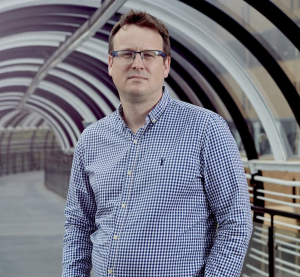
Through research supported by OICR and the Canadian Institutes of Health Research (CIHR), Dr. Brian Nieman of The Hospital for Sick Children (SickKids) is exploring how chemotherapy affects childhood brain development to find safer ways to treat children with ALL.
In Nieman’s latest published study, he and colleagues at SickKids and the University of Toronto showed that chemotherapy administered intrathecally (through the spine) is less harmful to brain development in mice than when it’s administered intravenously.
Now, he and colleagues are conducting two related studies: one to observe children treated for ALL with chemotherapy to better understand its impact on their brain development, and another to identify genetic factors that might put children at higher risk of side effects impacting brain development — known as ‘neurotoxicity’.
“Our goal is to identify which kids are most likely to experience neurotoxicity before it happens,” says Nieman, whose research was supported by an OICR Investigator Award. “Then ultimately, we hope those children can receive modified treatment or additional support that reduces their risk of life-altering side effects.”
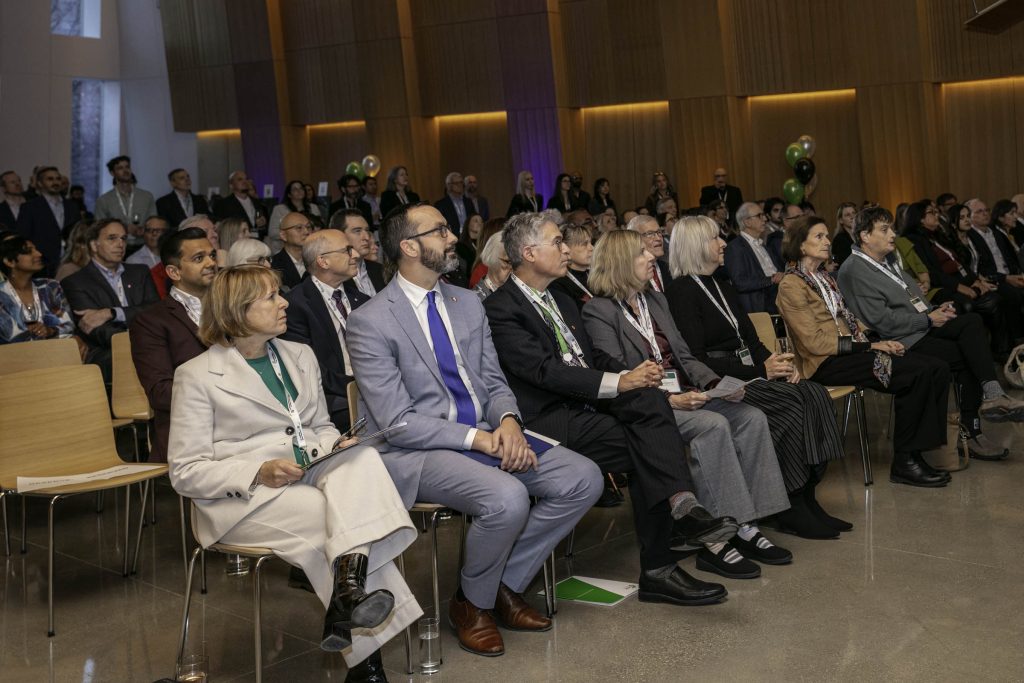
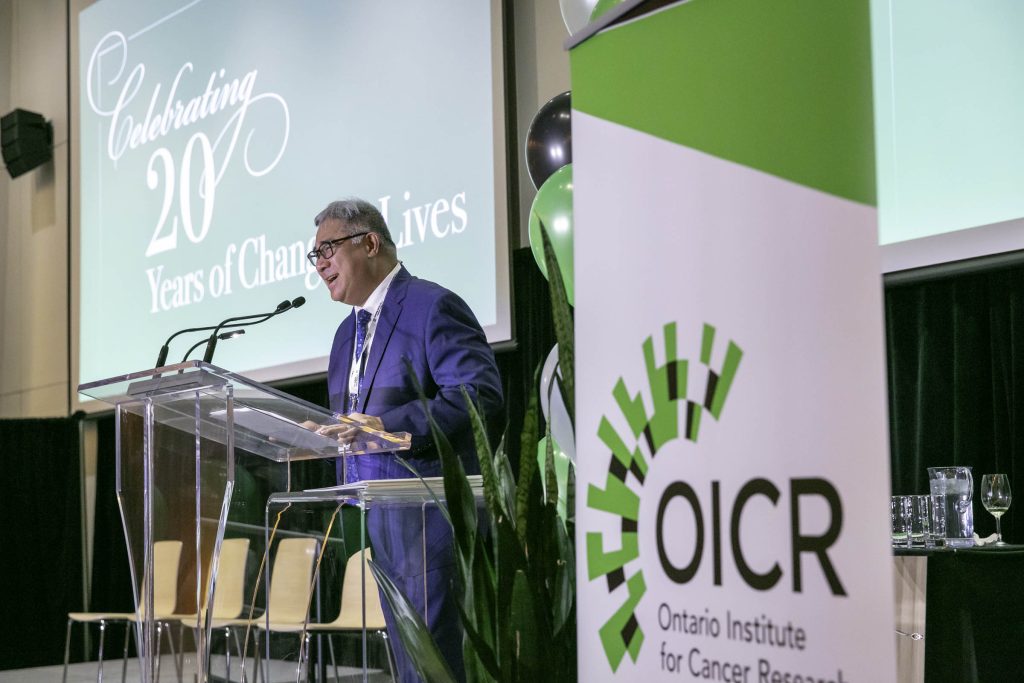
OICR celebrates 20 years of changing lives at anniversary celebration
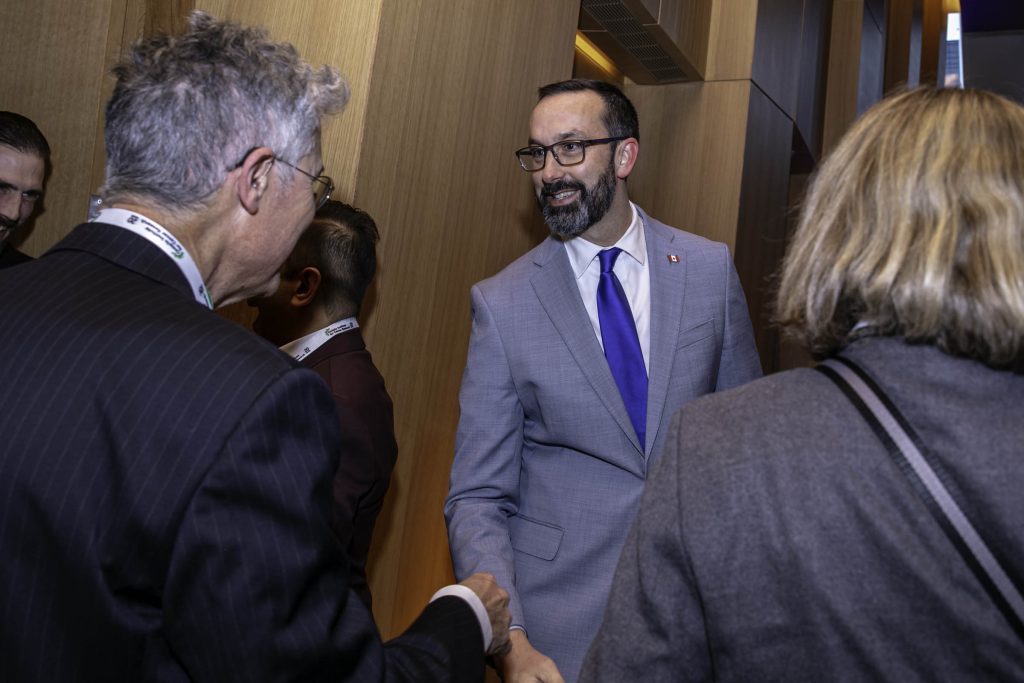
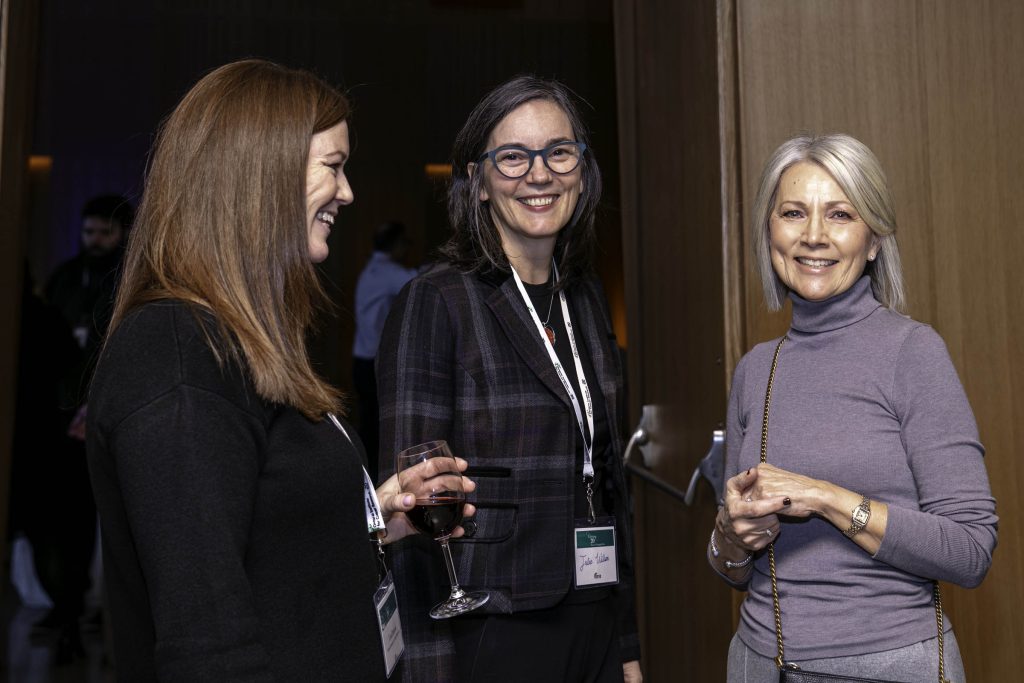
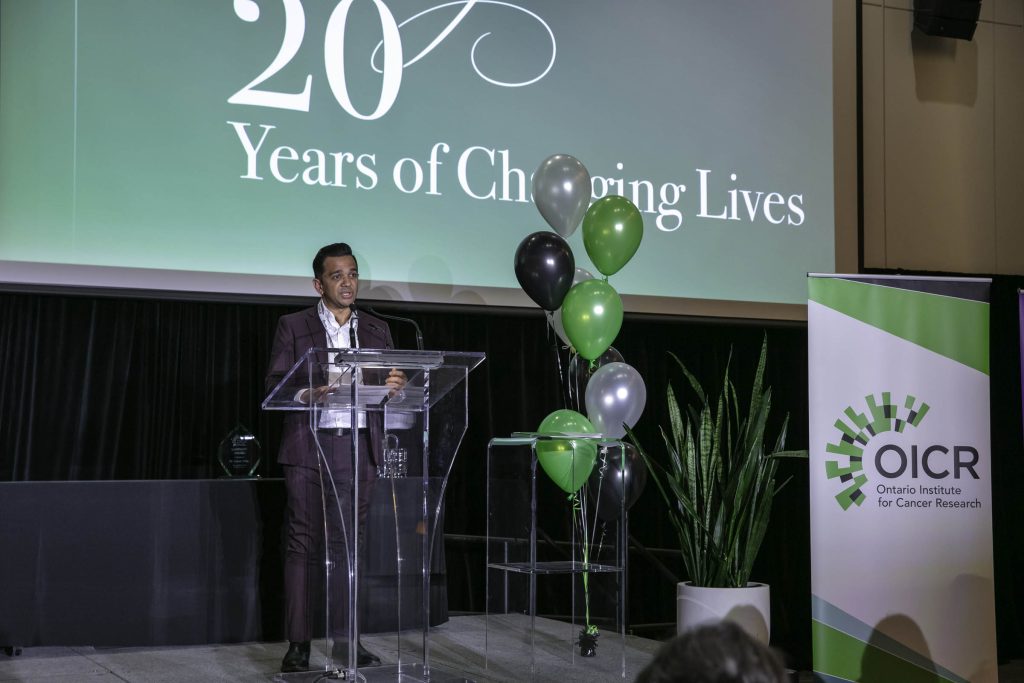
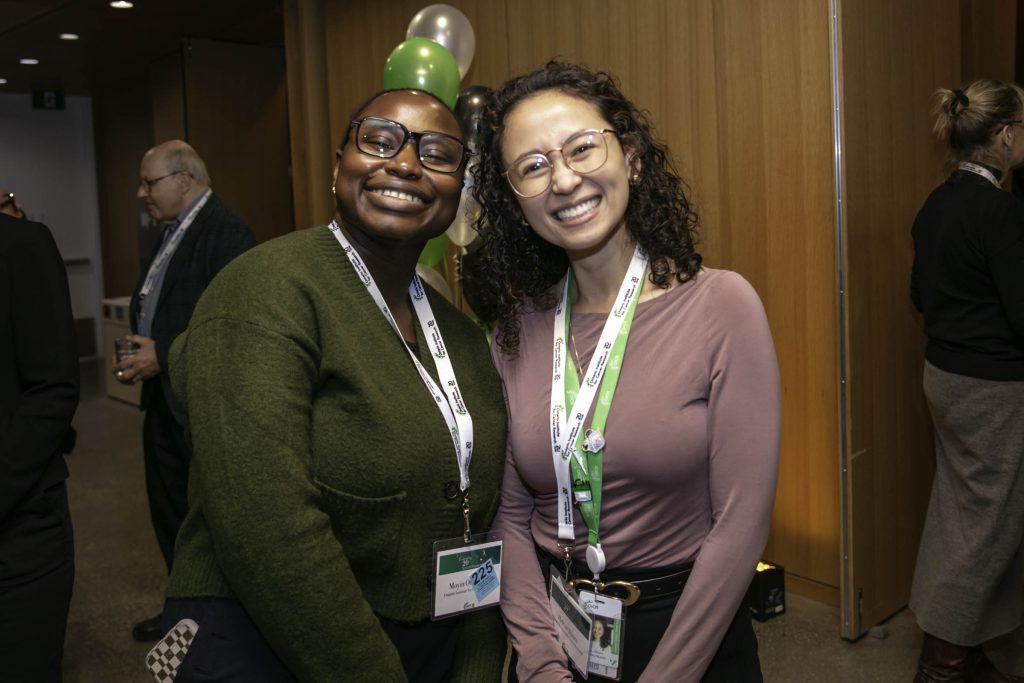
Scientists, health professionals, patients and leaders in academia, government and industry from across Ontario gathered to mark the 20th anniversary of OICR’s founding.
Ontario’s cancer research community recently came together to celebrate two decades of life-changing impact at OICR’s 20th anniversary celebration.
Held Dec. 11, 2025 in Toronto, the celebration marked the anniversary of OICR’s founding, which was first announced by the Government of Ontario in December 2005.
Key figures from OICR’s past and present gathered at the celebration to commemorate all the institute had achieved for Ontario’s health and economic prosperity over the past two decades, and look ahead to new innovations that will transform cancer care and life sciences for generations to come.
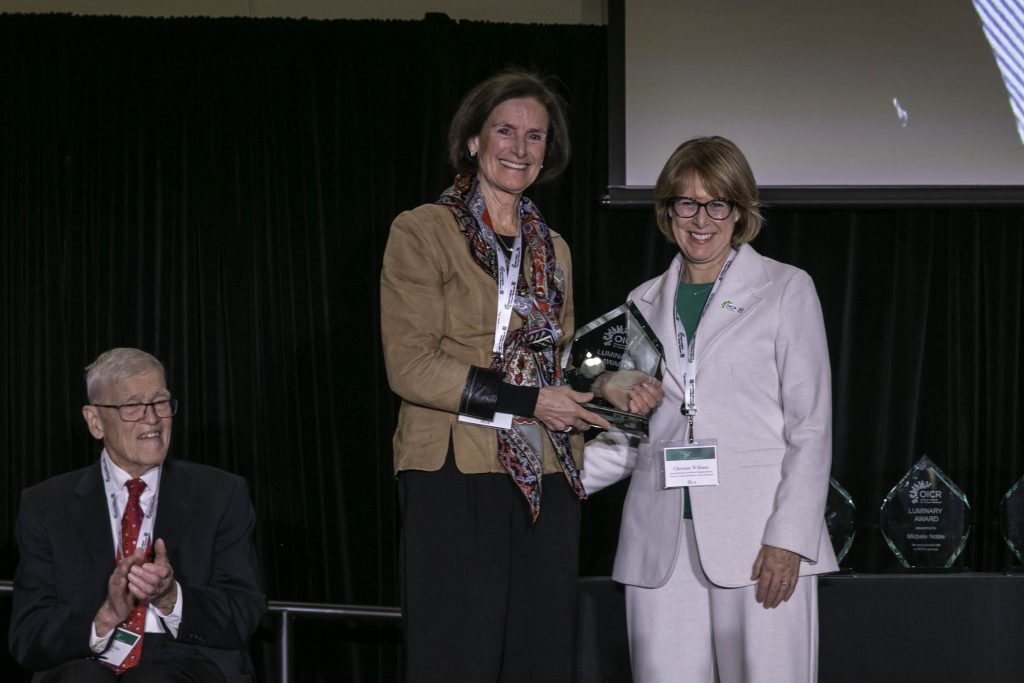
The celebration kicked off with remarks from the Hon. Nolan Quinn, Minister of Colleges, University, Research Excellence and Security, and a special video message from Premier Doug Ford. Other speakers included Chair of OICR’s Board of Directors Susan Fitzpatrick, OICR’s Acting President Dr. Christine Williams, OICR’s Acting Scientific Director Dr. Lincoln Stein, and Ambuj Srivastava of OICR’s Patient and Family Advisory Council.
OICR also honoured the first class of OICR Luminaries — a group of five leaders who played an essential role in building the institute. The inaugural Luminaries are John Evans, Tom Hudson, Michele Noble, Bob Phillips and Cal Stiller.
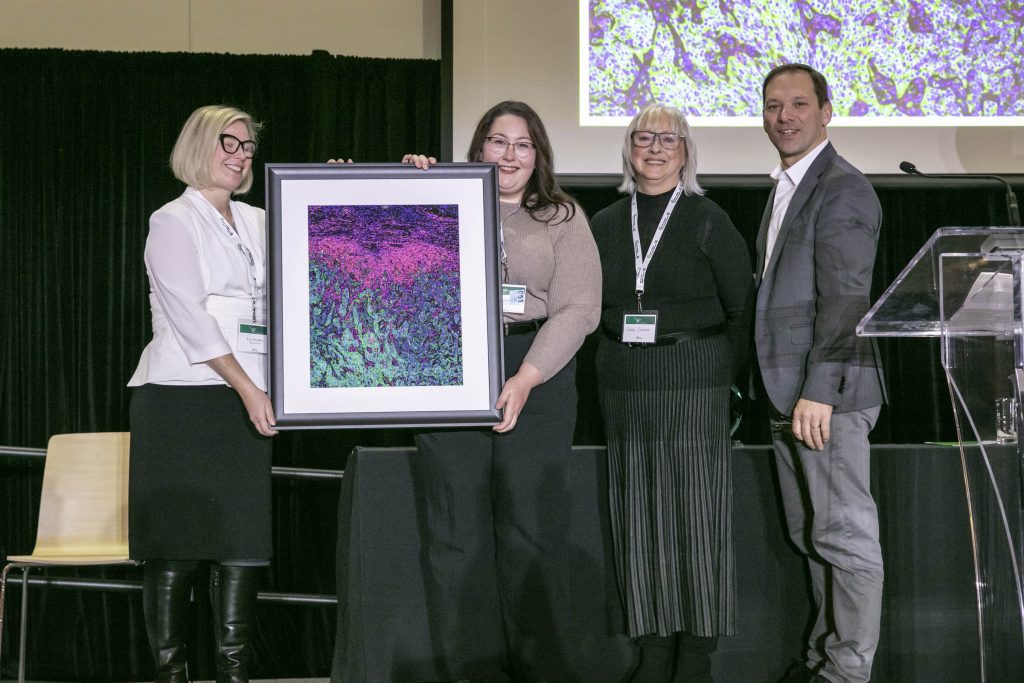
Later in the celebration, OICR announced the winner of InterConnections, a special art competition for images created as part of cancer research projects. First prize went to “The Meeting Point”, submitted by researchers Megan Hopkins and Dr. Melanie Spears.
The event’s MC Dr. Robert Campos, OICR’s Senior Director of Research Operations and Therapeutic Innovation, wrapped up the successful celebration by acknowledging the event planning team and the event’s sponsor organizations, which included Gold Sponsors Illumina and Fasken. He also thanked everyone in attendance and all members of the OICR community for their efforts to help people affected by cancer live longer, healthier lives.
New ‘data dictionary’ to translate genomics insights into cancer innovations
OICR created the ICGC ARGO data dictionary to harmonize genomic and clinical data collected from around the world.
A new tool to better integrate data into one of OICR’s signature genomics research programs could help generate cancer discoveries by ensuring researchers speak the same ‘language’.
Now published in Nature’s Scientific Data journal, the ICCG ARGO ‘data dictionary’ provides guidance and standardized terminology to help researchers record, label and input information into data repositories using shared language.
This helps ensure new data can seamlessly be combined and compared with other datasets, allowing researchers to generate new insights about cancer, how it develops and how to treat it.
“The data dictionary is like a recipe card for your cancer data,” says Dr. Mélanie Courtot, Senior Director of Genome Informatics and a Principal Investigator at OICR. “It tells you what each data element is, how it’s measured and what values are allowed, so anyone can understand and reproduce the study.”
ICGC ARGO is the latest evolution of the International Cancer Genome Consortium (ICGC), an OICR-led initiative to collect and catalogue cancer genomes from around the world. The ARGO project takes the next step to integrate clinical information — including which treatments a patient received for their cancer and how they responded — alongside genomic data, creating a comprehensive database researchers can access for cutting-edge cancer genomics projects.
Hardeep Nahal-Bose
ICGC ARGO integrates data from institutions across 13 different countries, where data collection and classification practices can vary. This sometimes forces researchers to ‘clean up’ their data after the fact so it can fit into the database. Using the data dictionary from the start will save them from the work of retrofitting their findings.
“The data dictionary explains what essential details to enter and how to record them using standardized terminology,” says Hardeep Nahal-Bose, Senior Bioinformatics Data Manager at OICR. “This common language makes it easier to share and combine data from studies around the word, so scientists can work together to find answers about cancer faster.”
The ICGC ARGO data dictionary is interoperable with other common data standards and has been adopted by other global initiatives like the Marathon of Hope Cancer Centres Network. It is free and publicly available at docs.icgc-argo.org/dictionary
Protein that unties tangled DNA linked to hotspots of cancer mutations
Research from the Ontario Institute for Cancer Research associated a chemotherapy-related cellular process with genetic mutations and used it to identify novel cancer driver alterations.
New research published in Nature Communications has linked a normal cellular process to an accumulation of DNA mutations — including some that drive cancer to develop and grow.
Led by Dr. Jüri Reimand of the Ontario Institute for Cancer Research (OICR), the study centres around a protein called TOP2B, part of a family of enzymes that serve an important function in cells and are targets of common cancer chemotherapies.
Strands of DNA are long and complex, and they often get looped and tangled. When that happens, TOP2B and other topoisomerase proteins make cuts to DNA strands to help untangle and repair them. But Reimand and colleagues found many genetic mutations present at the sites of these cuts.
“Our evidence shows that where TOP2B interacts with a genome to fix DNA loops, a lot of mutations accumulate in cells,” says Reimand, a Principal Investigator in Computational Biology at OICR and Associate Professor in the University of Toronto Departments of Molecular Genetics and of Medical Biophysics. “The vast majority of these mutations are probably harmless, but we also found dozens of well-known cancer-driving mutations at these sites.”
With that in mind, Reimand and colleagues generated a unique collection of sites where TOP2B binds to DNA and then used it as a starting point to search for novel cancer-driving mutations in more than 6,000 genomes of multiple cancer types. They looked specifically at the non-coding genome — large sections of DNA that do not encode for proteins and thus aren’t as well understood as other sections.
By mapping tens of thousands of sites in the non-coding genome where TOP2B is bound to DNA, they identified hundreds of potential cancer-driving mutations. Then they focused on a non-coding RNA gene called RMRP, which had previously been linked to breast cancer. Using functional genomics and mouse models, Reimand and colleagues validated that RMRP plays a key role in the initiation and growth of tumours.
Reimand says the study’s findings could help identify genetic underpinnings of cancers and ultimately new ways to treat them. It could also shed new light on the risks associated with existing treatments.
Existing drugs involving topoisomerase poisons are frontline cancer chemotherapies that are intended to target a different topoisomerase protein called TOP2A that is required for cell division. These chemotherapies can also unintentionally target TOP2B, which has been linked to treatment-related blood cancers. However, before this study, it was unknown whether the DNA regions bound by TOP2B experience an increase in potentially harmful mutations.
“Knowing that the non-coding regions of the genome bound by TOP2B engage distinct mutational processes and an increase in cancer-driving mutations, we have new places to look for cancer driver mutations before and after chemotherapy,” Reimand says.
Co-author Dr. Michael Wilson of the SickKids Research Institute says this study contributes important new information about the nature of TOP2B, which is expressed in non-dividing cells throughout the body.
“While TOP2B’s natural function is still being defined, we know that it interacts with some of the most important non-coding genomic regions controlling gene expression and chromosome structure,” says Wilson, whose research focuses on epigenomics and DNA topology.
“We found that TOP2B operates right where the genome bends and loops to control genes, and those spots are more vulnerable than we expected,” adds Dr. Liis Uusküla-Reimand, co-first author of the study and biomedical scientist at the SickKids Research Institute focusing on DNA topoisomerases and chromatin architecture. “These busy regions can turn into mutation hotspots in cancer, giving us a new way to understand how the shape of the genome affects how cancers form. This highlights TOP2B as a double-edged sword.”
Dr. Daniel Schramek, another of the study’s co-authors, noted that this work shows what’s possible when powerful computational tools are combined with careful experiments in mouse and cell-based models.
“We discovered that mutations in a small regulatory region near the RMRP gene can initiate cancer and make it more aggressive,” says Schramek, a Senior Investigator at the Lunenfeld-Tanenbaum Research Institute who specializes in functional genomics. “Testing more of these sites using advanced CRISPR techniques will likely uncover even more hidden non-coding drivers.”
This study was funded by OICR, the Canadian Institutes for Health Research, and the Terry Fox Research Institute.
Launch of provincial hereditary cancer registry to drive new discoveries and link Ontarians to resources
The Ontario Hereditary Cancer Research Network (OHCRN) is creating a comprehensive provincial database to support research on cancers that are passed on through genetics.
November 17, 2025, ONTARIO — The Ontario Hereditary Cancer Research Network’s (OHCRN) participant portal is now open and Ontarians at risk of hereditary cancers are invited to register.
This first-of-its-kind provincial registry will collect and leverage critical data on all types of hereditary cancers to drive life-changing cancer innovations and provide support to Ontarians who have a higher chance of getting cancer because of their genetics.
Parents pass on genes to their children, which can influence everything from their eye and hair colour to their chances of getting diseases. Sometimes those genes include mutations that significantly increase that family’s risk of developing certain types of cancer. These are called hereditary cancers, and they account for more than one in 10 cases of cancer in Ontario.
Genetic testing has helped many Ontarians find out about their risk of hereditary cancers, but data from their genetic tests are currently stored in unconnected databases across the province and are not being used for research that could lead to more prevention and treatment options.
OHCRN was created and funded by the Ontario Institute for Cancer Research (OICR) to build a centralized provincial database on hereditary cancers in Ontario that can be used to drive new discoveries to detect, diagnose and treat hereditary cancers, while also connecting at-risk Ontarians with clinical trials and other resources.
“This Network is a game-changer for Ontario because it will allow researchers across the province to work seamlessly with patients and clinicians to collect data that will help us get a full understanding of hereditary cancer in the province,” says Dr. Raymond Kim, Head of OHCRN, Clinician Scientist, and Medical Geneticist at University Health Network, Sinai Health System and The Hospital for Sick Children. “With everyone working together, we have a tremendous opportunity to transform the landscape of hereditary cancer in Ontario and around the world.”
The OHCRN participant portal is open to all Ontarians who have had genetic testing because of a personal or family history of cancer. They can also be enrolled by their doctor, genetic counsellor, or a member of the OHCRN team.
“As a genetic counsellor, I have seen firsthand how profoundly research can impact clinical care,” says Tamara Braid, the Clinical Program Manager of OHCRN. “My hope is that OHCRN empowers individuals to contribute to something bigger than themselves and ultimately be a part of changing outcomes for families affected by hereditary cancer.”
Once enrolled, participants will provide additional details about their health and complete a consent process so their genetic test and pathology information can be included. This information will be anonymized and used to create Ontario’s most comprehensive hereditary cancer database, made available to scientists doing cutting-edge research.
“The data collected and the collaborations made possible by OHCRN will make Ontario a global leader in hereditary cancer research, allowing us to deliver solutions that will help people live longer, healthier lives,” says Dr. Christine Williams, Acting President of OICR. “Hereditary cancers impact children and adults, and it has been amazing to see the Ontario cancer community come together for this initiative. We are very grateful to the patients and families that are coming forward to drive this positive change.”
By signing up through the online portal, Ontarians will also be connected to information on advocacy groups and clinical trials, helping them to make proactive decisions about their health and the health of their family.
“Bringing information together from Ontario’s patients and families affected by hereditary cancer through OHCRN will create a valuable resource for research that can lead to better methods for cancer detection and treatment,” says OHCRN patient partner and CGEn CEO Meredith McLaren, who lives with a hereditary cancer syndrome. “My hope is that future generations, including my own children, will benefit from this important work.”
“Every year, thousands of people in Ontario are diagnosed with cancer, and our cutting-edge researchers are uncovering new ways to fight this disease,” said Nolan Quinn, Minister of Colleges, Universities, Research Excellence and Security. “Our government is proud to support the Ontario Institute of Cancer Research and commend their new patient portal that will support hereditary cancer detection and faster treatment so people in our province can continue to live healthy lives.”
The OHCRN participant portal can be accessed at ohcrn.ca. For more information about the portal, please contact the study team at ohrcn@oicr.on.ca
OICR is funded by the Government of Ontario. As the province’s cancer research institute, we take on the biggest challenges in cancer research and deliver real-world solutions to find cancer earlier and treat it more effectively. We are committed to helping people living with cancer, as well as future generations, live longer and healthier lives. For more information visit http://www.oicr.on.ca.
The views expressed are those of OICR and do not necessarily reflect the views of the Province of Ontario.
Cancer Research Changed My Life: Jocelyn’s story
Jocelyn Rasmussen talks about how a recent innovation in treating ovarian cancer has helped her live a fulfilling life.
Ovarian cancer is what I have.
It does not really cause many symptoms. Nothing noticeable, especially once you’re of the age of menopause.
It’s not something I ever imagined having. But I had one tiny little symptom, and a friend of mine said, “you better go get tested.”
I went to the doctor. They couldn’t do an ultrasound because there was too much fluid, so I had a biopsy and they discovered I had ovarian cancer.
I was referred to a surgeon for radical hysterectomy. Then I went through chemotherapy.
I got three glorious years of cancer-free living before it returned.
During those cancer-free years, I had some peers in cancer treatment who had participated in a clinical trial for a drug called olaparib. To participate, you had to have the BRCA gene. So, I asked if I could have genetic testing, and it turned out I had the BRCA gene.
By the time I went into my second round of chemotherapy, those clinical trials were over, and I didn’t get to be part of them. But when I finished chemotherapy, olaparib had just been approved. I decided that I would take it.
I am now 12 years since my diagnosis, which is much longer than I was expected to live.
And in that time, I’ve been able to record an album of my own songs, do a concert, and raise money for research.
Jocelyn Rasmussen is an author, inspirational speaker, singer, private voice teacher and cancer survivor.
Hands-on lab internship reaffirms research aspirations for Sudbury student
OICR sponsored fourth-year undergrad Chelsea Leduc to study in a molecular biology lab through the 2025 BioCanRx Indigenous Summer Student Internship.
It was during the summer after Chelsea Leduc’s first year of university at the University of Ottawa that she discovered her interest in science went beyond math and physics.
She spent that summer volunteering at a cancer centre in her hometown of Sudbury. Inspired by the cancer patients she met, she decided to switch programs from chemical engineering to biomedical science.
“Being around patients and understanding their experiences really motivated me to want to pursue a career in medical science,” Leduc says.
Now, a few years later, another summer experience has shown Leduc she is on the right track.
OICR sponsored Leduc for the 2025 BioCanRx Indigenous Summer Student Internship, a collaboration between OICR, BioCanRx and the Canadian Cancer Society that provides Indigenous students with hands-on research or policy experience.
Leduc interned in the lab of Dr. Sujeenthar Tharmalingam at the Northern Ontario School of Medicine, where she contributed to molecular biology research about radiation resistance in triple-negative breast cancer.
“This summer confirmed how much I really enjoy research, and reaffirmed this is the path I want to go down,” says Leduc, who is now entering her fourth year of undergraduate studies.
OICR News asked Leduc about her experiences during her internship and her plans for the future.
How was your experience in Dr. Tharmalingam’s lab?
It was a great experience. My supervisor was very helpful and supportive — we talked about my goals and tailored my experience to work toward them.
During the internship, I got the opportunity to study the mechanisms that underly resistance to radiation in triple negative breast cancer, and in particular to validate genes that had previously been identified as potentially related to radiation resistance. Through this and other work, I was able to contribute to an academic paper in progress, and get a lot of valuable experience.
What were the most interesting aspects of cancer research you learned about during your internship?
Some of the most interesting things for me were fundamental skills. For example, I really enjoyed cell culturing. You have your own set of cells to take care of, and you need to come in every single day to check on them. It made me realize that research is a lot more than coming into the lab and doing an experiment. I also did a lot of qPCR testing. I don’t even know how many plates I ran this summer, but I got pretty proficient at doing them successfully.
These are both such important skills, and they will my transition into other labs in the future much easier.
How did the internship shape your perspective on your future career path?
This internship helped me see the importance of research and how it can translate into improved to patient care, and that reinforced my interest in research as well as my interest in medicine. It also helped boost my confidence and gave me a clearer sense of direction in my career path. I’m excited by the possibilities in front of me, including a master’s degree, a PhD and even medical school.
Why are internship opportunities like this important for students?
I think they’re incredibly valuable because they give students like me the opportunity to get a taste of what research looks like outside of an undergrad lab. A career in research is a big commitment, and it’s really important to be able to experience what it’s like before making a decision on your future.
National guideline for Lynch Syndrome aims to prevent cancers and save lives
Dr. Raymond Kim co-led the development of 18 recommendations to improve outcomes for Lynch Syndrome, a condition that increases the risk of multiple cancers.
Experts in cancer, genetics and medicine came together with patient partners to publish evidence-based guidelines for managing Lynch Syndrome they believe can save lives across Canada.
Co-led by Ontario Hereditary Cancer Research Network (OHCRN) Head Dr. Raymond Kim, the Canadian Lynch Syndrome Working Group set out to improve testing and management of Lynch Syndrome, an inherited genetic mutation in the body’s mismatch repair (MMR) system that increases a person’s risk of developing cancer.
While Lynch Syndrome is the leading inherited cause of colorectal and endometrial cancers, it is not as widely understood as other cancer-causing genes like BRCA1 and BRCA2. This lack of awareness contributes to inconsistent practices around when to test for Lynch Syndrome, and what actions to take once Lynch Syndrome has been diagnosed.
The Canadian Lynch Syndrome Working Group consisted of 37 experts, including geneticists, genetic counsellors, oncologists and patient representatives. After reviewing evidence and conducting a clinical survey, they came to consensus on 18 wide-ranging recommendations that were published in the Journal of Medical Genetics.
Key recommendations include universal Lynch Syndrome screening for people with colorectal and endometrial cancers, genetic testing for family members of people with Lynch Syndrome, and the creation of provincial surveillance protocols for Lynch Syndrome-associated cancers.
“These recommendations could improve outcomes for people with Lynch Syndrome by finding cancer earlier or even preventing it altogether,” says Kim, a Clinician Scientist and Medical Geneticist at University Health Network’s Princess Margaret Cancer Centre, Sinai Health System and The Hospital for Sick Children.
Another of the group’s recommendations is for all Canadian jurisdictions to create a provincial/territorial registry of hereditary cancers, which is exactly what Kim has spearheaded with OHCRN.
OHCRN was created by OICR to build a centralized database on hereditary cancers in Ontario that can drive new discoveries to detect, diagnose and treat hereditary cancers. The Network’s participant portal will officially launch in November 2025.
For the new Lynch Syndrome guideline to be adopted into practice, Kim says the recommendations will need to be endorsed by provincial agencies and new infrastructure will need to be built. But he says implementing the recommendations would make a huge difference for people with Lynch Syndrome.
“This is an important opportunity to standardize care, improve equitable access and save lives,” Kim says.
Cancer Research Changed My Life: Jerry’s story
Dr. Jerry Battista describes what it was like to receive treatment for prostate cancer using techniques he helped develop.
I was a researcher in cancer on the side of medical physics, and for many years worked at trying to improve the precision of radiation therapy treatments.
It was very strange when I was diagnosed with prostate cancer and I would be receiving radiation as treatment with techniques that I helped develop.
I was diagnosed through a PSA test. The PSA values were going up, and it was time to decide on a course of treatment. I opted for a very compressed schedule of radiation treatments.
This is a major advance resulting from cancer research. The previous protocol would have patients treated over a month or more, and here the radiation treatment is compressed into a week and a half.
It has gone very well. The PSA is under control, there were minor side effects about a year or so after treatment, but they’ve resolved.
In time, I had an opportunity to become a patient partner with the OICR. And it was very tantalizing for me because of my dual role as researcher and then as a patient
Cancer research certainly has changed my life. I am an almost full-time musician now still enjoying performing, and that’s a very nice outcome for me.
Dr. Jerry Battista is a retired medical physicist with expertise in radiation oncology and a survivor of prostate cancer. As an OICR patient partner, he assists researchers who are developing advanced 3D medical imaging.
Technological first in DNA sequencing leads to real-time brain cancer diagnosis
OICR’s Dr. Jared Simpson developed a world-first application for Oxford Nanopore sequencing that is making a difference for patients with brain cancer.
When Dr. Jared Simpson developed the first-ever software to detect DNA methylation using the Oxford Nanopore Technologies sequencing platform in 2017, he knew there was huge potential for cancer research.
Measuring DNA methylation — a process associated with cancer where a cell’s function is changed due chemical ‘tagging’ — had already proven helpful in classifying different types of cancers.
And Nanopore sequencing — an affordable, portable and faster alternative to traditional genome sequencing platforms — had widely recognized potential to make to sequencing easier and more accessible.
But what Simpson couldn’t have known in 2017 was that his software would help launch a series of advancements that has culminated in a UK hospital now using Nanopore sequencing to classify brain tumour types in real time in the operating room.
“We knew our method was state-of-the-art, and that it would be useful for cancer research and hopefully for cancer patients,” says Simpson, Scientific Director and Senior Principal Investigator of Computational Biology at OICR. “But what it has become, with this application to classify brain cancer in a clinical setting, is absolutely amazing.”
Nanopore sequencing is a relatively new technology. It reads larger chunks of DNA at one time and more quickly than traditional “short read” sequencers do. While the per-run cost of Nanopore sequencing is slightly higher than short-read sequencers, the machinery itself is significantly less expensive.
By 2017, Nanopore technology had advanced to the point where it could process enough data to sequence a human genome, while remaining small enough to sit on a desktop. So, the time was right for Simpson and colleagues to apply this new sequencing technology to DNA methylation.
“We knew it was possible, but we had to figure out how to train machine learning models,” Simpson recalls. “Importantly, we also wrote software that anyone could use to predict methylation from Oxford Nanopore sequencing data.”
They published their work in a 2017 Nature Methods paper and made their software package available with open access. In the years since, their software was used by several research teams studying DNA methylation and became widely recognized as the gold standard in the field.
The software was of particular interest to researchers studying brain cancer, which has dozens of molecular subtypes that can be diagnosed using methylation and are critical to determining the best ways to treat a tumour. The speed and accuracy of Simpson’s software on the Nanopore sequencing platform allowed researchers to explore quicker, more effective tools to diagnose brain cancer subtypes that could ultimately be used to guide treatment.
Simpson’s software laid the groundwork for further advancements to Nanopore sequencing methods, including a 2023 Nature study that used a newer deep-learning based method to detect methylation for ultra-fast classification of brain tumour types.
Then early in 2025, a team led by Dr. Matthew Loose of the University of Nottingham (UK) took a major step forward in the use of Nanopore to classify brain tumours. Loose and colleagues’ advanced software allows all necessary brain tumour subtyping tests to be combined into one assay performed on Nanopore, cutting the time it takes to accurately diagnose brain tumours from a few weeks to a few hours.
The process is so quick that, during trials at a Nottingham hospital, some tumours were sampled and sequenced within the same surgery, allowing doctors to make surgical decisions based on the results.
“What we are seeing is that clinicians obtain results faster, patients can move to the appropriate treatment and care pathways faster and patient uncertainty is reduced,” Loose says.
Dr. Matthew Loose
This groundbreaking clinical application of Nanopore has the potential to transform how brain cancers are diagnosed, providing patients with quicker results that can be actioned sooner and give them the best chance at surviving cancer. It builds on years of work, much of which was enabled by Simpson’s 2017 innovation.
“Jared’s early work…was foundational to the translational applications we are now developing with Nanopore sequencing,” Loose says.
For Simpson, whose lab is largely focused on developing computational methods and software to understand cancer, it’s gratifying to see his work making a difference in the clinic.
“This direct clinical application to classify people’s brain cancer within the operation room — that’s very exciting and confirmation that what we do is having an impact on patients,” Simpson says.
As sequencing technology continuing to advance, Simpson sees even more exciting clinical applications on the horizon. His lab is now using Nanopore sequencing to find cancer DNA in blood samples — tests that are often referred to as ‘liquid biopsies’, and have been shown to detect cancer earlier than imaging and other existing tests.
“Nanopore is cheap, portable and increasingly more accurate,” Simpson says, “and so it could help bring important genomic testing to hospitals and healthcare centres across Ontario.”
This website uses cookies in order to optimize the user’s experience. To learn more about how we use cookies on this website, please review our Website Privacy Statement. Your browser settings may allow you to turn off cookies. By continuing to use our website site without changing your browser settings, you consent to our use of cookies in accordance with Website Privacy Statement
This website uses cookies to improve your experience while you navigate through the website. Out of these, the cookies that are categorized as necessary are stored on your browser as they are essential for the working of basic functionalities of the website. We also use third-party cookies that help us analyze and understand how you use this website. These cookies will be stored in your browser only with your consent. You also have the option to opt-out of these cookies. But opting out of some of these cookies may affect your browsing experience.
Necessary cookies are absolutely essential for the website to function properly. These cookies ensure basic functionalities and security features of the website, anonymously.
Cookie
Duration
Description
cookielawinfo-checkbox-analytics
11 months
This cookie is set by GDPR Cookie Consent plugin. The cookie is used to store the user consent for the cookies in the category "Analytics".
cookielawinfo-checkbox-functional
11 months
The cookie is set by GDPR cookie consent to record the user consent for the cookies in the category "Functional".
cookielawinfo-checkbox-necessary
11 months
This cookie is set by GDPR Cookie Consent plugin. The cookies is used to store the user consent for the cookies in the category "Necessary".
cookielawinfo-checkbox-others
11 months
This cookie is set by GDPR Cookie Consent plugin. The cookie is used to store the user consent for the cookies in the category "Other.
cookielawinfo-checkbox-performance
11 months
This cookie is set by GDPR Cookie Consent plugin. The cookie is used to store the user consent for the cookies in the category "Performance".
viewed_cookie_policy
11 months
The cookie is set by the GDPR Cookie Consent plugin and is used to store whether or not user has consented to the use of cookies. It does not store any personal data.
Functional cookies help to perform certain functionalities like sharing the content of the website on social media platforms, collect feedbacks, and other third-party features.
Performance cookies are used to understand and analyze the key performance indexes of the website which helps in delivering a better user experience for the visitors.
Analytical cookies are used to understand how visitors interact with the website. These cookies help provide information on metrics the number of visitors, bounce rate, traffic source, etc.
Advertisement cookies are used to provide visitors with relevant ads and marketing campaigns. These cookies track visitors across websites and collect information to provide customized ads.
Other uncategorized cookies are those that are being analyzed and have not been classified into a category as yet.
This website uses cookies in order to optimize the user’s experience. To learn more about how we use cookies on this website, please review our Website Privacy Statement. Your browser settings may allow you to turn off cookies. By continuing to use our website site without changing your browser settings, you consent to our use of cookies in accordance with Website Privacy Statement