Let’s talk about clinical trials: Why trials are important

The first in our multi-part series explores why clinical trials are important for cancer research and patients.

Clinical trials are the bridge between leading edge cancer research and clinical care, yet only a fraction of Canadian cancer patients participate in a trial. The result is that many trials struggle to recruit enough participants while others close prematurely, delaying or failing to provide answers to the research questions they are designed to investigate.

The reasons for low participation in clinical trial are complex, and OICR is leading efforts to overcome them. One of the biggest barriers to participation is lack of awareness, and that’s why it’s so important to get patients, family members, clinicians and scientists talking about clinical trials.

With that in mind, OICR News is launching the Let’s talk about clinical trials series, where we ask clinical trials experts about why trials are important, how participant safety is protected, and what it’s like to participate in a trial.

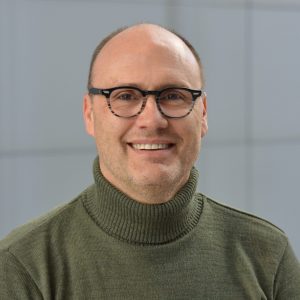
In the first instalment of our series, we talked to Stephen Sundquist, Executive Director of 3CTN, the Canadian Cancer Clinical Trials Network, which seeks to improve the efficiency of academic cancer clinical trials across Canada and ensure they can be accessed equitably.

To start, can you talk about why clinical trials are important for cancer research and care?

Clinical trials represent a critical step in the clinical translation pathway, testing the safety and effectiveness of new discoveries in cancer prevention, detection and treatment. Trial outcomes advance our understanding of how these innovations perform “at the bedside” and contribute to improvements in standards of care for cancer patients.

How do cancer patients benefit from participating in a trial?

Cancer patients considering participating in a clinical trial receive comprehensive information about their disease and the potential risks and benefits associated with available treatment options. If they ultimately participate in the trial, they may receive the intervention being tested, which has the potential to improve their overall survival and/or quality of life.

All clinical trial participants also benefit form added health surveillance and monitoring built into study procedures – including assessments and diagnostic testing – to monitor their disease progression, response to interventions being tested, and other measures designed to ensure patient safety.

Stephen Sundquist

What is 3CTN doing to improve cancer clinical trials in Canada?

Our pan-Canadian Network is comprised of more than 240 clinical research professionals as well as patient partners from more than 60 cancer centres across eight provinces. 3CTN members work collaboratively on strategic priorities for improving the efficiency, quality and impact of academic cancer clinical trials.

That means helping ensure new trials can be accessed through multiple cancer centres and supporting those centres to adopt best practices for improving the speed with which those trials are made available to patients. It also means raising awareness about trials and helping improve recruitment to ensure cancer patients have equitable access.

For example, one of our most exciting initiatives has been to steer the development of a decentralized clinical trial framework called CRAFT, which supports cancer centres to conduct trials involving satellite healthcare centres located closer to a patient’s home. Traditionally, trial participation for those living in rural and remote communities necessitates travel to a cancer centre in an urban centre, which may be located far from home or even out of province. Not surprisingly, many patients choose not to participate at all because of the added time and effort required. With CRAFT, we’re leveling the playing field by offering cancer patients the opportunity to participate in clinical trials no matter where they live.

What else would you like people to know about clinical trials?

The development and conduct of a clinical trial is a highly-regulated process that involves a huge collective effort on the part of study sponsors, clinical research professionals, regulators, ethics review boards, and others working to assure trials are conducted to the highest standards for assuring patient safety and potential benefit.

My hope is that every patient will ask their healthcare team about clinical trials. Though not everyone will be a fit for a clinical trial, the option of participating in a trial should always be part of care discussions.

Stay tuned for Part 2 of our series, which will focus on the systems and structures in place to make sure clinical trials are safe for participants.

Groundbreaking radiotherapy research changes how metastatic cancers are treated

OICR-supported scientists are pushing the boundaries of radiotherapy to help patients with the most complex cancers.

The future was uncertain for the first cancer patient to enroll in the SABR-COMET clinical trial.

It was 2012, and the OICR-supported study was one of the first randomized controlled trials to explore the use of stereotactic ablative radiotherapy (SABR) to treat patients with multiple metastatic lesions.

Metastasis is when cancer spreads from the original tumour to a different part of the body. It makes treatment more complex for patients and dramatically decreases their survival rates.

Facing a poor prognosis, that first patient put their hopes in SABR, a new and somewhat unproven form of radiotherapy.

SABR involves delivering high doses of radiation to the precise location of a cancerous lesion, as guided by advanced imaging tools. Up to that point, it had mainly been used to treat primary lung tumours.

But Dr. David Palma and colleagues at London Health Sciences Centre (LHSC) believed that SABR could make a difference for patients with metastatic cancers in all areas of the body.

“The question of whether SABR could treat metastasis was quite controversial at the time,” says Palma, a Radiation Oncologist at LHSC and OICR Clinician Scientist. “But we saw its promise and the potential to offer something more to our patients.”

Over the next four years, SABR-COMET recruited nearly 100 patients at sites across Canada, the Netherlands and Australia. Participants who received SABR ended up living an average of two years longer than those who didn’t. Some were even cured entirely, including that first participant from 2012, who was discharged 10 years later with no evidence of recurrence.

The results of SABR-COMET were so promising they have helped changed the perception of SABR among oncologists and patients, and contributed to an uptick in its use for metastatic cancer in Ontario and around the world.

They also inspired Palma and colleagues to keep pushing the envelope.

While the first SABR-COMET trial mostly treated patients with one to three metastatic lesions, subsequent trials have worked with patients whose cancer spread even further. Now, Palma and colleagues have launched a new randomized control trial using SABR to treat patients with more than 10 metastatic lesions.

“Over the years, we’ve become comfortable with using SABR to treat more and more complex patients,” Palma says. “And now we’re pushing the boundaries to try and help our patients live longer and better lives.”


***

Palma’s interest in SABR began in Amsterdam. There, he worked with SABR “pioneers” Dr. Suresh Senan and Dr. Ben Slotman as part of a fellowship that was partly funded by OICR. When he returned to Canada and began practising at LHSC in 2010, he was determined to further investigate the technique.

SABR offers a few advantages over other treatment options. The large dose of radiation can help treat tumours that are resistant to traditional radiotherapy. And because radiation is delivered to such a precise location, there is less risk of damage to surrounding tissue. That means patients often have minimal or no side effects from SABR, unlike with chemotherapy, which is often used to treat metastatic lesions.  

SABR also has its limitations. Sometimes lesions are in locations that are right next to important structures, like the airway, and this can increase the risk of side effects. And the more lesions you treat, the more complex it is to plan and execute SABR.

But Palma and colleagues learned a lot from SABR-COMET about how to plan and execute treatment for multiple lesions, so they wanted to keep pushing.

***

They next tested SABR in patients with between four and 10 metastatic lesions. The OICR-supported SABR-COMET 10 enrolled more than 200 patients internationally, before wrapping up in 2023. Early results show SABR was feasible and safe for this population, with results on effectiveness expected shortly.

Then researchers launched the ARREST study in 2020, which would use push SABR even further to treat patients with more than 10 metastases. ARREST would be especially challenging because these patients are often unwell with a fast-progressing disease, leaving little time to plan and execute treatment.

Still, they were motivated to provide another option for this population, who may not be well enough to endure the side effects caused by other treatments.

The first ARREST study was led by Palma’s LHSC colleague Dr. Glenn Bauman, a Radiation Oncologist and Clinical Lead of OICR’s Clinical Translation program. Results were published recently in the Journal of Radiation Oncology, Biology, Physics, showing that SABR was feasible for patients with more than 10 metastases and caused limited side effects.

Armed with that knowledge, Bauman and Palma helped a junior radiation oncologist Dr. Timothy Nguyen launch the ARREST-2 randomized control trial earlier this year, hoping to see whether SABR can effectively treat such a large tumour burden. With support from OICR, patients are now being recruited in London, with plans to expand across the country.

While they know SABR may not reverse the prognosis of patients with such a high disease burden, they are hopeful ARREST-2 will help give patients a new, effective tool against metastasis.

“Even if we can’t cure their cancer, if we can give somebody another six months or another year of time with a high quality of life, then that’s immensely valuable for them,” Bauman says.

***

By helping expand the role of SABR in metastatic cancer, this research has already touched the lives of hundreds of patients over the past 12 years.

“SABR is now regarded as a standard-of-care option for people with limited metastatic disease, and the SABR-COMET studies really laid the foundation,” says Baumann.

Despite these advancements, Palma says there is still plenty of work to be done – especially for patients with complex metastatic disease.

“It’s important to keep innovating for patients,” he says. “There is always more we can do, whether it’s helping someone manage their symptoms or helping them live longer.”

Palma credits his colleagues for the amazing collaborations along the way. He is also grateful to OICR for supporting his research for more than a decade through the Institute’s Investigator Awards program.

He says funding from OICR helped him get the SABR-COMET research off the ground, and he was able to leverage it to grow the program.

“The support I have received from OICR not only lit the spark for my research, but it also kept it burning for all these years,” Palma says.

CanPath partners with CIHI to develop a fuller picture of Canadians’ health outcomes

CanPath partners with CIHI to enable the sharing of important health data to offer comprehensive insights into Canadians’ health trends and outcomes over time.

The Canadian Partnership for Tomorrow’s Health (CanPath) and the Canadian Institute for Health Information (CIHI) are partnering to make a difference in how researchers can assess the health of Canadians.

On September 23, 2024, the Ontario Institute for Cancer Research (OICR) and CanPath hosted a celebration to mark this collaboration. The collaboration will integrate CIHI’s health services data—including hospital stays, emergency department visits, and stays in long-term care—with CanPath’s genomic, health, and lifestyle data to offer better insights into health trends and outcomes over time.

“By partnering with CIHI, we are creating a comprehensive, unique data set,” says Prof. Philip Awadalla, National Scientific Director at CanPath and Director of Computational Biology for OICR. “A researcher or partner will only have to go to one institution rather than multiple sources to access health services data linked to existing CanPath data.”

Currently, CanPath holds the health information — hosted safely and securely by OICR — of 1 per cent (or 330,000) of people living in Canada who self-report through the study. Most of these participants consented to having CanPath link this data with data held by CIHI — that is, information about their interactions with health systems, such as the type of visit, or clinical information, such as diagnoses or procedures. In cases where this consent was provided, a study participant’s genomic, health and lifestyle data will be connected with their health service records.

“This is all built on a foundation of privacy and security,” says Steve O’Reilly, Executive Director of Federal Relations at CIHI. “I’m actually one of the 330,000 campaign volunteers who have agreed to have my data used and linked, and I’m very excited that this partnership is here.”

“It is time to figure out how to do this better, whether it be looking at the social determinants of health, understanding how we can intervene in genetics and genomics, understanding what we can do to improve health and healthcare,” says Prof. Adalsteinn Brown, Dean of the Dalla Lana School of Public Health, the scientific home of the CanPath National Coordinating Centre. “This linkage actually allows us to bring all of that together.”

CanPath and CIHI are not alone in this endeavour to make more complete data available. For instance, CanPath and the Health Data Research Network Canada (HDRN Canada) formed a partnership in August 2020 that is working towards enabling linkage between CanPath data and administrative health data held at provincial data centres. Organizations like CanPath, CIHI, and HDRN Canada are working together to simplify access to linkable multi-jurisdictional data.

With this immense linkage activity, researchers will be able to efficiently and securely access a ready-made dataset that would otherwise take them a year or more to bring together.

“One of the great benefits of this linkage is its timeliness,” says Prof. Victoria Kirsh, National Scientific Coordinator at CanPath and Assistant Professor at the Dalla Lana School of Public Health. “Instead of waiting years for new questionnaires or additional data, we have annual updates that will allow us to keep a finger on the pulse and conduct both immediate and impactful research.”

“CIHI’s partnership with CanPath allows us to progress our mandate of delivering comparable and actionable information to accelerate healthcare improvements,” says Brent Diverty, Vice President of Data Strategies and Statistics.  “CIHI understands that contributing the health services data for participants of the CanPath study will create a more comprehensive look at how Canadians interact with our health systems and, over time, increase the types of research questions that can be answered, ultimately improving the health of Canadians.”

Jordan Hunt, Data Request Services Manager at CIHI, underscored the unique value of the newly linked dataset created through the partnership: “This is a really exciting, unique linked dataset. CIHI [collects] information about an individual’s interactions with the healthcare system, whether they visited the hospital, a doctor, or the medication they’ve taken.”

“Combining that with CanPath’s information on their genomics, their health, their behaviours, and the environments they live in gives us a really exciting opportunity to look at the relationships between these factors and how they impact the population.”

Soban Arshad, Research Partnerships Officer at the University of Toronto’s Innovations & Partnerships Office, emphasized the significance of the CanPath-CIHI partnerships for advancing research and fostering innovation: “It’s exciting to see these linkages come together at both the national and regional levels through our collaboration with CIHI.”

“This partnership gives us access to data we previously didn’t have, which will open the door for researchers to conduct new types of analysis and explore innovative ideas. It’s also great that the University of Toronto is representing CanPath in this effort, highlighting the university’s role as a leader in cutting-edge research in the field.”

The potential impact of this partnership is immense. Dr. Craig Earle, Chief Executive Officer of the Canadian Partnership Against Cancer, adds, “It’s really made our hearts grow to see how CanPath has become a world-class research platform.”

He describes how the data linkage is part of CanPath’s evolution into a world-class research platform. “As a health services researcher myself, I know the importance of being able to bring information on social determinants of health and disease risk factors together with information with interactions with the health care system to get insights,” he says.

This collaboration is a significant step forward in health data integration. “It’s our mission to be a longitudinal health laboratory,” says Awadalla, “and this finally aligns CanPath with other initiatives that are happening internationally, such as major programs like the UK Biobank, and it also allows us to fully utilize the Canadian public health system.”

OICR President and Scientific Director Dr. Laszlo Radvanyi sees the potential of CanPath in developing early cancer detection tools and improving healthcare for Canadians. “It’s a huge advantage for Canadians to have CanPath,” he says.

About CanPath:

The Canadian Partnership for Tomorrow’s Health (CanPath) is Canada’s largest population health study and a national platform for health research. Comprised of more than 330,000 volunteer participants, CanPath is a unique platform that allows scientists to investigate how genetics, environment, lifestyle, and behaviour interact and contribute to developing chronic disease and cancer. CanPath is jointly hosted by the Ontario Institute for Cancer Research and the University of Toronto’s Dalla Lana School of Public Health with national funding from the Canadian Partnership Against Cancer. To learn more, visit www.canpath.ca.

About CIHI:

The Canadian Institute for Health Information (CIHI) is an independent, not-for-profit organization dedicated to providing essential health information to all Canadians. CIHI works closely with federal, provincial and territorial partners and stakeholders throughout Canada to gather, package and disseminate information to inform policy, management, care and research, leading to better and more equitable health outcomes for all Canadians.

CIHI is a member of the Health Data Research Network (HDRN) Canada. HDRN Canada is a pan-Canadian network of provincial, territorial and pan-Canadian health data organizations supporting transformative and world-leading multi-regional health data use.

Health information has become one of society’s most valuable public goods. For 30 years, CIHI has set the pace on data privacy, security, accessibility and innovation to improve Canada’s health systems.    

This story was originally published on CanPath’s website and has been re-published here with permission.

CanPath to launch cloud-based data platform for researchers

The country’s largest population health study worked with Lifebit and AWS to create a ‘Trusted Research Environment’ to access and analyze data.

CanPath, Lifebit, and Amazon Web Services (AWS) are collaborating to build a cloud-based data analytics platform to support researchers in understanding the drivers of health and disease in Canada.

Co-hosted by OICR, CanPath, the Canadian Partnership for Tomorrow’s Health, is the country’s largest population health study. It brings together data from seven regional cohorts across ten provinces, and is a tremendous scientific resource of health, genomic and other data from about one in 100 Canadians.

With this initiative, CanPath is transforming how it shares this data with researchers. Thanks to a $6.2 million grant from Genome Canada, CanPath, Lifebit, and AWS have teamed up to build and host a Trusted Research Environment. On this secure cloud-based platform, researchers can access and analyze data all in one place.

Traditionally, researchers accessed CanPath data by submitting an application and, if approved by an independent Access Committee, receiving the data through secure channels. This process has never experienced a data breach and has supported innovative research, including early cancer detection and studies on immune responses to COVID-19 vaccines. However, with the continuous influx of new data and the anticipated increase in genome sequencing among Canadians, CanPath is evolving its data hosting, sharing, and analysis tools.

The new platform, hosted on the AWS cloud, will provide secure and ethical access to anonymized health data from over 330,000 Canadians collected through CanPath. By integrating diverse datasets from seven regional cohorts, the platform will enable researchers to gain comprehensive insights into Canadians’ health.

“This partnership with Lifebit marks a significant advancement in our ability to manage and utilize data for health research,” said Dr. Philip Awadalla, National Scientific Director of CanPath and Director of Computational Biology for OICR. “We’re excited to unlock new insights from our data, accelerating research that will ultimately improve the health of Canadians.”

Lifebit’s federated Trusted Research Environment technology is central to this project. It allows data analysis to occur where the data resides, eliminating the need to move or copy sensitive information. This environment ensures data security and integrity while facilitating access for approved researchers. Researchers can also upload their own analytical tools and develop new methodologies within the platform, fostering innovation and efficiency.

“This platform is going to be a game-changer for health research in Canada,” said Dr. Victoria Kirsh, National Scientific Coordinator of CanPath, offering a researcher perspective. “With the computational power and data integration capabilities this platform offers, we can tackle complex health questions like never before – it’s effective, efficient, and accessible.”

Given the sensitivity of CanPath’s data, security and privacy are top priorities. Lifebit’s technology complies with global data use regulations and employs robust security measures to protect participants’ data. Strict access controls ensure that data is not shared or accessed without proper authorization, maintaining the confidentiality and trust of study participants. The AWS cloud provides a scalable and secure data storage solution, enhancing the platform’s capabilities.

“We are delighted to partner with CanPath to enhance data-driven health research,” said Dr. Maria Dunford, CEO of Lifebit. “Our federated Trusted Research Environment will ensure that CanPath’s invaluable data are securely managed and available to the research community for driving forward innovative research for the health of people across Canada.”

This new data environment for CanPath will help keep Canada on the cutting edge of innovation in healthcare. Canada has many impressive health data assets but has traditionally struggled with sharing and integrating data across provincial jurisdictions. By harmonizing data from its seven regional cohorts, CanPath has made considerable strides to overcome these barriers. This new centralized platform will further that goal because data won’t have to move across jurisdictional borders. 

Conference connects Black scientists with community across Canada

OICR’s Dr. Moyin Odugbemi discusses her experience at BE-STEMM, an annual conference celebrating Black Excellence in STEMM.

Even in Nigeria, where Dr. Moyin Odugbemi was born and raised, she can’t recall being at a conference with 200 other Black scientists.

That’s part of what made attending the BE-STEMM 2024 conference, organized by the Canadian Black Scientists Network (CBSN), so special.

“It was like a typical scientific conference but better,” says Odugbemi, a Project Coordinator in OICR’s Genomics Program with a background in microbiology and biotechnology. “It was nice to see all the cutting-edge research being done by Black scientists from different parts of the country.”

The three-day conference, which wrapped up its third year earlier in August, features a multidisciplinary program emphasizing Black excellence in the fields of science, technology, engineering, mathematics, medicine and health (STEMM). It also gives Black people working in STEMM the opportunity to meet, network and discuss issues relevant to their work and their communities.

OICR sponsored Odugbemi to attend the conference in 2024. She recently spoke to OICR News about the opportunity and what she gained from it.

Can you start by telling us about your role at OICR?

As a Project Coordinator, I make sure OICR Genomics projects run smoothly, all the way from set up until when the work is complete. I collaborate with partners all around Ontario to acquire samples to be sequenced, ensure we have reagents and other necessary materials to process the samples, and then deliver clinical reports to researchers. While my role is not lab-based, I am also trained in laboratory science.

What inspired you to go into science in the first place?

I originally wanted to be a journalist, like my mother. Then I started doing science education in school and really enjoyed it. I decided to pursue a bachelor’s degree in biochemistry, which I completed in Nigeria, and then I completed my master’s and PhD studies at the University of Westminster in the U.K.

I’m a very curious person and I ask a lot of questions. I find that science helps me answer some of those questions and make sense of the world.

Why did you choose to attend BE-STEMM?

I had never heard of CBSN until I learned about it through OICR. I was immediately interested. It was a great opportunity to attend a conference in Ottawa, and I was curious to see how it would feel to be at a scientific conference where I wasn’t a minority.

How was the conference?

It was great. There were professionals from so many different disciplines, from math and physics to neuroscience and biology, and it was nice to see Black people represented in all these areas.

I particularly enjoyed the keynotes, including a presentation and panel discussion on health disparities for Black people. I found it very interesting to discuss ways to address these challenges at the community level and with policymakers.

There was also a workshop on mentorship. I’m participating in the OICR mentorship program, and the session at BE-STEMM raised some ideas I could put in place with my own mentee, who is also Black.

What made the experience unique?

On the first day of the conference, the outgoing CBSN President welcomed attendees and said, “I hope you enjoy just being a scientist here”. That was very powerful to me. Outside of the conference, we are Black scientists. We’re Black before we are a scientist. But at this conference, we were just able to be scientists.

What will you take away from attending the conference?

Above all, it was an excellent scientific conference. I learned a lot about artificial intelligence, for example, and I even had the opportunity to judge poster presentations.

But for me, the most important part was being a part of a community, making friends, networking and laughing with other people.

Breakthrough compounds show promise in treating rare childhood cancer

OICR researchers are exploring potential therapeutics for a rare but aggressive pediatric brain tumour called diffuse intrinsic pontine glioma (DIPG).

A series of innovations by OICR scientists could one day offer hope to families facing one of the most devastating childhood cancers.

Researchers in OICR’s Drug Discovery program, working as part of a collaborative open source program under the umbrella of M4K Pharma, have developed a group of promising compounds that target a vulnerability in diffuse intrinsic pontine glioma (DIPG), a rare but aggressive pediatric brain cancer that is fatal in 98 per cent of children diagnosed with the disease.

DIPG is so devastating in part because it is difficult to treat. Surgery can be dangerous because tumours are located on the brain stem. Clinical trials of chemotherapeutic agents have failed to improve survival beyond the standard radiation therapy. Developing drugs against DIPG is also challenging because therapeutics need to pass through the blood-brain barrier.

Consequently, the introduction of a compound called M4K2009 developed by OICR, the Structural Genomics Consortium (SGC), Charles River Laboratories (UK) and other partners operating as part of M4K Pharma has generated hope that it could eventually become a drug candidate.

Dr. David Smil

M4K2009 is designed to inhibit a mutated protein called ALK2, which is believed to play a key role in the development of DIPG. Initial tests showed that M4K2009 had two advantages over previous ALK2 inhibitors: it effectively permeates the blood-brain barrier and it is highly selective – meaning it inhibits ALK2 without also inhibiting other proteins in the ALK family, thereby avoiding unwanted side effects.

“The compound performed really well,” says Dr. David Smil, Principal Research Scientist in OICR’s Drug Discovery program and one of the lead researchers on the project. “Now we’re interested in seeing if it is suitable to advance into the clinic.”

As part of those efforts, researchers have been working to improve and refine M4K2009. PhD candidate Hector Gonzalez Alvarez led a project to ‘rigidify’ the compound. This resulted in new compounds that penetrated the brain even more substantially than M4K2009 and were up to five times more selective, as reported in a recent Journal of Medicinal Chemistry paper.

“We still have more testing to do, but the initial results are promising,” Alvarez says.

Hector Gonzalez Alvarez

OICR and SGC researchers are now entering the next phase of testing to see if M4K2009 or any related compounds could make good clinical candidates.

They’ve also just launched a side project – funded through OICR’s Pre-Clinical Acceleration Team Awards – to see if their compounds can be helpful in diagnosing DIPG.

Because M4K2009 and similar compounds permeate the brain so well, they could potentially be harnessed to develop ‘radiotracers’ that bind to a tumour and make its exact size, shape and location visible through an imaging machine called a positron emission tomography (PET) scanner.

“This could help visualize to what extent a DIPG tumour has infiltrated the brain stem and help determine the patient’s prognosis,” Smil says.

Harnessing PET imaging could also help researchers understand more about the biology of DIPG and how effective their compounds are at treating it.

Whether or not M4K2009 and related compounds ultimately become a drug, OICR and SGC have made significant strides in understanding how to treat a disease that has received little attention from other drug discovery programs.

DIPG and other rare cancers are sometimes considered ‘risky’ in drug discovery, because their potential market may not be big enough to recoup the costs of developing drugs. But OICR was created to address unmet clinical needs and has therefore prioritized research into DIPG and other rare and hard-to-treat cancers.

“No matter how rare a disease like DIPG is, there are always going to be families suffering because of it,” Alvarez says. “That’s why we’re grateful to be working on this project.”

Ontario Institute for Cancer Research announces awards for eight research teams developing innovative ways to diagnose and treat cancer

OICR is supporting eight studies from across Ontario through its Clinical Translation Pathway, which advances new cancer discoveries so they can benefit patients.

August 14, 2024, TORONTO — A new round of awards from the Ontario Institute for Cancer Research (OICR) will jumpstart eight promising studies that could change how cancers are diagnosed and treated.

OICR announced the results of its Pre-Clinical Acceleration Team Awards — part of the Institute’s Clinical Translational Pathway, which helps advance new discoveries so they can benefit people affected by cancer.

The winning research teams are based across Ontario and are tackling some of the most common and hardest to treat cancers. They are developing solutions to find cancer earlier, diagnose it more accurately, and treat it more effectively with fewer side effects, with the ultimate goal of bringing these solutions to the healthcare system.

In total, OICR is providing nearly $6 million over three years to support these studies:

  • Dr. Madhuri Koti of Queen’s University is aiming to develop a personalized approach to treat early-stage bladder cancer, a disease which is becoming increasingly common in Canada. Koti and the team will explore ways to identify patients who will not respond to ‘BCG immunotherapy’ — the standard-of-care treatment for non-muscle invasive bladder cancer — so they can be treated with other, more effective approaches. 

    With the incidence of bladder cancer continuing to rise, our biomarker-guided approach could have a major impact on improving patient quality of life.” – Dr. Madhuri Koti, Associate Professor of Biomedical and Molecular Sciences, Cancer Research Institute, Queen’s University
  • Dr. Neil Fleshner of the University Health Network is investigating a diabetes medication (Metformin) that has shown promise in slowing the progression of prostate cancer. Fleshner’s team will look into how the drug works at a molecular level to better understand what makes it effective, and see if it can be harnessed to treat patients with early stage prostate cancer.“

    The findings from our study can be integrated into the clinic to ensure that patients with early stage prostate cancer get the right treatment at the right time.” – Dr. Neil Fleshner, Clinician Scientist, Princess Margaret Cancer Centre, University Health Network
  • Dr. David Uehling of the Ontario Institute for Cancer Research and Dr. Neil Vasdev of the Centre for Addiction and Mental Health (CAMH) are exploring a potential targeted therapy for a rare and deadly pediatric brain cancer called diffuse intrinsic pontine glioma (DIPG). They will use innovative ‘radiotracers’ to monitor the distribution and impact of their drug candidate in mice and determine how it can be optimized to treat patients with DIPG.

    We aim to develop a high-quality therapy that can bring hope to young people facing this terrible disease, and to their families.” – Dr. David Uehling, Scientific Lead, Therapeutic Innovation and Drug Discovery, Ontario Institute for Cancer Research
  • Dr. Richard Kim of Lawson Health Research Institute (London Health Sciences Centre) is aiming to reduce the side effects of medicines called ‘kinase inhibitors’, which are effective at treating multiple types of cancers. Kim and colleagues will look for biological clues to predict which patients will benefit most from kinase inhibitors and which patients will experience severe side effects, so patients can be treated with personalized strategies.

    Our innovative approach has the potential to reduce adverse effects while ensuring that patients still get the benefits of this exciting class of cancer therapies.” – Dr. Richard Kim, Wolfe Medical Research Chair in Pharmacogenomics, Lawson Health Research Institute (London Health Sciences Centre)
  • Dr. Gelareh Zadeh of the University Health Network is exploring a way to diagnose what type of brain cancer a patient has without having to take a biopsy of brain tissue. Zadeh and the team are developing a test that analyzes tiny fragments of tumour DNA in a blood sample and can help determine the type of tumour, predict how it will it evolve and point to the most effective treatment.

    We hope to develop a tool that can help diagnose brain tumours and determine the best course of treatment for a patient, without the stress and risk of a brain biopsy.” – Dr. Gelareh Zadeh, Senior Scientist, University Health Network
  • Dr. Geoffrey Wood of the University of Guelph is looking into a radically different approach to diagnosing osteosarcoma, the most common form of bone cancer in humans that is also prevalent in dogs. Wood will lead a team exploring whether a simple blood test that can predict the spread of osteosarcoma in pet dogs can be adapted to help detect and treat bone cancer earlier in humans.

    Having an easy-to-use blood test that can predict the spread of bone cancer could help treat osteosarcoma earlier and avoid harsh treatments for those who don’t need them.” – Dr. Geoffrey Wood, Professor and Co-Director, Institute for Comparative Cancer Investigation, University of Guelph
  • Dr. Kun Ping Lu of Western University is exploring new ways to diagnose and treat pancreatic cancer, one of the deadliest forms of the disease. Lu and colleagues discovered an enzyme that may drive the growth of pancreatic tumours and are using it to develop a test that could inform the best ways to treat these tumours. They also believe this enzyme could be a target for new cancer drugs in the future.

    Our discovery opens up many avenues to improve how pancreatic cancer is treated and we are excited for the impact it could have for patients.” – Dr. Kun Ping Lu, Professor of Biochemistry, Schulich School of Medicine & Dentistry, Western University
  • Dr. Karen Mossman of McMaster University is investigating a new cancer therapy – part of a family of treatments called ‘oncolytic viruses’ – she and her colleagues developed that has shown promise in treating pancreatic, lung and colorectal cancers with minimal side effects. They will look for biological clues that indicate which patients will respond to this new therapy and try and determine the optimal dose and best way to administer it.

    We hope our work will help people live longer with better quality of life during and after cancer treatment, and help more people in Canada access the best treatment options.” – Dr. Karen Mossman, Professor of Medicine, McMaster University           

OICR President and Scientific Director Dr. Laszlo Radvanyi applauded the eight research teams for their pioneering work.

“OICR is excited to be supporting some of the best and brightest researchers in the province doing truly transformative science,” said Radvanyi. “We share their commitment to harnessing new innovations to improve the lives of people affected by cancer, and we hope these awards will put them on a pathway toward making a major impact.”

“Congratulations to the research teams receiving this OICR award. The research you are doing will positively impact the lives of many Ontarians in their fight against cancer,” said Jill Dunlop, Minister of Colleges and Universities. “Ontario is proud to support research teams like these for advancing discoveries that will help improve the prevention, detection and treatment of cancer.”


OICR is funded by the Government of Ontario. As the province’s cancer research institute, we take on the biggest challenges in cancer research and deliver real-world solutions to find cancer earlier and treat it more effectively. We are committed to helping people living with cancer, as well as future generations, live longer and healthier lives. For more information visit http://www.oicr.on.ca.

The views expressed are those of OICR and do not necessarily reflect the views of the Province of Ontario.

OICR bids farewell to Dr. Rima Al-awar

Internationally renowned drug discovery leader is stepping down after 16 years with OICR.

The founder and head of OICR’s Drug Discovery Program, Dr. Rima Al-awar, has announced she is stepping down from her role to relocate to Muscat, Oman with her family.

Al-awar is an internationally renowned drug discovery leader with extensive experience in the public and private sector. At OICR, she built and led a thriving drug discovery program celebrated for its unique ability to partner with academia and industry to translate Ontario innovations into success stories for patients.

“As I look back on my 16 years at OICR, I am deeply grateful for the unwavering support and trust extended to me by the OICR leadership, our partners, and collaborators in the Ontario life sciences community,” Al-awar says. “Your support has been crucial to my journey, and I am genuinely thankful for it.”

After joining OICR in 2008, Al-awar served as Drug Discovery Director and Principal Investigator for 11 years. Then in 2019, she took on an expanded role on OICR’s Executive as Head of Therapeutic Innovation and Drug Discovery.

Under Al-awar’s leadership, OICR Drug Discovery achieved some of the Institute’s greatest successes. This includes pioneering research into the WDR5 protein that garnered one of the largest ever Canadian institutional licensing deals for a preclinical drug discovery asset. 

“Rima’s strong leadership, empathetic nature, deep knowledge of drug discovery and keen eye for talent and partnerships have helped OICR achieve truly special things here in Ontario,” says OICR President and Scientific Director Dr. Laszlo Radvanyi. “On behalf of everyone at OICR, I thank Rima for her immense contributions and dedication to the Institute and wish her the best of luck in this next chapter in her life.”

Dr. David Uehling, who is another pioneering member of OICR Drug Discovery, will take over as interim Scientific Lead, Therapeutic Innovation and Drug Discovery. Al-awar will also continue to collaborate with OICR as a Senior Advisor.

With a talented team and a rich portfolio of assets, Al-awar is leaving OICR Drug Discovery in a tremendous position for continued success and growth.

“The life sciences community in Ontario has grown significantly since I arrived in Toronto, and I am optimistic about its future,” Al-awar says. “I am very enthusiastic about the outstanding science at OICR and our numerous collaborators, and I am confident that Ontario is well-positioned as a major North American hub for investors and pharmaceutical companies, and that patients in Ontario and around the world will continue to benefit from these efforts.”

OPINION: A pathway to faster access to life-saving cancer innovations

Dr. Christine Williams, Dr. Harriet Feilotter and Dr. Laszlo Radvanyi propose an ‘innovation pathway’ for new cancer technologies in Ontario.

Doug Ford brought an important message to his provincial and territorial counterparts at the recent Council of the Federation meeting: Canadians need faster access to potentially life-saving medicines.

The Ontario Premier is right. It takes too long for healthcare innovations to become healthcare practices in this country, and it’s simply not good enough for patients.

That’s especially true in cancer, where early interventions are critical, and where scientists are constantly innovating new, personalized approaches to treatment.

While some delay can be chalked up to pharma companies and how they view the relatively small Canadian market, there are things we can do — and are doing — federally and provincially to speed up the process.

Dr. Christine Williams

To start, we can invest in nimble health technology assessments. These studies ultimately determine if an innovation will be covered by public health insurance. The faster and more accurate they are, the quicker patients get access. And the more they account for what matters to patients, like quality of life, the more patients will see their priorities reflected in the medicines they receive.

We can also make sure clinical trials — the proving grounds for new medicines — are run efficiently. Too many trials struggle to recruit enough patients to generate meaningful data, and that can hold up progress of a promising treatment.

Thankfully we have structures in place to overcome that challenge. For example, the Canadian Cancer Clinical Trials Network has helped boost recruitment in cancer clinical trials by 130 per cent. That means stronger evidence for what works and what doesn’t, and early access to innovative treatments for Canadians who participate in a trial.

To optimize clinical trials, we must also ensure they don’t get caught up in lengthy review processes. In this province, the Ontario Cancer Research Ethics Board helps streamline the ethics review process for large, multi-site cancer clinical trials. The board’s reviewers specialize in the unique complexities of cancer research, helping avoid back-and-forths with researchers that can take weeks or even months. And having one centralized provincial ethics board, instead of each institution completing its own review, could be a model for streamlining ethics review across the country.

But there’s more to life-saving healthcare than just drugs. 

In cancer, new genomic technologies can help diagnose tumours earlier, leading to better outcomes for patients. They can also tell us which medicines will work best for which people — called ‘personalized medicine’ — including some of the innovative drugs the Premier was referring to.

These tests and other new technologies follow a different route from the lab to the clinic than drugs do, but the roadblocks might be even more pronounced. That’s why we and our colleagues at the Ontario Institute for Cancer Research (OICR) are proposing an ‘innovation pathway’ for new cancer technologies in Ontario. 

The idea for the pathway is to create a formal structure through which new technologies to diagnose and treat cancer are studied, evaluated and implemented. This way, we can quickly identify the most effective, safest innovations and prioritize them for approval. We can also learn from what doesn’t work well, discontinue it, and feed that evidence back to improve the next generation of technologies.

We aren’t proposing to reinvent the wheel. Great organizations like Ontario Health and the Canadian Drug Agency are already engaged in this work, and their expertise will be critical to creating this pathway. It will also take buy-in from scientists, patient advocates, pharma industry and government at the provincial and federal levels. 

But if we can work together to embrace new innovations and adopt a systematic approach to evaluating them, we can save lives and build a healthcare system that is the envy of the world.

Christine Williams is Executive Vice President and Head of Implementation Science at the Ontario Institute for Cancer Research and the Executive Director of ACCESS childhood cancer consortium.

Harriet Feilotter is Division Head for the University Health Network’s Genome Diagnostics and Service Chief for Clinical Genetics at the Kingston Health Sciences Centre, as well as co-Lead for Implementation Science and Lead of the Ontario Molecular Pathology Research Network at the Ontario Institute for Cancer Research.

Laszlo Radvanyi is President and Scientific Director of the Ontario Institute for Cancer Research.

The views expressed in this article are those of the authors and do not necessarily reflect the views of the Province of Ontario.

Caregiver brings father’s voice to cancer research

Ambuj Srivastava has joined OICR’s Patient and Family Advisory Council, motivated by his father’s experience with cholangiocarcinoma.

Soft spoken but with a big personality, Virendra Srivastava dedicated much of his life to advocating for the people he loved.

His family, his friends, his shipmates during 40 years as a marine engineer, or the community of South Asian immigrants in his adopted home of Vancouver – if they needed help, they knew they could turn to Virendra.

But when Virendra was diagnosed with cholangiocarcinoma – a rare form of bile duct cancer – in the summer of 2019, he was sometimes hesitant to advocate for himself.

That’s where his son and caregiver, Ambuj, recognized an opportunity to return the favour to his father.

Ambuj supported his dad through years of illness and side effects and countless medical appointments. By asking questions and seeking out solutions, the two were able to find additional treatment options to extend Virendra’s life. They were also connected to a community of cholangiocarcinoma cancer patients and caregivers and realized the power of sharing their experiences with others.

Though Virendra died of cancer in May 2022, that hasn’t stopped Ambuj for advocating for others affected by this rare form of cancer. He continues volunteering with the Cholangiocarcinoma Foundation, and recently joined OICR’s Patient and Family Advisory Council (PFAC).

“Even though my father is no long here, I get to carry forward his voice into patient advocacy and cancer research,” Ambuj says.

OICR News recently asked Ambuj about his family’s experience with cancer and what motivates him as a patient partner and advocate. Here is a snapshot of our conversation.

How did those experiences motivate you to advocate for others?

For the first year and a half after my dad was diagnosed, we didn’t really know anyone else with cholangiocarcinoma. It’s a rare disease, and that can be very isolating. Then I got involved with the Cholangiocarcinoma Foundation, which offered support for patients and for caregivers. We realized there were many people going through the same challenges we were, and we didn’t feel so alone.

I started volunteering with the foundation and gave a few interviews where I spoke about our experiences. I was also invited as a guest speaker at their annual conference where I spoke to audience of healthcare professionals, researchers, patients and caregivers. I had patients and caregivers reach out afterward and tell me they were positively affected by hearing what I had to say. They felt less alone, too. Healthcare professionals also told me they felt appreciated and that their efforts were helping patients. That’s when I knew patient advocacy was right for me. If I can make even one person’s life better for one day, it’s worth it.

I took that encouragement forward by working with the foundation to create and co-host their first monthly Canadian Patient and Caregiver Support Group. This was safe space for patients and caregivers to share their challenges, possible solutions and most importantly, encourage the importance of self-advocacy for those that were newly diagnosed.

What role did research play in your father’s experience with cancer?
Research gave my father options and hope. After his first-line treatment of chemotherapy failed, he was told to get his affairs in order – there was nothing else they could do. That was very disheartening. But we pushed to explore alternative options, and that led us to a clinical trial for a new treatment with criteria that matched his biomarkers.

That trial gave us hope, and ultimately gave him an extra year of life that he was able spend with his granddaughter, who had just turned one year old when he was diagnosed.

It also gave us a better understanding of how large the landscape of cancer research is and the importance of targeted therapies.

What do you hope to accomplish as part of OICR’s PFAC?
While my father was ultimately able to find a clinical trial, it took six or seven months of research and speaking to different oncologists to find an appropriate trial. I want to help improve access to clinical trials so that patients and their families don’t have to push so hard.

I want to continue raising awareness within the rare cancer community on the importance of self-advocacy and not solely relying on what treatment options are provided to them. I want to encourage them to keep asking questions and be open to novel treatments. That includes asking about genetic testing and molecular profiling, which helped us find mutations in my father’s cancer cells that led to a personalized treatment option for him.

I also want to encourage people with cancer to participate in research. It’s worth it – not only because it could benefit you, but also because it adds to ongoing research that may help someone else down the road. My father benefitted from his trial because of the cohorts of participants that came before him. Participating is a way for you, as a patient, to become a vital part of the solution.


As a caregiver, what unique perspective do you bring to patient partnership?
I believe that cancer research needs to take a holistic approach. It needs to look at the impact of diagnostics or treatments on patients, but also on their families and the people around them. Family members and caregivers often have priorities for their loved ones that may be different from a patient’s priorities. And both are important to a holistic approach to cancer care.

As a caregiver, you realign your purpose to something bigger than yourself. And so, it feels like a natural progression to want to give back to others. My dad may have had a quiet voice, but he had an inner strength that gives me goosebumps when I think about it. It’s rewarding to be able to share his voice and his strength to help make a difference. 

Caregivers also have priorities for themselves that are often overlooked. Their role and responsibility evolve as the needs of their affected family member increases. They have to adjust, adapt and reprioritize their own life frequently and it can lead to burnout, and just like for the patient, the caregiver is also not prepared for this journey.

Providing a support structure for caregivers where their needs are seen, heard and addressed is also vital to the overall cancer journey.