
Dr. Shraddha Pai, a Principal Investigator at OICR, explains what epigenetics is, its role in the formation of cancer and how epigenetics can be used to create new diagnostic tests and therapies for cancer.
Pharmacist and health policy specialist comes full circle as patient partner
Mona Sabharwal is the newest member of OICR’s Patient and Family Advisory Council.
Mona Sabharwal never had any doubt that patients have an important perspective to contribute to healthcare research and policy.
In fact, Sabharwal helped bring patient voices into Ontario’s drug-funding decisions when she worked in policy for the provincial Ministry of Health in the early 2000s – long before patient partnership was common practice.
But it wasn’t until Sabharwal was diagnosed with acute myeloid leukemia in March 2023 and became a patient partner herself that she truly understood the patient perspective, and the vulnerability that comes with sharing it.
“When you’re asked to contribute to a research or policy initiative as a patient, you often don’t know the full context or the people involved, and you sometimes question whether they’re actually interested in what you have to say,” says Sabharwal, a pharmacist who is currently Senior Vice President at Rexall Pharmacy Group. “I look back at some of my interactions with patients when I was on the other side and wonder: is that how I made them feel?”
It’s that experience from both sides of patient partnership that drives Sabharwal. Though she says patient partnership has evolved immensely since the early 2000s, she believes patients can still do more to influence the care they receive.
Sabharwal joined OICR’s Patient and Family Advisory Council (PFAC) earlier this year. She recently spoke to OICR News about her experiences as a patient, pharmacist and policy expert, and how she hopes to apply them to improve cancer research.
How has your professional experience, as a pharmacist and in health policy, influenced your experience as a patient?
My experience and understanding of the healthcare system has empowered me to advocate for myself. When someone says ‘you can’t do that’ I have no problem asking why. I also know some of the levers within the health system, which has been helpful as I fight for my life against this disease. But I recognize that not everyone has this privilege, and that’s part of why I became a patient partner.
Has research played a role in your own experience with cancer?
I’ve been a participant in a few research projects as part of my cancer care. The experience has been positive overall – I think I benefitted from participating, and I hope others will benefit as well. But there were opportunities for improvement.
For example, one study tried to recruit me while I was very, very sick during treatment. I think most people would have declined in that situation. Then another study just stopped providing me with any updates once my participation was over. I received no feedback or follow-up information, even though my data became part of their dataset.
I’ve learned from these situations and look forward to applying that knowledge as part of OICR’s PFAC to help others have even more positive experiences.
What are your goals as a member of OICR’s PFAC?
I firmly believe that patients who participate in research are going to receive better care than if they didn’t. I believed that before I had cancer, and it has only been reinforced during my cancer journey. I would like to bring those advantages to light, and help more cancer patients access research.
I would also like to see patients play a bigger role in advocating for cancer research. It’s very compelling for policymakers and other decision makers to hear from the people who receive and benefit from research.
How has your experience with PFAC been so far?
OICR is leaps and bounds over many organizations that work with patients. Having staff members dedicated to patient partnership, as OICR does, is a huge step forward and really demonstrates the Institute’s commitment.
At the same time, I think there’s more that can be done. I’d like to see OICR continue to lead and continue to be bolder. Why not push the envelope a little more on how patients and family members can influence the health system?
No tumour sample, no problem: Blood test predicts immunotherapy outcomes without biopsy
Researchers from OICR and UHN have developed a predictive test that measures fragments of tumour DNA in the bloodstream.
A blood test developed by OICR-supported researchers has shown the potential to predict how patients with various types of cancer will respond to immunotherapy without needing to take a tissue biopsy.
The test, recently described in Cancer Discovery, harnesses an innovative technique called ‘cell-free methylated DNA immunoprecipitation sequencing’ to detect tiny pieces of cancer DNA circulating in the bloodstream.
Blood tests for cancer and other ‘liquid biopsies’ have emerged as intriguing alternatives to traditional biopsies, which can be invasive, painful and sometimes impossible for patients, depending on the location of their tumour.
But many liquid biopsies still need a sample of tumour tissue for reference that must be taken with a biopsy. That’s what sets this new test apart.
“This is a groundbreaking study, and the results demonstrate the promise of what are called ‘tumour-naïve’ assays to help guide cancer treatment without the need for a tissue sample,” said Dr. Lillian Siu, Senior Scientist at Princess Margaret and one of the study’s senior authors.
Siu, OICR’s Director of Genomics Dr. Trevor Pugh, and a team of researchers from OICR and Princess Margaret Cancer Centre (University Health Network) found that the amount of these DNA fragments detectable before and after a patient was treated with pembrolizumab – a type of immunotherapy – was a good predictor of whether their cancer would progress after treatment and whether they would ultimately survive the disease.
“A tumour-naïve assay like this has the potential to stratify risk without relying on tissue samples, and that could mean faster time to diagnosis and initiation of treatment,” says Dr. Eric Stutheit-Zhao, Postdoctoral Researcher at Princess Margaret and co-first author of the study.
A total of 204 blood samples from 87 patients were tested in OICR’s Genomics lab as part of the study. Researchers found that a decrease in the amount of methylated DNA over the first six weeks of pembrolizumab treatment was linked to a 60 per cent lower risk of death and a 65 per cent lower risk of disease progression compared to the reference group.
“We observed that a decrease in methylated ctDNA was associated with better outcomes, including progression-free survival and overall survival,” said Dr. Enrique Sanz-Garcia, Clinician Investigator at Princess Margaret and the study’s other first author.
This study comes out of the INSPIRE clinical trial, a collaboration between OICR and Princess Margaret led by Siu.
Previous INSPIRE research has shown the connection between circulating tumour DNA and how head and neck, breast, ovarian and other solid tumours respond to pembrolizumab. Those prior studies relied on a tumour-informed approach that required DNA sequencing of tumour samples to guide design of the cell-free DNA test.
This new work and other studies have generated a lot of excitement about blood tests and their potential to detect and diagnose cancer more accurately and with less burden on patients. Pugh also co-led a landmark study published last year where blood tests were used to detect cancer months earlier than imaging in patients with a rare form of hereditary cancer syndrome, and OICR has made liquid biopsies a key part of its research strategy.
“Liquid biopsies have the potential to change how we screen for cancer and monitor the progress and cancer treatment,” says Pugh. “And assays like this, which don’t require a reference tumour sample, could help unlock that full potential.”
This work was supported by OICR, the Princess Margaret Cancer Foundation, the Terry Fox Research Institute, the Princess Margaret Cancer Centre Global Oncology Program, the Cancer Research Institute, and Merck.
Ask a Cancer Researcher: How does a tumour’s genetics factor into cancer care?
Dr. Laszlo Radvanyi, OICR’s President and Scientific Director, answers a question about precision medicine and discusses how OICR is working to improve access to this form of cancer treatment through the development of liquid biopsies.
New patient-centred system for brain cancer radiotherapy receives top honours at FACIT Falcons’ Fortunes
Dr. Hatim Fakir of London Health Sciences Centre won the 2024 pitch competition for his RadioSphere technology.
As a Medical Physicist, Dr. Hatim Fakir has seen first-hand how difficult radiosurgery can be for patients with brain tumours.
Radiosurgery is a specialized form of radiation therapy that uses precise, highly focused radiation beams to destroy tumours. It’s called “radiosurgery” because it achieves clinical results similar to surgery but without the need for incisions. But the intense radiation used to kill cancer cells can also harm nearby healthy tissue, which is especially risky in the brain and can result in severe side effects such as radiation necrosis and neurological deficits.
Though there are multiple technologies that aim to make radiosurgery safer and more precise, they aren’t effective at treating patients with complex diseases, such as having multiple tumours scattered in different parts of the brain. And today’s procedures often involve long, uncomfortable treatment session.
“Patients are often not feeling well, and they have to lay immobilized in rigid positions for a very long time,” says Fakir, who is based at Verspeeten Family Cancer Centre at London Health Sciences Centre. “I wanted to find a way to make treatments more effective, faster and more comfortable for patients.”
Fakir came up with a potential solution – a new ‘radiosurgery’ technology called the RadioSphere. With a unique, adaptable design, Fakir says the RadioSphere can target tumours of all different sizes, shapes and locations in less time than existing technologies.
He pitched his concept at FACIT’s 2024 Falcons’ Fortunes pitch competition, alongside five other teams of Ontario innovators, and was selected by the panel of judges as this year’s winner.
He will receive the $100,000 Ernsting Entrepreneurship Award, as well as ongoing guidance from FACIT, to help commercialize his made-in-Ontario innovation and bring it to the patients who need it. FACIT’s Prospects Oncology Fund sponsors the award, which is a critical source of pre-seed capital in the province for early-stage, proof-of-concept projects with commercial potential.
OICR News recently asked Fakir about the story behind his innovation, and what’s next for the RadioSphere.
How did the idea for the RadioSphere come about?
As a medical physicist, I am deeply involved in planning and delivering radiosurgery treatments. I have seen the challenges that patients endure during lengthy and demanding treatment sessions, and I recognize the significant staffing and technological resources this technique demands.
While there are several excellent radiotherapy technologies out there that work well in certain situations, none of them were designed for the complex challenges we’re facing today. We regularly see patients with multiple tumours – some big, some small. Offering them optimal and safe treatments that enhance their chances of controlling the disease while maintaining a good quality of life can be extremely complex.
I wanted to design something more flexible that addresses modern radiosurgery requirements and makes treatments quicker and more comfortable for patients. I initially discussed the idea with Dr. Glenn Bauman (radiation oncologist) and Dr. Jerry Battista (medical physicist), who not only validated the need and the machine concept but also played a crucial role in kickstarting the project.
What makes the RadioSphere unique?
The RadioSphere will allow treating brain tumours of different shapes, sizes and locations with minimal risk of damage to surrounding tissue and therefore minimal risk of side effects. It will also reduce the time of treatment significantly.
What’s also unique is that the RadioSphere can potentially treat other parts of the body – not just the brain. That was important to me because that versatility could help radiotherapy centres become more efficient across a wider range of tumour situations.
What are the next steps for this work?
Our next step is to validate the system design. We’ve confirmed there is a clear clinical need, and now we need to run simulations and design experiments to see how it works in practice. We’re hoping to connect with other healthcare organizations across Ontario who do radiosurgery as part of that validation process.
Ultimately, we want to advance RadioSphere as an Ontario-born and Ontario-led innovation in radiosurgery.
What do you hope this technology could do for patients?
My goal is to provide the technical support that enables clinicians to offer patients the most optimal, safe, and state-of-the-art treatments. These treatments should be more tolerable, more effective, and enhance the overall patient experience, ultimately improving their quality of life.
I also hope that RadioSphere can improve access to radiosurgery. Since it can treat various types of tumours in the brain and other parts of the body, it could be more cost-effective for hospitals. This could enable more patients across Ontario and globally to access precision radiosurgery.
How was the experience of pitching at Falcons’ Fortunes, and how will this award help you and your work with the RadioSphere?
Participating in Falcons’ Fortunes was an invaluable learning experience that seamlessly integrated clinical practice and research with entrepreneurship and commercialization strategy. Preparing and delivering our pitch sharpened our focus on the translational aspects of our work and the process of turning our vision into a tangible product to benefit patients. FACIT’s support during this phase was indispensable, making the effort truly worthwhile through the knowledge we gained.
Falcons’ Fortunes offered a rich environment for networking and new growth opportunities. It provided essential funding to kickstart the project at a critical early stage. It also helped validate the vision behind our product.
Landmark trial brings genomic testing to thousands of Ontarians with cancer
The Ontario-wide Cancer Targeted Nucleic Acid Evaluation (OCTANE) expanded the province’s capacity for next-generation sequencing to deliver personalized approaches to treat cancer
Maddi was just 33 years old when she learned that her breast cancer had metastasized.
She was told the standard-of-care treatment for metastatic breast cancer at the time in 2019 could help manage her symptoms and slow her cancer’s progression, but ultimately her disease was considered terminal.
“I was really in shock,” recalls Maddi, who had already undergone chemotherapy and surgery. “I hadn’t fully understood that my breast cancer could spread like that.”
With the encouragement of a family member, she talked to her Medical Oncologist at the Princess Margaret Cancer Centre (University Health Network), Dr. Philippe Bedard, about options for genomic testing. Sequencing the genome of a tumour is a powerful way to identify ‘biomarkers’, which are molecular clues about the best way to treat a particular tumour.
At the time, Bedard was co-leading the groundbreaking Ontario-wide Cancer Targeted Nucleic Acid Evaluation (OCTANE) clinical trial. Funded by OICR and Princess Margaret and co-led by Bedard’s colleague Dr. Lillian Siu, OCTANE aimed to bring these powerful genomic tests to Ontarians with cancer.
Through OCTANE, Maddi found out her cancer had a particular genetic mutation, and there was another clinical trial testing a therapy that targeted cancers with that exact mutation. This kind of targeted approach to treating cancer is often called ‘personalized medicine’.
She started taking this targeted drug alongside standard-of-care medicines in the summer of 2019 and her tumours responded almost immediately. Today, she has no signs of disease progression, and lives a mostly normal life.
“I’m so grateful I had access to this opportunity,” says Maddi. “It has been life-changing, life-preserving and life-enhancing for me.”
The road to personalized medicine revolution
When Bedard started as a Medical Oncologist about 15 years ago, personalized medicine for cancer was just in its infancy.
There were few known molecular biomarkers, and few drugs to target them.
The technology to sequence tumour genomes was often expensive and cumbersome, and integrating it into clinical care seemed daunting.
“I think back to patients from that time, and I wish they could have benefitted from more personalized, targeted approaches to treating their cancer,” says Bedard.
A decade-and-a-half later, genome sequencing and personalized approaches to cancer care are becoming much more commonplace, and Ontario has positioned itself at the centre of a global revolution in personalized oncology.
While faster, cheaper sequencing technologies are a big reason for the shift, it was also fuelled by OCTANE.
The trial has connected more than 4,338 Ontarians across seven different cancer centres with next-generation sequencing (NGS), leading many participants like Maddi to receive treatments tailored to their tumour’s unique biology.
And while there is still plenty of work ahead to fully realize this revolution, the network OCTANE has built and the wealth of evidence it generated are bringing the future of personalized oncology within reach.
Collaborating to build Ontario capacity
OCTANE was launched in 2016 with a mission to expand NGS testing for advanced solid tumours in Ontario, in the hopes it could connect patients with personalized treatment approaches.
At the time, many Ontario hospitals didn’t have much experience with genomic testing. So Bedard and colleagues worked with clinicians and labs at cancer centres in Toronto, Kingston, London, Hamilton and Ottawa to build out local capacity.
“Before OCTANE, this kind of testing wasn’t feasible in some labs,” Bedard says. “Now, many of them are doing it routinely.”
The trial’s other main goal was to collect patient samples and make the data available to researchers looking to study potential biomarkers and treatments. The more than 3,000 tumour samples and 4,300 blood samples collected by OCTANE have been harnessed for all sorts of new discoveries, including OICR’s groundbreaking new test to find traces of cancer in blood.
OCTANE’s success has largely been driven by its diverse team of experts – including more than three dozen investigators – and its Ontario-wide approach. As the province’s cancer research institute, OICR has helped OCTANE make links between clinicians and researchers across Ontario and provided key infrastructure for the trial. OICR’s Genomics lab has performed much of the genomic sequencing for the study, while OICR Diagnostic Development’s Tissue Portal hosts the study’s samples.
“It’s unique that we can have different cancer centres working together, with support from OICR, to do these types of studies,” Bedard says. “You won’t see that kind of collaboration happen everywhere else.”
Lessons from a unique evaluation
While OCTANE’s primary focus was building capacity for NGS and testing its feasibility in cancer care, the study’s design also allowed for a unique evaluation of how NGS impacted patient outcomes and the health system at large.
Consenting OCTANE participants provided their Ontario health card number so their health outcomes could be followed through healthcare administrative data.
“This was a great success because we were able to answer the questions we wanted for a much lower cost than if we had to collect all of this information directly from thousands of patients over the course of many years,” says Dr. Timothy Hanna, a Clinician Scientist with OICR and the Division of Cancer Care and Epidemiology at Queen’s University
Their analysis was recently published in the Lancet journal EClinicalMedicine. It showed that cancer patients who had NGS through OCTANE were more than twice as likely to enroll in a clinical trial. Though NGS caused healthcare spending per-patient to rise, publicly funded drug costs decreased.
Perhaps their most significant finding was that NGS was not associated with an increase in overall survival in OCTANE participants. People with some cancer types – including ovary and biliary tract – survived longer after having genomic testing, but this difference was not seen in other cancers such as colon and breast cancer.
While this was not the result OCTANE researchers were hoping for, the findings point to several explanations and lessons to take forward. For example, only about four per cent of OCTANE participants received a targeted therapy, despite 54 per cent being found to have at least one actionable biomarker.
Hanna says this can partly be explained by the lack of a defined ‘pathway’ to connect cancer patients with personalized medicine clinical trials. It often falls on researchers and patients to parse through all available trial options and their unique eligibility criteria and compare that against patients’ health history and genomic profile. And this was even more challenging five years ago when OCTANE patients were recruited.
Thankfully this is a problem OCTANE data is being harnessed to help overcome, as OICR and Princess Margaret researchers work to develop machine learning software that links patients with cancer clinical trials.
Doubling down on personalized oncology research
Bedard says OCTANE results also reinforce the need to double down on genomic research to identify more biomarkers and understand how they can be used to guide treatment. With the recent launch of OCTANE 2.0, Bedard and Princess Margaret’s Dr. Benjamin Haibe-Kains are doing just that.
OCTANE 2.0 will build upon the network established in the first trial and focus more on treatment response and resistance. Bedard, Haibe-Kains and colleagues will use NGS to monitor how patients respond to certain drugs and identify people who have a high risk of relapse so they can be treated with a different approach.
The trial will put an extra emphasis on sequencing blood samples, looking for tiny fragments of tumour DNA that can give clues on the progress of a patient’s disease.
Bedard says he hopes OCTANE 2.0 will help generate new tools and therapies, and further strengthen Ontario’s capacity for personalized medicine.
“The technology is moving fast, and the network we’ve built in Ontario is making great progress,” says Bedard. “I’m enthusiastic this will translate into significant benefits for patients, helping them live longer, live better, and potentially be cured of cancer.”
Looking at a brighter future
Maddi hesitates when talking about approaching the all-important five-year mark since starting her combination of therapies. She’s just grateful to be living well and feeling well, aside from some manageable side effects from her medications.
It’s dramatically different from where she expected to be when she was first diagnosed with metastatic disease.
“This research has granted me five years of essentially stable health,” she says. “I want it to be available to more people, and I want them to know there’s hope.”
Maddi’s full name has not been used in order to protect her privacy.
Ask a Cancer Researcher: Why is it so challenging to find a cure for cancer?
In our latest Ask a Cancer Researcher video, Dr. Lincoln Stein explains why cancer is so difficult to cure, the progress that has been made and what OICR is doing to help cancer patients live longer and better lives.
New 3CTN initiative aims to address barriers faced by underrepresented populations and expand clinical trial involvement
Clinical trials lead to new and better ways of diagnosing and treating those with cancer. They also provide an opportunity for interested patients to access potentially life-changing care within a trial. However, some patients may be unable to participate in trials due to other health issues, family and work limitations, costs related to time or travel, or other concerns about participating in research. This can limit understanding of how new treatments will work in all those that may be offered them in the future.
To help improve equity, diversity and inclusion in all aspects of clinical trials conduct, the Canadian Cancer Clinical Trials Network (3CTN) launched a framework and tool kit that provide recommendations and links to relevant resources. These new resources were developed with expert stakeholders from across Canada including clinical research professionals, trial sponsors, and people with lived experience. Included were individuals of historically underrepresented communities such as our geriatric population (70+), adolescents and young adults, those living outside urban areas, immigrants/newcomers to Canada, Indigenous peoples (First Nations, Métis and Inuit), racialized individuals, and members of the sexual and gender diverse community.
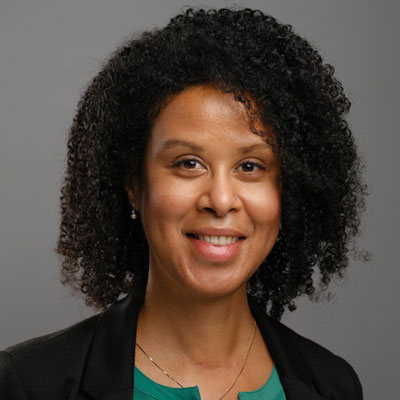
“For many people with cancer, clinical trials offer hope and a way to help shape the future of cancer care. There is no group of people that cancer does not touch, therefore it is critically important that this future is informed by a diverse range of experiences,” says Michelle Audoin, a patient partner involved in the development of the framework and toolkit. “I am proud of the collaborative effort to develop these new resources and am excited to see them being deployed across Canada.”
The framework and toolkit were developed as living documents, providing the opportunity for others working in clinical trials to review and contribute to the content as evidence and experiences evolve with time. To this end, 3CTN and its partners will carry out periodic reviews to ensure the materials are up to date and reflect changes in best practices.
“These resources provide us with a solid foundation on which to build a truly equitable, diverse and inclusive clinical trial ecosystem in Canada,” says Dr. Janet Dancey, 3CTN Scientific Director. “I extend my heartfelt thanks to all of our partners who contributed to the development of these vital tools.”
Help us shape OICR’s next five year strategic plan
OICR is developing its 2026-2031 Strategic Plan and we want to hear from you!
By completing this short survey you can help inform the direction of the Institute’s research and initiatives. We value the feedback of all, including those with cancer and their families, researchers, clinicians and all those with an interest in cancer research in Ontario.
If you’d like to know more about OICR’s recent activities, our current strategic plan and latest impact report can be viewed here. Responses are anonymous. If you have any questions or comments about the strategic planning process, please email Paula Neves at pneves@oicr.on.ca.
Ask a Cancer Researcher: How can ultrasound be used to detect breast cancer?
OICR patient partner Vivian Simbul Sim talks to Amal Aziz, a researcher and master’s student working within the lab of Dr. Aaron Fenster, about the various methods that can be used to screen for breast cancer in women with dense breasts.
These women often need additional imaging after a standard mammogram. Aziz explains how a new 3D ultrasound technology that she is developing with her colleagues can deliver this screening in a more accessible manner than MRIs.