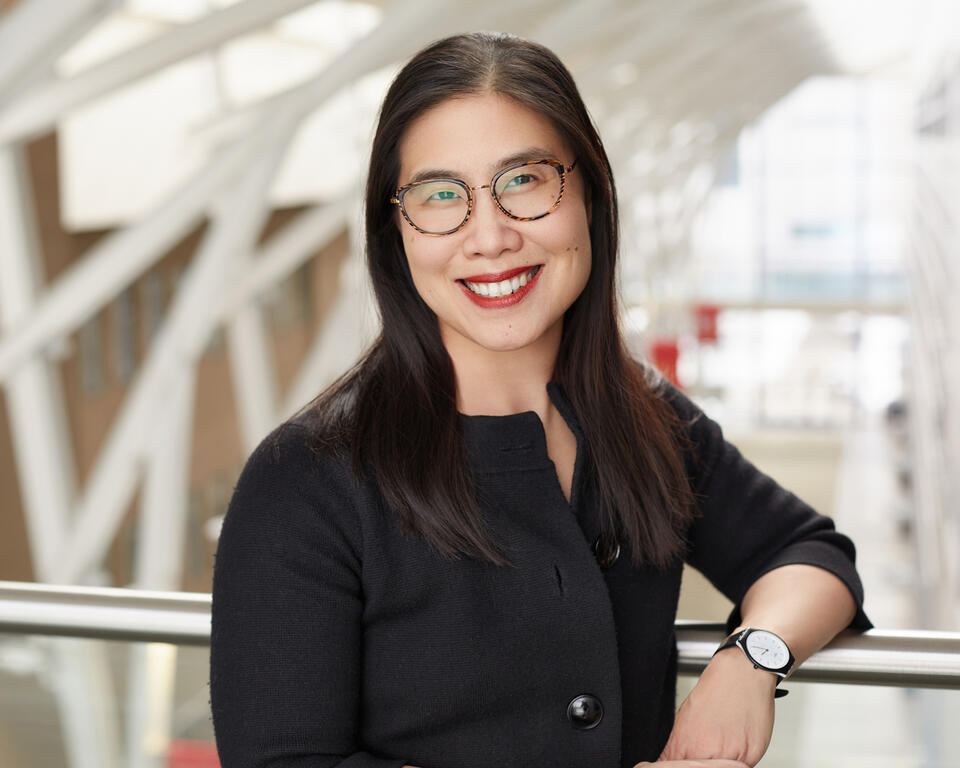
Ask a cancer researcher: What are ‘imaging probes’ and how can they help diagnose prostate cancer?

PhD student Pamela Penawou answers a question from a prostate cancer survivor.

One of the most exciting new innovations in diagnosing cancer is the development of ‘imaging probes’ that attach themselves to cancer cells to show the precise location of a tumour.

In our latest Ask a Cancer Researcher video, prostate cancer survivor and retired medical physicist Jerry Battista asks about how these probes work, and how they can be harnessed to improve the way prostate cancer is diagnosed and treated. His question is answered by McMaster PhD student and radiochemistry researcher Pamela Penawou. See Penawou’s answer below, and if you have your own question you want answered by a cancer researcher, you can submit it here.

Working with racialized communities to improve access to genetic testing

OICR-supported research led by Dr. Yvonne Bombard aims to understand and overcome barriers that have kept racialized populations from accessing genetic services.

Genetic testing can help detect cancer early, when it is most treatable, and even help prevent it altogether.

A genetic test can tell you if you inherited variations in your DNA that make you more likely to develop cancer. From there, you can be referred to high-risk screening programs designed to find cancer as early as possible, or surgeries that can reduce your risk of developing cancer at all.

But genetic testing is only beneficial if you can get a test in the first place and get meaningful results from it. Unfortunately, people from certain racial and ethnic backgrounds have largely been excluded from genetic testing and research.

Data from the U.S. suggests that people from Black communities are about 16 times less likely to get referred for a genetic test than white people, and are also less likely to receive conclusive test results. A small number of Canadian studies suggest that racialized communities face similar challenges in Canada.

Dr. Yvonne Bombard has dedicated much of her career to studying how to improve genetic services, including tackling issues around access. As Genomics Health Services Researcher at St. Michael’s Hospital (Unity Health), Associate Professor in the University of Toronto’s Institute of Health Policy, Management and Evaluation, and Canada Research Chair in Genomics Health Services and Policy, she works closely with patients and healthcare providers on solutions.

In one of her latest studies, funded through OICR’s Innovation to Implementation program, Bombard is engaging directly with racialized communities in Ontario to understand the barriers stopping them from accessing genetic testing.

OICR News recently spoke to Bombard about this study and her other work to make genetic services more equitable.

What sort of challenges do racialized populations face in getting a genetic test?

There are barriers present across the whole healthcare journey.

To start, you need a referral from your family physician to get an appointment for genetic testing. That requires that you have a family physician in the first place. Unfortunately, many people have trouble accessing a family physician, and these challenges disproportionately affect racialized populations.

There are also eligibility criteria for genetic testing related to your family history of cancer that can be a barrier for some communities. If you’ve been separated from your family because of historical or recent strife, for example, you may not know your complete family history and or have access to health records. In some communities, it’s taboo to discuss personal health information, even within your family members, and all of this can prevent someone from meeting the criteria for genetic testing.

What if someone from a racialized background is able to get a referral for a genetic test. Are there still barriers?

The other big issue is that the genomic databases we use to interpret people’s genetic test results are mostly made up of data from people of European ancestry. We simply don’t have enough genomes from Black, Indigenous and other racialized communities to determine whether  changes found in their DNA are harmless or harmful.

Without enough data, these populations are more likely to get inconclusive results from genetic tests. That means their care isn’t managed any differently and they don’t get access to high-risk screening programs, surveillance, or prophylactic surgeries. Therefore, it’s not surprising that racialized individuals also see higher rates of morbidity and mortality from cancer.

How are you hoping to address these inequities in your OICR-supported research?

We’re starting with a qualitative study where we interview people from these communities and ask them about their lived experience with genetic services. We want to hear from them about any barriers they face, and we’d love to hear about any potential enablers to access as well. We’ll also be interviewing genomics researchers, healthcare providers and other stakeholders to understand the full scope of the issues.

We’ve started conducting those interviews and it has been hugely insightful and illuminating. We’re learning so much, including some things we were expecting as well as some surprising revelations.

What will you do with this information once you’ve completed the interviews?

Once we’re able to characterize some of the barriers and enablers to accessing genetics services, we’ll begin phase two of the project, which involves working with people from racialized communities to co-design and test interventions based on what we learned. Those interventions will target the barriers across the entire care pathway – from referral, to testing, to anywhere else they are happening.

We’ll be partnering with a wide range of stakeholders as part of this research, including hereditary cancer patient organizations and organizations representing racialized communities. We also have engagement from different levels of government. Everyone recognizes this as a multi-pronged problem that requires system-level change. Having everyone at the table gives me hope that we can action our findings and hopefully make a difference for these communities.

Newest OICR Investigator seeks to develop precision treatments for young people with high risk leukemia

OICR recently welcomed Dr. Grace Egan to the OICR community as the recipient of an Early-Career Investigator Award.

As a staff physician at the Hospital for Sick Children, Dr. Grace Egan sees firsthand the need for better, more-targeted treatments for children, adolescents and young adults with acute myeloid leukemia (AML). This is what compelled her to explore the underlying biology of different subtypes of AML, so that therapies can be tailored to the specifics of each patient’s cancer.

Dr. Egan joined OICR News and explained how she is helping to bring a badly-needed upgrade of AML treatments to her patients and others around the world.

How did you become interested in cancer research and in particular childhood and young adult leukemias?

My work as a pediatric oncologist motivated me to explore and understand the biology of high risk leukemia so that we can develop more effective, targeted therapies for this disease.

Many of the chemotherapies that we use in the clinic target both leukemic and healthy cells, resulting in a lot of side effects for patients. In addition, chemotherapy regimens and hematopoietic stem cell transplants for high risk patients, have been maximized to the limits of toxicity in AML.

The only way to improve outcomes for children and young adults with AML is to understand the biology of the disease so that we can identify vulnerabilities in leukemia cells that can be selectively targeted, while sparing healthy cells.

Can you tell us about your research and how it will help patients?

The primary goal of my research program is to identify new therapeutic targets for childhood AML. We know that the biology of AML in children and young adults is very different to the biology of AML in older adults. We need to identify targets specifically for this younger population, instead of assuming drugs effective in older adults with AML will be effective in younger patients, as frequently they are not.   

Currently, I’m focused on studying importins and exportins, which are the gatekeepers that allow proteins into and out of the nucleus. The nucleus of a cell is where the cell gets the instructions on how to behave, grow and divide. If proteins move into or out of the nucleus at the wrong time, this can give faulty instructions to the cell that can cause cancer to develop. There are a number of different importins and exportins and many of these have not been studied extensively in leukemia.

We have identified that childhood and young adult AML may be uniquely reliant on some of these exportins, and this offers avenues for potential treatment, if specific inhibitors can be developed.

What inspires or drives you to push forward with your research?

Working on the wards and treating children and adolescents with high risk leukemia, is daily inspiration to keep pushing forward tenaciously with my research.

I have witnessed first-hand how cancer research has revolutionized the treatment of childhood acute lymphoblastic leukemia (ALL), where survival outcomes are now higher than 90 per cent. In contrast to ALL, AML remains more difficult to treat at both diagnosis and recurrence, and survival outcomes are very poor in children who relapse.

The only way to improve outcomes for children and AYA with AML is to identify novel, preclinical targets that focus exclusively on biologic vulnerabilities unique to younger AML patients.

How do you think new technologies and other advancements will change clinical trials and treatment for childhood and young adult leukemias?

Technology is already changing how we treat children and young adults on clinical trials.

Next generation sequencing, including the use of RNA sequencing, has enabled us to identify patients whose leukemia cells contain high risk genetic abnormalities – previously these high risk patients would have slipped through the cracks and relapsed. For these high risk patients we can intensify treatment with the use hematopoietic stem cell transplant and more recently, specific targeted agents for some subsets, for example, AML with a mutation in the FLT3-ITD gene.

The challenge now, is that most high risk genetic abnormalities in AML are not directly druggable and their role in downstream biologic processes is still not well understood. The future of AML treatment requires understanding the mechanisms that drive distinct subsets of childhood and young adult AML so that we can tailor treatment to the unique biologic drivers of each patient’s leukemia, thus improving treatment efficacy and reducing off-target side effects. Efforts are underway to make this vision a reality though international collaborative research groups including the Pediatric Acute Leukemia Master Clinical Trial (LLS PedAL).

How will joining OICR as an Early-Career Investigator advance your research?

I’m very grateful to be an Early-Career Investigator with OICR. The support of OICR enables me to accelerate the work I am doing and offers exciting opportunities to advance our discoveries to the next step, through use of the Cancer Therapeutics Innovation Pipeline initiative, for example.

In addition, the ability to work with, and learn from international experts in AML research, including Dr. Aaron Schimmer and Dr. John Dick has been an incredible opportunity for me. I am looking forward to continued collaborations with researchers at OICR, SickKids Research Institute, Princess Margaret Cancer Centre, and across Ontario’s research community.

Healthy diet linked to reduced risk of colon cancers in men

Data from a Canadian population health study confirms the association between diet and colon cancers.

Eating a diet rich in fruit, vegetables and other healthy foods could cut men’s risk of colon cancers in half, according to a new study based on Canadian data.

In the study, published in Cancer Epidemiology, researchers from OICR and the Albert Einstein College of Medicine in New York looked at data from the Canadian Study of Diet, Lifestyle and Health, a cohort of 73,000 Canadian residents recruited in the 1990s and followed for up to 18 years.

They found that men who scored in the highest category on the Healthy Eating Index were 56 percent less likely to develop colon cancer compared to those who scored in the lowest category. No significant link was found between healthy eating and colon cancers in women.

Study author Dr. Victoria Kirsh says the findings corroborate earlier studies linking healthy eating patterns to a decreased risk of colorectal cancer and point to action that people can take to reduce their risk of cancer.

Dr. Victoria Kirsh

“Diet is a modifiable risk factor – it’s something people have control over,” says Kirsh, one of the study’s three authors and Scientific Associate at the Ontario Health Study (OHS), which is hosted by OICR. “Our research shows that changing your diet is something you can do to protect yourself from colorectal cancers, which are among the leading causes of cancer death in Canada.”

Kirsh says this is one of just a few studies to look at the impact of dietary patterns and risk of colorectal cancer among Canadians. To measure diet, researchers used the Healthy Eating Index, which scores people from zero to 100 based on their intake of a range of healthy and unhealthy foods.

Kirsh and colleagues dug deeper into the numbers, looking at how diet might impact the risk of specific types of colorectal cancer. They found that men who scored in the highest quintile on the Healthy Diet Index were 74 per cent less likely to develop cancers of the proximal colon, which includes the first two sections of the large intestine.

Researchers also looked at how other risk factors for cancer might influence the link between diet and colorectal cancers. Data showed that a healthy diet had the greatest impact among non-smokers, non-drinkers and people with normal or above average body mass index.

As Scientific Associate at OHS, Kirsh hopes to further investigate the links between diet and cancer within the OHS cohort of 225,000 participants. Though the OHS doesn’t currently have extensive data about participants’ diets, she says the study is exploring the potential of collecting dietary information.

“That could present some really exciting opportunities, including identifying genetic variants that modify the association between diet and disease risk,” Kirsh says.

For now, she says that people should use studies like this one to make informed choices about their diet, especially with rates of colorectal cancer rising among young people.

“Our study reinforces the importance of eating a diet high in fruits, vegetables, dairy products, whole grains, and seafood and plant proteins and low in saturated fats and added sugars,” Kirsh says.

New tech could modernize recovery from gynecological cancers

With support from FACIT, Hyivy Health aims to improve pelvic rehabilitation with a new, patient-centred device.

It was painfully obvious to Rachel Bartholomew back in 2019 that women’s pelvic rehabilitation needed to be brought into the 21st century.

Bartholomew was on bedrest, dealing with side effects from treatment for cervical cancer that “wreaked havoc” on her body. But she found the device that was meant to help her recover was causing her undue pain and didn’t seem designed for her body.

As an entrepreneur, Bartholomew recognized an opportunity to make pelvic rehabilitation more comfortable, more user-friendly and more effective.

“The device I was supposed to use just didn’t make sense,” Bartholomew says. “It seemed like the right time to make a change for myself and other women who go through this.”

Bartholomew used her downtime during recovery to design Floora, a new patient-centred technology to help women recover from pelvic health problems caused by cancer and other gynecological conditions.

Four years later, Bartholomew’s start-up Hyivy Health is manufacturing Floora in her hometown of Kitchener. And thanks in part to investments and support from FACIT, Bartholomew and Hyivy could be on the verge of shaking up women’s pelvic health.

The idea for Floora came to Bartholomew shortly after she was diagnosed with high-risk Stage 1B1 cervical cancer and underwent a full hysterectomy and radiotherapy. Like many women who undergo these invasive treatments, she faced a range of potentially long-term side effects including pain and neuropathy in her vagina and serious bladder issues.

At just 28 years old, her future was full of uncertainties. Would she need a urostomy bag? Could she ever enjoy being intimate with a partner again?

The solution she was given was a device called a vaginal dilator. Traditional dilators are a set of plastic or silicon tubes of varying sizes – which Bartholomew likens to Russian dolls – that are inserted into the vagina to help break down scar tissue and stretch out damaged muscles.

Bartholomew found that these dilators, which were designed in 1938, were painful and awkward to use.

“It felt like the design didn’t consider what women actually want and need,” she says.

She turned to a support group on Facebook and found that other women shared her frustration. And the issue went beyond just cancer. Dilators are used for recovery after childbirth, during menopause and after gender-affirming care, and Bartholomew felt users deserved better.

After speaking to about 500 women, she came up with a rough design and presented it to her radiologist while she was receiving treatment at the Grand River Cancer Centre in Kitchener. The idea quickly made its way around the local oncology community, and Bartholomew continued to do more research. Before too long, Bartholomew created Hyivy Health and built a prototype.

Floora is different from existing dilators in several ways, starting with a more anatomical shape – “women are not just straight lines,” Bartholomew emphasizes – that makes it more comfortable to use. It dilates by gradually filling two balloons with air, making it gentler than ‘static’ dilators. Floora also incorporates heat to make the pressure of dilation more tolerable for users.

Bartholomew says one of the most exciting parts of Floora is the pressure sensors, which can collect data about the user’s rehabilitation progress and feed it back to patients and doctors via an app. The device also features a heat sensor that can provide data about a woman’s general gynecological health, and could potentially help diagnose endometriosis and other conditions.

“That data can really empower women to understand what is happening with their bodies and make decisions with their healthcare professionals,” Bartholomew says.

In 2022, Bartholomew’s innovation caught the attention of OICR’s strategic partner FACIT, which supports commercialization of new cancer technologies discovered and developed in Ontario. Bartholomew pitched Hyivy and Floora at the 2022 FACIT Falcons’ Fortunes competition. Though she didn’t win the pitch competition, her story and entrepreneurial drive left a memorable impression. Later that year, Bartholomew was selected for a FACIT investment grant through the Prospects Oncology Fund, an Ontario-first source of dedicated capital that drives the advancement of transformative oncology discoveries by supporting proof-of-concept studies.

Bartholomew leveraged Prospects funding to submit its technology for regulatory approval by Health Canada. Then FACIT invested in Hyivy again in July 2023 through the Compass Rose Oncology Fund, which is designed to anchor and scale biotechs in Ontario. Capital from FACIT is now helping Hyivy run studies to validate Floora in healthcare settings, and take steps to make it available to women who need it. Bartholomew says FACIT also helped Hyivy make connections across the cancer community, which will help the device make a greater impact in the future.

“Rachel encouraged us with her strong business acumen and ability to recognize a challenge in women’s health and develop an innovative solution, especially as she continued to deal with her own health challenges,” says FACIT President Dr. David O’Neill. “FACIT is proud to support Rachel and other creative, resilient entrepreneurs across Ontario.”

Hyivy is set to launch a clinical trial to test Floora with patients at Grand River Cancer Centre. The company is also making inroads in the U.S., where they hope Floora will get approval from the Food and Drug Administration within the coming months.

Bartholomew is excited to offer women a more comfortable and more personalized tool to get their lives back after cancer and other pelvic health issues.

“I’m hoping we can help women feel more supported and connected to their care,” says Bartholomew. “I want to give them a better quality of life and help them stay healthier throughout their lives.”

Ask a Cancer Researcher: How can we address bias in cancer research?

In our latest Ask a Cancer Researcher video, Peter Goodhand, CEO of the Global Alliance for Genomics and Health, responds to a question about bias in cancer research. Watch the clip to hear his thoughts on how scientists, research institutions and funding organizations can all play a role in avoiding bias in research.

Three research and healthcare leaders join OICR’s Board

OICR welcomes Dr. Jennifer Chan, Laurie Harrison and Dr. Nancy Ross to its Board of Directors.

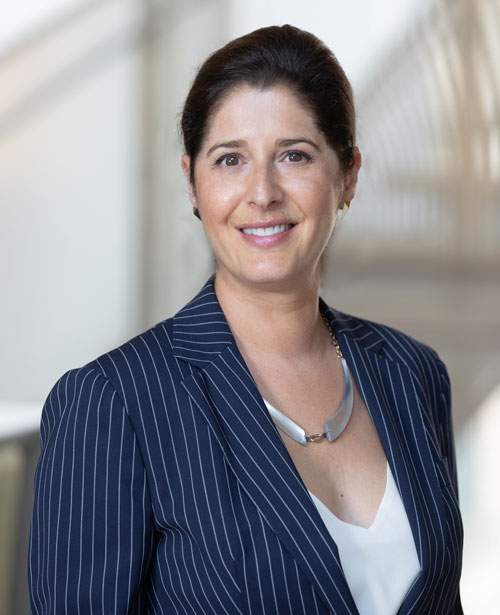
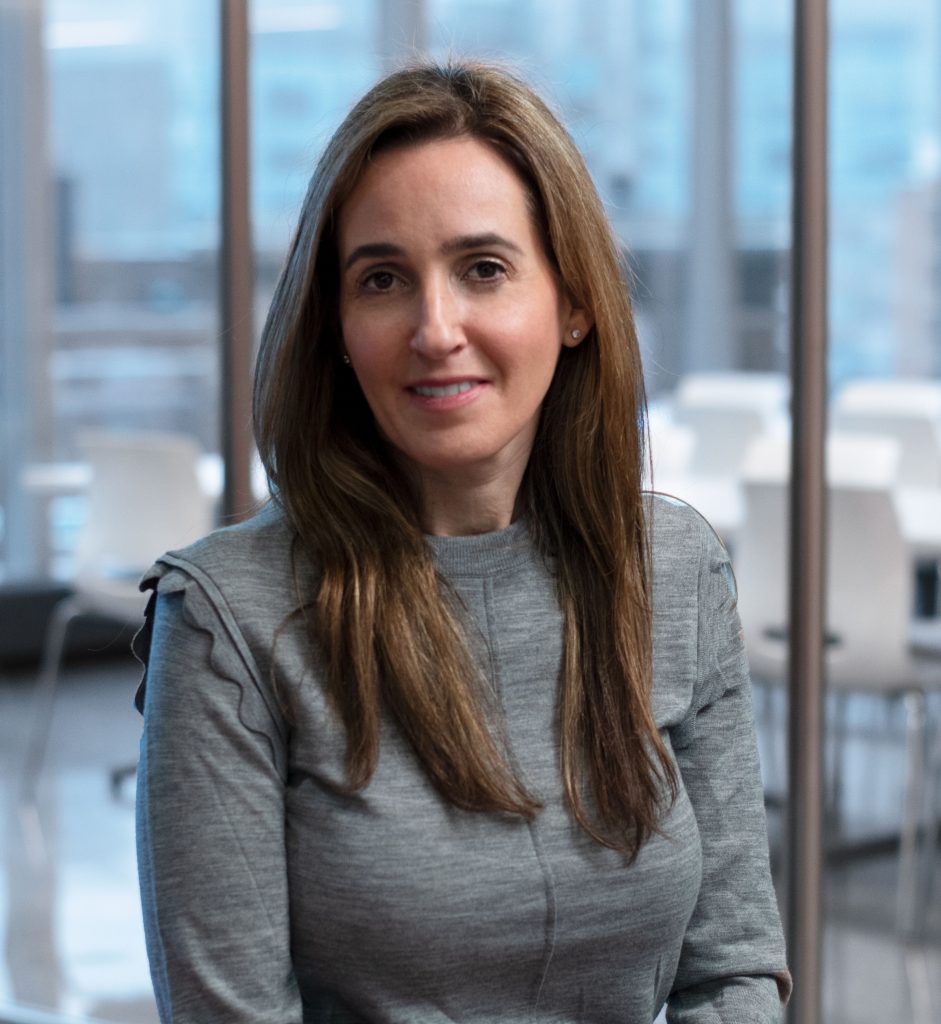
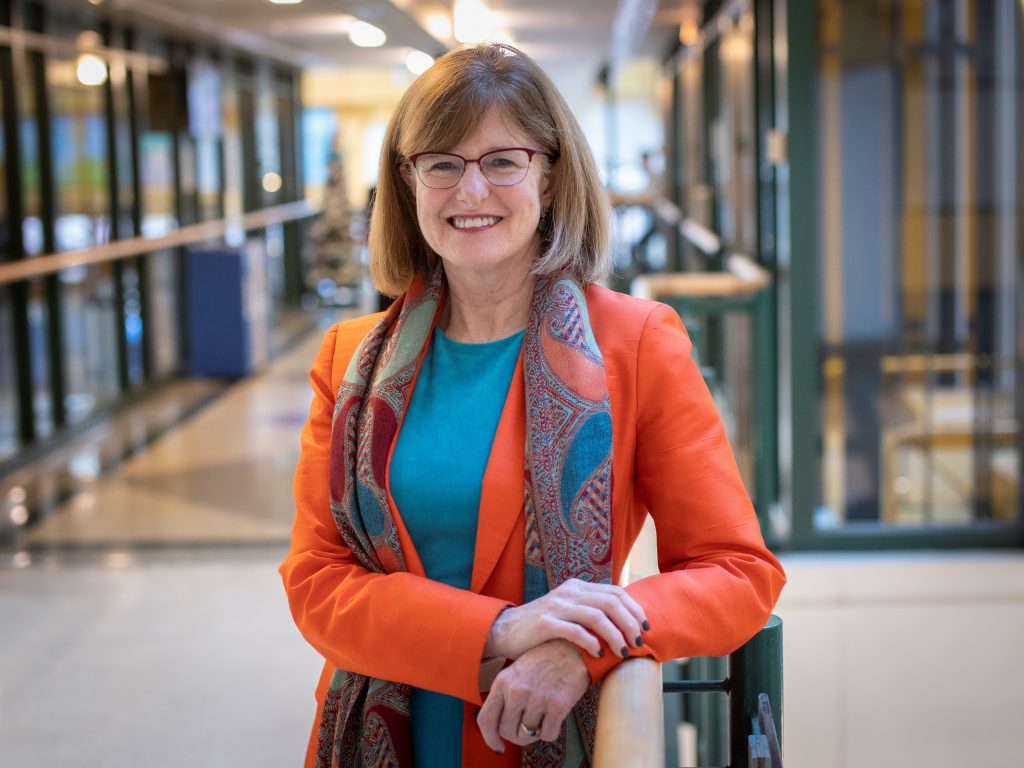
Three leaders in science, medicine and healthcare administration joined OICR’s Board of Directors in recent months. They bring decades of experience that will strengthen OICR’s efforts to tackle the big challenges in cancer and deliver solutions to patients.

Dr. Jennifer Chan, Laurie Harrison and Dr. Nancy Ross were elected to three-year terms that run until Fall 2026.

  • Dr. Jennifer Chan is Director of the Arnie Charbonneau Cancer Institute and an Associate Professor in the Department of Pathology & Laboratory Medicine at the University of Calgary. She is a pathologist-scientist and research leader with over 14 years of experience and serves as Consortium Leader of the Prairie Cancer Research Consortium in the Marathon of Hope Cancer Centres Network.

“Joining OICR’s Board is a great opportunity to contribute to world-class research that is making a difference for people all over the world,” Dr Chan says. “I look forward to helping the OICR community advance new discoveries and bring them to patients who need them.”

  • Laurie Harrison recently retired from her role as Chief Financial Officer and Vice President of SickKids Hospital. She has 35 years of experience in administrative and operational roles in Ontario academic health science centres, and significant experience in Finance, Treasury, Supply Chain, Operations, Business Development and Risk Management in the not-for-profit sector.

“OICR has an excellent reputation, and I’m glad to contribute to the success of this dynamic organization,” Harrison says. “I hope to bring my expertise to the Board and my support to management with the goal of meeting OICR’s strategic objectives.”

  • Dr. Nancy Ross held positions as Professor, Canada Research Chair, and Associate Vice-Principal Research and Innovation at McGill University from 2001-2021 after beginning her research career at Statistics Canada (1997-2001). Dr. Ross currently serves as Vice-Principal Research at Queen’s University. She also holds a faculty position in the University’s Department of Public Health Sciences, where she is a recognized expert in population health.

“I am excited to contribute to an organization that plays an essential role in Ontario’s globally significant research ecosystem,” Dr. Ross says. “I hope to help OICR continue to accelerate and translate discoveries that reduce suffering for people affected by cancer and improve their quality of life.”

Chaired by Dr. Susan Fitzpatrick, OICR’s Board of Directors is comprised of 14 volunteers from different academic and professional backgrounds.

“Our newest Board members will be a tremendous resource to OICR’s Executive team, our staff, and to people affected by cancer in Ontario and around the world.” says Dr. Laszlo Radvanyi, President and Scientific Director of OICR. “We’re so grateful that Nancy, Laurie and Jennifer are volunteering their time to our important mission, and I can’t wait to see what we will accomplish together for cancer patients and their families.”

Research suggests expansion of Ontario breast cancer screening program will save lives

Dr. Martin Yaffe talks about the evidence for starting regular mammograms at age 40 instead of 50.

Thousands more Ontarians can now access publicly funded mammograms, and experts say the move will save many lives across the province.

The Ontario Government recently announced it is lowering the minimum age for its regular breast screening program from 50 to 40. The change will take effect in fall 2024, when the province expects to begin performing an additional 130,000 mammograms every year.

Dr. Martin Yaffe has been one of the leading voices calling for an expansion to the screening program. As Co-Director of OICR’s Imaging Program and an expert in breast imaging technologies, Yaffe has contributed to mounting evidence that screening women in their 40s will help catch breast cancer earlier and treat it more effectively.

“I’ve been waiting for this news for a long time, and I’m really happy Ontario has made the decision to expand the program,” says Yaffe, who is also Senior Scientist at Sunnybrook Research Institute and a Professor in the University of Toronto’s Departments of Medical Biophysics and Medical Imaging.

In the wake of the government announcement, Yaffe gave a series of interviews to news outlets like The Globe and Mail and The Canadian Press. He also spoke to OICR News about the work leading up to the announcement and what the policy change means for Ontarians.

Why is it so important to get regular mammograms starting at age 40?

Breast cancer is a major killer. It affects about one in eight women and as many as three per cent of all women will die of breast cancer. And it’s a disease that starts becoming important as women reach the age of 40. About 17 per cent of breast cancer deaths are from cancers that are detected when women are in their forties, and without screening it is often found when it is already at an advanced stage.

What sort of research have you done into this issue?

Over the past decade or so, my colleagues and I have been doing increasingly advanced computer modelling to understand the number of women who might develop breast cancer in their lifetime and ultimately die from breast cancer, and how that could be impacted by regular screening. The computer model that we now use was developed by The Canadian Partnership Against Cancer and Statistics Canada and calibrated using real-life clinical data. With one model, we showed that if you started screening women annually at age 40 until age 74, you could reduce the number of breast cancer deaths by as much as 50 per cent compared to not screening.

How else can breast screening in Ontario be improved?

Right now, Ontario is recommending screening every two years for all women over the age of 40. I would like to see the program be annual, at least for women before menopause, whose cancers tend to grow faster and be more aggressive.

We also need to make sure we are addressing the needs of women with dense breasts. My colleague Dr. Norman Boyd and I discovered that women with a lot of dense, fibrous glandular tissue in their breasts have a higher risk of developing breast cancer. Their cancer can also be missed in a standard mammogram. So, they would benefit considerably from supplemental screening with ultrasound for example.

These women should be informed about having dense breasts when they get a mammogram so they know if they should consider getting supplemental screening. Ontario has made some positive steps in this area, and I expect more formal progress to be coming soon.

What is your message for women in their 40s who now have access to publicly funded screening?

I want them to know that we have a strong, organized program in Ontario that gives them the choice to get free mammograms starting at age 40. Screening can help them reduce their chances of dying from cancer by finding the disease earlier when it’s easiest to treat. Early detection also means their treatment could be less aggressive and have a much lesser adverse impact on their quality of life. And although the new Ontario program doesn’t roll out until next fall, if they want to get screened before that they can ask their family doctor for a requisition.

Building a bridge between data and discovery

OICR’s Genome Informatics team has created a unique software suite to manage Big Data in cancer research.

You’ve probably heard that Big Data is the future of healthcare.

An explosion of health information, fuelled in part by powerful new tools to sequence the human genome, is starting to revolutionize how diseases like cancer are studied, diagnosed and treated.

Looking across the OICR community you’ll see research projects producing huge amounts of genomic data, analyzing them, and exploring how they interact with other influences to understand how cancer develops and the best ways to stop it.

But data in isolation cannot make cancer care better. Genomics data must be securely stored, carefully managed and made easily accessible to researchers and health professionals who can harness it. And that’s a huge undertaking when you’re dealing with thousands of gigabytes of complex personal information.

At OICR, the Genome Informatics Program specializes in developing systems to store, organize and share genomics data. Their websites and software platforms support several Big Data projects led by OICR, and even some that go beyond the scope of the Institute and beyond the borders of this country.

Those platforms are driven by one foundational tool: an open-source, customizable suite of data management applications called Overture.

“Overture underpins just about everything we do,” says Dr. Mélanie Courtot, Director of Genome Informatics at OICR. “It allows researchers to collaborate, share data and make it discoverable for themselves and other researchers who are driving exciting innovations.”


Laying the foundation for Big Data platforms

The story of Overture began around 2008 with the launch of the International Cancer Genome Consortium (ICGC), a global initiative co-founded by OICR to collect and store data from 25,000 genomes covering 50 different types of cancer and make them accessible to researchers. 

Tasked with building the ICGC database, the Genome Informatics team determined it had five core needs: a way to securely transfer files into the database, a way to manage the associated metadata, a way to index data, a way to search through data, and a way to authenticate users and give them access to the database.

The next few years would see major advancements in the field of genomics. As the Genome Informatics team was called upon to build other systems to manage genomics data, they recognized that many projects had the same core requirements as ICGC. 

They came up with a way to avoid the wasted effort of developing the same basic features repeatedly. Instead of building out a full data management platform, they developed five distinct and adaptable pieces of software to meet their core needs. These were assembled and released as the first Overture open-source package in 2017.

“We decided to make these core elements more generic, so they could be adapted across different use cases,” says Courtot. “This is much more difficult to do, but it pays off in the end because of its versatility.”

As the years passed, the Genome Informatics team developed several more data platforms, gaining the attention of other data scientists who inquired about the tools used to build these platforms.

This interest led to numerous collaborations. The Genome Informatics team would use Overture components in projects like the Kids First data portal and the next phase of ICGC, called ICGC Accelerating Research in Genomics Oncology (ICGC-ARGO).

The suite has even been employed beyond cancer. In 2021, the Genome Informatics team used the Overture suite to build the Canadian VirusSeq Data Portal, a project aimed at sequencing 150,000 samples of the COVID-19 virus and making data available to researchers and policymakers. Building on the Overture suite instead of starting from scratch allowed them to build the portal in just four weeks, which was especially important in the midst of a fast-moving pandemic.


The building blocks of genomics research

The Overture suites five core applications – Song, Score, Ego, Maestro and Arranger – can be used together as a full data management system, or researchers can pick and choose the individual components that meet their requirements. Genome Informatics can also help researchers adapt and employ these components through both academic collaboration and consulting services.

“Think of the applications like building blocks,” says Mitchell Shiell, Outreach Lead for the Genome Informatics group. “If there’s a different piece of software you want to use for authenticating users, you can swap that in place and still use the rest of the Overture components.”

Mitchell Shiell

Overture’s modular nature makes it very scalable. If a Big Data project needs more capacity, you can duplicate services to balance the load. A suite like Overture could also help harmonize different data sets because data platforms can be built on the same underlying software and deployed as a federated network.

Overture is also designed to be extended and integrated with third-party applications to perform other data analysis and management functions. For example, the Genome Informatics team recently integrated JBrowse, a genome browser developed by Dr. Lincoln Stein’s lab, into the Overture suite.

“We’re not just building genomic data management systems in isolation. We’re contributing to a larger research software ecosystem,” Shiell says.


Driving discovery in Ontario and around the world

The Genome Informatics team’s latest contributions span a wide variety of Big Data projects.  This includes working with scientists in South Africa to create a Pan-African platform to share data about pathogens and help address disease outbreaks across the continent.

Closer to home, Overture will power the Ontario Hereditary Cancer Research Network registry, which will collect data from participating Ontarians with genetic mutations that make them susceptible to cancer in the hopes of driving new research.

“With each project, we are learning and updating the suite to better support subsequent genomic research,” Courtot says.

With the field of genomics continuing to grow, Shiell says that data – and how it is organized with software like Overture – will play a major role in advancing the knowledge and treatment of cancer.

“When you make data discoverable, you’re driving discovery,” he says. “Ultimately, this will lead to better treatment options, helping people live longer and healthier lives.”

Overture is supported by a grant from the National Cancer Institute at the US National Institutes of Health, and additional funding from Genome Canada, the Canada Foundation for Innovation, the Canadian Institutes of Health Research, CANARIE, and the Ontario Institute for Cancer Research.

What happens when I donate my tissue for research?

Patients who make the generous decision to donate a tissue sample for research often wonder what happens after the sample has been collected and how it is used in research projects.

In this video, Dr. Jane Bayani, Principal Research Scientist and Co-Director of OICR’s Diagnostic Development (DD) Program, explains how tissue samples are processed with patient privacy in mind, undergo inspection prior to use in experiments, and the various ways that they are used in research. Watch to learn more about the invaluable contributions made by patients who donate their tissues to research and how the skilled scientists of the DD team use these samples to advance cancer research and care.