Using the “window of opportunity” to understand biomarkers and tumour biology
OICR researchers have recently teamed up with a team of medical oncologists and surgeons at The Ottawa Hospital to launch a new breast cancer clinical trial – one that begins before a patient undergoes surgery.
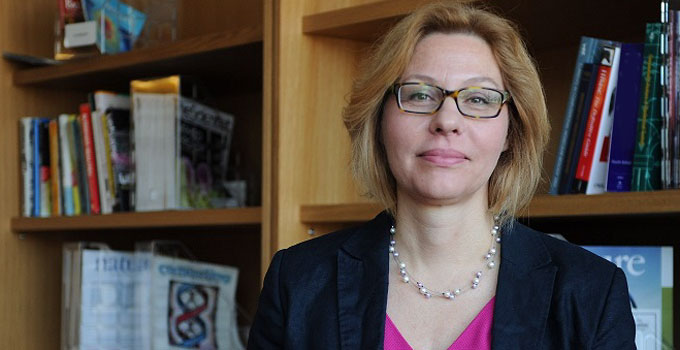
“There’s a gap between when a patient is diagnosed with cancer and the start of their surgery,” explains Dr. Melanie Spears, trial co-investigator and Principal Research Scientist at OICR. “A window of opportunity study allows us to use this gap to look at novel targeted therapies.”
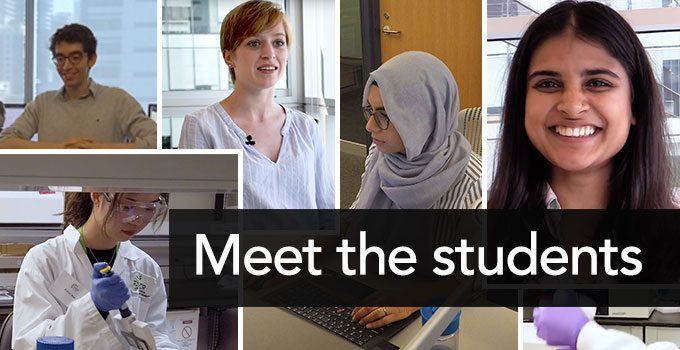
Meet OICR’s summer students
Did you know that in addition to conducting and enabling cancer research, OICR plays a key role in training the next generation of cancer researchers? Several postsecondary students spent the summer at OICR and gained valuable experience in, and exposure to, the world of cancer research. In this series of videos, five of these students share what they learned during their time at OICR and how their experiences have helped shape their plans for the future.
OICR Genomics: What’s next?
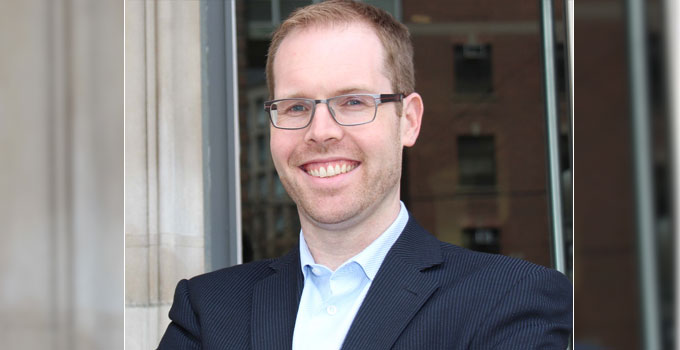
Trevor Pugh, OICR’s new Director of Genomics, talks about what’s happening in the OICR Genomics Platform.
Ten years, 330,000+ Canadians: CPTP connects participants from coast to coast with shared goal of a healthier future
After losing her aunt to breast cancer, Krista felt powerless and wanted to help make a difference.
Marc felt empowered when he started taking a more active role in his health following his sleep apnea diagnosis.
Her Indigenous family roots motivated Sandra to get involved since she thought her genetic information might be particularly useful to researchers.
Their stories are unique, but Krista, Marc and Sandra actually have a lot in common. They’re three of the more than 330,000 participants in the Canadian Partnership for Tomorrow Project (CPTP) who share a vision of a healthier Canada.
By connecting six regional cohorts across nine provinces, the CPTP is the largest data collection of its kind in Canadian history. Hosted by the University of Toronto, the CPTP allows researchers to explore how genetics, environment, lifestyle and behaviour interact and contribute to the development of cancer and other chronic diseases.
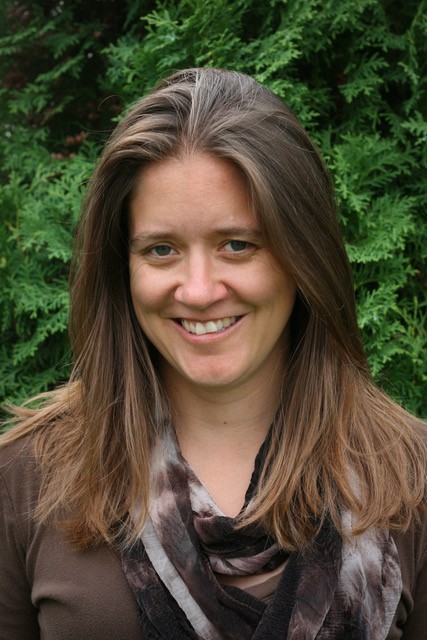
Krista Osborne Alberta’s Tomorrow Project
When Krista Osborne of St. Albert, Alberta found out about her aunt’s breast cancer, she donated her long hair to make wigs, but she wanted to do more.
“I heard about Alberta’s Tomorrow Project in the news and knew that I wanted to take part and help researchers in a personal way. I wanted my life to have some value to later generations,” said Osborne, who joined Alberta’s Tomorrow Project in 2011.
Osborne, like most CPTP participants, has lived experience with cancer or another chronic illness. In fact, cancer is the leading cause of death in Canada with one in two Canadians affected during their lifetime.
“Canadians can have a direct impact on health research through the project and we’re tremendously grateful for participants’ time and investment,” said Dr. Philip Awadalla, National Scientific Director of the Canadian Partnership for Tomorrow Project.
“The CPTP has united Canadians from coast to coast over the last decade, creating a living population laboratory that will improve our understanding of disease risk factors and unlock the mysteries of cancer and other chronic diseases,” said Awadalla, who is also Executive Scientific Director of the Ontario Health Study (OHS) and principal investigator of Genome Canada’s Canadian Data Integration Centre.
Unlocking a mystery is exactly how Marc André Sirois felt when he was diagnosed with sleep apnea in September 2016.
“I had concerns about my sleep quality and was asked to participate in a sleep study. I wore the monitor and after one month, I received some negative results. Bad sleeping habits can negatively impact your health in so many ways,” said Sirois, an OHS participant who lives in Ottawa.
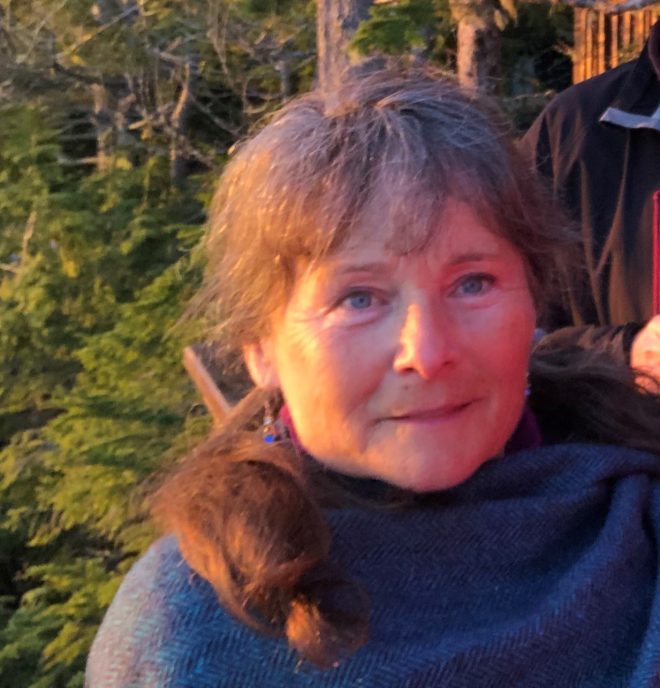
Sandra Slobodian BC Generations Project
Sandra Slobodian agrees that mega-data studies like CPTP can uncover hidden solutions to health issues, which she believes is important for all Canadians, including Indigenous peoples.
“I think First Nations people are a great source of generational information, but may be wary of participating in research projects because many have been over studied, abused by government policies and may not trust the process,” said Slobodian, who lives in Esquimalt, British Columbia and joined the BC Generations Project in 2008.
There are close to 8,000 self-reported Indigenous participants in the CPTP and Awadalla is encouraging Indigenous researchers to utilize the platform for a variety of Indigenous-led projects.
Trust is critical, not only for Indigenous participants, but for everyone. And with more than one billion pieces of health information, the size and scope of CPTP’s dataset is enormous. Privacy and protection of participant data is absolutely critical, underlining the importance of CPTP’s partnership with the Ontario Institute for Cancer Research, a globally recognized institute in genomic and clinical data storage expertise.
Marc Sirois Ontario Health Study
As a lawyer, Sirois understands how difficult trust can be in today’s world, but his message to Canadians about the CPTP is simple:
“I’d say trust the scientific process. CPTP scientists are doing good work that’s making a difference on health and it’s empowering to be a part of that process,” said Sirois.
“We need to stick with CPTP for the long term to make an impact, and in the meantime, let’s enjoy the baby steps and small wins.”
Learn more about seven CPTP participants, including their personal stories with cancer or chronic disease, why they joined the study, and how they’d improve health care in their communities.
Manitoba is the only province currently recruiting new participants via the Manitoba Tomorrow Project.
Five fellows, four labs, three years, two countries, and a generous donation
The Lebovic Fellowship program connects scientists in Israel and Ontario, leading to the validation of a new drug candidate for leukemia and the optimization of a new potential cancer vaccine
Three years ago, the Institute
for Medical Research Israel-Canada (IMRIC) received a donation from Joseph and Wolf Lebovic – two
brothers who are Holocaust survivors, Canadian immigrants, avid philanthropists
and recently-appointed Members of the Order of Canada. Their vision was to
strengthen collaboration between the outstanding researchers in Israel and
those in Ontario to accelerate cancer research.
They created the Joseph
and Wolf Lebovic Fellowship Program, which paired together laboratories
specializing in complementary subjects. The Program’s first round of projects
officially came to a successful close today and here we recognize the progress
made thanks to the generous donation of the Lebovic brothers.
Developing a drug for leukemia
Israel lead researcher: Dr. Yinon Ben-Neriah, IMRIC Israel fellows: Waleed Minzel and Eric Hung, PhD Candidates, Hebrew University of Jerusalem
Ontario lead researcher: Dr. John Dick, Princess Margaret Cancer Centre (PMCC) Ontario fellow: Dr. Laura Garcia-Prat, Postdoctoral Fellow, PMCC
Ben-Neriah’s lab in Israel had
developed a new compound and showed it may be a valuable anti-leukemia drug,
but they couldn’t explain why the drug was only effective in animal models that
had strong immune systems. Understanding the relationship between the drug and
the immune system would allow them to validate which leukemia subtypes would
respond to their therapeutic approach.
John Dick’s lab had developed
the gold standard for evaluating the efficacy of leukemia drugs in animal
models using sophisticated patient-derived xenograft mouse models. Through this
fellowship, the Ben-Neriah Lab teamed up with the Dick lab to learn from their
expertise and gain insights into their experimental models.
Bridges built between Israel and Canada thanks to philanthropic donation from Joseph and Wolf Lebovic
TORONTO (July 3, 2019) – The Ontario
Institute for Cancer Research (OICR), the
Institute for Medical Research Israel-Canada (IMRIC) at the Hebrew University of Jerusalem and the Canadian Friends of Hebrew
University (CFHU) today honour the successful conclusion of the first round of
the Joseph and Wolf Lebovic Cancer Genomics and Immunity Fellowship Program, a cross-continent
multidisciplinary collaboration between experts in cancer research. The Program
forged two new partnerships between labs in Canada and Israel and provided a
unique training opportunity for early career researchers in both countries.
These collaborations led to the development of a new potential cancer-killing
virus and a new drug candidate for leukemia.
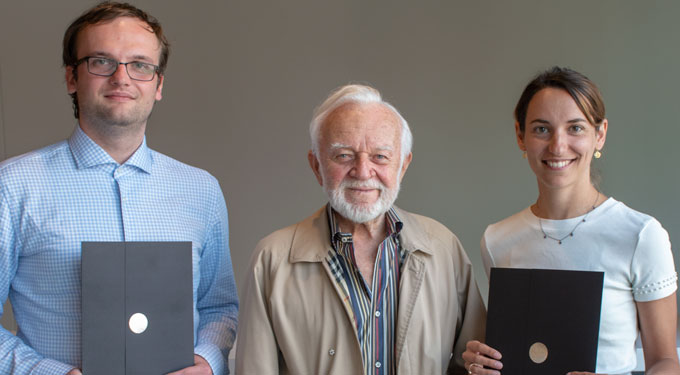
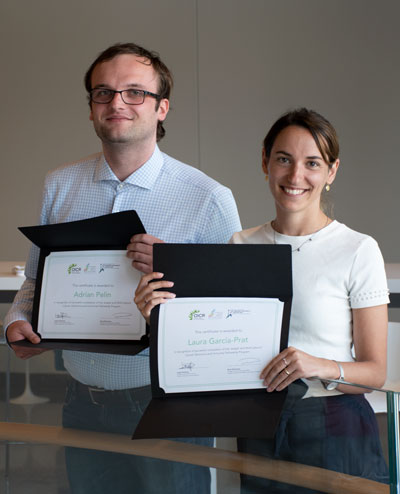
Fellowships were awarded to Adrian Pelin from
the lab of Dr. John Bell at The Ottawa Hospital Research Institute, in Ottawa,
Ontario and Yoav Charpak Amikam from the lab of Dr. Ofer Mandelboim at IMRIC in
Jerusalem, Israel. The collaboration improved the specificity and
immune-triggering abilities of the potential oncolytic Vaccinia virus.
Another pair of fellowships were awarded to Dr.
Laura Garcia-Prat from the lab of Dr. John Dick at the Princess Margaret Cancer
Centre, in Toronto, Ontario and Waleed Minzel and Eric Hung from the lab of Dr.
Yinon Ben-Neriah at IMRIC. This partnership enabled the development of leukemia
xenograft models to help validate the efficacy of a new drug candidate, as
recently published in the scientific journal Cell.
The Lebovic Fellowship Program was
established by a philanthropic donation provided to IMRIC by Joseph and Wolf
Lebovic – two brothers who survived the Holocaust, immigrated to Canada and
have recently been appointed as Members of the Order of Canada for their
contributions to the Toronto community.
“We’d like to congratulate the fellows today
on their progress which was made possible by the generous support of Joseph and
Wolf Lebovic. The funding provided by the Lebovic brothers allowed us to create
a platform for Ontario scientists to establish collaborations with researchers
in Israel and we look forward to strengthening this platform for future collaborative
work,” says Dr. Laszlo Radvanyi, President and Scientific Director of OICR.
“We congratulate the fellows today on their
achievements during this first round of the program. IMRIC is proud to continue
our collaboration with an institute as distinguished as OICR, supported by the
inspiring philanthropy of Joseph and Wolf Lebovic,” says Prof. Haya
Lorberboum-Galski, Chairman of IMRIC. “We feel that this collaboration between
top Canadian and Israeli researchers will surely lead to significant and
game-changing advances in the world arena.”
“Thanks
to the vision and generosity of Joseph and Wolf Lebovic, they have been
instrumental in creating an international collaboration that will continue to
strengthen Israel-Canada connections while benefitting humankind,” says
Rami Kleinmann, CEO and President of Canadian Friends of Hebrew University.
“CFHU is grateful for their continuing and dedicated support.”
It’s our health information: a goldmine for improving the quality of cancer care
OICR-supported researcher Dr. Nicole Mittmann leads collaborative initiative to determine the value of new cancer solutions and the burden of cancer care on Canada’s healthcare system
Canada is well known for its publicly funded healthcare
system, its universal health coverage, and in most recent news – for the
Toronto Raptors.
What is less recognized, however, is that with
its distinctive healthcare system, Canada has unique healthcare reimbursement
processes and resource needs, especially for the delivery of cancer care. While
Canada collects some of the most robust and comprehensive healthcare data, Canadian
datasets are underutilized in research and policy decision making.
Dr. Nicole Mittmann has set out to close this
gap and, in turn, transform our administrative health information into tangible
healthcare improvements.
“As cancer-drug costs continue to rise, there
is – now more than ever before – a need to understand the Canadian context with
respect to costs and health system resource use,” she writes in Current Oncology.
Turning
data into action
Mittmann, who was recently appointed as the
Chief Scientist and Vice-President of Evidence Standards at the Canadian Agency
for Drugs and Technologies in Health (CADTH), sees Canada’s rich data as a
goldmine for improving the management of diseases and the delivery of care.
“This information can be used to help us make
decisions, help us plan and help us understand the value of new technologies,” she
says. “It could also show us areas where we need to improve, or problems that
weren’t apparent through practice alone, but we needed to reduce the barriers
to using these data for research.”
Q&A with Dr. Trevor Pugh, OICR’s new Director of Genomics
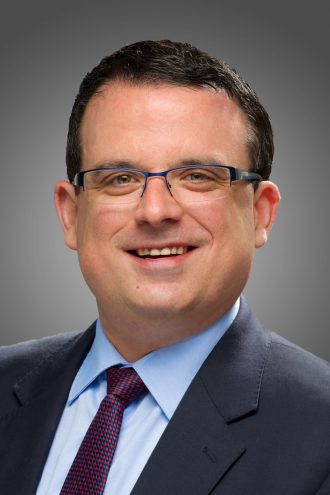
Dr. Trevor Pugh
In May, OICR welcomed Dr. Trevor Pugh as Director of Genomics and Senior Principal Investigator. Trevor is a cancer genomics researcher and board-certified molecular geneticist who has led the Princess Margaret Cancer Centre-OICR Translational Genomics Laboratory (PM-OICR TGL) since 2016.
In his new role, he will lead the OICR Genomics program, which brings together the Princess Margaret Genomics Centre, OICR’s Genome Technologies, Translational Genomics Laboratory and Genome Sequence Informatics teams under an integrated initiative to support basic, translational and clinical research. Here, Pugh describes some of his strategies and how he plans to take on this ambitious mandate.
You’re involved with a number
of projects across many disease sites and you collaborate with researchers from
vastly different areas of cancer research. Can you summarize what you focus on?
Simply put – I want to use genome technologies to guide the best patient
care. The overall philosophy is to extract as much genomic information as we
can from small amounts of tumour tissue, and turn that information into
knowledge so that clinicians and patients can make targeted treatment decisions.
I also want to open up these comprehensive data for researchers to mine and find
new cures for these cancers.
Whether they are a graduate student working on myeloma or a postdoc working on liver cancer, we all learn from one another’s disease specialties.
And yes – I am involved with many areas of cancer research. Every member
in my lab speaks the same genomics language. Whether they are a graduate
student working on myeloma or a postdoc working on liver cancer, we all learn
from one another’s disease specialties. We do genomics in a similar way as
there are many genomic commonalities across cancer types and computational
algorithms or infrastructure we build for one project invariably get reused for
another project.
You are a board-certified
molecular geneticist and a genomics researcher, but you also have a background
in bioinformatics and software development. How do you balance making tools and
making discoveries?
The tools we create and the research we perform go hand in hand. You
can’t make discoveries without the infrastructure, and it is hard to develop
technologies successfully without a guiding scientific question. With that
said, the software that we make is designed to help not only our own research
and clinical projects, but those of others. If we can make software work for us
really well, we want to share it and make it easier for groups and labs across
Ontario and around the world. This also holds for the data we generate, as
there is great value to integrating our data with similar data sets from other
hospitals.
How will this new role help
you do that?
I have a few main goals in this role that I’m excited about. The first
and the largest is to integrate the Princess Margaret Genomics Centre, PM-OICR
TGL, Genome Technologies and Genome Sequence Informatics into one fully-coordinated
machine. The people, tools and methods that we have at OICR and Princess
Margaret are incredible and the infrastructure already in place can serve as a
powerful vehicle for both research and clinical applications. In the first two
weeks, I’ve been really impressed with how the leads of these programs have
come together to form concrete plans for making this a reality.
The part that excites me about my new role is the O in OICR. Within this
position, I can have a provincial outlook on translational research which is
important as genomics research becomes increasingly dependent on multi-centre
studies and inter-institutional collaborations. I think OICR can help
facilitate a future where sharing ideas, data, and knowledge between institutions
is much easier than it is today. I’m excited to help take things that work locally
and make them available and easy-to-use across the entire province, so that we
can benefit from the advances made by our neighbours. We are stronger when we
work together in a collaborative way.
OICR is well-known as a developer of similar high-quality data sharing systems and I am looking forward to integrating these efforts to support our internal genomics enterprise
It sounds like a lot of your
work addresses local needs, but how do you have so many international
collaborations?
In computational biology, a lot of our concerns and challenges are
shared with other groups as well. For example, the cBioPortal data sharing
platform was originally built at Memorial-Sloan Kettering to allow researchers to
easily query data from The Cancer Genome Atlas project. This initiative soon
grew to include a team at Dana-Faber and now the software is fully open-source
with five core, NIH-funded teams contributing to its development, including my
own lab. In addition, there are groups working on improving and enhancing
cBioPortal instances around the world as it expands to new applications beyond
genomics. cBioPortal has emerged as a very powerful resource rooted in an
international crowdsourcing model. Naturally, OICR is well-known as a developer
of similar high-quality data sharing systems and I am looking forward to
integrating these efforts to support our internal genomics enterprise, as well
as national and international data sharing networks.
You’ve been involved with the
evolution of genomics over the last two decades. What technologies excite you
these days?
Hands down, it’s single cell sequencing. This is an amazing technology
that allows us to see parts of the tumours that we could never see before. In
one of my projects, we’re looking at each cancer population within a tumour
sample and mapping each population to a drug treatment. With Drs. Benjamin
Haibe-Kains, we’re applying this concept across hundreds of thousands of cells from
brain tumours we have sequenced in collaboration with Peter Dirks and from
myeloma cells with Suzanne Trudel. If we can find distinct clones – or types of
cells – with tailored treatment options, we could potentially eradicate the
cancer entirely using combination therapies. I think the future of precision
medicine is dependent on single cell technology and I look forward to
integrating this technology into clinical studies with collaborators at cancer
centres across the province.
Activating the immune system to fight cancer
Dr. Brigitte Thériault, a Senior Research Scientist at OICR, discusses the work of the Drug Discovery team to develop new drugs that awaken the body’s immune system to recognize and attack cancer cells.
DNA Day: Here’s what OICR researchers find most interesting about DNA
It’s DNA Day! In this video, Prisni Rath, a Bioinformatician at OICR, explains what interests her about DNA and the importance of DNA to her work in clinical diagnostic research.
“I like that DNA has a direction.” Savo Lazic is a Scientific Associate in OICR’s Genomics Program. In this quick video he shares his favourite things about DNA and how new technologies are changing how researchers work with DNA.
This website uses cookies in order to optimize the user’s experience. To learn more about how we use cookies on this website, please review our Website Privacy Statement. Your browser settings may allow you to turn off cookies. By continuing to use our website site without changing your browser settings, you consent to our use of cookies in accordance with Website Privacy Statement