Toronto (July 11, 2018) – The Ontario Institute for Cancer Research (OICR) and the Canadian Partnership Against Cancer (the Partnership) today announced renewed funding for the Canadian Cancer Clinical Trials Network (3CTN). The funding will ensure Canada remains a world leader in academic cancer clinical trials, help to increase opportunities for patients to receive promising new treatments and continue to improve outcomes for cancer patients through research.
Targeting epigenetic proteins could help prevent breast cancer

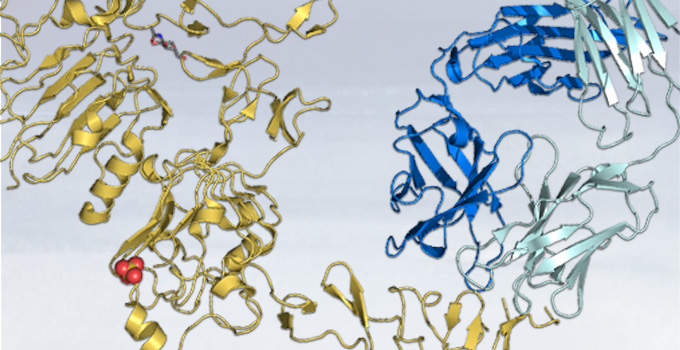
Researchers further clarify the role of epigenetic proteins in the development of breast cancer, and discover that inhibiting these proteins could prevent the disease in women at high risk.
Researchers find early indicators of leukemia in genomes up to 10 years before symptoms surfaced

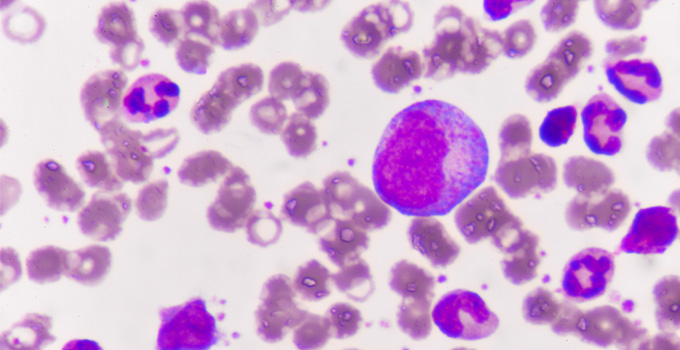
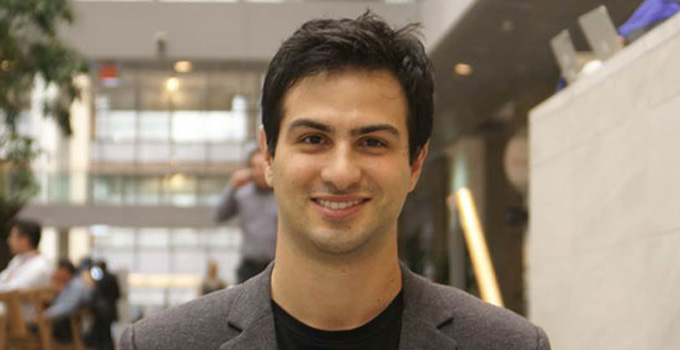
Acute myeloid leukemia (AML) progresses quickly and requires treatment soon after diagnosis, but the disease begins long before becoming symptomatic. Early indicators of AML were thought to be indistinguishable from healthy aging. But now, an international group of researchers led in part by Dr. Sagi Abelson, a postdoctoral fellow in the lab of Dr. John Dick at the Princess Margaret Cancer Centre, has discovered distinctive traces of AML in patients up to 10 years before they were diagnosed with the disease.
New institute to make chronic disease prevention across Canada BETTER

The BETTER program has been awarded almost $3 million to train primary care providers as prevention experts across Canada
As the number of Canadians at risk of cancer and other chronic diseases continues to grow, so does the need for health professionals to deliver effective disease prevention and screening recommendations.
Healthcare Software Start-Up Ziliomics Financed by FACIT
World-leading genomics cloud computing group builds clinical tool for cancer care in Ontario
TORONTO, ON (June 27, 2018) – Ziliomics Inc., a start-up created by FACIT, received seed financing from the Prospects Oncology Fund. Derived from a leading oncology bio-computing group and leveraging insights from the world’s largest cancer genomics projects, Ziliomics develops web-based, modular software platforms that help physicians make actionable treatment decisions for patients living with cancer. Together with FACIT’s interim executive management model, the capital advances the development of Heliotrope, Ziliomics’ lead software product, and positions the company for corporate partnerships and additional financing. Financing terms were not disclosed.
New OICR President and Scientific Director comments on breakthrough in breast cancer T-cell immunotherapy

For the first time, a patient’s late-stage breast cancer has been successfully treated with T-cell immunotherapy. This cutting-edge approach, which is currently in clinical trials in the U.S., modified the patient’s naturally-occurring immune cells to fight her tumours that had spread throughout her body. The patient has been cancer free for the past two years and her remarkable tumour regression represents the potential impact of this new immunotherapeutic approach.
New guidelines for HER2 testing in breast cancer

Current HER2 tests help predict which breast cancer patients will respond to HER2-targeted therapies, but sometimes these tests provide unclear results. An Expert Panel of pathologists and cancer researchers, including Dr. John Bartlett from OICR, recently published revised clinical practice guidelines for HER2 testing in breast cancer to help improve clarity of HER2 test results.
OICR scientist recognized by AACR for early career contributions to prostate cancer research

Dr. Michael Fraser, Director of the Prostate Program in the Computational Biology group at OICR, has been named a 2018 NextGen Star by the American Association for Cancer Research (AACR). Awarded to only eight researchers around the world, AACR’s NextGen Stars program recognizes outstanding early-career scientists who have made significant contributions to cancer research.
Combination of erectile dysfunction drugs and flu vaccine may help kill remaining cancer after surgery

A remarkable study led by Dr. Rebecca Auer from The Ottawa Hospital (TOH) shows that the unlikely combination of erectile dysfunction drugs and the flu vaccine may boost the immune system’s ability to clean up cancer cells left behind after surgery. This method demonstrated promising results in a mouse model, where it reduced the spread of cancer following surgery by 90 per cent. Now the approach will be tested in a first-of-its-kind clinical trial involving 24 patients at TOH.
Symposium offers preview of findings from the Pan-Cancer Analysis of Whole Genomes project

On April 13, researchers from around the world gathered at the MaRS Centre in Toronto to get a sneak peek at the findings from the Pan-Cancer Analysis of Whole Genomes (PCAWG) project. PCAWG is an ambitious international effort to comprehensively understand the non-protein coding elements of the genome, which make up 97 per cent of the genome but have been little studied in the context of cancer.