Ask a Cancer Researcher: Why do we sequence tumour DNA?
OICR’s Head of Adaptive Oncology Dr. Lincoln Stein answers a question from patient partner Terry Hawrysh.
Is there a question about cancer or the science behind it that you’ve always wanted to ask? OICR’s new Ask a Cancer Researcher video series gives you the opportunity to pick the brains of our expert scientists.
In the series opener, OICR’s Head of Adaptive Oncology Dr. Lincoln Stein fields a question from Terry Hawrysh about why researchers sequence DNA from tumours and healthy tissue, and how it could influence care for people with cancer.
See his answer in the video below and submit your own question for a chance to be featured in an upcoming video.
OICR-led teams receive historic multimillion dollar funding to tackle hard-to-treat cancers
The 2023 Breakthrough Team Grants from the Canadian Cancer Society comprise one of the country’s largest ever initiatives against six low-survival cancers.
Two OICR-led research teams seeking to improve outcomes for six of the deadliest cancers in Canada are receiving $7.5 million apiece over five years from the Canadian Cancer Society (CCS).
The teams were awarded CCS Breakthrough Team Grants, which fund research that brings together scientific, clinical and patient expertise to tackle cancers of the pancreas, esophagus, brain, lung, liver and stomach. These cancers have five-year survival rates of less than 30 per cent and are estimated to account for more than 40 per cent of all cancer deaths in Canada.
“Our goal is to support breakthroughs so fewer people die from these cancers and so that those living with or beyond them experience an improved quality of life,” Dr. Stuart Edmonds, Executive Vice-President of Mission, Research and Advocacy at CCS, said in a news release.
In total, 10 research teams comprising 230 individuals will receive more than $55 million, making it one of Canada’s largest ever efforts to improve outcomes for these low-survival cancers. The Breakthrough Team Grant program is delivered in partnership with Brain Canada, the Canadian Institutes of Health Research (CIHR), the Cancer Research Society and the Lotte & John Hecht Memorial Foundation.
Though they take different approaches, both OICR-led projects emphasize the importance of early detection and the potential of simple blood tests – known as ‘liquid biopsies’ – in cancer screening.
The project will build on years of OICR research into pancreatic cancer – an aggressive and hard-to-treat cancer – by focusing on early detection, personalized treatments strategies and stronger infrastructure for clinical trials. Researchers will collect and analyze blood samples to see if liquid biopsies can be used to detect pancreatic cancer earlier, test tumour samples for genetic variants and use the results to match patients to targeted treatments, study the cells surrounding the tumour (known as the ‘tumour microenvironment’) to understand their interaction with the immune system, and facilitate more clinical trials for pancreatic cancer so that more patients have access.
The project team comprises seven principal investigators (PI), including OICR investigators Dr. Faiyaz Notta and Dr. Hartland Jackson, with researchers across 11 organizations from Ontario and British Columbia.
Cancer screening is especially important for people with inherited genetic variants, known as familial cancer syndromes (FCS), that put them at higher risk of developing cancer. Through the cfDNA in Hereditary And High-Risk Malignancies (CHARM) Consortium, Pugh and colleagues have already shown that a simple blood test that looks for cell-free DNA (cfDNA) can be used to detect cancer early in people with FCS. Now they will run a randomized control trial focusing on people with FCS that are associated with particularly deadly cancers. The trial will test whether cfDNA blood tests can detect cancer earlier than medical imaging, which is typically used to screen people with FCS.
Pugh applied for the award through his role as Senior Scientist at Princess Margaret Cancer Centre (University Health Network. His co-PIs on the project include OICR associates Dr. Raymond Kim (also leader of the OICR-supported Ontario Hereditary Cancer Network (OHCRN)) and Dr. Yvonne Bombard.
In addition to these projects, OICR President and Scientific Director Dr. Laszlo Radvanyi joins Pugh and Notta as co-recipients for a study that focuses on biliary tract cancer, a hard-to-treat cancer resistant to chemotherapy. The research team will facilitate the formation of a community linking together patients, researchers and clinicians and will develop and test a new immunotherapy. Dr. Radvanyi and his lab will focus on finding tumour antigens that can be used for cancer vaccines and studying how retroelements and human endogenous retroviruses, emerging as cancer drivers, can be identified and targeted to detect and treat biliary tract cancer.
“Finding new tools and strategies to manage the most difficult cancers has long been a priority for OICR, especially efforts for more early detection and intervention that will be critical in increasing survival of patients with these cancers. My colleagues and I are proud to join in this massive team effort,” Radvanyi says. “Congratulations to Dr. Gallinger, Dr. Pugh, all the other awardees and to the Canadian Cancer Society and its partners. Working together in such large numbers and across diverse disciplines, we’re sure to make a lasting impact for patients.”
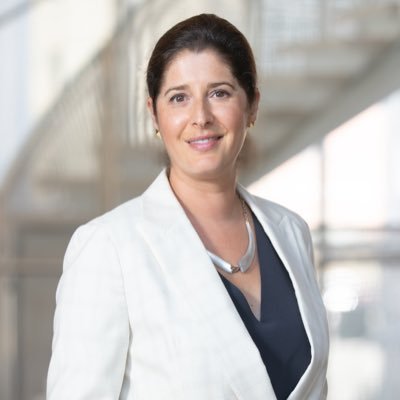
New Associate Director says Ontario Tumour Bank can be ‘bridge’ to future cancer innovations
Dr. Dianne Chadwick joined the Ontario Tumour Bank with more than a decade of experience in biobanking.
Biobanks like the Ontario Tumour Bank (OTB) have become indispensable to cancer research, supplying the plasma and tissue samples scientists are using to make the next generation of discoveries. And Dr. Dianne Chadwick thinks that role will continue to grow as OTB collects even more diverse samples, offers even more advanced services, and builds even stronger relationships with clinicians and researchers.
Chadwick joined OTB as Associate Director in October 2022 after more than 10 years working in biobanks at the University Heath Network and Sunnybrook Health Sciences Centre. With a PhD in Medical Biophysics and fellowship training in clinical laboratory genetics, she brings a strong understanding of the clinical side of hospital operations and appreciation for the needs of research.
In a recent interview with OICR News, Chadwick talked about her excitement for her new role and her goals for the future of OTB.
What made you want to take this role at OTB?
I’ve known about OTB for many years now. In the biobanking community, OTB is known for the quality of its samples and its procedures. Being associated with a world-class research institute like OICR is another huge asset. When the Associate Director position at OTB came available, I saw it as an opportunity to contribute to biobanking on a larger scale with a province-wide organization.
In your view, what is the role of biobanking in the research community?
I think biobanking can be a bridge between clinicians and researchers. Both sides are under tremendous pressure. With the demands of caring for patients, it’s impossible for clinicians to know the details of every research study being performed in their hospital. And if researchers don’t have clinical experience, they may not fully appreciate the challenges of approaching a very sick patient and asking for them to participate in a research study. As a biobank, I think our role is to support clinicians and researchers as much as possible with patient sample collection and distribution, taking as much as we can off their plate so that both sides can get on with their extremely valuable work.
Why is OTB well placed to be that bridge?
OTB is unique because it is part of OICR, which is focused specifically on cancer research. Because of that, we tend to be quicker with contracts and legal agreements than other biobanks. There are so many regulatory hurdles in clinical research, from ethics approvals to material transfer agreements, and they can take a long time. With access to OICR’s legal expertise, OTB can turn these agreements around quickly so that studies – and innovations – can move forward. We can also provide researchers with expert advice on submissions to regulatory agencies, for instance.
Being part of OICR also means we have access to its many outstanding programs. For example, if a researcher wants to do genomics assays at the same time as receiving samples from us, we can send those samples to have DNA extracted by OICR’s excellent Tissue Portal and then have sequencing done by a OICR’s world-class genomics lab.
What else can OTB offer the research community?
It all starts with having excellent samples, and our claim to fame is our high-quality surgical tissue and associated blood samples from patients with cancer. We look forward to expanding the diversity of our samples through our new collection site at Unity Health. That site sees a lot of patients with brain tumours, which is a type of cancer we haven’t had much access to up to this point. We are also in a strong position to meet the increasing demand for fresh tumours, which are collected and sent to the research lab on the same day.
We know the needs of researchers are evolving, so we are adding new custom services to meet those needs, including prospective tissue and blood collection that is tailored to the specific needs of researchers. We are also just launching a new information management system that’s going allow us to better meet research requirements, particularly the needs of data, which we see as a big area of growth for us.
What excites you most about the future of OTB?
OTB celebrates its 20th anniversary in 2024, and I think there’s a lot to be excited about as we enter our third decade. Researchers are on the cusp of major advancements in preventing, diagnosing and treating cancer, and OTB is playing a huge role. Our plasma samples are helping develop the tools for liquid biopsies that will transform cancer screening, our histology slides are informing machine learning tools for precision diagnostics, and our tissue samples are being harnessed to predict how tumours will respond to next-generation therapies. We are also working to strengthen the province’s biobanking community by creating the soon-to-be-launched Association of Ontario Tumour Banks. Together with researchers and clinicians, we are going to be partners in many big discoveries down the road, and that makes me very optimistic for OTB’s future and the future of cancer care.
Third major accreditation to help OICR Genomics power next generation of precision medicine
Lab is the first in North America to have whole genome and transcriptome sequencing assay accredited by CAP, CLIA and ACD.
April 4, 2023, TORONTO — Becoming the first genomics lab to be accredited by three of the leading North American accreditation organizations positions OICR Genomics to generate new discoveries about what drives diseases like cancer and new, personalized ways to diagnose and treat them.
“This unprecedented ‘trifecta’ of accreditation shows the lab’s commitment to the highest possible standards of quality and how OICR is leading the way in developing new precision genomic medicine,” says OICR President and Scientific Director Dr. Laszlo Radvanyi. “I congratulate the OICR Genomics team for setting the standard in next-generation sequencing and setting the stage for major innovations as well as taking this major step towards our quest to adopt whole genome/transcriptome sequencing as a mainstay for the clinical management of patients.”
Genomics has become one of the core disciplines for researching cancer and other diseases. Researchers are harnessing data from DNA and RNA sequencing to help detect diseases earlier than ever before and identify treatments that give patients the best possible chance at beating them. Understanding what is driving an individual’s cancer at the genetic level can reveal treatments that specifically target and disrupt those pathways. OICR Genomics has supported many cutting-edge research projects with a range of high-quality genomics services, and has spent several years building infrastructure and refining procedures to ensure it exceeds national and international standards and meets the needs of researchers now and into the future.
“Achieving and maintaining these accreditations has taken a lot of hard work and diligence,” says Dr. Carolyn Ptak, Genomics Program Manager and Quality Assurance Lead. “Our team has shown incredible dedication to quality and innovation, and we are all proud to be part of a laboratory that is internationally recognized for operating at the highest possible standard.”
With accreditations from CLIA, CAP and ACD, OICR Genomics can support academic and clinical research projects on both sides of the Canada-U.S. border, generating data that can influence patient care as part of clinical trials and power innovations that transform precision medicine.
“This recognition should give academic and clinical researchers confidence they can trust OICR Genomics to deliver accurate, reproducible data for all varieties of research programs,” says Dr. Trevor Pugh, OICR Senior Investigator and Director of Genomics. “We are grateful for the close collaboration with the Princess Margaret Cancer Centre and the broader University Health Network who helped shape and validate our clinical research tests, and we are excited for the innovative new projects these capabilities enable and for the impact clinical genomics will have on the health of Ontarians and people around the world.”
“Our government is focused on supporting the long-term economic growth of the province and building a strong future for Ontarians by making key investments in research and innovation,” said Jill Dunlop, Minister of Colleges and Universities. “Congratulations to OICR for achieving this impressive accreditation milestone, which will help the organization expand the scope of its work and take part in exciting new projects that have the potential for earlier cancer detection and improved treatments for cancer patients in Ontario.”
OICR Genomics is a part of the Joint Genomics Program of the University Health Network (UHN) and OICR, an integrated initiative to support basic, translational and clinical research.
For more information or to book an interview, contact: Daniel Punch Senior Communications Officer, OICR daniel.punch@oicr.on.ca 647-291-4583
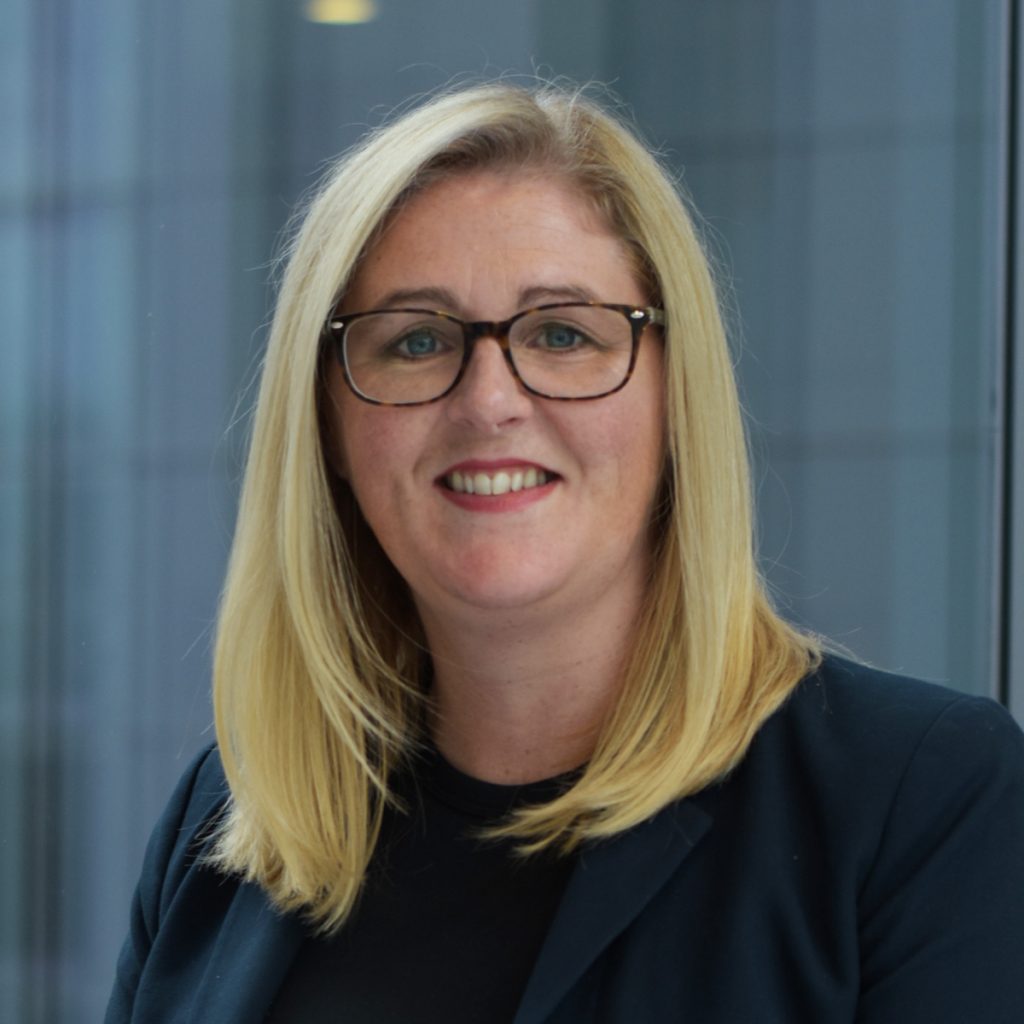
‘Upswing’ in patient partnership presents opportunities for impact, says new PFAC chair
Beth Ciavaglia takes over as chair of OICR’s Patient and Family Advisory Council (PFAC) with plans to harness an exciting time for patient partnership.
With engaged patient partners and a supportive organization, Beth Ciavaglia says OICR’s Patient and Family Advisory Council (PFAC) is poised to make its mark on cancer research in Ontario.
That’s why she put her name forward to become PFAC chair when outgoing chair Diana Lemaire announced she was stepping down earlier this year.
Ciavaglia has been a PFAC member since the council launched back in early 2021. As a breast cancer survivor, physiotherapist and long-term care administrator she brings a unique perspective to the group.
She says her experience with PFAC so far has surpassed her expectations. She has always felt welcomed into the OICR community and felt her input was appreciated by researchers.
“There is an intentionality to how OICR involves PFAC in all aspects of its work, and our involvement has never felt performative,” Ciavaglia says.
Though not every organization has embraced patient partnership equally, she says she has seen a lot of progress recently. The infrastructure for patient partnership has matured across Canada and there are more and more opportunities for patients to shape the health system.
“I feel like patient partnership is really on the upswing, and PFAC is perfectly positioned to be leaders in this space,” she says.
Ciavaglia credits her predecessor Lemaire, inaugural chair Antonia Palmer, her other patient partner colleagues and OICR’s staff and executive for laying the groundwork for authentic patient partnership.
Lemaire, who is staying on as PFAC member, agrees that people are the group’s biggest strength.
“The best part of my time as chair has been working with such extraordinary people,” she says. “It has been an honour to lead OICR’s PFAC and I believe that our council has made significant contributions to advancing patient partnership across the organization.”
To build on this foundation, Ciavaglia wants to continue fostering trust among OICR patient partners. That includes PFAC as well as OICR’s Patient Community, a growing network of patients that Ciavaglia says is a tremendous asset.
“I am excited about how we are growing our patient partnership community, not just by volume, but by giving everyone a real opportunity to make an impact,” she says.
Nearly four years since being diagnosed with cancer, Ciavaglia says working with OICR has given her hope as a cancer survivor and patient advocate.
“It really has been a pleasure to be involved,” she says. “There are a few silver linings that I have found as a cancer survivor, and this is one of them.”
The Next Generation: Hector Gonzalez Alvarez
PhD candidate contributes to drug discovery collaboration targeting childhood brain cancer.
For Hector Gonzalez Alvarez, a career in cancer research is a way to create hope for families just like his.
Gonzalez is a fourth-year PhD student on OICR’s Drug Discovery team, where he works with Dr. Rima Al-awar on potential therapeutics for childhood brain cancer.
While chemistry has always interested Gonzalez academically, studying cancer therapeutics is extra meaningful because his of his family’s experiences with cancer.
“I’ve personally seen the struggles that cancer patients and their families have to go through,” says Gonzalez, who grew up and earned his undergraduate degree in Mexico. “I took this as strong motivation to join the cancer research community.”
There are currently no drugs to treat DIPG, which is a particularly aggressive tumour that affects young children. Gonzalez hopes his work can help expand knowledge of DIPG’s biology and one day lead to effective treatment options for DIPG.
“I hope that at some point one of these compounds will become a clinical candidate and will bring some hope to children and to their families.”
International Women’s Day: How can we build momentum for women in STEM?
With International Women’s Day approaching on March 8, Dr. Michelle Brazas, Associate Director, Adaptive Oncology, shares her perspective on the contributions of women to science, challenges faced by women working in research and ways to break down these barriers.
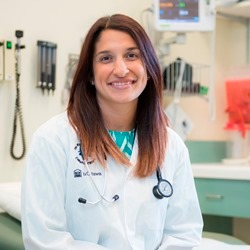
The Next Generation: Kimberly Skead
Rising star cancer researcher is leading a cutting-edge study and supporting other up-and-coming scientists
Kimberly Skead says it’s a very exciting time to be cancer research trainee. And she’s certainly making the most of it.
Skead is a University of Toronto PhD candidate based in Dr. Philip Awadalla’s OICR lab, where she is leading cutting-edge research to understand how changes in our DNA affect our risk of cancer. She also serves as National Scientific Coordinator of the Canadian Partnership for Tomorrow’s Health (CanPath), where she plays a key role in the country’s largest population cohort study.
Beyond her own research, Skead is also empowering other up-and-coming researchers. She co-leads the Ontario Rising Stars in Cancer Research Network, which connects and supports trainee cancer researchers across the province.
As she nears the end of her PhD studies, Skead says she’s excited for all the opportunities ahead of her and her fellow trainees. With increased collaboration between public and private sector researchers, she says there are more chances than ever to make an impact.
“We can start asking questions we’ve never been able to ask before,” says Skead, “and hopefully advance our progress toward a cure for cancer.”
OICR researchers join Lancet commission to tackle inequities in precision cancer care
Dr. Mélanie Courtot and Dr. Lincoln Stein will investigate ways to overcome barriers to sharing and integrating global genomics data.
An international effort to harness genomics data and spread precision cancer care around the world launched this week and two OICR researchers will play key roles.
Dr. Mélanie Courtot and Dr. Lincoln Stein join a team of experts on the Lancet Oncology Commission focused on cancer genomics and precision oncology, which will investigate barriers to accessing genomics-driven cancer diagnostics and therapies — particularly in low- and middle-income countries — and present practical solutions to overcome them.
Recent discoveries about how DNA variants affect our risk of cancer and response to medications, and new technologies to test for these variants, have allowed for cancer treatment to be tailored to a patient’s specific genetic makeup. But the technology and data needed to personalize cancer care is not available to most of the world, challenged by logistical, regulatory and financial barriers.
“This commission has the ambitious goal of improving the lives of people affected by cancer and their families and driving the evolution of precision oncology over the next decades,” Dr. Raffaella Casolino, who co-leads the commission with her University of Glasgow colleague Dr. Andrew Biankin, said in a news release.
Led by the University of Glasgow, the commission will involve organizations including the European Society for Medical Oncology (ESMO), the International Agency for Research on Cancer (IARC/WHO), Latin American Cooperative Oncology Group (LACOG), African Organisation for Research and Training in Cancer, the Asian Oncology Society (AOS), the Global Alliance for Genomic and Health (GA4GH), the International Quality Network for Pathology (IQN Path), the U.S. Food and Drug Administration (FDA), and many others.
For the Lancet commission, Courtot and Stein will lead a working group on data processing, which will explore technical solutions to improve genomics data sharing and integration across the world. They are also both co-authors of the Lancet paper announcing the commission.
Courtot says it’s critical that genomic data sets are representative of the global population. “If we want more equitable cancer care for eight billion people around the world, the diversity of our data will need to be expanded and worldwide data will need to be integrated,” she says.
Stein says there are several regulatory and ethical challenges that will need to be overcome. “One of the biggest challenges of moving data across borders is balancing patient confidentiality against the benefits of doing research with large data sets.” he says. “We’ll be looking at technical solutions, such as federated learning models, which could allow for data analysis without having to move the data around.”
Other working groups will focus on overcoming challenges in clinical translation, ethics, implementation, education and training. The commission’s findings and recommendations will be widely distributed in The Lancet.
How research is helping “close the care gap” in cancer
OICR-supported researchers are helping understand inequities in cancer care and finding solutions to address them.
Research has brought about major advancements in detecting, diagnosing and treating cancer that are helping patients live longer and better than ever.
But the benefits of these innovations are not felt equally. Unacceptable gaps exist between different regions and socioeconomic groups that perpetuate disparities in cancer outcomes, even in wealthy countries like Canada and the U.S.
Some disparities are the result of genetic differences in people’s susceptibility to cancer, while others are related to social, economic and environmental factors. But more data is needed to fully understand inequities and how to address them.
So as the global community comes together to “close the care gap” on World Cancer Day, researchers have a unique role to play.
OICR is one of many cancer research organizations working to close the care gap by promoting diversity in science and prioritizing studies that tackle inequities head on.
Here are just a few ways OICR-supported researchers are doing their part:
Spears and colleagues will compare genomic data between Black and Asian women and other communities to understand the role ethnicity plays in the genes that drive breast cancer. This help provides insights on into how ethnicity affects a woman’s risk of breast cancer, why certain treatments may not be as effective for Black or Asian women, and which treatments could work better for them.
“We are investigating the impact of ethnicity in the biology of breast cancer and developing personalized tools to diagnose and treat Black and Asian women that will help make breast cancer care more equitable.” – Dr. Melanie Spears, Co-Director of Diagnostic Development at OICR
While new discoveries about the relationship between DNA and cancer can help screen high-risk populations and pinpoint the right treatment options, Bombard says racialized communities don’t have the same access to genetic services as people of European descent. These communities are less likely to be referred for genetic testing and more likely to receive a misdiagnosis because they are not adequately represented in the genetic databases the tests are built on.
“Genomics has enormous potential to transform cancer care, but only if genomic services are accessible by everyone. By digging deeper to understand why and how certain populations are underserviced, we can close the current gaps in genomic medicine and make sure the entire population benefits.” – Dr. Yvonne Bombard, Scientist at Unity Health and OICR Associate
Health inequities are caused by both genetic and environmental factors, and CanPath is Canada’s largest population cohort study exploring how genetics, environment, lifestyle and behaviour contribute to cancer and other chronic diseases. The study recently launched a plan to become more representative of Canada’s population by recruiting new participants from historically underrepresented populations and working with leaders in remote communities. By better reflecting the ethnic and geographic diversity in Canada, CanPath can provide even more insight on how cancer develops and why different groups experience cancer differently.
CAR-T cell therapy is one of the most exciting recent innovations in cancer treatment, where a patient’s immune system is “trained” to find and kill cancer cells. It has given hope to cancer patients who have not responded to other treatment options, but many Canadians have had to travel internationally and spend hundreds of thousands of dollars to access it.
“By creating domestic manufacturing and clinical trial sites across Canada for CAR-T cells through the CLIC platform, we are closing this gap by bringing more Canadians all across Canada access to this innovative and potentially life-saving therapy.” – Dr. Natasha Kekre, Scientist and Hematologist at The Ottawa Hospital
Participating in a clinical trial is an important avenue for cancer patients to access promising new treatments. But only about seven per cent of Canadians with cancer end up enrolling in a clinical trial, and the rate is even lower in small cancer centres, which usually run fewer trials than larger hospitals. Hamm’s Clinical Trial Navigators program gives patients dedicated support to help find clinical trials they may not have otherwise known about. The program’s pilot phase focused on smaller communities, which typically have less access to clinical trials, and the program has since been expanded to help make clinical trial participation more equitable across all of Canada.
“The program is helping to close a significant gap in cancer care by facilitating the identification of meaningful clinical trial options for cancer patients and their physicians and guiding them through the processes of accessing these clinical trials.” – Dr. Caroline Hamm, Medical Oncologist at Windsor Regional Hospital and Director of Windsor Cancer Research Group
For people in remote communities, participating in a clinical trial often means dedicating huge amounts of time and money. But the Canadian Remote Access Framework for Clinical Trials (CRAFT) aims to close that gap in access by supporting the creation of ‘satellite sites’ for clinical trials in smaller communities, so that people across the country can take part. The program was recently piloted with Health Sciences North in Sudbury, which worked to develop a clinical trials satellite site 300 kilometres to the north in Timmins.
“Nearly 50 per cent of the patients treated with cancer therapies in the Northeastern Ontario region live too far away from our centre to access any clinical trial opportunities. With the skills and groundwork provided by the CRAFT framework, we aim to make clinical trials more accessible to all of our patients.” – Dr. Lacey Pitre, Medical Oncologist, Health Sciences North.
Researchers are conducting research more equitably
Research itself faces challenges of social, ethnic and economic disparities, but researchers can make a concerted effort to overcome these inequities. OICR has launched a Commitment to Equity, Diversity and Inclusion in Research to ensure that principles of equity shape how we recruit investigators and research teams, how we design research projects and how we decide which research to fund. We are also providing training and supports to help researchers design studies with equity in mind.
Dr. Laszlo Radvanyi
OICR is also engaging patient partners, who bring critical perspectives on inclusiveness, to ensure we put the diverse needs of patients at the centre of our research.
“Having greater diversity in the people conducting research and the people participating in studies as well as engaging a diverse patient partners can help ensure data is representative of the entire population and bring about better cancer care for everyone.” – Dr. Laszlo Radvanyi, President and Scientific Director of OICR
Find out more about World Cancer Day and do your part to help close the care gap in cancer.
This website uses cookies in order to optimize the user’s experience. To learn more about how we use cookies on this website, please review our Website Privacy Statement. Your browser settings may allow you to turn off cookies. By continuing to use our website site without changing your browser settings, you consent to our use of cookies in accordance with Website Privacy Statement
This website uses cookies to improve your experience while you navigate through the website. Out of these, the cookies that are categorized as necessary are stored on your browser as they are essential for the working of basic functionalities of the website. We also use third-party cookies that help us analyze and understand how you use this website. These cookies will be stored in your browser only with your consent. You also have the option to opt-out of these cookies. But opting out of some of these cookies may affect your browsing experience.
Necessary cookies are absolutely essential for the website to function properly. These cookies ensure basic functionalities and security features of the website, anonymously.
Cookie
Duration
Description
cookielawinfo-checkbox-analytics
11 months
This cookie is set by GDPR Cookie Consent plugin. The cookie is used to store the user consent for the cookies in the category "Analytics".
cookielawinfo-checkbox-functional
11 months
The cookie is set by GDPR cookie consent to record the user consent for the cookies in the category "Functional".
cookielawinfo-checkbox-necessary
11 months
This cookie is set by GDPR Cookie Consent plugin. The cookies is used to store the user consent for the cookies in the category "Necessary".
cookielawinfo-checkbox-others
11 months
This cookie is set by GDPR Cookie Consent plugin. The cookie is used to store the user consent for the cookies in the category "Other.
cookielawinfo-checkbox-performance
11 months
This cookie is set by GDPR Cookie Consent plugin. The cookie is used to store the user consent for the cookies in the category "Performance".
viewed_cookie_policy
11 months
The cookie is set by the GDPR Cookie Consent plugin and is used to store whether or not user has consented to the use of cookies. It does not store any personal data.
Functional cookies help to perform certain functionalities like sharing the content of the website on social media platforms, collect feedbacks, and other third-party features.
Performance cookies are used to understand and analyze the key performance indexes of the website which helps in delivering a better user experience for the visitors.
Analytical cookies are used to understand how visitors interact with the website. These cookies help provide information on metrics the number of visitors, bounce rate, traffic source, etc.
Advertisement cookies are used to provide visitors with relevant ads and marketing campaigns. These cookies track visitors across websites and collect information to provide customized ads.
Other uncategorized cookies are those that are being analyzed and have not been classified into a category as yet.
This website uses cookies in order to optimize the user’s experience. To learn more about how we use cookies on this website, please review our Website Privacy Statement. Your browser settings may allow you to turn off cookies. By continuing to use our website site without changing your browser settings, you consent to our use of cookies in accordance with Website Privacy Statement