
OICR’s reputation as leader in managing and analyzing big data has grown over the past year as the Institute has worked with private and public partners to bring more genomic and health data to the cloud.
Receive the latest news, event invites, funding opportunities and more from the Ontario Institute for Cancer Research.

OICR’s reputation as leader in managing and analyzing big data has grown over the past year as the Institute has worked with private and public partners to bring more genomic and health data to the cloud.
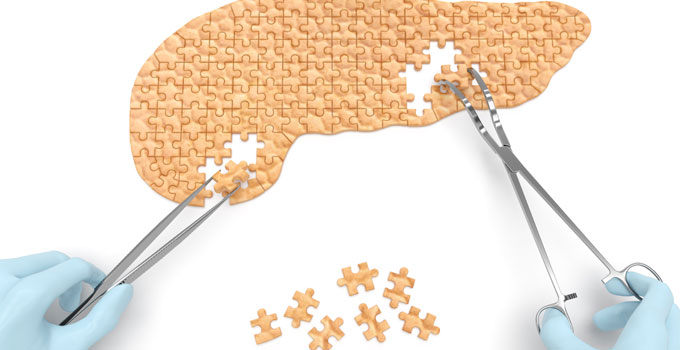
Pancreas cancer is one of the most aggressive and deadly forms of the disease. According to the Canadian Cancer Society, only 8 percent of pancreas cancer patients survive more than five years after diagnosis. OICR’s PanCuRx Translational Research Initiative has recently published the results of an international collaboration that increases understanding of this complex disease and how to treat it based on a patient’s unique profile.

Prostate cancer is the most common cancer in Canadian men and while it has been the focus of extensive research, an estimated 4,000 Canadians die of the disease each year. That is why six years ago Dr. Paul Boutros and Dr. Rob Bristow set out to sequence the normal and diseased tissue of 350 patients and learn from a clinical perspective how genomic information can be used to guide better treatment.
Open source tools like Wikipedia and Google Maps help us get things done faster in our daily lives. In the same way, researchers rely on a variety of open source tools to help them make discoveries faster. Reactome (www.reactome.org) is one such tool. Researchers use it because it relates human genes, proteins and other biomolecules to the biological pathways and processes in which they participate, helping to facilitate new cancer research breakthroughs. Earlier this month Reactome reached a major milestone when it released its 10,000th annotated human protein to the research community. We spoke to OICR’s Dr. Robin Haw, who is Project Manager and Outreach Coordinator at Reactome, about the history of the project, the importance of this particular milestone and where the project is headed next.
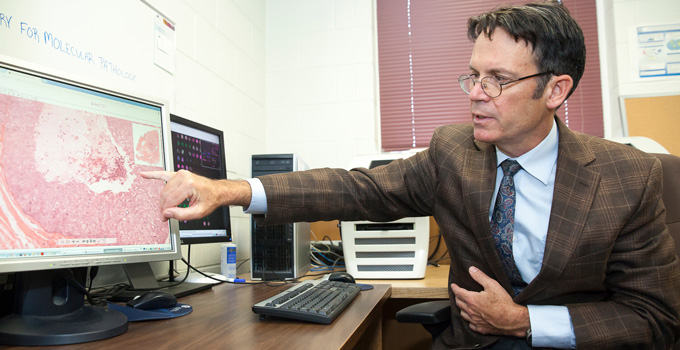
Dr. David LeBrun is heading up the Ontario Molecular Pathology Research Network (OMPRN), which was announced at the end of September. It will be funded by OICR, based at Queen’s University and will include pathologists from across the province.
Prostate cancer is a complex disease. In a clinical setting it can be hard for doctors to accurately predict outcomes for prostate cancer patients, especially for those deemed to be at an intermediate risk of recurrence. With intermediate risk cancers, unlike those that are high or low risk, it is unclear how the cancer will develop. This makes it difficult to choose exactly the right therapy and avoid unnecessary treatments and their associated side effects.
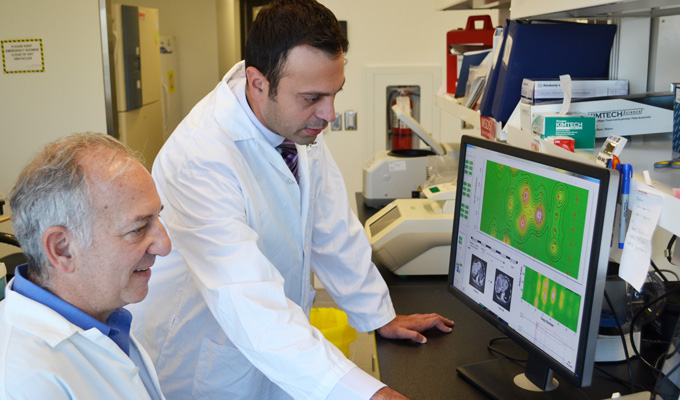
The findings provide important insights into how pancreas cancer develops and spreads and new strategies for better understanding one of the mostly deadly types of cancer.
Toronto (October 12, 2016) – Researchers in the multidisciplinary PanCuRx research initiative at the Ontario Institute for Cancer Research (OICR) and University Health Network’s Princess Margaret Cancer Centre, led by Dr. Faiyaz Notta and Dr. Steven Gallinger, today published new findings that challenge current beliefs about how and why pancreas cancer is so aggressive.
The data are being shared with the wider biological research community to help in the development of new therapies for diseases like cancer.
Toronto (October 6, 2016) – The European Bioinformatics Institute (EMBL-EBI), the New York University School of Medicine and the Ontario Institute for Cancer Research (OICR) today announced a major milestone in the Reactome project: the annotation and release of its 10,000th human protein, making it the most comprehensive open access pathway knowledgebase available to the scientific community.
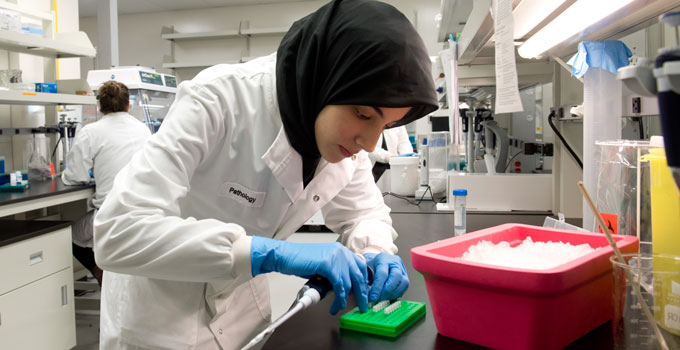
Ontario has some of the finest cancer researchers in the world who are developing new cancer therapies, diagnostic tools and other anti-cancer technologies. When these novel products make their way into clinical use they improve outcomes for cancer patients and reduce the cancer burden on society.
FACIT IN THE NEWS
Elevating Ontario’s Innovation Ecosystem
Strengthening the province’s capacity to commercialize oncology breakthroughs
From Biotechnology Focus
OICR IN THE NEWS
Genomic Data Commons
Multiple Myeloma Research Foundation to Contribute to NCI’s Genomic Data Commons\
From GenomeWeb (free registration required)
Ontario Molecular Pathology Research Network
Queen’s forms Ontario-wide cancer research network
From CKWS
Cracking cancer’s code
From the Queen’sgazette
News Release – Queen’s to lead new pathology research network
From Queen’s University