Researchers sequence and assemble first full genome of a living organism using technology the size of smartphone

Dr. Simpson.

Genome sequencers today are extremely powerful devices found in labs around the world (including labs here at OICR). They are reshaping how we see cancer and providing the roadmap for future, more personalized treatments. Most are also extremely large – about the size of a small oven – expensive and stationary.

But new technology is emerging that will change this. A device called the MinIONTM, which has been developed by Oxford Nanopore Technologies over the last decade, is a sequencer that fits in the palm of your hand and can be plugged into a laptop using a conventional USB cable, like you would plug in a camera or a phone. The technology is still in early stages, but has enormous potential for genomic sequencing and, eventually, for human health.

(more…)

Building the foundations for Cancer Genomic Analysis for Research and Clinical Diagnostics

  • A study published in the prestigious journal Nature Communications revealed a high degree of heterogeneity in how cancer genome sequencing is done at different institutions across the globe;
  • This result lays the foundation for the coming era of cancer genomics by creating guidelines and providing new tools for achieving higher quality data, for better diagnosis and precision medicine;
  • The Centro Nacional de Analisis Genómico (CNAG-CRG) and the German Cancer Research Center (DKFZ) took leading roles in this international effort by 78 different institutions.

BARCELONA, Dec. 9, 2015 /CNW/ – An eye-opening article from the International Cancer Genome Consortium (ICGC) was published today in the prestigious journal Nature Communications. It lays a foundation for the coming era of research in cancer genomics. The project, led by the Centro Nacional de Analisis Genómico (CNAG-CRG) and the German Cancer Research Center (DKFZ) is the result of an effort to create reliable standards to obtain accurate results in the detection of somatic mutations, which are a hallmark of cancer genomes. Somatic mutations are genetic alterations spontaneously acquired by a cell that can be passed to the progeny of the mutated cell in the course of cell division and tumour growth. Somatic mutations differ from germline variants, which are inherited from parents to children.

The study, involving 83 researchers from 78 research institutions participating in the International Cancer Genomics Consortium, identified big differences in procedures and quality of cancer genome sequencing between sequencing centers. This led to dramatic discrepancies in the number and types of gene mutations detected when using the same cancer genome sequences for analysis. Out of >1,000 confirmed somatic single-base mutations in the cancer genome analyzed, only 40 per cent were unanimously identified by all participating teams. Small insertions or deletions in the DNA sequence were even more challenging – only a single somatic insertion/deletion mutation out of 337 was identified in all centres (0.3 per cent). As a consequence, the Consortium has established a reference mutation dataset to assess analytical procedures. The ‘gold-set’ reference database has helped the ICGC community to improve procedures for identifying more true somatic mutations in cancer genomes while making fewer false positive calls.

As whole genome sequencing of cancer genomes is increasingly being used as a clinical tool, full understanding of the variables affecting sequencing analysis output quality is required. The key points to consider and the necessary tools for improvement are provided here. “The findings of our study have far-reaching implications for cancer genome analysis. We have found many inconsistencies in both the sequencing of cancer genomes and the data analysis at different sites. We are making our findings available to the scientific and diagnostic community so that they can improve their systems and generate more standardized and consistent results,” says Ivo Gut, senior author of the publication and director of the CNAG-CRG in Barcelona.

David Jones, a Senior Scientist at the DKFZ who co-led the study, commented that “as the latest technological advances in cancer genome analysis become more widely available to support personalized cancer medicine, it is vitally important that rigorous quality testing is applied to ensure accuracy and consistency of results. We hope that our study can provide a framework for this process, to help researchers in providing the best possible analysis of patients’ samples.”

Tom Hudson, President and Scientific Director of the Ontario Institute for Cancer Research (OICR) declared that “At the founding of the ICGC, members of the Consortium agreed that the guidelines for “best practices” could be revised as needed to adapt to new technologies and knowledge. This benchmarking exercise gives the research community gained confidence in calling and verifying somatic mutations – a step forward to improve clinical decisions based on genomic analyses.”

The promise of cancer genomics relies on accurate and robust detection of mutations affecting DNA,” said Dr. Jared Simpson, Principal Investigator in OICR’s Informatics and Bio-computing Program. “This paper helps us track progress on this important problem by both identifying the strengths of our current approaches and where further work is needed.”

This project really demonstrates that while new technologies can bring challenges in data quality and data analysis, when the international community comes together in a collaborative way these can rapidly become results,” said Dr. Paul Boutros, Principal Investigator in OICR’s Informatics and Bio-computing Program. “The results of this collaboration are going to significantly improve the quality of sequencing and data analysis we do here at OICR, for example as part of the Canadian Prostate Cancer Genome Network.”

The context
The International Cancer Genome Consortium is an international effort to establish a comprehensive description of genomic, transcriptomic and epigenomic changes in 50 different tumour types and/or subtypes which are of clinical and societal importance across the globe. The ICGC is characterizing over 25,000 cancer genomes from many forms of cancer. There are 78 projects supported by different national and international funding agencies. For this project, two different types of cancer genomes were studied: chronic lymphocytic leukemia and medulloblastoma (a malignant pediatric brain tumour arising in the cerebellum). Spain’s contribution to the ICGC is on chronic lymphocytic leukemia (CLL) with a consortium led by Dr. Elías Campo and Dr. Carlos López-Otín from the Hospital Clínic de Barcelona, and the University of Oviedo, respectively, with other partners including the Hospital of Salamanca, the Barcelona Supercomputing Center, the Catalan Institute of Oncology, the National Cancer Research Center and the CNAG-CRG. The genomic research on medulloblastoma and pilocytic astrocytoma (another common pediatric brain tumour), is being conducted by the “PedBrain Tumor Research Project”, the first German contribution to the ICGC. In this research project, where the German Cancer Research Center (DKFZ) plays a key role, the entire tumour genome of a patient is analyzed and compared to the normal genome of the same patient to decipher the molecular causes for these types of cancer. The PedBrain Tumor Research Project started in early 2010 and is a collaborative effort between the DKFZ, the NCT, Heidelberg University, the University Clinics in Heidelberg and Düsseldorf, the EMBL and the Max-Planck Institute for Molecular Genetics.

The CNAG-CRG
The Centro Nacional de Analisis Genómico (CNAG-CRG) was created on 2009 as a centre of reference for genomics and a key part of the scientific infrastructure required to advance biomedical and genomics research in Catalonia and Spain. Its mission is to carry out genome projects aimed at improving the health and quality of life for people, in collaboration with national and international scientists, to promote Spanish genomics and to ensure its competitiveness in the areas of biomedicine and biology as well as the agrofood sector. With its legal incorporation into the Centre for Genomic Regulation (CRG) on July 1, 2015, these two centres have joined forces to go even further in genome research.

The German Cancer Research Center
The German Cancer Research Center (Deutsches Krebsforschungszentrum, DKFZ) with its more than 3,000 employees is the largest biomedical research institute inGermany. At DKFZ, more than 1,000 scientists investigate how cancer develops, identify cancer risk factors and endeavor to find new strategies to prevent people from getting cancer. They develop novel approaches to make tumor diagnosis more precise and treatment of cancer patients more successful. The staff of the Cancer Information Service (KID) offers information about the widespread disease of cancer for patients, their families, and the general public. Jointly with Heidelberg University Hospital, DKFZ has established the National Center for Tumor Diseases (NCT)Heidelberg, where promising approaches from cancer research are translated into the clinic. In the German Consortium for Translational Cancer Research (DKTK), one of six German Centers for Health Research, DKFZ maintains translational centers at seven university partnering sites. Combining excellent university hospitals with high-profile research at a Helmholtz Center is an important contribution to improving the chances of cancer patients. DKFZ is a member of the Helmholtz Association of National Research Centers, with ninety per cent of its funding coming from the German Federal Ministry of Education and Research and the remaining ten percent from the State of Baden-Württemberg.

The Ontario Institute for Cancer Research
OICR hosts the ICGC’s Secretariat and Dr. Tom Hudson, OICR’s President and Scientific Director, chairs both its Executive Committee and its International Scientific Steering Committee. The data produced by the ICGC project teams are housed on the ICGC website at www.icgc.org and the Data Coordination Centre is based at OICR. More than 14,000 cancer genomes are currently in the ICGC database and are made rapidly available to qualified investigators around the world. As of December 2015, there are commitments from funding organizations in Asia,Australia, Europe, North America and South America for 89 project teams in 17 jurisdictions to study more than 25,000 tumour genomes. OICR has two projects, one on pancreatic cancer and one being conducted on prostate cancer in partnership with Prostate Cancer Canada.

Reference work:
Tyler S. Alioto, Ivo Buchhalter, Sophia Derdak, Barbara Hutter, Matthew D. Eldridge,Eivind Hovig, Lawrence E. Heisler, Timothy A. Beck, Jared T. Simpson, Laurie Tonon,Anne-Sophie Sertier, Ann-Marie Patch, Natalie Jäger, Philip Ginsbach, Ruben Drews, Nagarajan Paramasivam, Rolf Kabbe, Sasithorn Chotewutmontri, Nicolle Diessl, Christopher Previti, Sabine Schmidt, Benedikt Brors, Lars Feuerbach, Michael Heinold, Susanne Gröbner, Andrey Korshunov, Patrick S. Tarpey, Adam P. Butler,Jonathan Hinton, David Jones, Andrew Menzies, Keiran Raine, Rebecca Shepherd,Lucy Stebbings, Jon W. Teague, Paolo Ribeca, Francesc Castro Giner, Sergi Beltran, Emanuele Raineri, Marc Dabad, Simon C. Heath, Marta Gut, Robert E. Denroche, Nicholas J Harding, Takafumi N. Yamaguchi, Akihiro Fujimoto, Hidewaki Nakagawa, Víctor Quesada, Rafael Valdés-Mas, Sigve Nakken, Daniel Vodák, Lawrence Bower,Andrew G. Lynch, Charlotte L. Anderson, Nicola Waddell, John V. Pearson, Sean M. Grimmond, Myron Peto, Paul Spellman, Minghui He, Cyriac Kandoth, Semin Lee,John Zhang, Louis Létourneau, Singer Ma, Sahil Seth, David Torrents, Liu Xi, David A. Wheeler, Carlos López-Otín , Elías Campo, Peter J. Campbell, Paul C. Boutros, Xose S. Puente, Daniela S. Gerhard, Stefan M. Pfister, John D. McPherson, Thomas J. Hudson, Matthias Schlesner, Peter Lichter, Roland Eils, David T. W. Jones, Ivo G. Gut.(2015). A comprehensive assessment of somatic mutation detection in cancer using whole genome sequencing. Nature Communications.

Participant centers:
Centro Nacional de Analísis Genómico (CNAG-CRG, Barcelona, Spain), German Cancer Research Center (DKFZ, Heidelberg, Germany), Cancer Research UK Cambridge Institute (UK), Norwegian Cancer Genomics Consortium (Oslo, Norway),Oslo University Hospital (Norway), University of Oslo (Norway), Ontario Institute for Cancer Research (Canada), Synergie Lyon Cancer Foundation (France), Queensland Centre for Medical Genomics (Australia), QIMR Berghofer Medical Research Institute (Australia), Stanford University (USA), Heidelberg University Hospital (Germany), Wellcome Trust Sanger Institute (Cambridge, UK), RIKEN Center for Integrative Medical Sciences (Tokyo, Japan), Universidad de Oviedo (Spain), The University of Melbourne (Australia), Wolfson Cancer Research Centre (Glasgow, Scotland), Knight Cancer Institute (Portland, USA), BGI-Schenzhen (China), The Genome Institute (St. Louis, USA), Harvard Medical School (Boston, USA), MD Anderson Cancer Center (Houston, USA), McGill University (Quebec, Canada), Institut de Recerca Biomèdica (IRB, Barcelona, Spain) & Barcelona Supercomputing Center (BSC-CNS, Spain), Human Genome Sequencing Center, Hospital Clínic (UB, Barcelona, Spain) & Institut d’Investigacions Biomèdiques August Pi i Sunyer (IDIBAPS, Barcelona, Spain),University of Toronto (Canada), National Cancer Institute (Bethesda, USA).

For further information: Centro Nacional de Análisis Genómico (CNAG-CRG), Dr. Ivo G. Gut, Director of the CNAG-CRG, +34 934020580, mireia.nello@cnag.crg.eu

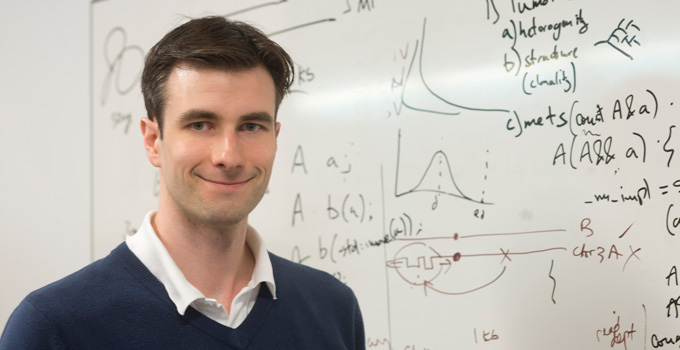
For Dr. Jüri Reimand, data tells a story

Dr. Jüri ReimandThere are many ways to tell a story, but Dr. Jüri Reimand likes to tell stories in a different way – with data. Reimand, a new OICR Investigator in the Informatics and Bio-computing Program, is a computer scientist by training who developed a keen interest in human biology and disease.
While growing up in Estonia, Reimand always had an interest in computers and understanding how they work. This led him to the University of Tartu to pursue a degree in computer science. When nearing the end of his undergraduate studies Reimand was looking for a thesis topic when he happened to meet a “young, kind of cool professor” who was working to set up a bioinformatics program from scratch. Reimand joined his team and worked to interpret large-scale data and gene lists.

(more…)

FACIT Gains Rights to WDR5 Inhibitors for MLL Leukemia

First-in-class epigenetic modifiers discovered by OICR positioned for collaborative development

TORONTO, Dec. 8, 2015 /CNW/ – Fight Against Cancer Innovation Trust (“FACIT”) announced the acquisition of exclusive rights to a portfolio of first-in-class WDR5 inhibitors for the treatment of mixed lineage leukemia (MLL).  A series of proprietary small molecule inhibitors were optimized based on the discovery of a chemical probe for WDR5.  The original WDR5 probe (OICR-9429) was developed by drug discovery scientists at the Ontario Institute for Cancer Research (“OICR”), Structural Genomics Consortium (“SGC”) and other collaborators.  As with other technologies within the portfolio, FACIT will be responsible for stewarding commercialization activities for the assets and leveraging development expertise within the OICR network.

MLL1 deregulation is reported in both acute lymphoblastic leukemia (ALL) and acute myeloid leukemia (AML), and is also common in a variety of solid cancers. The WDR5 protein is critical for the formation and epigenetic activities of MLL1-associated methylation complexes. The series of epigenetic modifiers discovered by OICR target protein-protein interactions within the WDR5/MLL1 complex, and thereby disrupts methylation activities.

“Mixed Lineage Leukemia is an aggressive childhood cancer, making the team highly motivated to accelerate the development of these first-in-class WDR5 inhibitors.  We are currently exploring opportunities with strategic pharmaceutical partners, investors and of course, ongoing work with the innovative drug discovery scientists at OICR,” said Jeff Courtney, Chief Commercial Officer of FACIT.

“With the growing recognition of the importance of epigenetic signalling, potent and selective small molecules targeting the WDR5/MLL1 interface present a potential therapeutic intervention in leukemias and some p53/myc-driven cancers.  Upcoming healthcare conferences are a timely opportunity to implement our partnering strategy for this promising set of inhibitors as we seek to leverage private sector investment,” remarked David O’Neill, Vice President of Business Development at FACIT.

About WDR5
WDR5 is a scaffolding protein essential for assembly of epigenetic MLL1-associated methyltransferase complexes and proper histone modification, the dysregulation of which is strongly implicated in MLL leukemia. In addition to its importance in MLL leukemia, deregulation of WDR5 itself has been observed in bladder cancer, where overexpression correlates with poor patient survival. MLL1 mutations are common in a variety of solid cancers, including breast, colon, lung, and bladder.

About OICR
OICR is an innovative cancer research and development institute dedicated to prevention, early detection, diagnosis and treatment of cancer. The Institute is an independent, not-for-profit corporation, supported by the Government of Ontario. OICR and its funding partners support research programs that involve more than 1,700 investigators, clinician scientists, research staff and trainees in research institutes and in universities across the Province of Ontario as well as at its headquarters. OICR has key research program efforts underway in small molecules, biologics, stem cells, imaging, genomics, informatics and bio-computing. For more information, please visit the website at www.oicr.on.ca.

About FACIT
FACIT (Fight Against Cancer Innovation Trust) is an independent business entity established by the Ontario Institute for Cancer Research (OICR)  to undertake and accelerate development and commercialization activities related to breakthrough cancer research, products and drug discovery from OICR and throughout Ontario. For more information, please visit the website at facit.ca or email info@facit.ca.

FACIT Gains Rights to WDR5 Inhibitors for MLL Leukemia

First-in-class epigenetic modifiers discovered by OICR positioned for collaborative development

TORONTO, Dec. 8, 2015 /CNW/ – Fight Against Cancer Innovation Trust (“FACIT”) announced the acquisition of exclusive rights to a portfolio of first-in-class WDR5 inhibitors for the treatment of mixed lineage leukemia (MLL).  A series of proprietary small molecule inhibitors were optimized based on the discovery of a chemical probe for WDR5.  The original WDR5 probe (OICR-9429) was developed by drug discovery scientists at the Ontario Institute for Cancer Research (“OICR”), Structural Genomics Consortium (“SGC”) and other collaborators.  As with other technologies within the portfolio, FACIT will be responsible for stewarding commercialization activities for the assets and leveraging development expertise within the OICR network.

MLL1 deregulation is reported in both acute lymphoblastic leukemia (ALL) and acute myeloid leukemia (AML), and is also common in a variety of solid cancers. The WDR5 protein is critical for the formation and epigenetic activities of MLL1-associated methylation complexes. The series of epigenetic modifiers discovered by OICR target protein-protein interactions within the WDR5/MLL1 complex, and thereby disrupts methylation activities.

“Mixed Lineage Leukemia is an aggressive childhood cancer, making the team highly motivated to accelerate the development of these first-in-class WDR5 inhibitors.  We are currently exploring opportunities with strategic pharmaceutical partners, investors and of course, ongoing work with the innovative drug discovery scientists at OICR,” said Jeff Courtney, Chief Commercial Officer of FACIT.

“With the growing recognition of the importance of epigenetic signalling, potent and selective small molecules targeting the WDR5/MLL1 interface present a potential therapeutic intervention in leukemias and some p53/myc-driven cancers.  Upcoming healthcare conferences are a timely opportunity to implement our partnering strategy for this promising set of inhibitors as we seek to leverage private sector investment,” remarked David O’Neill, Vice President of Business Development at FACIT.

About WDR5
WDR5 is a scaffolding protein essential for assembly of epigenetic MLL1-associated methyltransferase complexes and proper histone modification, the dysregulation of which is strongly implicated in MLL leukemia. In addition to its importance in MLL leukemia, deregulation of WDR5 itself has been observed in bladder cancer, where overexpression correlates with poor patient survival. MLL1 mutations are common in a variety of solid cancers, including breast, colon, lung, and bladder.

About OICR
OICR is an innovative cancer research and development institute dedicated to prevention, early detection, diagnosis and treatment of cancer. The Institute is an independent, not-for-profit corporation, supported by the Government of Ontario. OICR and its funding partners support research programs that involve more than 1,700 investigators, clinician scientists, research staff and trainees in research institutes and in universities across the Province of Ontario as well as at its headquarters. OICR has key research program efforts underway in small molecules, biologics, stem cells, imaging, genomics, informatics and bio-computing. For more information, please visit the website at www.oicr.on.ca.

About FACIT
FACIT (Fight Against Cancer Innovation Trust) is an independent business entity established by the Ontario Institute for Cancer Research (OICR)  to undertake and accelerate development and commercialization activities related to breakthrough cancer research, products and drug discovery from OICR and throughout Ontario. For more information, please visit the website at facit.ca or email info@facit.ca.

The call for a cloud commons in genomics

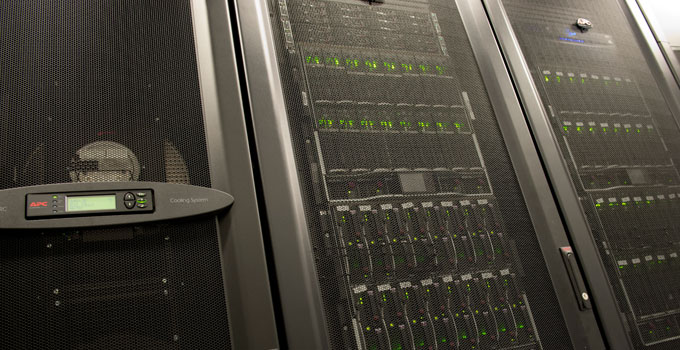
Cloud Computing - Servers

The amount of genomics data produced today is enormous and challenges in accessing that vast amount of data are increasingly blocking the ability for scientists to perform their research. There is a growing consensus that cloud storage for genomic data makes research far more accessible than traditional methods of storing it locally. In a major shift earlier this year, the National Institutes of Health (NIH) removed its nearly decade-long ban on storing genomic data in the cloud, which was seen by many as a major step forward in the shift toward cloud computing in genomics.

(more…)

OICR Investigator profile: Dr. Philip Awadalla

Dr. Philip AwadallaThe rise of genomics has provided scientists in many fields with insights that would not have been possible only a couple of decades ago. When Dr. Philip Awadalla first became interested in molecular genetics and evolution, genome technologies were just beginning to come to the fore.
“We didn’t have a human genome sequenced yet – the Human Genome Project was not completed – and we were still trying to answer very basic questions, like how many genes do humans have or which genes are important,” says Awadalla, who recently joined OICR as a Principal Investigator. “However, these basic questions are important, because both genomics and the mathematical models for understanding how it functions are the underpinning of all the tools we use in every field of genomics. You can’t understand how a genome works unless you understand where it came from.”

(more…)

OICR community marks 35th anniversary of Terry Fox’s Marathon of Hope

Terry Fox head shave participants.The Great Canadian Hair “Do” in support of the Terry Fox Foundation (TFF) has grown to become a fall tradition at OICR and MaRS and this year’s edition was one of the most successful yet. Fourteen brave individuals either shaved their heads or had their hair coloured and styled in wild-looking “Dos”. A few of the participants donated their hair to make wigs for cancer patients. Justin Lewis, a survivor of colon cancer, attended and shared his experience with cancer with the audience and spoke about the importance of fundraising and research. Francis D’Souza of CityTV once again acted as MC. This year’s team shattered their fundraising goal of $10,000 by hauling in a total of $12,950.

(more…)

OICR’s Tom Hudson named Chair of Global Alliance for Genomics and Health Steering Committee

Global Alliance LogoOn October 6, at the 2015 Annual Meeting of the American Society of Human Genetics, Dr. Tom Hudson, President and Scientific Director of the Ontario Institute for Cancer Research, assumed the role of Chair of the Global Alliance for Genomics and Health (GA4GH) Steering Committee, succeeding Dr. David Altshuler. Altshuler has served as Chair since GA4GH was established in 2013, and will remain as a member of the Steering Committee.

“Just over two years ago, a group of leaders from around the globe came together to enable the responsible sharing of genomic and clinical data. Tom was a key contributor from the start, and with his help, GA4GH has made substantial progress,” Altshuler said. “I cannot think of a better person to lead the Steering Committee.”

The role of the Steering Committee is to make high-level decisions about the direction, values, and working products from the GA4GH. GA4GH is a community of individuals and world-leading organizations working together to create interoperable tools and approaches to enable genomic and clinical data sharing. More information about GA4GH can be found at www.genomicsandhealth.org.

The International Cancer Genome Consortium brings more genomic health data to researchers on the Amazon Web Services Cloud

Toronto – (November 18, 2015) The International Cancer Genome Consortium (ICGC) announced today that 1,200 encrypted cancer whole genome sequences are now securely available on the Amazon Web Services (AWS) Cloud for access by cancer researchers worldwide.

The Ontario Institute for Cancer Research (OICR), which houses the ICGC’s Data Coordination Center (DCC), copied ICGC genome data onto the AWS Cloud and is providing authorized researchers with credentials to access and analyze the data using secure mechanisms. The ICGC Data Access Compliance Office has established a framework that protects the confidentiality of research participants while working to ensure that the research will benefit future cancer patients.

The newly launched initiative means one of the world’s largest collections of cancer genome data is now more easily accessible to qualified researchers, which will enhance collaboration and potentially accelerate the development of new treatments for cancer patients.

Cloud solutions have become essential to genomics research because of the vast amount of data produced by researchers and the difficulties inherent in transferring such large datasets between sites. Projects can quickly grow to several petabytes in size, with each petabyte being the equivalent of data on 223,000 DVDs. Very few institutions around the world have the capacity to download such immense datasets for analysis, and this has limited the number of researchers who can access genome projects and the scope of what can be done with the data.

With cloud computing, researchers don’t need to download data. They can work with data and run experiments in the cloud, a flexible network of servers on the Internet, and access data in minutes rather than months. Data stored in the cloud has been shown to be as secure, if not more so, than data downloaded to local servers and hard drives. The set of 1,200 genomes now available on AWS is the first installment of ICGC data to be posted and is expected to grow several fold over the next 12 months with the addition of data from more cancer patients.

“This initiative brings together one of the world’s largest cancer genome datasets and one of the world’s leading cloud computing providers to create a powerful new resource for cancer researchers,” said Dr. Lincoln Stein, Director of the Informatics and Biocomputing Program at the Ontario Institute for Cancer Research and Director of the ICGC’s Data Coordination Center. “Now, far more researchers will have access to ICGC data, opening up the possibility of new discoveries and new breakthroughs in cancer research.”

The Pan-Cancer Analysis of Whole Genomes (PCAWG) project of the ICGC and The Cancer Genome Atlas (TCGA) is coordinating analysis of more than 2,800 cancer genomes, and is making extensive use of AWS and the genomes stored on Amazon Simple Storage Service (Amazon S3). Each genome is being characterized through a suite of standardized algorithms, including alignment to the reference genome, uniform quality assessment, and the calling of multiple classes of somatic mutations. Scientists participating in the research projects of PCAWG are addressing a series of fundamental questions about cancer biology and evolution based on these data.

“Making this data available and usable will enable more researchers across the world to ask questions and get answers that were previously out of reach,” said Matt Wood, General Manager of Product Strategy at Amazon Web Services, Inc. “Researchers can now explore these large and diverse datasets in unconstrained ways, without having to manage large amounts of physical infrastructure. Instead, they can focus on driving their state-of-the-art research forward.”

“Cancer research is becoming increasingly data-heavy. Compiling the data, organizing the data, analyzing the data, making the data available to all researchers—these are fundamental to making further progress in cancer genome research, and we are excited at the possibilities of working with innovative cloud-based computing systems to achieve these advances,” said Peter Campbell, Head of Cancer Genetics and Genomics at the Wellcome Trust Sanger Institute, who is helping to lead the PCAWG project.

“In the next year, it is estimated that 14 million people worldwide will learn that they have cancer. In order to accelerate our understanding of this disease and ultimately provide better treatment, it is critical that we develop solutions able to meet the scale of this challenge. Co-localizing ICGC data as well as other cancer genomics data sets like The Cancer Genome Atlas with secure and scalable computation resources represents a major step forward for both researchers and patients. With ICGC data available on AWS, we utilized the Seven Bridges platform to perform variant calling on hundreds of genomes weeks faster than would have been possible using local infrastructure,” said Deniz Kural, CEO of Seven Bridges Genomics and Principal Investigator of one of three NCI-funded Cancer Genomics Cloud pilot projects.

“This effort to provide the ICGC datasets on AWS will lower the barriers currently associated with computing on thousands of genomes. Users will have the ability to quickly analyze datasets within the cloud on highly scalable infrastructure. This is a paradigm shift from the old model of slowly downloading data to a user’s local infrastructure before any meaningful work can commence,” said Brian O’Connor, Managing Director of Cloud Computing at the Ontario Institute for Cancer Research.

“The ICGC Data Access Compliance Office (DACO) has been a forerunner in providing controlled, secure, and efficient access to cancer genomic data to members of the research community. It now welcomes the opportunity to further advance research for the benefit of all cancer patients by enabling controlled cloud access to ICGC genomic data stored on AWS. Throughout the process, DACO will implement a robust governance framework to ensure a high degree of privacy protection to patients’ genetic and health data,” said Yann Joly, Data Access Officer, ICGC DACO, McGill University.

“This exciting collaboration and new use for cloud technology is the future of cancer research. Ontario is proud to be part of this initiative through the Ontario Institute for Cancer Research and we look forward to seeing this relationship help cancer patients around the world,” said Reza Moridi, Ontario’s Minister of Research and Innovation.

There are currently 89 ICGC projects underway at research institutes in Asia, Australia, Europe, North America, and South America. These projects seek to identify the genomic drivers of cancer and will help to lay the foundation for developing treatments tailored to patients’ individual needs. The Consortium leads worldwide efforts to map the genomes of both common and rare cancers and has the goal of identifying cancer-causing mutations in more than 25,000 tumours representing more than 50 types of cancer of clinical and societal importance across the globe.

The ICGC develops policies and quality control criteria to help harmonize the work of member projects located in different jurisdictions. Data produced by ICGC projects are made rapidly and freely available to qualified researchers around the world via the cloud and through the ICGC Data Coordination Center at (http://dcc.icgc.org).

For more information and updates about ICGC activities, please visit the website at: www.icgc.org.