How patients can improve the way new cancer therapies are assessed

Researchers are bringing patient perspectives on new health technologies into the health economic evaluation process.


What is a potentially life-saving cancer treatment worth? It may depend on who you ask.

Health economists try to answer that question using health economic evaluation, a complex analysis comparing the ‘costs’ of administering a new technology versus its ‘consequences’ for health outcomes like survival and quality of life.

Economic evaluation is a key part of the health technology assessment process, which evaluates new drugs and therapies and ultimately informs whether governments and insurers will decide to fund them and make them accessible to people who need them.

But, while rigorous, the economic evaluation process has not traditionally included input from patients and caregivers, who may have different ideas about the costs and consequences associated with a treatment.

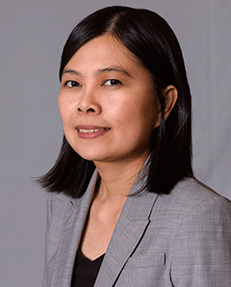
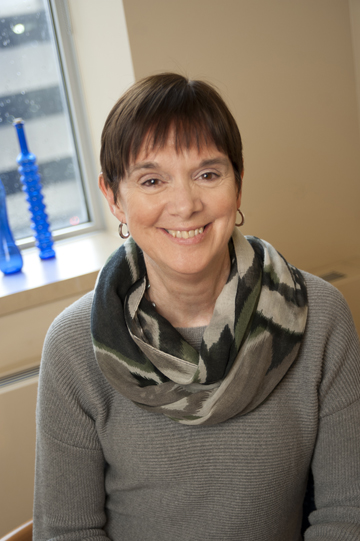
“The goal of economic evaluation is to maximize population health, so it should really include the people whose health it seeks to maximize,” says Dr. Kednapa Thavorn, Scientist and Health Economist at The Ottawa Hospital and Assistant Professor at the University of Ottawa. “Our team wondered: could we do better at incorporating patient perspectives in these analyses?”

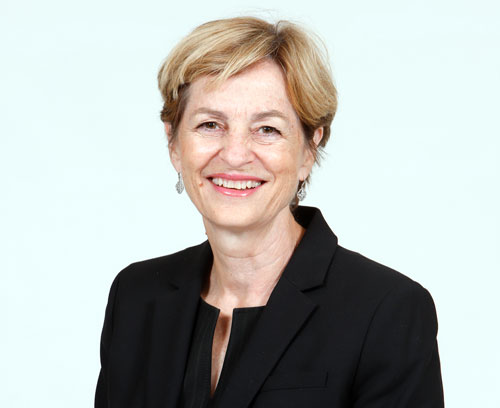
Dr. Kednapa Thavorn

To explore how patient voices could be included in health economic evaluation, Thavorn co-led a study that engaged patients and caregivers to find out their priorities when assessing a new cancer treatment.

The treatment they used in their investigation was a new, made-in-Canada CAR-T cell therapy that was recently studied in an OICR-supported clinical trial. Results from the trial showed that CAR-T cell therapy could extend the lives of some people with blood cancers. But like many new health technologies, it is expensive to manufacture and deliver and will need to go through economic evaluation before it becomes more broadly available.

In a series of focus groups by Thavorn and colleagues, patients and caregivers identified several ‘costs’ associated with cancer treatments like CAR-T cell therapy that aren’t normally factored into economic analysis. They highlighted out-of-pocket expenses like travel and accommodations, and hours of work lost due to treatments. They also emphasized priorities for treatments that aren’t usually captured in formal analyses, like a short treatment duration, manageable side effects and the hope associated with improved health.

“What we as researchers consider ‘costs’ was quite different from what patients identified,” Thavorn says. “We learned what we capture as costs is not sufficient, and maybe we need to go beyond existing metrics when we evaluate the value of a new treatment.”

Terry Hawrysh, an experienced patient partner and co-investigator on the study, says the focus groups showed the positive impact that patients can have on health economic evaluation.

“We saw that when patients can bring their values and lived experience into the picture, they help create a more robust assessment that is more meaningful,” says Hawrysh, who is also a member of OICR’s Patient and Family Advisory Council.

Terry Hawrysh

Encouraged by what they learned, Thavorn, Hawrysh and their colleagues are now considering how best to capture patient perspectives within the methodologies of economic analysis. They aim to develop a framework to guide future economic evaluations seeking to engage patients. Though it will be difficult to rethink economic analysis to incorporate patient priorities, Thavorn believes it’s an important next step for the field.

“We have a long road ahead, but what excites me is that we are challenging the status quo and the way people think about economic evaluation,” she says.

As a blood cancer survivor, Hawrysh hopes patient and caregiver engagement can transform the way new therapies are assessed and funded, ultimately leading to better access to cutting-edge cancer treatments.

“What’s the point of a new effective drug if it’s beyond the reach of patients and our formularies?” Hawrysh says. “Perhaps there are stakeholder costs and benefits that patients and caregivers will identify that can help support the approval of promising but expensive new therapies.”

Three OICR scientists make ‘highly cited researchers’ list

List highlights world’s most influential researchers of 2022 based on citations from the past 10 years

This year’s list of the world’s most highly cited researchers has been released, and three OICR-supported scientists are among them.

Compiled by data analytics firm Clarivate, the list showcases researchers who have published multiple papers over the past decade that rank in the top one per cent by citations for their field and the publication year. A citation is when one journal article is referenced in another research paper and is considered a strong indicator of a scientist’s influence and impact on research in their field.

A total of 6,938 researchers from 69 countries and regions made the 2022 list, including:

  • Dr. Geoffrey Fong
    • Professor of Psychology and Public Health Sciences at the University of Waterloo
    • Founder and Principal Investigator of the International Tobacco Control Policy Evaluation Project
    • OICR Senior Investigator
  • Dr. Jared Simpson
    • Assistant Professor of Computer Science at the University of Toronto
    • OICR Mid-Career Investigator
  • Dr. Lincoln Stein
    • Professor of Molecular Genetics, University of Toronto
    • Head, Adaptive Oncology, OICR

OICR congratulates Drs. Fong, Simpson and Stein as well as the many collaborators who have contributed to their published works.

OICR welcomes four new Board members

Four distinguished professionals with a broad range of experience have joined OICR’s Board of Directors.

Mr. Rodney Cheung, Ms. Peggy Gilmour, Dr. Anne-Marie Mes-Masson and Ms. Andrea Redway were elected to the Board on Sept. 22 and will serve three-year terms.

  • Rodney Cheung, P. Eng, EMBA is the Global Chief Information Officer at facilities management company BGS. He has more than 30 years of experience leading start-ups and multinational companies through significant change, and will join the Board’s Audit, Finance and Risk (AFR) Committee as Co-Chair.
  • Peggy Gilmour, CPA, CA, CRMA, ICD.D has held executive roles with major Canadian banks and insurance providers, specializing in audit, risk management, regulatory compliance, finance and operations and technology. She is the former Chief Auditor of Metrolinx and has served on several boards of directors. Gilmour is to assume the role of AFR Co-Chair.
  • Anne-Marie Mes-Masson, PhD is a Professor in the University of Montreal’s Faculty of Medicine and Deputy Scientific Director, Basic and Translational Research at the Centre de recherche du Centre hospitalier de l’Université de Montréal. Her research is largely focused on delivering personalized medicine, including the development of new therapeutic agents for ovarian and prostate cancers. Mes-Masson co-chaired OICR’s 2020 external review.
  • Andrea Redway, LLB is a lawyer who has practiced law in Canada and China and worked on international justice reform in countries in Asia, Africa and Latin America. In 2015, Andrea was diagnosed with Stage 4 lung cancer and has a first-hand understanding of the importance of cancer research. She will serve as Patient Representative on OICR’s Board.

OICR President and Scientific Director Dr. Laszlo Radvanyi thanked the new Board members for taking on these significant leadership positions.

“On behalf of everyone at OICR, I want to welcome Rodney, Peggy, Anne-Marie and Andrea to our Board. We are very fortunate to have them,” Radvanyi said. “Their diverse expertise will help solidify OICR’s position as a world leader in translational cancer research and help us deliver solutions to the biggest challenges in cancer now and into the future.”

OICR’s volunteer Board of Directors is responsible for the overall governance of the Institute. It is comprised of 16 members from various academic and professional disciplines and is chaired by Ms. Susan Fitzpatrick.

The Next Generation: Michelle Harwood, OICR-based PhD candidate, studying what genetic variance means for aging and disease

Michelle Harwood is exploring what makes each of us different, at a genetic level, hoping to answer fundamental questions about why people age.

A fifth-year PhD candidate in Dr. Philip Awadalla’s lab, Harwood studies allele-specific expression, a phenomenon where one half of a gene is over- or under-expressed. This can have implications for how we age and experience disease.

“Everyone ages, but what makes some individuals age and remain healthier and live longer compared to those who develop a disease earlier on?” Harwood says.

AI-generated software spots skin cancer with accuracy and efficiency

Cancer-Net SCa could offer dermatologists a low-resource tool to improve skin cancer screening


New software developed with the help of artificial intelligence (AI) could support dermatologists to detect cancerous skin lesions earlier and more accurately.

University of Waterloo Professor Dr. Alexander Wong led a team of researchers that developed Cancer-Net SCa, a suite of deep-learning AI algorithms designed to identify skin cancer from dermoscopy images.

Dr. Alexander Wong.

“Our goal was to give dermatologists more information so they can more accurately distinguish cancerous lesions,” says Wong, an OICR Affiliate and Canada Research Chair in Artificial Intelligence and Medical Imaging.

Skin cancer is the most frequently diagnosed cancer, and detecting it early is critical to successfully treating it. Screening with a dermotoscope – a device that illuminates and magnifies lesions – is an increasingly common approach for early detection.

But the visual differences between malignant and benign lesions are subtle, and even experienced dermatologists can have a hard time distinguishing between them in a dermotoscope image.

“Visual assessment is really tough,” says Wong. “Malignant lesions can easily be mistaken for something benign and vice versa.”

Wong and colleagues wanted to create a tool that dermatologists around the world could integrate into their practice. That meant building something fast and accurate that didn’t require huge amounts of computing and storage.

With such specific requirements, they couldn’t just adapt an existing neural network – they had to build one from scratch. But that would be extremely time-consuming if done by hand. Instead, Wong and colleagues leveraged another AI program to build their AI for them, providing the specifications they needed and allowing the machine to determine the best architecture to meet them.

“Our unique AI-building-AI approach helped us create a neural network that balanced our performance requirements with our efficiency requirements,” Wong said.

Cancer-Net performed well in testing, as reported in a recent BMC Medical Imaging paper, delivering fast results with about 84 per cent accuracy. But Wong says accuracy numbers only tell half the story – it’s just as important to understand why the algorithms classified a lesion as benign or malignant. Wong and colleagues therefore designed Cancer-Net to provide explanations for its decisions.

These explanations were used to validate Cancer-Net’s effectiveness, understand why it sometimes made inaccurate decisions and ultimately to help improve its performance. Wong also thinks these explanations will be crucial to their software’s clinical utility, helping to build dermatologists’ trust.

“If doctors don’t understand why AI is making a decision, they’re not going to use it,” Wong says.

Researchers are now working to collect more data and build better models, with new iterations of Cancer-Net on the horizon. They have also made their algorithms open source to encourage researchers and clinicians to use them and build upon them.

“We hope that these low-resource models can integrate very well into existing clinical decision systems, and act as a sort of ‘virtual assistant’,” Wong says. “Hopefully this gives dermatologists insights that assist them in coming to a well-informed decision.”

Promising virtual platform connects primary care providers with geneticists

Ontario eConsult Program aims to provide faster, easier access to genetic services

Better understanding our genetics can help detect disease early, and in some cases, even prevent it.

Genetic analysis can identify who inherited variants that put them at a higher risk of cancer so they can have more personalized screening. Genetic insights are also helpful for preventing and managing other health conditions.

But genetics services are limited in Ontario. Some Ontarians must wait for months for a genetics consultation, and others in remote parts of the province may not have local access to genetics services at all.

Dr. June Carroll.

A new Genetics in Medicine paper by the University of Toronto’s (U of T) Dr. June Carroll and colleagues shows that a virtual platform connecting primary care providers with geneticists could help close these gaps.

The Ontario eConsult Program allows for secure, asynchronous virtual consultations between Ontario primary care providers and specialists of all kinds. Primary care providers can send questions and securely upload pertinent patient information to the platform and hear back with answers and resources within a few days. This can help them determine next steps with their patients and decide whether referral is warranted.

Though eConsult has been around for years, geneticists are a relatively new addition to the platform.

“There are often long wait times to get a genetics consultation, and geographic barriers because of where geneticists are located,” says Carroll, a Clinician Scientist and Professor in U of T’s Department of Family and Community Medicine. “We think eConsult might be an ideal way to address some of that inequity and scarcity of resources.”

Between Jan. 2019 and June 2020, Carroll and colleagues collected questionnaires and interviews from primary care providers and geneticists to explore how the platform was received and what impact it had on patient care relating to genetics.

More than half of primary care providers reported receiving good advice on a new course of action for their patients, and about one-third said eConsult confirmed the course of action they were planning.

“Often the geneticist would suggest tests or investigations that could be done while waiting for an appropriate referral, which could help improve the efficiency of care,” Carroll says.

Also encouraging for efficiency was that, in one-third of cases, primary care providers who were considering referring their patient to a geneticist decided they didn’t need a referral after the eConsult.

“We saw that as a really positive result because referrals take time and resources,” Carroll says.

Though most primary care providers and geneticists reported positive experiences with the platform, geneticists reported receiving many of the same questions again and again. Carroll and colleagues are now exploring educational tools and resources to help address those knowledge gaps.

“Overall, we think eConsult has great potential for answering genetic questions as they come up, and addressing inequities in access,” Carroll said. “There is also an increased appetite for virtual care since the pandemic.”

Though the study didn’t focus on cancer, questions about cancer genetics were the most asked on the platform, comprising about one-third of questions reported.

“All that we have learned about how genetics can be used to prevent cancers depends on making genetic services available to everyone who can potentially benefit,” says the study’s Senior Investigator Dr. Eva Grunfeld, a Professor in U of T’s Department of Family and Community Medicine and an OICR Clinician Scientist. “Dr. Carroll’s research helps us understand how we can make that happen.” Dr. Carroll’s study was conducted as part of a larger multi-disciplinary, multi-year program of research lead by Dr. Grunfeld and funded by Canadian Institutes of Health Research, designed to examine how to better provide cancer services in the community.

Patient perspectives fuelling translational OICR studies

People with lived experience of cancer are bringing crucial insights to studies aimed at making a clinical impact.

Gary Davis.

The early days after Gary Davis’s leukemia diagnosis were all a blur.

The retired Ottawa resident learned he had acute promyelocytic leukemia an aggressive form of acute myeloid leukemia (AML) — in 2017 after a sudden onset of severe symptoms. Almost immediately, he was admitted to the leukemia ward at The Ottawa Hospital.

With a severe cough, constant nosebleeds and extreme pain throughout his body, Davis says that participating in research would have been the last thing on his mind.

“If you’d ask me under those circumstances to be part of a research study, I probably would have told you to go away,” Davis says.

Those early days after an AML diagnosis can be extremely difficult for patients and their families, but they are also crucial to a new study that seeks to develop and validate a biomarker to predict how AML patients will respond to treatment. The study, led by Dr. Mitchell Sabloff of The Ottawa Hospital and funded through the OICR Clinical Translation Program, involves analyzing bone marrow samples from people with AML before and after they undergo treatment, making it essential to recruit patients during those early days after diagnosis.

Now cancer-free, Davis is advising researchers on how to navigate those difficult conversations with AML patients, as one of three patient partners on Dr. Sabloff’s study.

“I’m not a science person, but I have perspective that many researchers don’t have,” Davis says. “I’ve been in that hospital bed, and I know what it’s like for patients who have just found out they have AML.”

Davis and his fellow patient partners meet regularly with Dr. Sabloff and other researchers and have helped shape the study’s consent forms and other recruitment materials. Their contributions are helping researchers see their study from a patient’s perspective and build more effective and compassionate recruitment processes.

“I advised them that their approach with patients needs to be gentle and respectful of the situation,” he explains. “People need to know that they are serving a purpose, and not just serving your purpose.”

Insights like these from people with lived experience of cancer are critical to conducting successful cancer research that engages participants responsibly and ultimately leads to better cancer care. OICR has long valued patient contributions to research and recently formalized its approach in a patient partnership plan.

“The partnerships OICR has built with patients is a critical part of who we are as an institute and have been tremendously rewarding for our researchers having strengthened our research programs,” says Dr. Laszlo Radvanyi, OICR’s President and Scientific Director. “The real-world insights of our patient partners and the unique expertise they bring to the table is invaluable and will support patient-centered solutions to finding the right therapies at the right time and treating cancer earlier and more effectively.”

At least 21 patient partners are making active contributions to OICR-funded projects in all areas of the organization. Like Davis, many of them are involved in Clinical Translation research, where they are helping bring new cancer diagnostics and treatments to patients who need them.

John Conyngham knows first-hand the benefits of innovations in cancer treatment. He had successful radiation therapy for prostate cancer two years ago —  “so far, so good,” he says — and his treatment was much more precise and efficient than it would have in years past, thanks to recent therapeutic advancements.

John Conyngham.

So when his radiation oncologist, Dr. Glenn Bauman of London Health Sciences Centre, asked him to be a patient partner in a clinical trial exploring the latest prostate imaging techniques, he was happy to take part.

“It’s really important to have people with lived experience involved in these studies, especially when they go live with patients,” Conyngham says.

Having experienced prostate cancer treatment, Conyngham was able to provide his perspective on whether certain aspects of the trial would be acceptable to prostate cancer patients, or whether researchers might be asking too much of them. Though Conyngham is modest about his contributions, his input has been so important to shaping the trial that he was included as an author in the protocol paper, which was published in Frontiers of Oncology in April.

The trial, which combines two of the latest imaging techniques (PSMA-PET and mpMRI) to guide high-dose radiation therapy, got started earlier this year. Conyngham says he is excited to see how it progresses.

“Hopefully this will lead to even better, more targeted radiation, and we see continued improvements in the future,” he says.

Patients are contributing at all levels of OICR’s work, from individual trials to broader research programs.

Carol Gordon is a member of OICR’s Patient and Family Advisory Council (PFAC), which was formed in 2021 to guide the institute’s patient partnership activities and shape its research priorities. She is also a patient partner for OICR’s Window-of-Opportunity (WOO) Network, led by Drs. Angel Arnaout and Melanie Spears, which conducts clinical trials that explore the effectiveness and mechanisms of action of new therapeutics by focusing on the time between a patient’s diagnosis and when their treatment begins.

Carol Gordon.

In her role as patient partner, Gordon provided input on proposed WOO trials and how they might be received by patients. Alongside other members of the WOO Network team, she also helped develop a patient brochure that explains the unique nature of WOO trials —which take place during the weeks when a patient waits for cancer surgery —in straightforward language.

Gordon presented to WOO Network researchers on the benefits of patient engagement and worked with the WOO team to recruit four patient partners to work on new WOO trials, who have gone on to shape their respective trials by raising important questions around supports for participants, equitable access and outcome measures. She and other PFAC members are also contributing to the Clinical Translation Program as part of its Progress Review Committee.

Gordon says her experience with OICR has been extremely positive. Researchers have genuinely welcomed her contributions, and she’s proud to be part of leading-edge research. She says that when she was diagnosed with late-stage gynaecological cancer in 2013 and doctors didn’t expect her to survive, innovative treatments helped her beat the odds.

At the same time, she says her experience with cancer was very challenging, and she hopes that her involvement in research can help make life better for cancer patients — those that participate in clinical trials and those that benefit from their findings.

“I hope that patients will have a better experience in the trials as a result of patient input on the design,” says Gordon. “The thought that, thanks to research like this, maybe my children won’t have the same horrible experience with cancer that I had, is really what drives me.”


People with lived experience of cancer as a patient or caregiver are invited to get involved by
signing up for OICR’s patient community.

The Next Generation: Mahmoud Noureldin

A PhD student working with OICR’s Drug Discovery team is advancing research into a therapeutic target for lung cancer.

Solving cancer is a significant challenge, and Mahmoud Noureldin wants to be a part of the solution. Noureldin is a PhD student in the University of Toronto’s Pharmacology and Toxicology Department, working with OICR’s Head of Therapeutic Innovation and Drug Discovery Dr. Rima Al-awar. His research focuses on DCAF1, a potential therapeutic target for lung cancer. He and his colleagues found that lung cancer cells die when you inhibit – or “knock down” – DCAF1 and now they are working to further investigate the biology behind it.

“I hope that [my] work can add to our understanding of the target,” he says. “Also, from a clinical point of view, I hope that the work eventually can be used to benefit cancer patients.”

New CPDC spinout company aims to become global leader in developing and distributing radiopharmaceuticals

AtomVie Global Radiopharma is the latest company launched by the OICR-supported centre


The Centre for Probe Development and Commercialization’s (CPDC) newest spinout company has now launched as AtomVie Global Radiopharma Inc.

On August 24, the Hamilton-based radiopharmaceutical company announced it had closed Series A financing with healthcare investment firm Avego Management, which committed at least $40 million.

For the past seven years, the Contract Manufacturing Organization (CMO) business unit, now AtomVie, operated within CPDC as a manufacturer and supplier of finished-dose therapeutic radiopharmaceuticals. Now, the newly announced company will expand its capacity to develop, manufacture and distribute radiopharmaceuticals by building a state-of-the-art facility that can accommodate multiple isotopes and adding a high-standard quality management system and global regulatory support.

Dr. Bruno Paquin

“We worked relentlessly over the past few years in preparation of this moment,” AtomVie CEO Dr. Bruno Paquin said in a news release. “We are excited to launch AtomVie, continuing the culture of excellence that the CPDC has created and working with Avego for the long-term success of AtomVie.” 

CPDC was founded in 2008 by OICR, the Government of Canada’s Network of Centres of Excellence and McMaster University. Since then, the centre has performed cutting-edge research on radiopharmaceuticals, both diagnostics – also known as molecular imaging probes – and therapeutics, in collaboration with academic and pharma partners. CPDC also manufactures and distributes existing probes and therapeutics that are used daily in hospitals around the world.

CPDC’s unique model has helped bridge the gap between innovation and commercialization of radiopharmaceuticals in Ontario. Its innovations, and the work of its spinout companies, have helped improve care for cancer patients and attracted major international investments that benefit Ontario’s economy.

“CPDC’s success in developing next-generation imaging agents for precision medicine in oncology and launching the next generation of radiopharmaceutical companies is exactly what OICR envisioned when we helped create it,” says Dr. Laszlo Radvanyi, President and Scientific Director of OICR. “CPDC’s combination of technical, regulatory and business expertise is making a mark in the worlds of research and pharma, and the launch of AtomVie will greatly support Ontario’s leadership in the radiopharmaceutical field and significantly benefit the people and economy of Ontario.”

This story was adapted in part from a press release by AtomVie Global Radiopharma Inc.

Previously overlooked proteins are a potential source for a new class of cancer killing drugs

An open science project led by OICR’s Drug Discovery Program and the Structural Genomics Consortium is targeting WD-repeat proteins and generating exciting results.

To unlock a new class of cancer-killing drugs, OICR researchers are looking for keys among a previously overlooked family of proteins.

WD-repeat proteins play an important part in many cellular processes by acting as ‘scaffolding’ proteins and thus bring different proteins together.

This family of more than 300 proteins was traditionally seen as difficult to drug. Most drug discovery efforts focus instead on other targets such as enzymes that play a driving role in many cellular functions.

But an OICR collaboration with the Structural Genomics Consortium (SGC) has found there is more to these unassuming proteins than initially thought, and that inhibiting them with small molecules could play an important role in slowing down cancer.

Mahmoud Noureldin

“We’re learning that targeting the protein-protein interactions regulated by WD-repeat proteins causes consequences that could be clinically relevant to cancer,” says Mahmoud Noureldin, a fourth-year PhD student at the University of Toronto based in OICR’s Drug Discovery team.

Working closely with the Drug Discovery biology team led by Dr. Richard Marcellus, Noureldin’s work focuses on DCAF1, one of several WD-repeat proteins identified by the group as potential targets for cancer drugs. DCAF1 is part of a system that regulates the levels of other proteins in a cell, and Noureldin has been exploring how it acts on lung cancer cells.

After analyzing data generated by the Broad Institute about the potential anti-cancer effects of inhibiting the DCAF1 protein, he conducted experiments using artificial RNA to ‘knock down’ DCAF1 protein in six different cell lines to see how lung cancer cells respond.

Dr. Richard Marcellus

“We found that knocking down DCAF1 in lung cancer cell lines results in cell cycle defects which eventually causes cell death,” Noureldin says.

This was an exciting discovery, but it’s important to understand why it happens. So Noureldin is now investigating the biology behind this outcome by looking at the changes it causes in RNA and other molecular structures.

Meanwhile, work is well underway on the tools to action this important discovery. In collaboration with an AI company, colleagues at the SGC have identified a small molecule inhibitor for DCAF1 that is now being improved upon by the OICR Drug Discovery chemistry group. The generation of a ‘chemical probe’ is one of the key steps toward developing a clinically useful therapeutic, and OICR researchers are working with the SGC team, led by Dr. Cheryl Arrowsmith, to achieve that goal.

Though more research and development are needed to know if this project will lead to a new cancer treatment, it’s another promising development in OICR’s exploration of these novel targets.

“We are looking at multiple WD-repeat targets related to multiple disease areas, and we are making good progress,” says Dr. Rima Al-awar, Head of Therapeutic Innovation and Drug Discovery at OICR.

This work is the result of a longtime collaboration with SGC that harnesses both partners’ strengths: SGC’s expertise in protein production, biophysical assays and crystallography and OICR’s expertise in medicinal chemistry, target validation and assay development. This has already yielded exciting advanced leads, including a compound targeting the WDR5 protein that showed potential against leukemia and attracted major industry investment.

The knowledge and tools OICR and SGC are developing around WD-repeat proteins will be contributed to the EUbOPEN, an international open science initiative aimed at accelerating the often complex and expensive drug discovery process.

“We are developing chemical probes targeting proteins like DCAF1 and putting them out into the public domain so that they can be validated further,” Al-awar says. “Hopefully this can help advance new treatments that can make a difference to cancer patients.”

As the work progresses, OICR is also strengthening its capacity to study these proteins and advance new therapeutics. This includes bringing Dr. Masoud Vedadi on board from the SGC, a world-renowned expert in working with novel proteins and one of the key scientists behind the WDR5 project.

Dr. Masoud Vedadi

“It has been a great experience collaborating with OICR on various successful projects over the past several years, and it is a great pleasure to join the OICR team. I am confident the team will continue to be a world leader in discovery of chemical probes for the WDR family of proteins and other cancer drug targets,” said Vedadi, who joined OICR as Senior Scientific Advisor in July this year.

Al-awar says that adding Vedadi helps OICR build on its existing expertise that includes teams of experts in medicinal, analytical, computational chemistry and biology and leveraging our successful collaborations with SGC and others.

For a PhD student like Noureldin, the DCAF1 project has provided a window into the multidisciplinary drug discovery process.

“This is a unique environment and such a collaborative process, and I’m privileged to be part of it,” he says. “Obviously our hope is that a DCAF1 inhibitor can someday help people with lung cancer. It’s too early to say, but it’s exciting to be working towards that goal.”