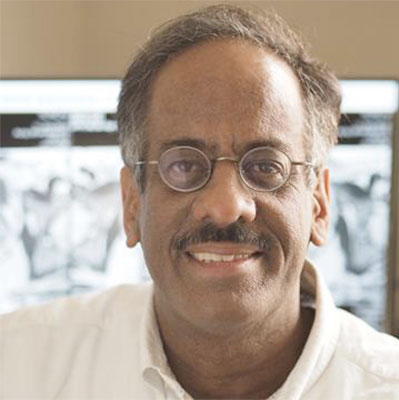
New funding from the Ontario Institute for Cancer Research supports projects developing methods for cancer detection and tools to facilitate better treatment decisions for high-risk cancer patients

December 1, 2021—Toronto— Today the Ontario Institute for Cancer Research (OICR) announced renewed funding for its Adaptive Oncology (AO) research theme, which includes funding for three new research projects with the potential to have rapid clinical impact.

The Adaptive Oncology theme was developed to anticipate and counter tumour evolution and heterogeneity in space and time by administering the most appropriate therapies at the right time. To achieve this, the initiative brings together OICR researchers with expertise in genomics, bioinformatics, machine learning, imaging, robotics and histopathology in the pursuit of practical approaches for deeply characterizing the diverse properties of tumours and developing clinical tools to detect and adapt treatment strategies accordingly.

“We are very optimistic about the potential of these newly-funded projects. This research uses cutting edge technologies that could have a real impact in how cancer is diagnosed and treated,” says Dr. Lincoln Stein, Head of Adaptive Oncology. “We are thrilled to see how this initiative is maturing and building momentum each year. Several teams funded during previous years have now advanced to the pre-clinical testing phase. The new funding will foster collaborations among our research teams, facilitate knowledge sharing, and accelerate the pace of this research.”

This work supports OICR’s new Strategic Plan 2021-2026, which has a focus on advancing research towards earlier cancer detection and intervention, leveraging Ontario’s global leadership in data sharing and analytics, expanding on Ontario’s robust pipeline of novel cancer therapies and navigating new therapies into clinical use as well as into new commercial opportunities in Ontario. This new group of funded Adaptive Oncology projects helps move towards realizing these goals.

The three newly funded Adaptive Oncology research projects will each receive approximately $2 million over the next four and a half years to complete their work. The funding is being awarded to:

  • Dr. Jane Bayani from OICR, for her project to determine if MRI-guided targeted biopsy, together with the PRONTO test (a molecular signature test) developed by OICR researchers, can better detect hidden, high-risk prostate cancer cases compared to the current method, which involves ultrasound and multiple biopsies and associated risks for patients.
  • Dr. Aaron Fenster from the Centre for Imaging Technology Commercialization (CIMTEC) and Drs. Saman Sadeghi and John Valliant from McMaster University, for a  project developing an optimized synergistic prostate imaging tracer and biopsy guidance system that integrates with and improves the existing prostate imaging-biopsy system. If successful, this project would provide a more sensitive and specific method to detect prostate cancer and a more accurate method for sampling the tumour for histological analysis, thus allowing for improved decisions on which therapy a patient should receive.
  • Dr. Philippe Bedard and Dr. Benjamin Haibe-Kains from the Princess Margaret Cancer Center, for their OCTANE 2.0 project. This work continues the initial OCTANE study, where more than 4,000 patients with advanced cancers received genomic testing or analysis of the DNA mutations in their cancers. This second phase will integrate this molecular data with imaging data to aid development of computational tools and models that more accurately predict whether drug treatments are likely to be effective and identify patients at increased risk for relapse.

Additional new funding will support the ongoing work of OICR’s Diagnostic Development, Genomics, Genome Informatics and Imaging Programs, as well as funding for the Global Alliance for Genomics and Health, ICGC ARGO, the Ontario Molecular Pathology Research Network and the new Ontario Hereditary Cancer Research Network (OHCRN).

“Cancer is the leading cause of death in Ontario. Currently, nearly two in five people in the province will receive a diagnosis of cancer in their lifetime. One in four of those people are expected to die from the disease,” says Dr. Laszlo Radvanyi, President and Scientific Director of OICR. “OICR is committed to funding initiatives like Adaptive Oncology, which use the latest technologies to address a common objective of developing advanced multi-omic approaches for the earlier detection of cancer and understanding how the cancer molecularly evolves in space and time so that it can be treated earlier and more effectively. This latest round of funding allows us to bring new projects and programs into the pipeline as our previously funded projects mature into translational programs—and one step closer to clinical implementation.”

“The OICR Patient and Family Advisory Committee (PFAC) was pleased to play a role in the scientific review process of the Adaptive Oncology initiative,” says Antonia Palmer, Chair of OICR’s PFAC. “We are deeply impressed by the Adaptive Oncology program and research initiatives and feel that this work will help to answer many important questions to make a difference for patients with cancer.”

“Patients and their families want to know that Ontario’s health care system is equipped to anticipate and address their evolving health care needs,” said Jill Dunlop, Minister of Colleges and Universities. “Ontario is proud to support the work of OICR, which has an impressive track record of helping to move oncology discoveries and innovations to real world application. Their success is reflected in this trailblazing work that is taking place through these three new adaptive oncology research projects.”

For more information or to book an interview, contact:

Christopher Needles
Director of Communications
416-319-5252
christopher.needles@oicr.on.ca

International Cancer Genome Consortium empowers cancer researchers everywhere with new cloud computing platform

Use of Microsoft’s Azure technology will save time and resources and bring more discoveries

Toronto – (November 23, 2021) The International Cancer Genome Consortium (ICGC) is further enabling cancer research worldwide by making a massive collection of cancer data available for analysis via Microsoft’s Azure cloud computing platform. Providing secure, controlled access to ICGC genomic and clinical data on Azure will mitigate the need for researchers to obtain massive amounts of storage and computing power within their home institutions, meaning that more researchers will be able to use the data. The use of Azure was made possible by a philanthropic grant from Microsoft’s AI for Health program.

ICGC is a global collaboration that has generated comprehensive datasets of genomic mutations in more than 50 cancer types and made them available to researchers around the world to accelerate the development of next generation cancer treatments and diagnostics. The use of Azure will advance these efforts by providing cloud-based storage of ICGC data as well as a virtual computing platform to allow researchers to conduct data analysis in the cloud, using Azure-stored data or that from other ICGC platforms. Seven-hundred-fifty-four terabytes of ICGC data are available on Azure, comprising more than 75,000 files from 3,000 patient donors across 15 different cancer types.

“Through Azure we will put ICGC data into the hands of more scientists and remove the constraints that come with working with these large datasets. For example, even when using a high-speed internet connection, it can take researchers months to download the data they need. With Azure we’ve done away with that hurdle completely by taking the researcher’s query to the data in the cloud,” says Dr. Lincoln Stein, Head, Adaptive Oncology, Ontario Institute for Cancer Research and leader of the ICGC Data Coordination Center. “We are thankful for Microsoft’s support and are grateful to the thousands of patients who donated the samples behind the data. We look forward to seeing the discoveries made using this new platform for ICGC data that will ultimately improve the lives of cancer patients.”

“Cloud computing has the power to bring together researchers all over the world and advance scientific discoveries,” says Geralyn Miller, Senior Director, Health Strategy, Microsoft AI for Good Research Lab. “The ICGC project is instrumental in the future of cancer research, and we are proud to help improve access to data for the global cancer research community through the AI for Health program.”   

ICGC has now moved into its next phase called ICGC ARGO (Accelerating Research in Genomic Oncology). ICGC ARGO will uniformly analyze specimens from 100,000 cancer patients with high quality clinical data to address outstanding questions that are vital to our quest to defeat cancer. It is anticipated that the Azure platform will be used to bring this incredibly valuable resource to the global cancer research community.

Changes to executive team will make OICR stronger and more responsive to the needs of the Ontario cancer research community

The Ontario Institute for Cancer Research (OICR) is pleased to announce two changes to our current executive team that will enhance OICR’s ability to deliver on its translational research goals, strengthen connections with the cancer research and cancer care delivery communities and maintain strong financial oversight for OICR and FACIT and their downstream companies.

Effective immediately, Dr. Christine Williams is the new Executive Vice President (EVP) of OICR and Head of Implementation Science and Ms. Jeanette Dias-D’Souza is Senior Vice President (SVP), Corporate Services and Group Chief Financial Officer of OICR and FACIT.

“Under OICR’s new Strategic Plan there is even greater emphasis on ensuring important Ontario discoveries are translated into innovations that can help patients in the clinic,” said Dr. Laszlo Radvanyi, President and Scientific Director of OICR. “These changes to the executive team will make OICR stronger and more responsive to the needs of the Ontario cancer research community, providing new outreach services and support, in particular with the health system. Our goal is to expedite implementation of research innovations into cancer care, ensuring Ontario remains a leader in cancer research and patient outcomes.”

Dr. Christine Williams

As EVP, Christine Williams will play a crucial role in running OICR’s programs and overseeing all OICR functions, second to the President and Scientific Director. The EVP will represent OICR within the cancer community, working with leaders of provincial and national partner organizations, including government, and hold increased internal responsibilities for executive management.

As Head of the new program area of Implementation Science, Williams will play a key role in the realization of OICR’s new research strategy, which supports the development of more precision medicine tools and their adoption in the clinic. In this role, Williams will be helping to develop effective pathways to facilitate the testing and adoption of new diagnostics and therapeutics in the Ontario cancer care system, while linking translational research conducted and supported by OICR and our collaborators with health system implementation. She will also engage high-level executives and decision-makers at organizations like Ontario Health (Cancer Care Ontario) and the Ontario Ministry of Health, linking them with the clinical, research and patient communities in order to better facilitate and accelerate implementation of our research innovations. In addition, she will be engaging with partners at cancer agencies and pan-Canadian health organizations to develop evidence frameworks that are needed to define the value of new innovations. These standardized decision-making frameworks will support the adoption of more precision medicine innovations in the Ontario cancer care system and will result in harmonized, national standards for use by other provincial cancer agencies.

Ms. Jeanette Dias D’Souza

As Senior Vice President, Corporate Services and Group Chief Financial Officer of OICR and FACIT, Jeanette Dias D’Souza will hold broad and diverse governance and compliance responsibilities as well as overseeing the finances of multiple companies, new deals and investments, and managing and investing new funding sources. This will provide additional accountability for OICR and FACIT finances and support in fulfilling OICR’s financial accountability requirements. Jeanette will also lead major new projects that will enhance service, save costs, embrace best practices and mitigate risks for OICR and FACIT.

Both Christine and Jeanette will also continue to oversee their current portfolios of work.

“On behalf of myself and everyone at OICR I thank both Christine and Jeanette for their significant contributions to OICR to date, and congratulate them both on these exciting new roles that will help OICR better serve the community and deliver exciting new innovations to Ontario’s cancer patients,” said Radvanyi.

Read Christine Williams’ bio

Read Jeanette Dias D’Souza’s bio

We’re pleased to announce the next JLABS seminar will be held on November 17

Going viral: Examining advancements in oncolytic viral therapies and their future

November 17 from 10-11:30 a.m. ET

Oncolytic (cancer-killing) viruses are one of the most promising forms of immunotherapy today because they can effectively target and destroy cancer cells while leaving healthy cells unaffected. By harnessing the unique properties of these viruses, research groups and biotech companies are changing the landscape of cancer therapy. Oncolytic viruses have now moved into the realm of true immunomodulators that can be used as a cancer vaccine platform or to deliver encoded immunomodulatory genes locally in tumours.

On November 17, join the Ontario Institute for Cancer Research and JLABS as we delve into the field of oncolytic virus therapy to understand its emergence, where things stand today and how this precise and promising treatment is being brought to patients. At the symposium you will hear from our keynote speaker Dr. Robert Coffin, a world-leading researcher and Founder, President and Chief Research and Development Officer of Replimune. The session will also feature a presentation from Dr. Carolina Ilkow, Ottawa Hospital Research Institute, on her group’s work studying oncolytic viruses and will conclude with an engaging panel discussion with the speakers and other experts in the field. Come join us and learn about this exciting area and how it may have an impact on your research!

Remembering Joe Lebovic

A statement from Dr. Laszlo Radvanyi, President and Scientific Director of OICR, on the recent death of Mr. Joseph Lebovic.

Joe Lebovic was a great supporter of many important causes throughout his life, and the Ontario Institute for Cancer Research (OICR) is grateful to have worked closely with him to develop the Joseph and Wolf Lebovic Fellowship Program, a joint initiative between the Hebrew University of Jerusalem’s Institute for Medical Research Israel-Canada (IMRIC), Canadian Friends of Hebrew University and OICR. Through this program he supported research fellows working on collaborative, translational cancer research projects that brought together trainees in Ontario and Israel to solve significant challenges in cancer research. In its first round, this program supported the development of a new potential cancer-killing virus and a new drug candidate for leukemia; current fellows are working on projects focused on the interaction between tumours and the immune system, with a goal of developing effective therapeutic strategies for cancer. On behalf of all of OICR, I send my deepest condolences to Joe’s family, friends and loved ones. His death is an immense loss to the entire province, but his vision and generosity will continue to have impact for many years to come. 


Joe Lebovic and OICR

Research breakthrough paves way for more cancer patients to benefit from immunotherapy, regardless of ancestry

OICR Investigator, Dr. Naoto Hirano, expands arsenal of immunotherapy technologies, opening new frontiers in immunotherapy for cancer patients and beyond

Adoptive cell therapy is a promising cancer treatment that uses our immune system to eliminate cancer cells. These treatments, however, are only effective for a small subset of individuals with specific types of cancer and specific inherited genes. Dr. Naoto Hirano’s recent breakthrough paves the way for novel immunotherapies to help more patients, regardless of their genetic ancestry, live longer and healthier lives.

In a study published in Nature Biotechnology, Hirano and his collaborators developed a new technology that rigorously and robustly identifies the immune cells that are capable of recognizing and eliminating cancer cells. This technology allows researchers to develop new immunotherapies for cancer patients that are not limited by the differences – or heterogeneity – of tumour cells, thus expanding the potential impact of immunotherapy for patients around the world.

Hirano’s technology applies to an immunotherapy approach called T cell receptor (TCR) gene therapy that is based on genetically-engineered immune cells (T cells) recognizing and binding to specific molecules, called peptide-loaded human leukocyte antigens (HLA), on the surface of cancer cells. Although there has been progress in TCR therapy, there are more than 28,000 different variations of HLA found in humans and current TCR therapies only work for a few of these variations.

“Historically, TCR treatments have been developed for those who had the most common and well-studied HLA alleles, which often meant that these immunotherapies only worked for people from Caucasian ancestry,” says Hirano, who is a Senior Scientist at the Princess Margaret Cancer Centre and OICR Clinician Scientist. “It was an important goal for us to develop a technology that could work for a broad range of HLA alleles. We’re proud of what we developed because it could help many more cancer patients in the future.”

The technology presented in this study involves a methodology that can – in a single step at a low expense – form a functional protein structure, called a dimer, that is comprised of any peptide and HLA molecule, regardless of type, and can bind to and identify a variety of T cells. The method improves the binding affinity between T cells and HLA molecules nearly 200-fold relative to prior methods, which could allow researchers to better identify and engineer the T cells for novel immunotherapies.

The technology has been licensed to TCRyption Inc. for further development, translation, and large-scale implementation. In the future, it may be applied to fields other than cancer research and care, including autoimmune diseases such as rheumatoid arthritis and type 1 diabetes.

“I’m grateful for the cancer research community’s support over the years, which has enabled me to focus on important and challenging issues,” says Hirano, who was named the University Health Network’s Inventor of the Year last year for developing these analysis techniques. “Only with the support for rigorous experimentation, deep expertise, and innovative thinking, were we able to make this breakthrough.”

Learn more about the work behind this publication, or read more about Dr. Hirano.


Note: N.H. has received research funding from Takara Bio and served as a consultant for Takara. The University Health Network has filed a patent application related to this study on which N.H. is named as a lead inventor. N.H. is cofounder and has equity in TCRyption to which the technologies used in this study have been licensed.

Drug combination results in longer survival for patients with recurrent and advanced ovarian cancer

An OICR-supported research team at the Princess Margaret Cancer Centre has shown that adding a targeted drug to chemotherapy results in longer survival and a stronger response to treatment in a difficult-to-treat form of ovarian cancer.

When a patient’s ovarian cancer becomes resistant to treatment, the patient has few alternative options and faces an estimated survival of less than 18 months. This is a reality for approximately one in four women with the disease.

Against this challenge, a team OICR-supported through OICR’s Ovarian Cancer Translational Research Initiative (TRI), headed by Dr. Stephanie Lheureux, Princess Margaret (PM) Clinician Investigator and Dr. Amit Oza, PM Senior Scientist and OICR TRI leader, led a Phase II clinical trial including nearly 100 women across 11 centres to evaluate the combination therapy of adavosterib and gemcitabine. Their discoveries, which were recently published in The Lancet, demonstrated that this combination increased survival by 4.3 months relative to chemotherapy and placebo alone. 23 per cent of patients’ cancers responded to the chemotherapy, in contrast to a 6 per cent response rate seen using chemotherapy alone.

“By combing two drugs, we were able to change the trajectory of cancer for a high-risk group of women with advanced disease who did not have many choices left,” says Oza, Medical Director of the Cancer Clinical Research Unit and Co-Director of the Bras Drug Development Program at Princess Margaret Cancer Centre. “That is significant.”

Lead author Dr. Stephanie Lheureux says that the study provides a signal of hope for women with ovarian cancer who develop drug-resistance to treatment. The study included some women who had received up to eight different previous treatments which had stopped working.

“As we learn more and more about the biology of tumours, we can target treatments more precisely to the molecular changes in a cancer to improve the type and response of our treatments. That will change outcomes for patients,” says Lheureux, who is also the Princess Margaret Site Lead for Gynecological Oncology. “I want our patients to know there is hope to find better treatment to control their cancer.”

By combing two drugs, we were able to change the trajectory of cancer for a high-risk group of women with advanced disease who did not have many choices left

Dr. Amit Oza

The study participants had high-grade serous ovarian cancer – the most malignant form of ovarian cancer, accounting for up to 70 per cent of all ovarian cancer cases. They were randomly assigned to receive either adavosertib plus gemcitabine (chemotherapy) or placebo plus gemcitabine.

The patients’ tumours were biopsied before and during treatment to assess the effectiveness of the drug regimens. Analysis of genetic mutations and changes in DNA damage response pathways was performed by the Joint Genomics Program at OICR and the Princess Margaret Cancer Centre.

“This discovery underscores the importance of bringing scientists and clinicians together to tackle difficult questions from different perspectives to offer new insights into the biology of cancer,” says Dr. Laszlo Radvanyi, President and Scientific Director, Ontario Institute for Cancer Research. “It shows how we can push these damaged cancer cells right smack into mitotic catastrophe to their demise. This clinical trial has validated good science that has begun to uncover how a cancer cell’s own DNA repair mechanism can be used against it and capitalizes on this unique vulnerability by combining drugs in a smart way. The small-molecule DNA repair inhibitors used in this study targeting the G2-M checkpoint hold great promise as chemotherapy enhancers by further damaging and ultimately destroying tumour cells, thereby overcoming treatment-resistant ovarian cancer.”

In addition to improving overall survival by 4.3 months, the combination of adavosertib and gemcitabine improved progression-free survival by 1.6 months relative to chemotherapy alone.

“Taken together, these three outcomes give us a strong signal that we can potentially improve survival for these patients who face bleak prospects,” says Dr. Oza, adding that the study carefully co-ordinated patients with similar genomic backgrounds with a targeted drug that exploits a defect in cancer cells.

“This is precision medicine at its best,” he adds. “This is how we will develop better treatments for our patients.”

Through whole-exome sequencing, the study found that patients’ tumours acquire several changes – or mutations – that play an important role in regulating critical cell cycle checkpoints. These mutations could disable these “quality control” checks, allowing cancer cells with damaged DNA to continue dividing and growing unimpeded.

Further, they discovered that the drug adavosertib could effectively target tumour cells that harbour the key TP53 mutation.

“We exploited a fatal flaw in cell division, diverting and stopping the damaged cells from growing into a tumour,” explains Lheureux. “We showed the potential of targeting the cell cycle in a specific subgroup of patients with highly resistant ovarian cancer. This opens up new avenues of treatment possibilities.”

The research group now plans to evaluate the impact of this combination on patients’ quality of life and analyze patients’ blood samples to search for blood-based indicators of treatment resistance.


In addition to OICR’s support, the study was also funded by the Princess Margaret Cancer Foundation, the U.S. National Cancer Institute Cancer Therapy Evaluation Program, the U.S. Department of Defense Ovarian Cancer Research Program, and AstraZeneca.

Bringing AI-enabled cancer support to life

Text-based online support groups augmented with a new tool for detecting distress

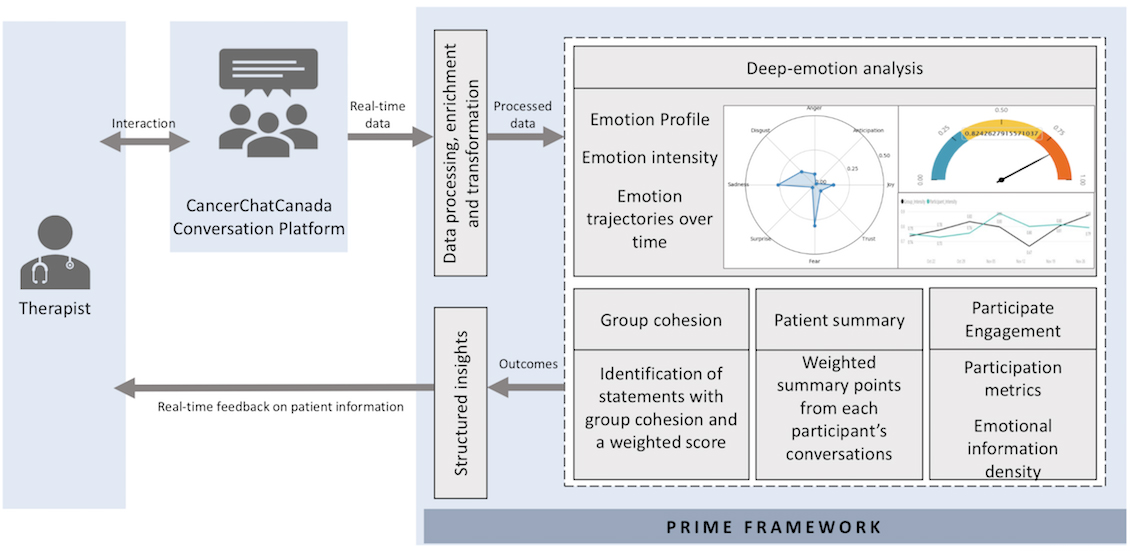
Therapist-led online support groups can provide a safe space for people affected by cancer to discuss fear, normalize stress, build resilience and enhance coping. Cancer Chat Canada offers real time text-based support groups, but therapists who lead these groups often feel challenged to address the needs of each participant in the absence of visual cues. Recent Ontario-made advances in artificial intelligence (AI) may offer potential solutions.

In a paper recently published in JMIR Research Protocols, an Ontario-based research group outlines their new AI-enabled virtual therapy cofacilitator tool for online cancer support groups. The tool uses a machine learning algorithm based on interpreting patterns of speech and language to track support group participants’ progress in real-time, while providing feedback to the leading therapist.

The research initiative was supported by OICR through the OICR-Cancer Care Ontario (Ontario Health) Health Services Research Network, and led by Drs. Yvonne Leung and Mary Jane Esplen, experts in the psychological impact of cancer.

Workflow of how the chatbot works.

“Online support groups are accessible and effective at reducing cancer-related emotional distress, but it can be challenging to monitor individual participant distress and engagement while responding to multiple participants’ messages simultaneously,” says project lead Esplen, Professor and Vice-Chair, Equity and Mentorship in the Department of Psychiatry, University of Toronto and former Lead of the de Souza Institute. “With multiple participants typing at the same time, nuances of text messages and red flags for distress can sometimes be missed. Our tool serves as an AI-enabled cofacilitator that can enhance the therapist’s ability to address these concerns.”

With a tool that can detect and flag issues, therapists could prioritize concerns more effectively, provide more individualized support in real time, and direct treatment accordingly in a timely manner.

In 2020, the research group completed the first phase of their study, during which they developed the AI-enabled cofacilitator tool. Now, in the second phase, they are evaluating the tool’s effectiveness by scoring its ability to accurately output psychometric measures, such as fear, sadness and hopelessness.

“The goal is to visualize emotions and sentiments throughout therapy to make online group therapy more effective,” says first author Leung, who is an Assistant Professor at the University of Toronto. “We believe these tools and technologies can be used to strengthen person-centred care by attending to individual needs and expanding access to high-quality virtual health care. We’re delighted to be in the process of validating such a cutting-edge tool.”

Should effectiveness be demonstrated in their clinical studies, the group plans to integrate their AI-enabled cofacilitator into Cancer Chat Canada’s online psychosocial oncology services, and potentially adapt the cofacilitator algorithm for other cancer-related support services.

“We’re proud of the progress made so far,” says Esplen. “Our team was strategically built to incorporate different areas of expertise and different perspectives. We’ve tested each step along the way, and we look forward to building more tools to enhance patient therapy and care.”

Read more about the OICR-CCO Health Services Research Network on OICR News.

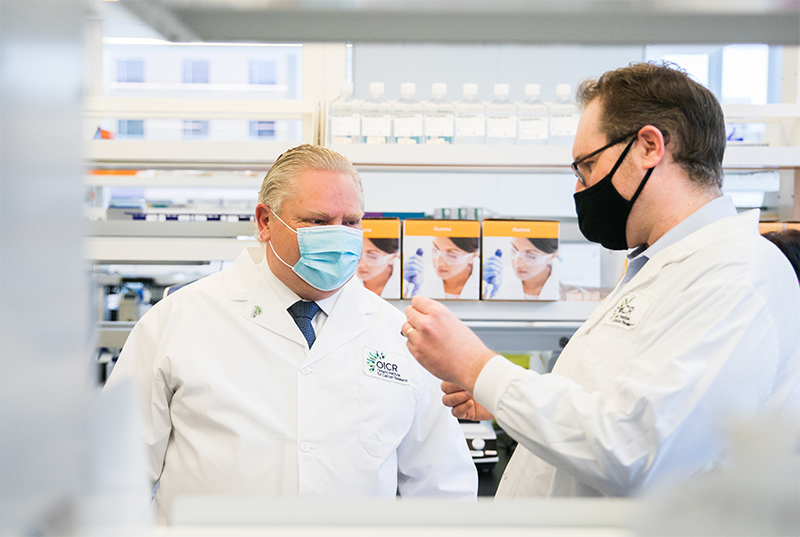
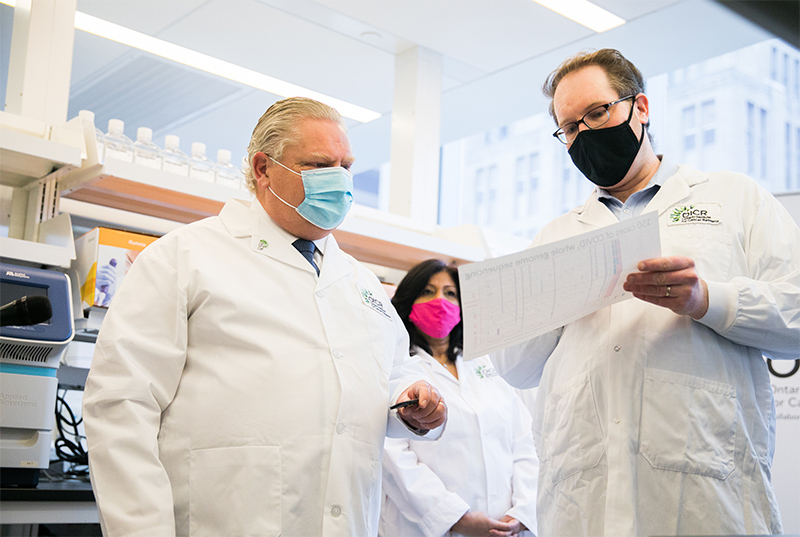
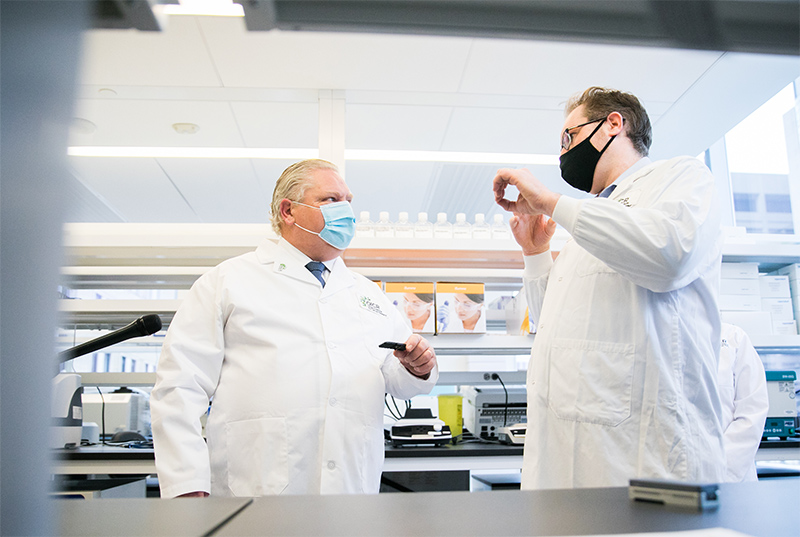
Premier Doug Ford visits OICR

Doug Ford and Trevor Pugh

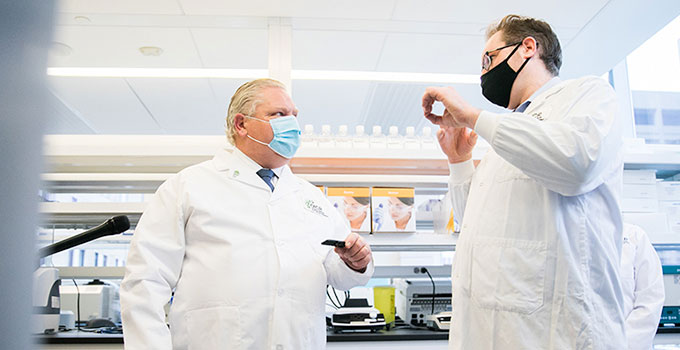
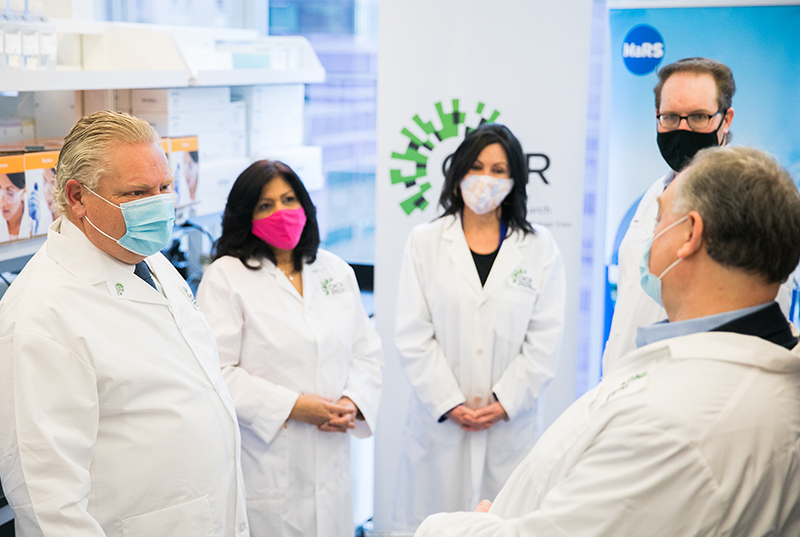
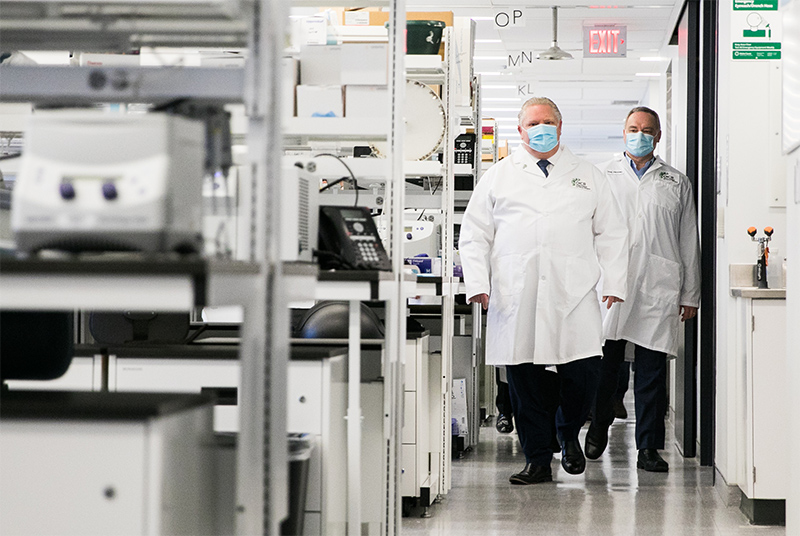
On February 23, Ontario Premier Doug Ford visited MaRS and included a stop at OICR to learn about how the Institute is using its expertise in genomics and other areas to contribute to COVID-19 research. Premier Ford was accompanied by MPPs Donna Skelly and Nina Tangri, who are Parliamentary Assistants to the Minister of Economic Development, Job Creation and Trade, Vic Fedeli.

During the visit Premier Ford met with members of OICR and FACIT leadership and was then given a demonstration of some of OICR’s COVID-19 research by Dr. Trevor Pugh, Director of the OICR-Princess Margaret Cancer Centre Joint Genomics Program.


Premier Ford also spoke to reporters during his visit and conveyed his thanks and support for OICR’s research into both cancer and COVID-19. “These are the areas that Ontario wants to invest in to lead the world in research, not only in COVID but in cancer and other diseases…We are very grateful for all the folks here.”

Read more about OICR contributions to COVID-19 research.


OICR-supported clinical trial leads to practice-changing results for men with prostate cancer

Multidisciplinary research group demonstrates that using MRI and targeted biopsies can avoid unnecessary prostate biopsies in a third of men and reduce the diagnosis of insignificant cancers

Determining whether a patient with prostate cancer requires aggressive therapy or active surveillance is a challenge. Current tests can detect early signs of prostate cancer, but these tests can lead to many unnecessary and painful biopsies for patients whose disease never becomes aggressive.

In an OICR-funded Phase III clinical trial, researchers have found that using Magnetic Resonance Imaging (MRI) and MRI-guided biopsies as needed, can reduce the number of unnecessary prostate biopsies and the diagnosis of insignificant cancers. The study results were recently published in JAMA Oncology.

The study, called the Prostate Evaluation for Clinically Important Disease: MRI vs Standard Evaluation Procedures (PRECISE), included 453 participants at cancer centres across Canada who were assigned to either the current standard of care – a systematic transrectal ultrasound-guided (TRUS) biopsy – or a new method – MRI with MRI-guided biopsy as needed.

The study demonstrated that using MRI and MRI-targeted biopsies caught clinically significant cancers as effectively as conventional TRUS biopsies, but reduced the rate of men undergoing biopsy by almost 40 per cent. The MRI method also halved the number of unnecessary diagnoses of slow growing, clinically insignificant cancers. Additionally, those who did have biopsies in the MRI arm had significantly fewer samples taken relative to those in the TRUS biopsy arm, meaning fewer needles and less pain and discomfort for patients.

Dr. Greg Pond

These clinical data show the revolutionary impact of the use of prostate MRI in cancer diagnosis and surveillance.

“Approximately one in eight men will be diagnosed with prostate cancer in their lifetime,” says the study’s lead statistician and OICR Investigator, Dr. Greg Pond, who is also an Associate Professor at McMaster University and Senior Biostatistician at the Ontario Clinical Oncology Group. “These clinical data show the revolutionary impact of the use of prostate MRI in cancer diagnosis and surveillance.”

Dr. Masoom Haider

“Using our current standard methods, we recognize that we are overdiagnosing some prostate cancers, leading to unnecessary biopsies and treatments,” says co-lead of the study, Dr. Masoom Haider, Head of the Radiomics and Machine Learning Research Lab at the Lunenfeld-Tanenbaum Research Institute, Professor at the University of Toronto, and OICR Clinician Scientist. “Through PRECISE, we’ve demonstrated that using MRI and MRI-targeted biopsies as an alternative to standard biopsies, can effectively detect clinically significant cancers, but avoid overdiagnosing clinically insignificant cancers. This means reducing the number of needles or eliminating biopsy altogether if a patient doesn’t need it. For our health system, this alternative may present an opportunity to use our resources more effectively.”

Haider has played a leading role in integrating the PRECISE findings into Cancer Care Ontario (CCO) guidelines for prostate cancer management. The study’s findings influenced CCO’s Prostate MRI Guideline 27-2 and will be implemented this year, meaning more prostate cancer patients across Ontario may be spared unnecessary biopsies and treatment thanks to MRI and MRI-targeted biopsies.

Read the news release