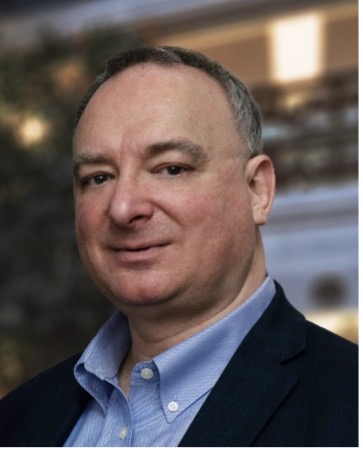
Student-developed machine learning model can predict how medicines treat different tumours

OICR PhD student Farzan Taj created a ‘deep learning’ algorithm that uses different sets of molecular information to predict how tumours respond to drugs.


Precision medicine is about knowing which treatments work best for which patient.

But the more we learn about how small genetic differences can influence how one person responds to one medicine versus another, the harder that becomes.

In cancer research, there’s a nearly limitless combination of drugs and tumour subtypes. Which is why researchers are increasingly turning to machine learning to help predict the most effective medication against different types of cancers.

Farzan Taj has developed a tool he believes can help cancer researchers do just that.

Taj is a PhD student in Lincoln Stein’s lab at OICR studying computational biology and molecular genetics. He dedicated his master’s studies to exploring how machine learning – branch of artificial intelligence – could be harnessed for drug response prediction.

The result is MMDRP, a multi-modal drug response prediction program that was recently described in the journal Bioinformatics Advances.

MMDRP works by analyzing existing data on how certain tumours responded to certain drugs and then makes generalized predictions about how other drugs and tumours might interact based on their molecular makeup. The program uses ‘deep learning’, an advanced subtype of machine learning that processes information much like the human brain.

Taj found that many of the algorithms created to predict drug response used only one type of molecular information – just gene expression data or just mutational data, for example. But deep learning allowed Taj to incorporate multiple kinds of molecular data in his analysis.

“We observed that by combining different types of data that describe various facets of cellular biology, we generated better, more accurate predictions,” Taj said.

A powerful tool like MMDRP can help find drugs that are already on the market approved for treating a different disease that can be repurposed to treat cancer, Taj says. That can mean quicker access to new cancer treatments without having to develop a whole new drug.

Taj also found his algorithm could help identify the unique genetic features involved in the growth and spread of tumours. These kinds of genetic clues are called ‘biomarkers,’ and they can be critical to detecting, diagnosing and treating cancer. Through his research, Taj was able to identify potential biomarkers that may be relevant to breast cancer.

MMDRP is available open-source, and Taj encourages researchers to use it and explore ways to improve it. He hopes the program can ultimately be a valuable tool to support new discoveries in treating cancer.

“By performing these kinds of experiments in silico, or with computers, we can hopefully help focus wet lab experiments on more promising therapies and bring new, personalized treatment options to cancer patients,” he says.

OICR-supported cancer therapeutics company Fusion Pharmaceuticals acquired by AstraZeneca for up to US $2.4 billion

This landmark acquisition of the Hamilton-based company comes after years of funding and support from OICR and FACIT.


AstraZeneca’s acquisition of Hamilton-based Fusion Pharmaceuticals for up to US $2.4 billion marks a major milestone for precision medicine in cancer and for Ontario’s life sciences sector, and the Ontario Institute for Cancer Research (OICR) is proud to have helped launch this made-in-Ontario success story.

Dr. John Valliant

Fusion is a clinical-stage oncology company developing and manufacturing radiopharmaceuticals, a new class of cancer therapy that uses radioactive isotopes linked to proteins such as antibodies to seek out and kill tumour cells. The company’s innovative therapeutics deliver treatment directly to cancer tissue, limiting the damage caused to surrounding healthy tissue.

Joining forces with AstraZeneca will accelerate the development of these next-generation therapies so they can transform health outcomes for patients with cancer in Ontario and around the world, Fusion CEO Dr. John Valliant said in a news release.

Fusion is a spinout company of the Centre for Probe Development and Commercialization (CPDC), which OICR launched in 2008 with the Government of Canada and McMaster University and has supported with more than $12 million in funding and other resources for over the last 15 years.

OICR also supported Fusion through its commercialization subsidiary FACIT, including an initial investment in 2014 and a series of follow-on investments over the years.

Dr. Laszlo Radvanyi

“This is exactly the kind of made-in-Ontario success story we envisioned when we created CPDC and supported Fusion throughout the years,” says OICR President and Scientific Director Dr. Laszlo Radvanyi. “This landmark acquisition is a testament to Ontario’s booming life sciences sector and the provincial oncology community OICR has been critical in building. This transaction is a big win for the cancer patients who will benefit from their innovative treatments, and a shot in the arm for Ontario’s economy.”

Fusion is one of two Ontario companies to spin out from CPDC, which is also based in Hamilton. With OICR’s support, CPDC and its companies are driving cutting-edge research into radiopharmaceuticals, as well as manufacturing and distributing them to hospitals around the world.

“We are very proud of our roots in CPDC, McMaster University and in the Hamilton community,” says Valliant, CEO of Fusion. “The visionary strategy and support of OICR was instrumental in establishing and building Fusion.”

Fusion’s deal with AstraZeneca is expected to close in June. The company will become a subsidiary of AstraZeneca and its operations will continue in Canada and the U.S.

How the Ontario Cancer Research Ethics Board protects participants while streamlining research in the province

A program of OICR, the Ontario Cancer Research Ethics Board (OCREB) includes more than 40 expert reviewers who specialize in cancer clinical trials.


Ethics boards are an essential part of cancer research.

They work to protect the rights and welfare of research participants who volunteer to join studies that generate knowledge and innovations that may help people live longer, better lives.

Most hospitals that do clinical research have their own research ethics boards that review study protocols, participant consent forms and other study documents.

But cancer research keeps changing and evolving, with study designs getting more complex and often involving multiple hospitals and cancer centres. These complexities can make it harder for research ethics board to review studies quickly and effectively, while continuing to ensure that every clinical trial meets the highest ethical standards.

For 20 years, the Ontario Cancer Research Ethics Board (OCREB) has been working toward exactly that goal.

OCREB is a central, expert research ethics board specializing in cancer and serving the hospitals and cancer centres in Ontario that conduct oncology clinical trials. The board is made up of over 40 clinicians, ethicists, statisticians, lawyers, and community members who have the qualifications and experience to evaluate the ethics of the proposed research for adult and pediatric oncology trials. OCREB has a chair and three vice chairs and is supported by a staff of seven.

A program of OICR that operates independently from the Institute’s research programs, OCREB is helping advance cancer clinical trials in Ontario by making the ethics review process efficient and thorough.

OICR News recently asked OCREB Executive Director Natascha Kozlowski about the Board’s unique role in Ontario cancer research, and how it could serve as a model to streamline biomedical research across Canada.

What are research ethics boards and why are they essential to conducting ethical research?

Ethics boards are independent committees made up of reviewers from different disciplines. They review research studies that involve people and their central role is to protect the rights and welfare of study participants. They ensure that the risks of research are minimized as much as possible and that the risks, benefits and burdens of the study are presented in a balanced way so that participants can make informed decisions.


How does having a consolidated, provincial ethics board like OCREB streamline the ethics review process in Ontario?

Imagine you have a clinical trial planned across three different hospitals in Ontario. Without OCREB, the research ethics boards at each of these hospitals would have to review the same study materials. That’s a lot of administrative burden that can ultimately slow down the research process.

Using OCREB, researchers can send the study materials as one application to one ethics board that reviews the study with all sites in mind. Once the study is approved, each site then submits an application to explain how they plan to carry out the trial at their centre.

So instead of having each local research ethics board review the study, OCREB can review the study and then quickly – usually within days – review and approve each of the abbreviated centre applications.

Why is it important to have a research ethics board specifically for cancer?

Clinical trials for cancer are very complex. They often have multiple arms across multiple institutions. And things move quickly in cancer. The standard of care keeps evolving and new technologies are always emerging. That means cancer clinical trials need the lens of specialty reviewers who understand cancer, understand the science and methodologies, and understand the experiences of people with cancer.

OCREB’s expert reviewers have specialized knowledge and understand the science behind cancer clinical trials and study design. They work together to understand the risks associated with a trial to support informed consent and demonstrate respect for trial participants.

Could the OCREB model be adopted more widely across biomedical research in Canada?

Having a centralized, disease-specific ethics board is quite unique in Canada. We were one of the first of our kind and remain a leader in research ethics 20 years later.

Recently, there have been calls to streamline the processes for setting up and running clinical trials in Canada, including ethics review. As these discussions continue, it will be important to look at the success of centralized boards like OCREB. We can learn a lot from what is already working well as we strive to improve the process for health research across Canada so that more people can benefit from scientific innovations.

Ask a cancer researcher: Is there a blood test for cancer?

Ontario Health Study participant Brenda Czich asks OICR’s Director of Genomics Dr. Trevor Pugh about blood tests for cancer. Watch the video to learn about cancer blood tests that are currently available, new ones under development and how these types of tests can help those at risk of hereditary cancers.

How AI can help diagnose cancers that are otherwise hard to spot

OICR-supported researchers are harnessing the power of artificial intelligence to help diagnose cancer quickly and accurately.


The difference between cancerous and non-cancerous tissue can be so subtle it’s almost imperceptible. And yet distinguishing one from the other can mean the difference between life and death.

Early detection is critical to treating cancer effectively, and it’s one of the pillars of OICR’s research strategy. As part of that strategy, the institute is supporting a range of cutting-edge studies that aim to make detecting and diagnosing cancer easier for clinicians by harnessing the power of artificial intelligence (AI).

One of those projects is in colorectal cancer, an especially deadly form of the disease that can be tough to detect. Most colon cancer is diagnosed through a colonoscopy, during which doctors will remove and examine growths in the colon called polyps. Some polyps can be cancerous (known as ‘invasion’) while others just look a lot like cancer (‘pseudo-invasion’). They’re so similar it can take a panel of pathologists several days to be sure if a polyp is cancerous, and that could delay the start of a patient’s treatment.

That’s why OICR-supported researchers at Western University are excited about their AI4Path software, which uses ‘deep learning’ to analyze slides of polyp tissue to determine which ones are cancerous. Deep learning is a type of AI that teaches computers to learn by example, making it ideal for recognizing patterns and classifying different things.

In a recent Scientific Reports paper, researchers showed that AI4Path could differentiate between true and pseudo invasion of polyps with 83.9 per cent accuracy. That’s as accurate as an expert pathologist, and results were delivered in under 13 minutes on average.

AI4Path is the first-ever software designed to classify polyps and researchers believe it could reduce pathologists’ workloads and shorten turnaround times for patients waiting for results.

“Our system can act as a reliable expert pathologist to aid the primary pathologist and provide prompt guidance to managing patient care,” says Dr. Qi Zhang, Assistant Professor of Pathology and Laboratory Medicine at Western University and one of the paper’s lead authors.

Zhang and colleagues are now working on making AI4Path faster and more efficient. They’re also building out other applications to support pathologists and improve screening for colorectal cancer.

Finding skin cancer early is just as important to successfully treating it, and so people are encouraged to go for regular screenings. Many skin cancer screening programs use a device called a dermotoscope, which magnifies and illuminates skin lesions to help see which are cancerous and which are benign.

But the differences between cancerous and skin benign lesions are extremely subtle, especially at the early stages. Even experienced dermatologists can have a hard time distinguishing them.

That’s what drove University of Waterloo Professor Dr. Alexander Wong and colleagues to create Cancer-Net SCa, a deep learning tool that can classify malignant and benign skin lesions.

Their innovative software can deliver quick and accurate results to support dermatologists. In 2022, they reported that Cancer-Net SCa could identify skin cancer with 84 per cent accuracy, and Wong says it has only improved since then.

It’s also efficient, requiring very little computing power or data storage, which Wong and colleagues say makes Cancer-Net SCa easy to integrate into clinical care, and accessible to dermatologists in remote areas in Ontario and around the world.

“We hope [our system can] act as a sort of ‘virtual assistant’,” says Wong, who is also an OICR Affiliate. “Hopefully this gives dermatologists insights that assist them in coming to a well-informed decision.”

AI’s ability to analyze and classify tissues could also help transform breast cancer screening. Mammography is one of the most important tools to find breast cancer early. But mammograms can sometimes miss tumours in women whose dense breast tissue ‘masks’ the appearance of cancerous tissue.

To help close this gap, Sunnybrook Hospital’s Dr. Martin Yaffe has developed an AI algorithm that can analyze images from a mammogram and flag women whose normal dense breast tissue might be masking underlying cancer. These women can then be referred to other tools that are better suited to screen their breasts.

Yaffe, who also co-leads OICR’s Imaging Program, is testing and optimizing his system with the help of an OICR’s Clinical Translation Pathway award. “Our technique uses AI as a tool that can help give women a personalized approach to breast cancer screening and reduce the number of cancers that get missed,” Yaffe says.

“Dream team” science helps move Ontario ahead of the curve on hard-to-treat cancers

OICR’s Translational Research Initiatives (TRIs) made a lasting impact for patients.

In 2017, ovarian cancer research was due for a new approach.

Despite the best efforts of scientists, clinicians and patients, outcomes hadn’t improved for almost 50 years, and the disease always seemed one step ahead.

Gaining ground on ovarian cancer was going take something bold. It was going to take teams of experts asking questions that matter to cancer patients and working together to answer them.

And that’s exactly what OICR had in mind when it created the Ovarian Cancer Translational Research Initiative (TRI) that same year, part of a $24 million investment by the Government of Ontario to support research teams to tackle some of the most challenging cancers.

The OICR TRI program united clinicians and scientists into five teams with clear goals and deliverables. Four teams were charged with delivering solutions for a specific cancer (ovarian, brain, pancreatic and leukemia) while the fifth TRI was created to harness immuno-oncology to treat cancers.

Although the TRI program came to an end in 2022, its legacy lives on in innovative discoveries that are helping give cancer patients a brighter future.

In the Ovarian Cancer TRI, this includes making major discoveries about ovarian cancer and how to treat it, launching two start-up companies, and touching the lives of more than 700 patients who participated in nine new clinical trials.

“The TRI brought together a ‘dream team’ of clinicians and scientists and allowed us to be bold and take risks,” says Dr. Amit Oza of the University Health Network (UHN), who co-led the Ovarian Cancer TRI alongside UHN’s Dr. Robert Rottapel. “OICR funding helped us to better understand how ovarian cancer cells change and become resistant to treatment, and that helped us get ahead of ovarian cancer after seemingly trailing behind.”

Unique teams that reach across disciplines

OICR has a long history of bringing together experts from across Ontario and around the world to solve the biggest challenges in cancer. But the TRIs took OICR’s collaborative, impact-driven approach to the next level.

The program provided significant, multi-year support that reached across institutions and disciplines. It gave research teams a clear, singular goal but also the leeway to approach it from different angles. It also leveraged areas where Ontario had proven strengths – like immune-oncology, stem cells, genomics and clinical trials – in the hopes of translating innovations into patient impact.

“OICR invested in TRI’s in order to support Ontario’s international leaders in accelerating transformative innovations,” says Dr. Teresa Petrocelli, Director Clinical Translation at OICR. “The TRIs fostered partnerships amongst those experts, providing them with support and resources so that they could address key clinical priorities in a coordinated way, translating them for positive patient impact.”

The TRIs were led by some of the top talent in Ontario cancer research. In addition to Oza and Rottapel (ovarian cancer), other teams were led by Dr. Peter Dirks and Dr. Michael Taylor (brain cancer), Dr. John Bell and Dr. Marcus Butler (immuno-oncoloy), Dr. Steve Gallinger (pancreatic cancer) and Dr. John Dick and Dr. Aaron Schimmer (acute leukemia).

For acute leukemia, the TRI program came at just the right time. OICR was already at the forefront of leukemia research, thanks in part to Dick’s discoveries about the stem cells that drive leukemia relapse. But relapse was still common, and the standard treatment – a heavy dose of chemotherapy – caused severe side effects. The Acute Leukemia TRI allowed Dick and Schimmer to recruit a multidisciplinary team to try and turn knowledge about leukemia stem cells into innovative solutions for patients.

“We were able to gather people together who might not have otherwise been studying leukemia stem cells, and raise the caliber of everyone’s work,” Schimmer says.

Wide-ranging innovations

During the term of the TRI program, the teams made significant progress in the five priority areas.

For the Ovarian Cancer TRI, much of this progress revolves around an ambitious prospective trial called BioDIVA. The study recruited more than 500 women with high-grade serous ovarian cancer, the deadliest form of disease and most likely to relapse. The tumour samples from BioDIVA – collected at diagnosis, during treatment, and at relapse – continue to be an invaluable resource for understanding why ovarian cancer recurs.

Other Ovarian Cancer TRI studies have looked more directly at treatment options for ovarian cancer, and ways to overcome resistance to treatment. In a clinical trial involving 100 women, Oza and UHN Clinician Scientist Dr. Stéphanie Lheureux found that a unique combination of medicines could extend the lives of women whose ovarian cancer relapsed. In other drug discovery research supported by the TRI, Rottapel and Dr. Methvin Isaac identified a promising target called GCN2 that could lead to a brand new class of therapeutics for ovarian cancer.

These kinds of wide-ranging discoveries covering the entire spectrum of cancer care were typical of the diverse TRI teams.

In acute leukemia, researchers made inroads in early detection by finding signs of acute leukemia a decade before symptoms surfaced. They also developed a diagnostic test that can predict a leukemia patients’ chances of relapsing after treatment. And discoveries about the role of fat production in the development of leukemia stem cells could help create therapies that stop relapse before it happens.

Other key innovations from the TRI programs include using genome sequencing to personalize treatment for pancreatic cancer, overcoming resistance to immunotherapy in triple-negative breast cancer and paving the way for a new class of therapeutics for brain tumours.

“Our groups made fundamental discoveries that translated into the clinic and are having lasting clinical impacts,” says Schimmer.

Long-lasting impacts for patients

Though the TRIs have officially ended, their influence is ongoing. In total, nearly 1,600 patients were recruited to TRI studies, and the programs generated nine different patent applications.

Some TRI-supported studies are still in progress, and other related studies were made possible by leveraging the TRIs to secure funding from other sources. The Pancreatic Cancer TRI was particularly effective at bringing genomic discoveries to patients through several innovative clinical trials, and was converted to an ongoing program under OICR’s Clinical Translation theme called PanCuRx.

The broader TRI initiative evolved into OICR’s Clinical Translation Pathway (CTP) which employs a similar approach but with even clearer pathway toward clinical impact and stronger connections across the OICR community. The CTP program prioritizes projects that are developing biomarkers, diagnostics and therapeutics and are ready to launch trials for their clinical validation – which was a challenge for some TRI-supported projects. Moreover, through the CTP program, funding is made available to support the implementation of cancer innovations into healthcare policy and clinical practice.

Through CTP, OICR continues to fund projects that grew out of the TRIs, including Dr. Mitchell Sabloff’s work testing biomarkers and treatments for acute myeloid leukemia, and Lheureux’s clinical trial using liquid biopsy to guide treatment for relapsed ovarian cancer.

“The TRIs weren’t just another award or funding stream,” Petrocelli says. “They marked an evolution in how OICR collaborates across institutes and disciplines to make the greatest difference for people affected by cancer.”

Using AI to connect cancer patients with cutting-edge clinical trials

A team of Ontario researchers is developing PMATCH, an automated system to match precision medicine clinical trials with eligible cancer patients.


Clinical trials can be the best way to test new cancer technologies and treatments, and can give patients access to potentially life-saving innovations.

Yet connecting patients with a trial they’re eligible for can be like finding a needle in a haystack. Clinicians and researchers are tasked with identifying all available trial options and their unique eligibility criteria, and comparing that against patients’ health history and complex medical information derived from various sources, including lab tests and tumours’ genomic profiles.

That process can be inefficient and time-consuming. As a result, only a small fraction of cancer patients participates in clinical trials, and many trials struggle to recruit enough patients to yield meaningful results. And it’s only getting more complicated in the age of precision medicine, where patients often need to have cancers with specific genetic mutations or genetic signatures to be eligible for a trial.

But a group of researchers led Dr. Benjamin Haibe-Kains, Dr. Trevor Pugh and Dr. Janet Dancey believe they can limit these missed opportunities and save time and money in the process.

Leveraging funds from Genome Canada and harnessing data from the OICR-supported Ontario-wide Cancer Targeted Nucleic Acid Evaluation (OCTANE) clinical trial, they’ve developed a software platform called PMATCH that uses machine learning – a form of artificial intelligence (AI) – to match patients with precision medicine trials in near real-time. This technology allows PMATCH to compare detailed genomic and health data against eligibility requirements of clinical trial protocols, and even recommend trials for specific patients based on the most up-to-date cancer research data available.

“PMATCH can help drive a new era of precision medicine by automating how patients in Canada are connected to clinical trials, and raising awareness and computability of available trials, so that cancer patients can benefit.” says Pugh, Director of OICR’s Genomics Program, Senior Scientist at Princess Margaret Cancer Centre and Professor of Medical Biophysics at the University of Toronto.

Ultimately, the team wants clinicians to be able to use PMATCH to quickly find trials for their patients, and for researchers to use it to find potential participants for their trials. For patients who don’t match to existing clinical trials, PMATCH will allow clinicians to access cutting-edge candidate biomarkers predictive of therapy response to better guide treatment decisions.

But before it can be rolled out across the country, PMATCH will be tested and refined at participating cancer centres. That work will be supported by the Canadian Cancer Clinical Trials Network (3CTN), a pan-Canadian network with coordinating centre based at OICR that aims to improve the quality of academic cancer clinical trials in Canada. Working with 3CTN, PMATCH researchers will be able to leverage the network’s comprehensive portfolio of adult and pediatric clinical trials, and build on 3CTN’s Canadian Precision Oncology Trial Finder.

“This project lines up perfectly with 3CTN’s priorities to improve how cancer clinical trials are run and improve access to the latest cancer innovations for people across Canada,” says Dancey, who is Scientific Director of 3CTN, Director of the Canadian Clinical Trials Group (CCTG) and Professor of Oncology at Queen’s University.

The PMATCH team just launched a pilot program involving Princess Margaret Cancer Centre, BC Cancer and Kingston Health Sciences. If all goes well, they hope to further refine and scale up PMATCH over the next few years. They would eventually like to see PMATCH used at all major cancer centres in Canada, saying it could help increase the number of cancer patients matched to precision cancer clinical trials in Canada by as much as 50 per cent.

“If we can get as many trials as possible into the system, researchers will be able to recruit much faster and clinical trials will get better,” says Haibe-Kains, who is Senior Scientist at the Princess Margaret Cancer Centre and Professor of Medical Biophysics at the University of Toronto. “Then we can also be certain patients with cancer have access to the best possible care.”

New PFAC Chair takes lead of growing, evolving community of OICR patient partners

Blood cancer survivor Terry Hawrysh is the new Chair of OICR’s Patient and Family Advisory Council (PFAC).

Though Terry Hawrysh has seen major strides in patient partnership since he first got involved in cancer research, he thinks we’re just scratching the surface of what patient partners can achieve.

So he’s excited to help lead the next evolution of patient partnership in cancer research as the new Chair of OICR’s Patient and Family Advisory Council (PFAC).

“As Chair, I have a wonderful opportunity to draw on the collective knowledge and experience of many diverse and dynamic patients partners,” Hawrysh says. “Together, I believe we help ensure cancer research meets and exceeds the needs of cancer patients.”

Hawrysh has been a member of OICR’s PFAC since its inception in 2021 and has been involved in research as a patient partner for more than six years. He’s a semi-retired engineer who got interested in contributing to cancer research after his own experience with blood cancer, which he says changed him physically and mentally.

“Being treated for a life-threatening disease changed my sense of what’s important,” Hawrysh says. “I just want to be a good human and do whatever I can to improve the experiences of patients and their families.”

Since joining PFAC, he’s watched patient partnership grow and evolve at OICR. Patient partners are now embedded throughout OICR’s research programs, helping evaluate, shape and execute research projects.

But with a strong PFAC and a growing community of more than 70 patient partners, he thinks patients have even more to offer cancer research in Ontario. He looks forward to supporting more patients in co-designing research projects, authoring academic papers, and speaking up on important issues in cancer research and care.

“Patients and their families are the largest and most important group of stakeholders in cancer research,” he says. “Our collective voice can be very influential.”

Hawrysh took over as Chair from Beth Ciavaglia, who stepped down in February but will continue as a regular member of PFAC.

“My time as chair, although short, was very fulfilling. The PFAC crew and all OICR staff I encountered were incredibly supportive and encouraging,” says Ciavaglia, who has also been a PFAC member since 2021. “I am over the moon that Terry is picking up the role. His wealth of patient partnership experience, inside of OICR and out, will no doubt guide the group in the right direction.”

Hawrysh says Ciavaglia has left him big shoes to fill as chair.

“Beth was a very enthusiastic and effective chair and a wonderful bridge between PFAC and the OICR community,” he says. “I look forward to representing her and the rest of PFAC as we continue fostering meaningful collaborations between patients and researchers.”

Ask a cancer researcher: How can Ontarians get tested for hereditary cancers?

Medical Geneticist Dr. Raymond Kim answers a question about what genetic testing is available in Ontario.

Having close family members with cancer could mean you have a higher risk of developing certain cancers.

And so people with a family history of cancer may want to get genetic testing to better understand their risks.

In our latest Ask a Cancer Researcher video, University Health Network Medical Geneticist Dr. Raymond Kim answers a question from Coburg resident Jo Ann Kropf-Hedley about what genetic testing is available in Ontario.

Kim also explains how the Ontario Hereditary Cancer Research Network, which he created with OICR, aims to better understand hereditary cancers and improve how they are managed and treated.

AI helps find new leads for brain cancer drug discovery

Research led by OICR and SickKids used machine learning to find links between cancer outcomes and druggable proteins.

Ontario scientists used advanced computing techniques to generate a catalogue of potential targets for future drug discovery research, as well as two promising targets for brain cancer drugs.

In a study published in the EMBO Journal, researchers used machine learning — a type of artificial intelligence (AI) that can learn from data and make predictions — to analyze the gene expression of more than 9,000 tumour samples across 33 cancer types.

They looked specifically at a group of proteins called “ion channels”, which have been targeted by drugs for cardiovascular disease but have been understudied for cancer therapeutics. By looking at the expression of these ion channels in the tumour samples, the machine learning algorithm identified about 400 potential targets that linked to patient survival in one of 33 cancers.

“These proteins may have a role in how cancers grow, and the catalogue we developed could be a useful resource for researchers looking to develop or repurpose drugs for cancer,” says OICR Investigator Dr. Jüri Reimand, whose lab led this research alongside Dr. Xi Huang’s lab at SickKids.

From this catalogue, Reimand and colleagues noticed that four proteins seemed particularly linked to patient outcomes in glioblastoma, the most common and deadliest brain cancer. The team at SickKids then did experiments on two of these proteins in their brain cancer research lab. They discovered that the two ion channels help control how rapidly glioblastoma cells grow, and that when the proteins are disabled in brain cancer cells the tumours become less aggressive in mouse models. One of the ion channels also appears to control cell-cell communication networks of brain cancer cells.

“That opens the door for further work developing brain cancer therapeutics and also adds to our understanding of how brain cancer cells work,” says Reimand, who is also Associate Professor in the Department of Molecular Genetics at the University of Toronto.

Alexander Bahcheli

The study is the culmination of long-term collaboration between Reimand and Huang that began when they were both postdoctoral researchers. This latest work was led by PhD students Alexander Bahcheli and Nicolaes Hyun-Kee Min, who are members of the Reimand and Huang labs and PhD students at the Department of Molecular Genetics at the University of Toronto.

“It’s exciting to explore these different classes of proteins from a cancer perspective,” says Bahcheli, who completed this research as part of his PhD. “Machine learning allows us to find the strongest associations that may be most relevant to future research.”

Machine learning has shown promise in drug discovery research because of its ability to parse through huge amount of data relatively quickly. With machine learning, the teams at OICR and SickKids were able to focus in on two promising targets without having to run hundreds of experiments to identify and validate targets, which could take years to complete.